
Emily Henderson's 1910 Farmhouse Transformation
A series of thoughtful updates balance original details with the modern needs of a young family.
1916 Irvington Colonial Revival Landmark
A series of thoughtful updates balance original details with the modern needs of a young family.
1916 Irvington Colonial Revival Landmark
A series of thoughtful updates balance original details with the modern needs of a young family.
Click image to view full size
Click image to view full size
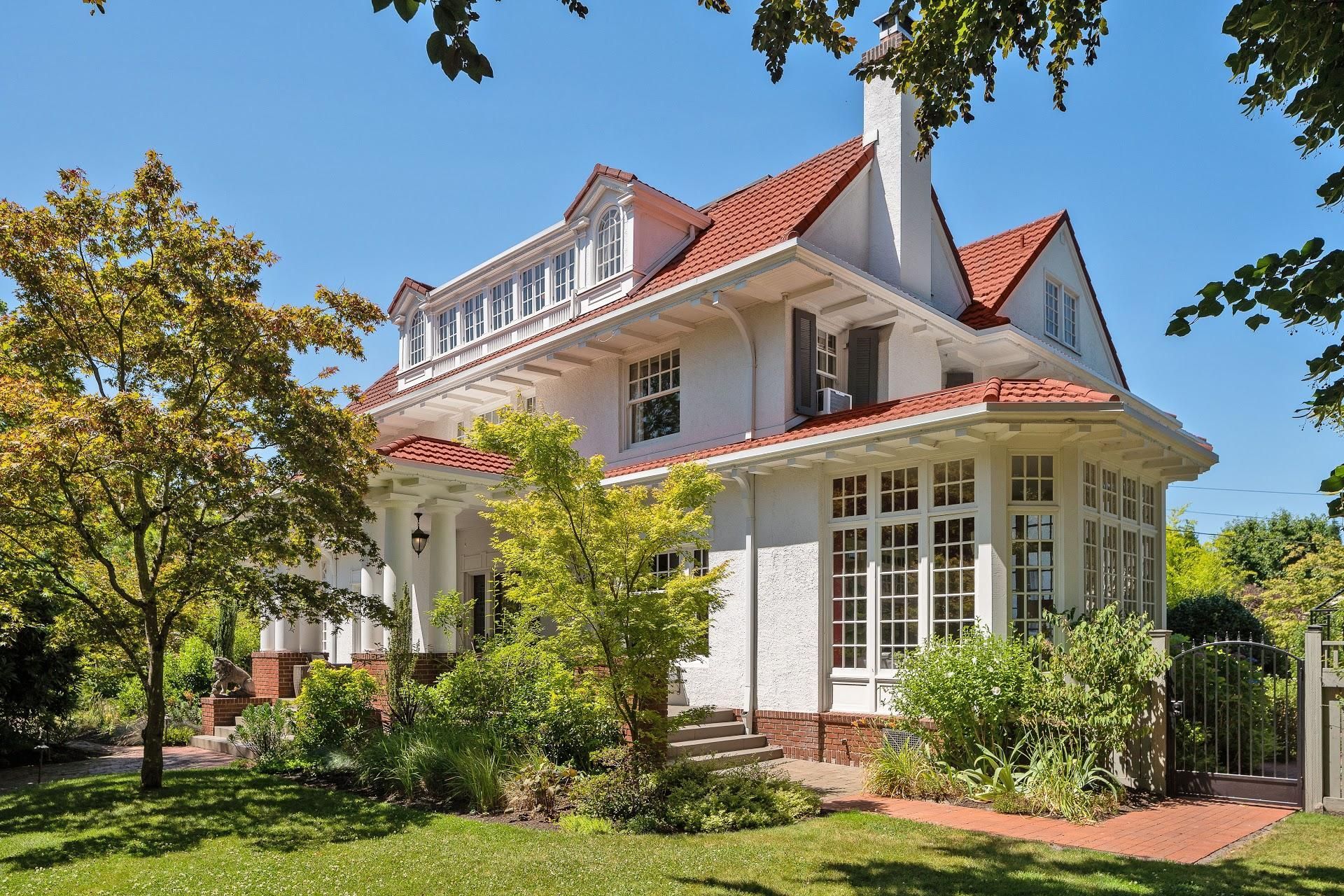
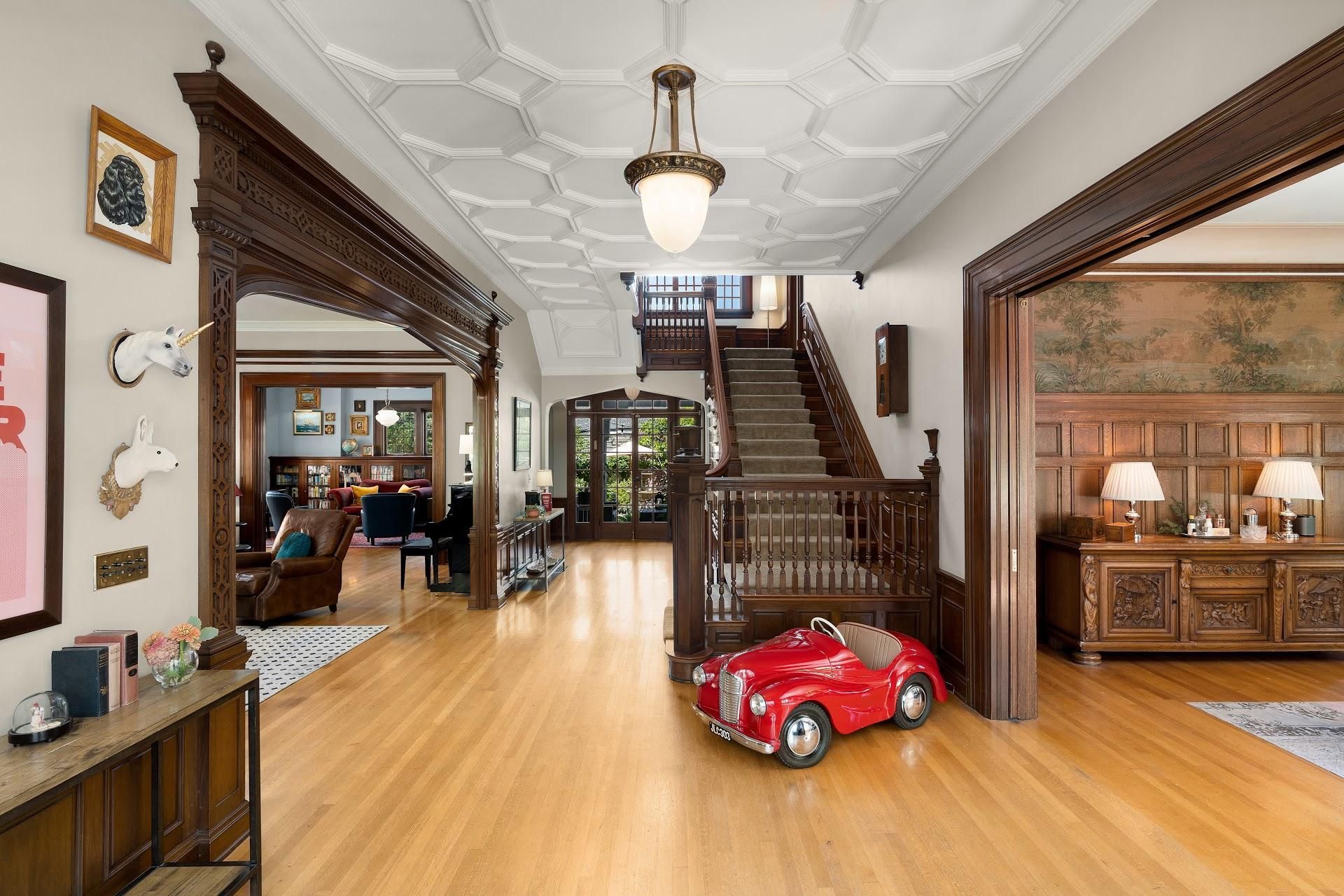
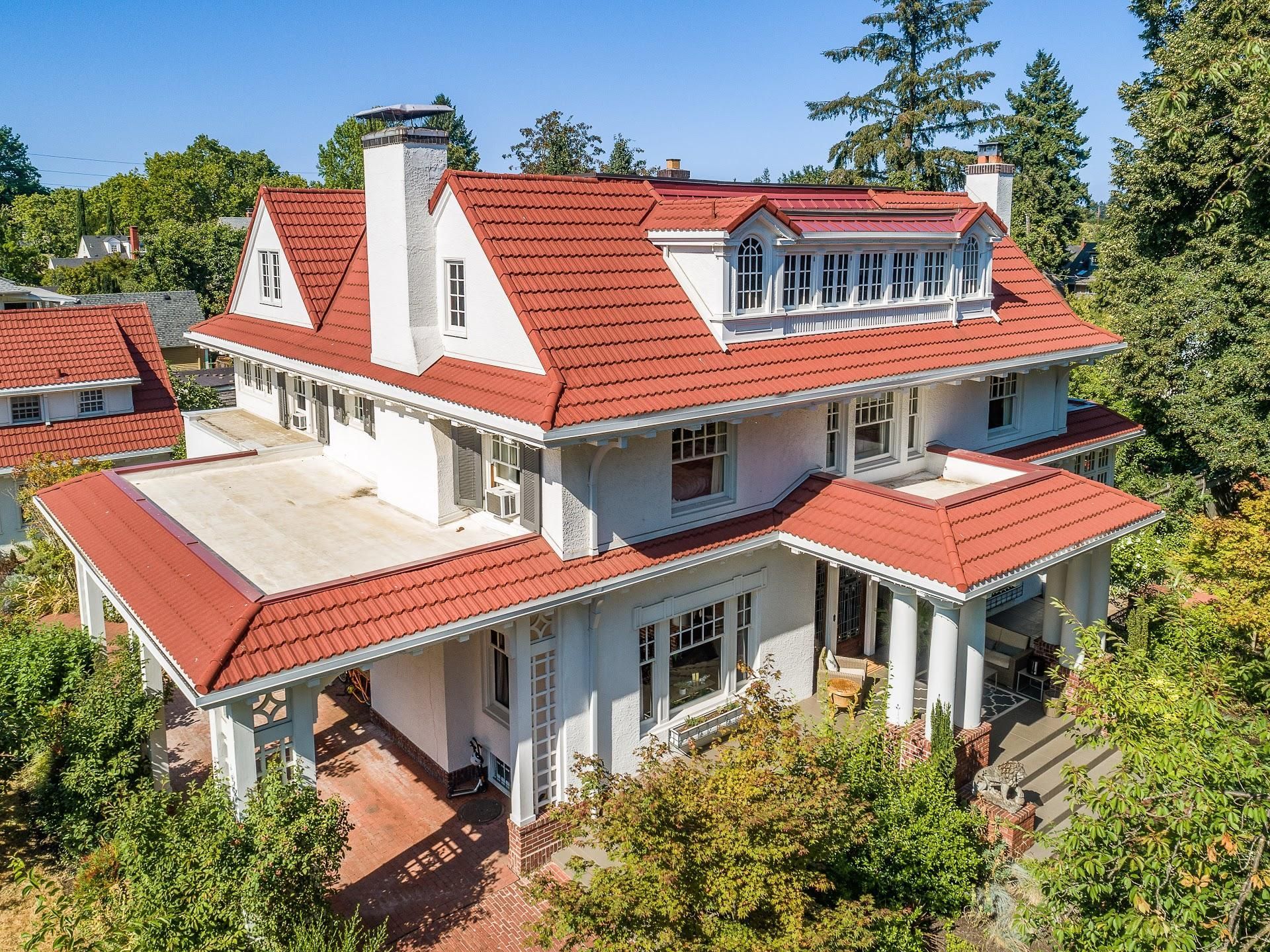
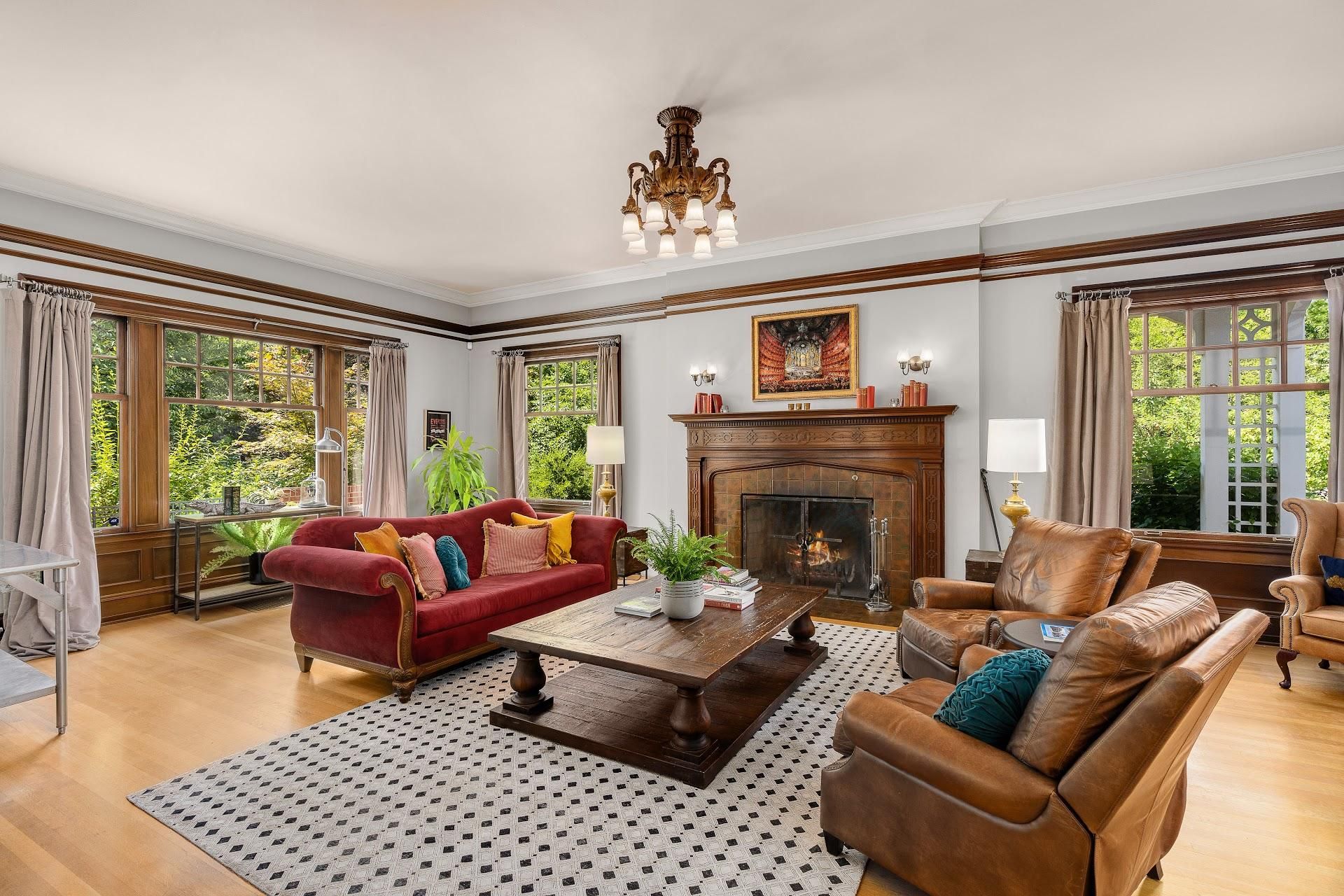
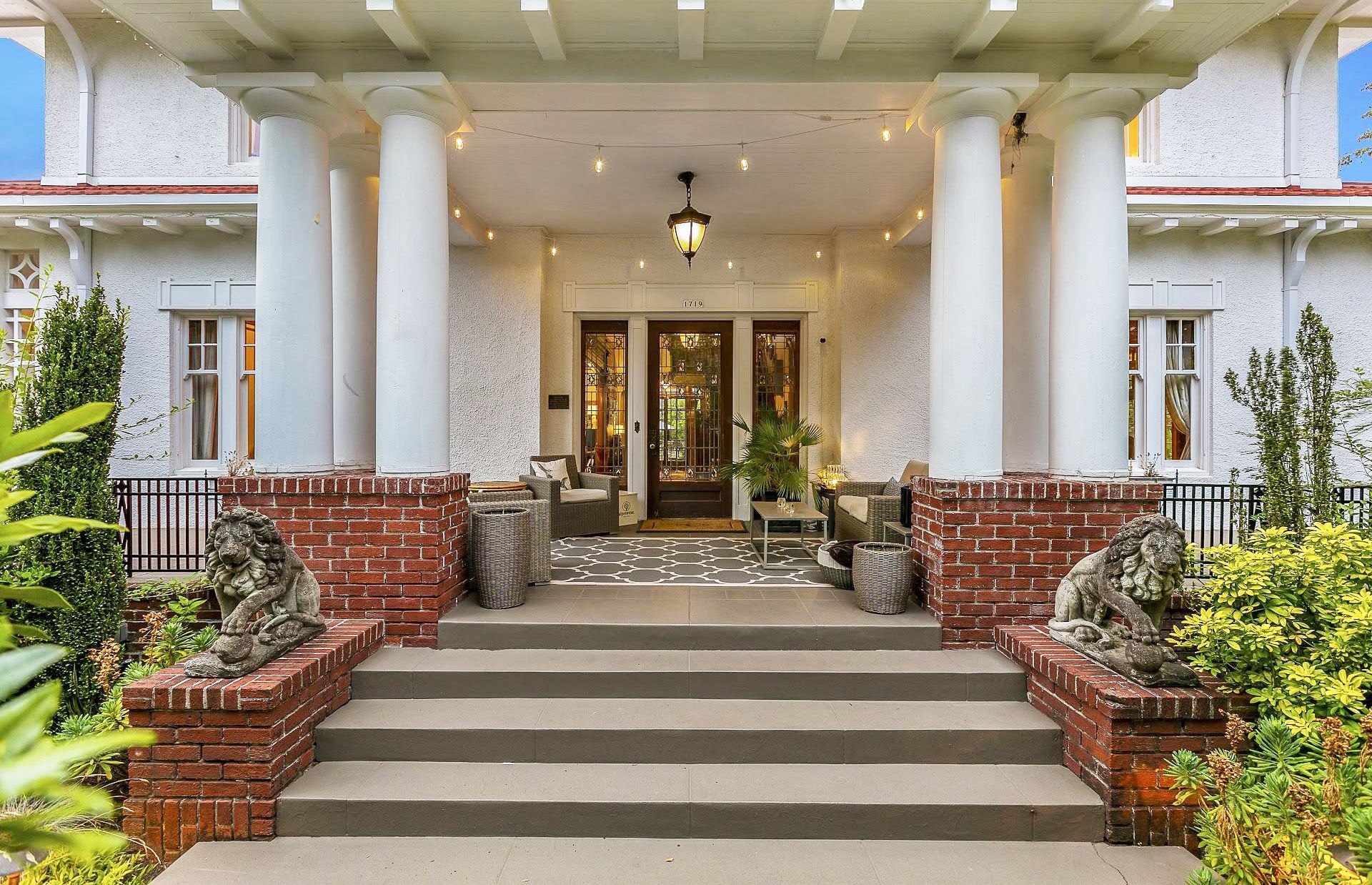
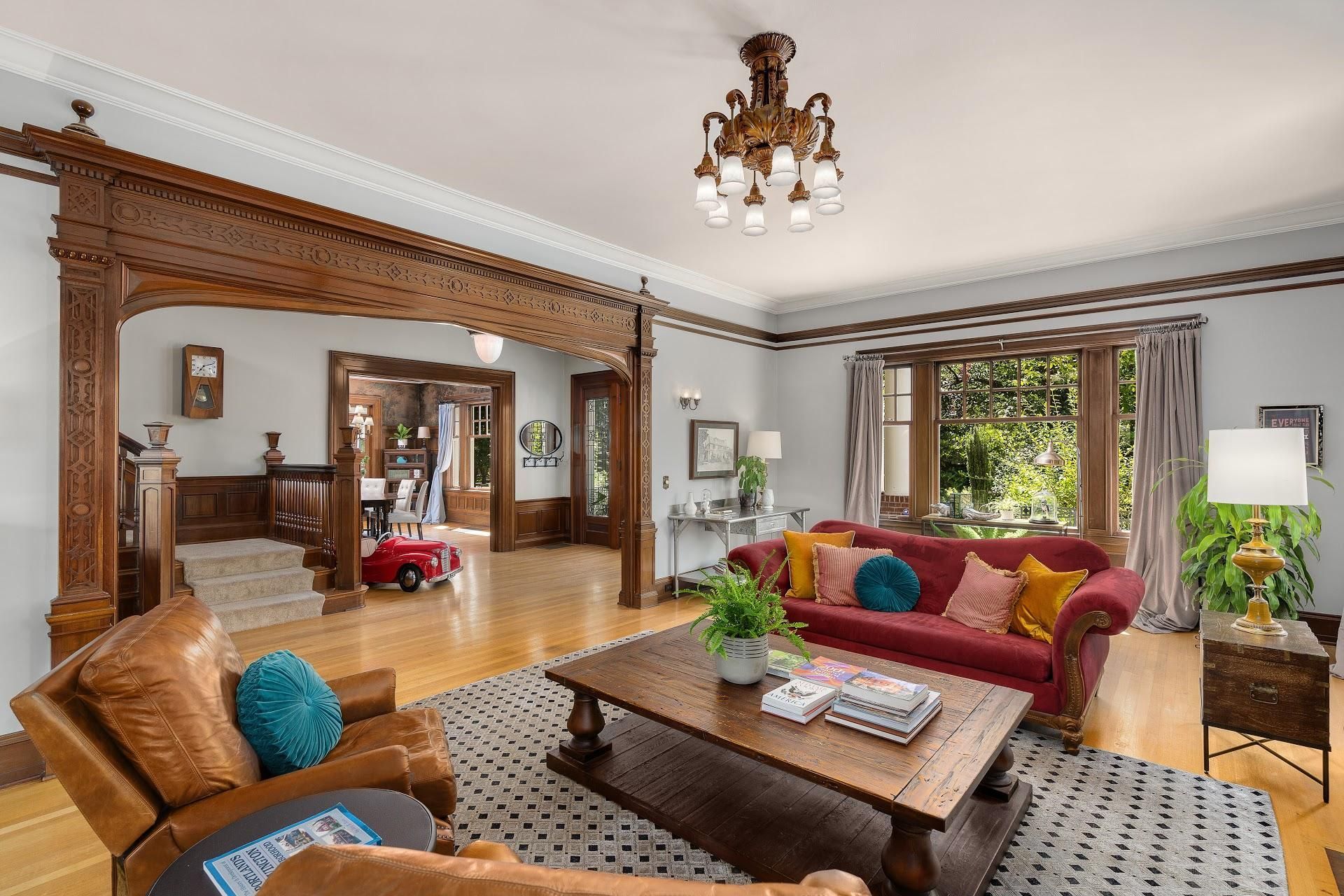
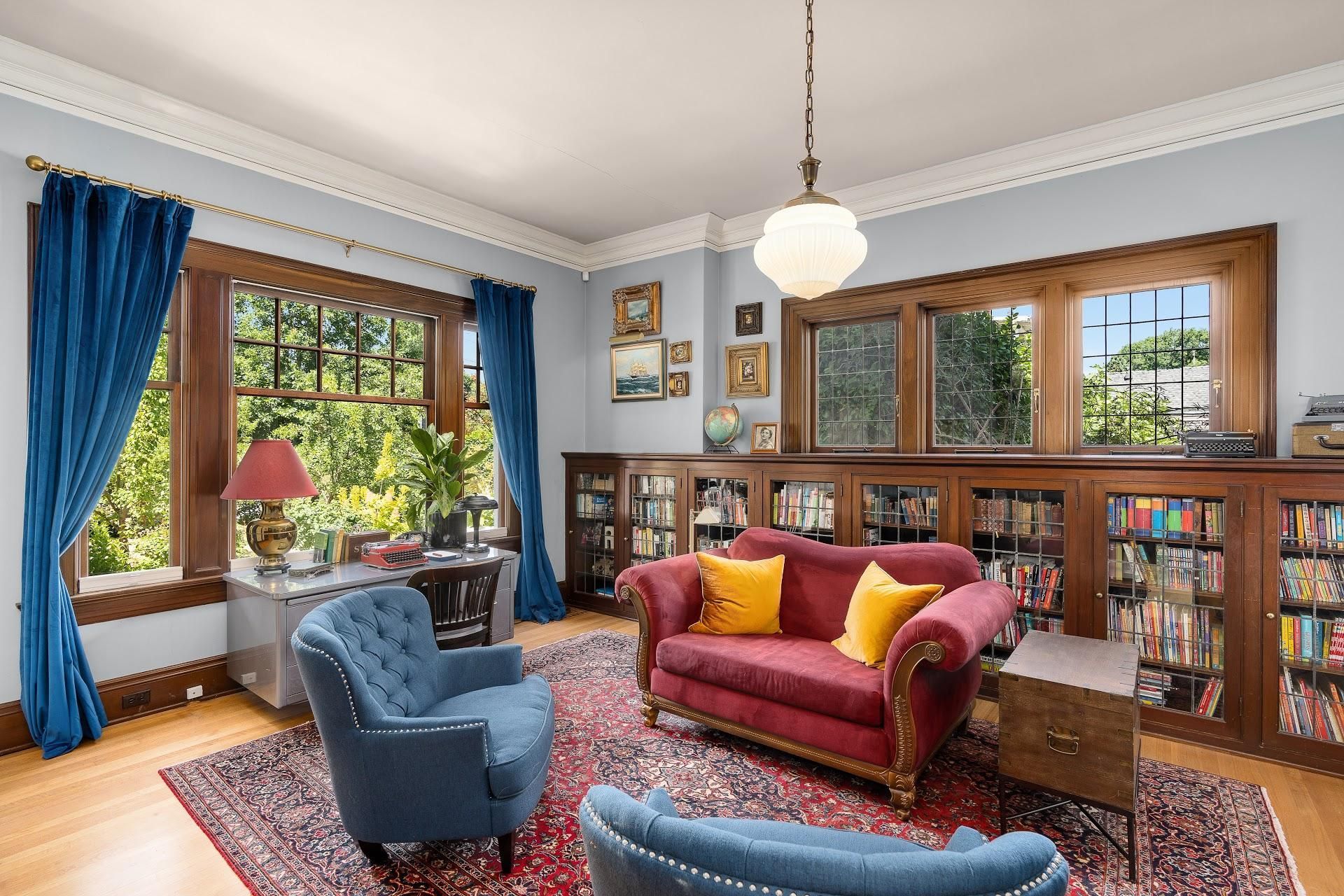
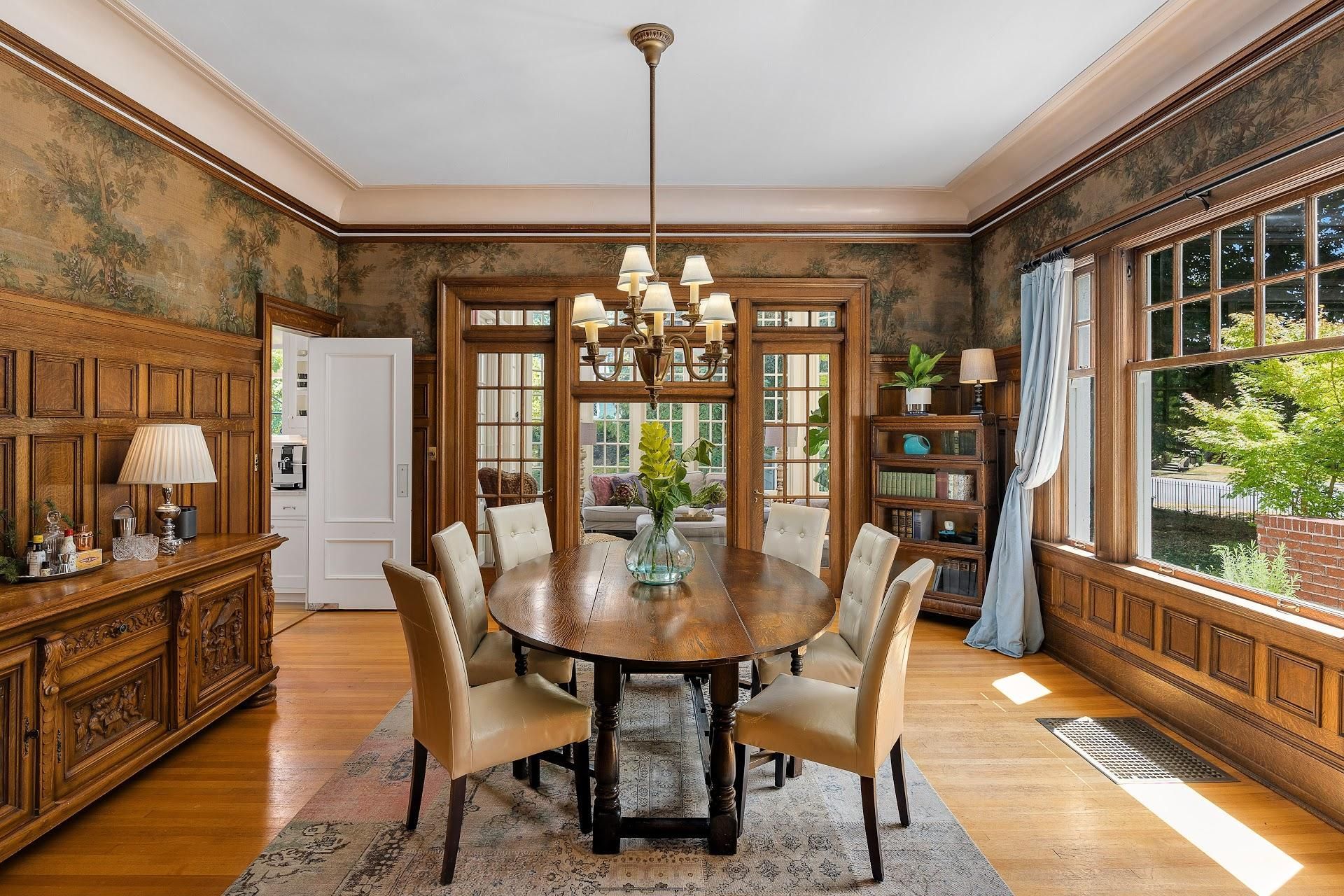
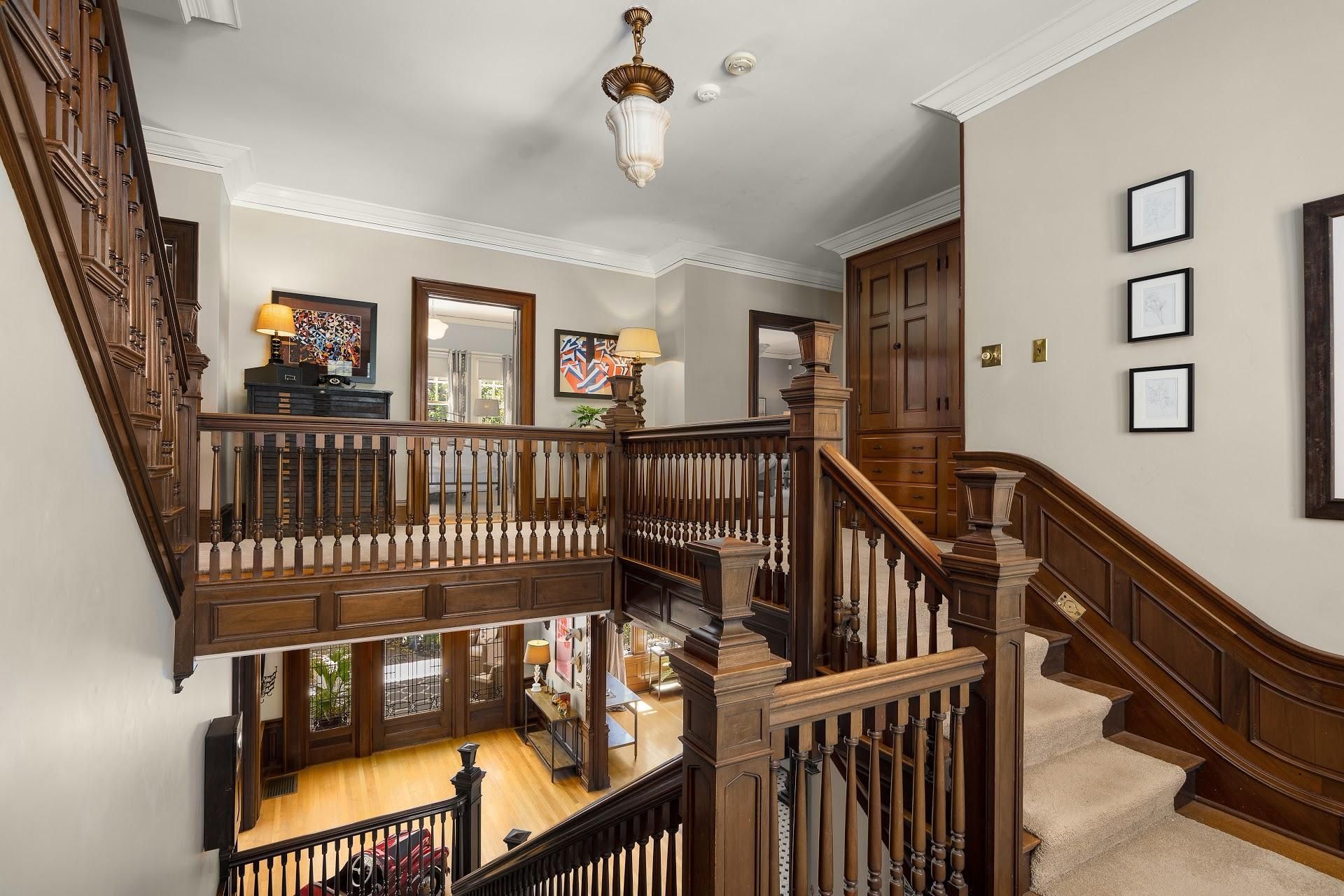
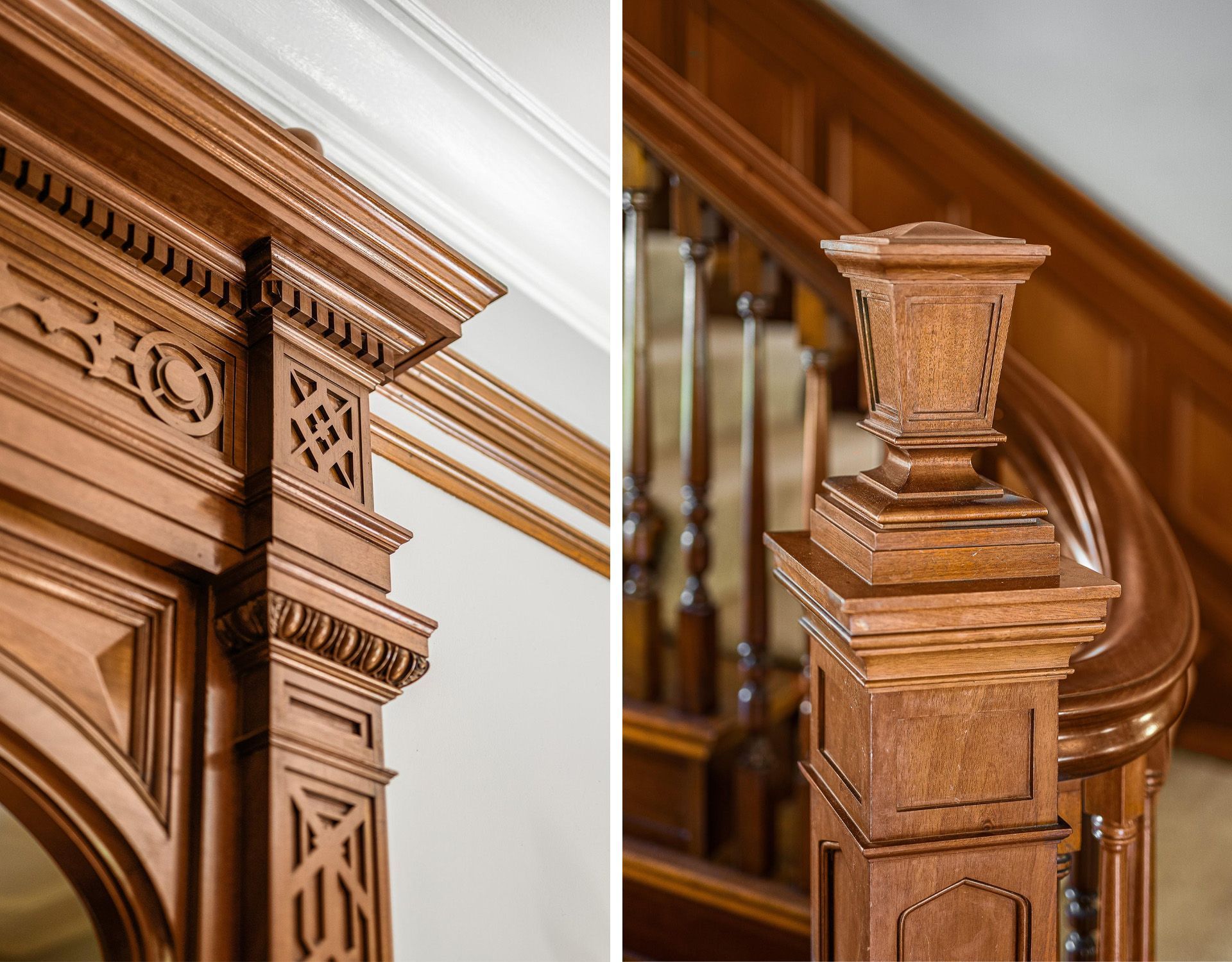
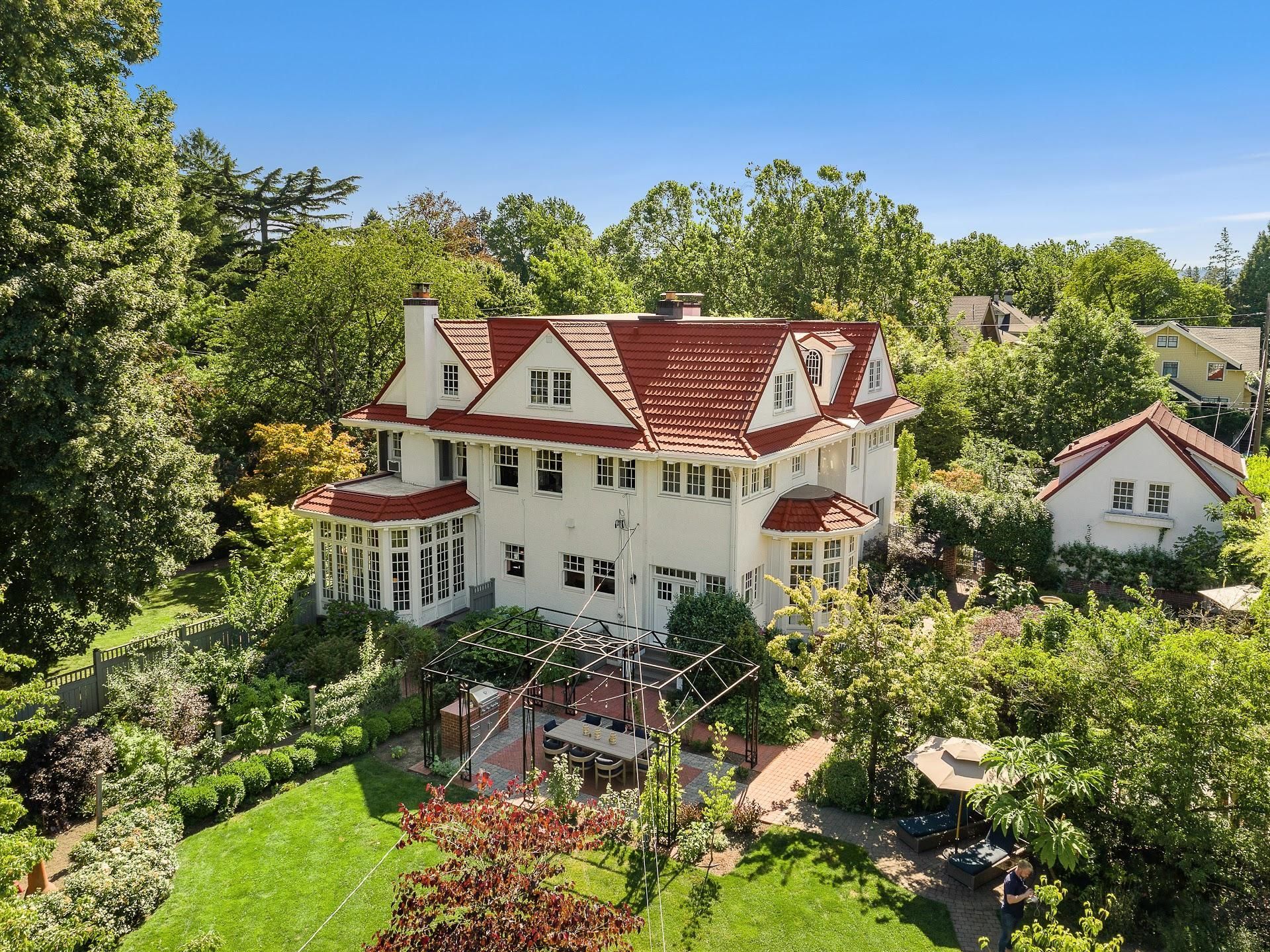
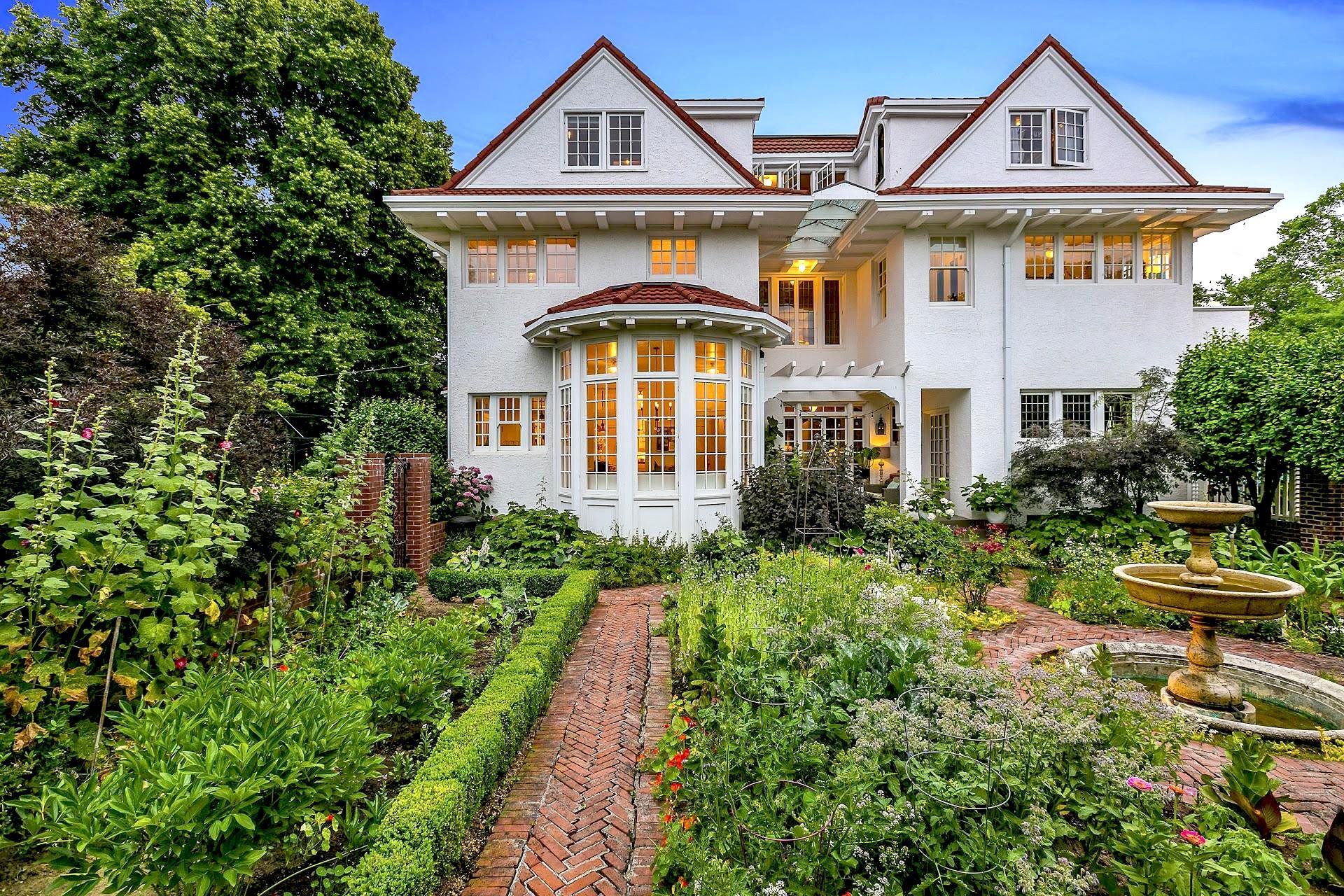
Set prominently within Portland’s Irvington Historic District, the John and Ellen Bowman House stands as one of the neighborhood’s most recognizable landmarks. Designed in 1916 by Ellis F. Lawrence, the home reflects a thoughtful blend of Colonial Revival formality and Craftsman warmth, with a level of material richness and detail that remains remarkably intact. It was a privilege to work within a structure of this significance—approaching each decision with care for both its history and its continued life as a home.
Arciform’s designers, project managers, carpenters and cabinet makers focused on creating spaces that feel as though they have always belonged, while supporting the way the home is used today.
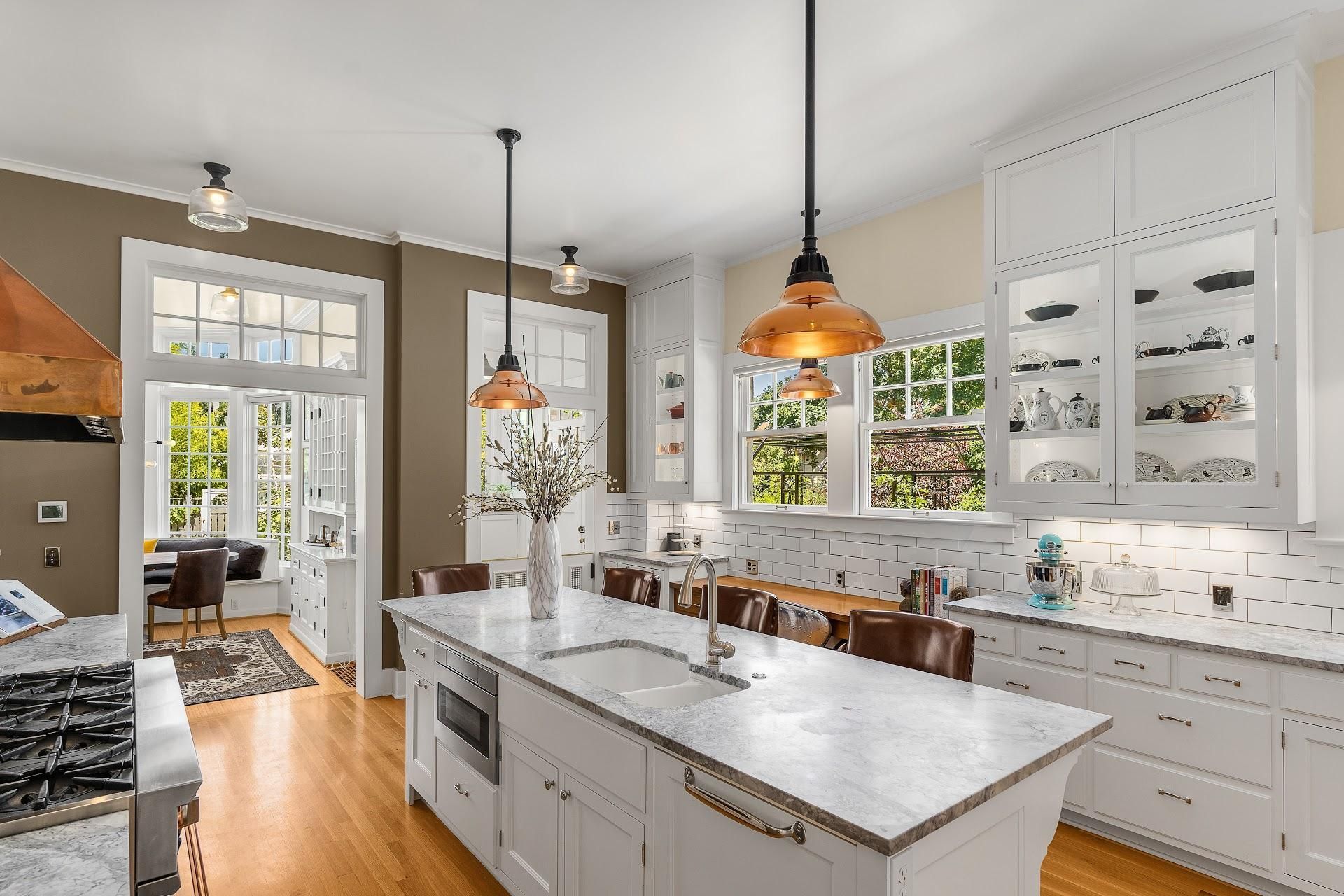
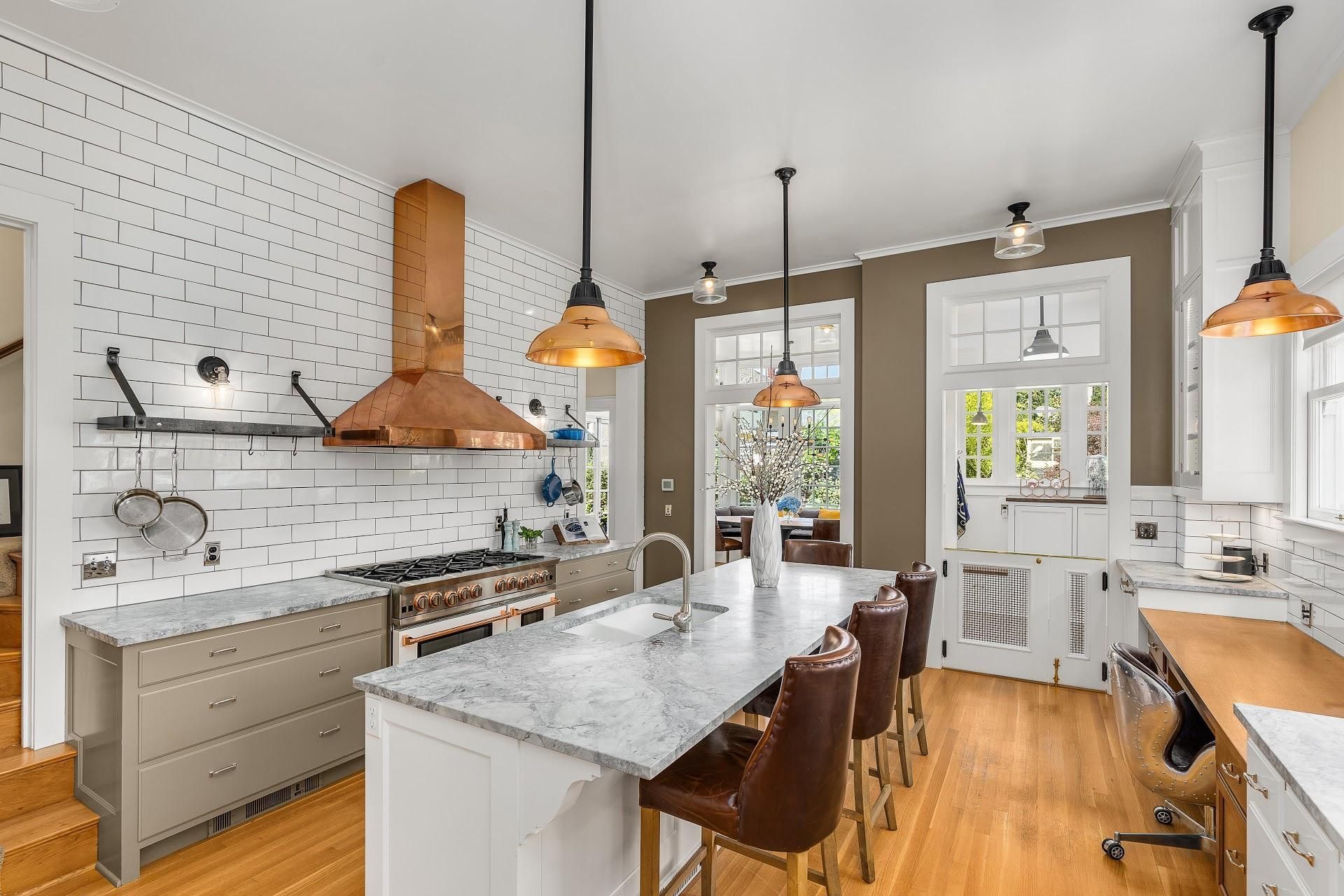
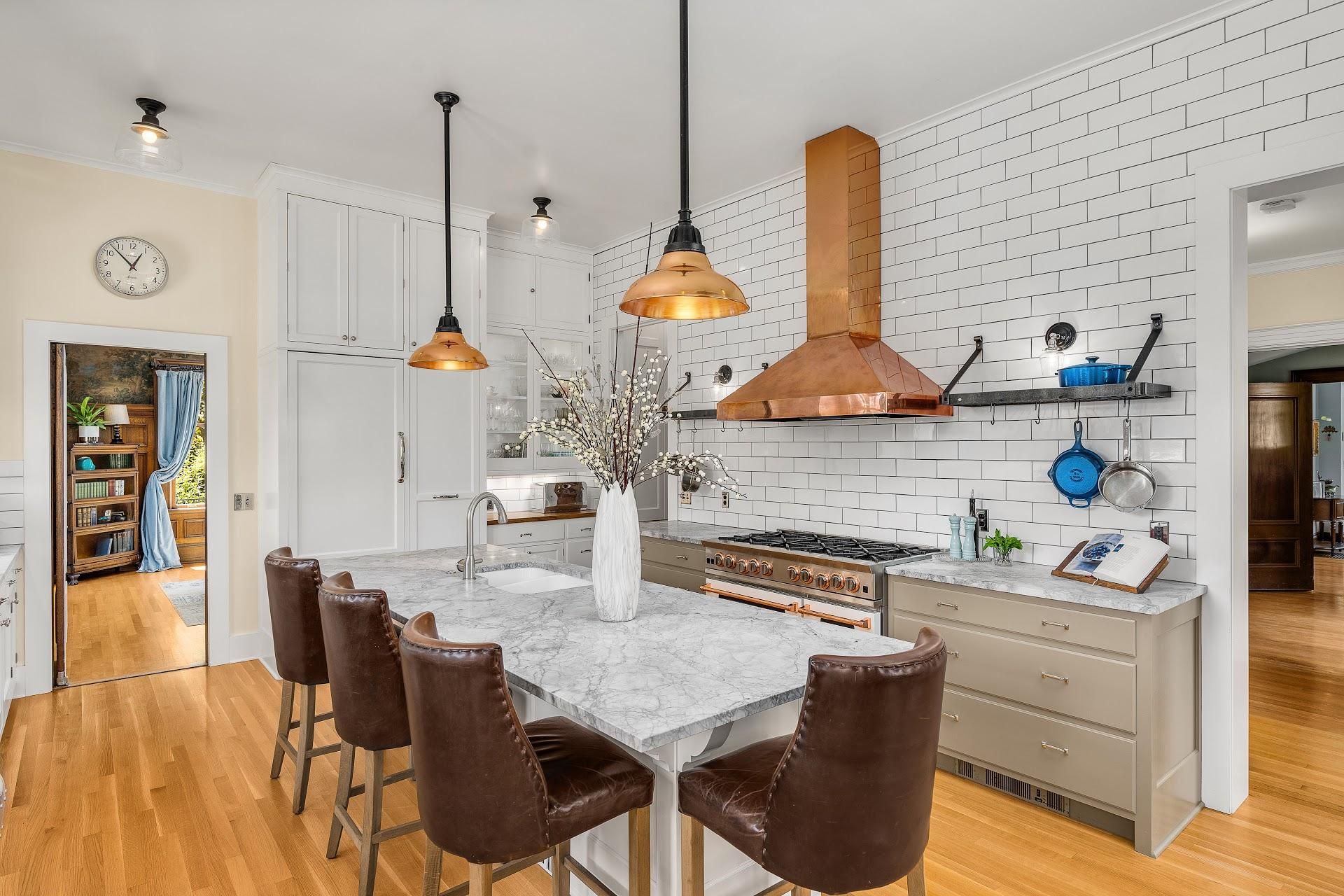
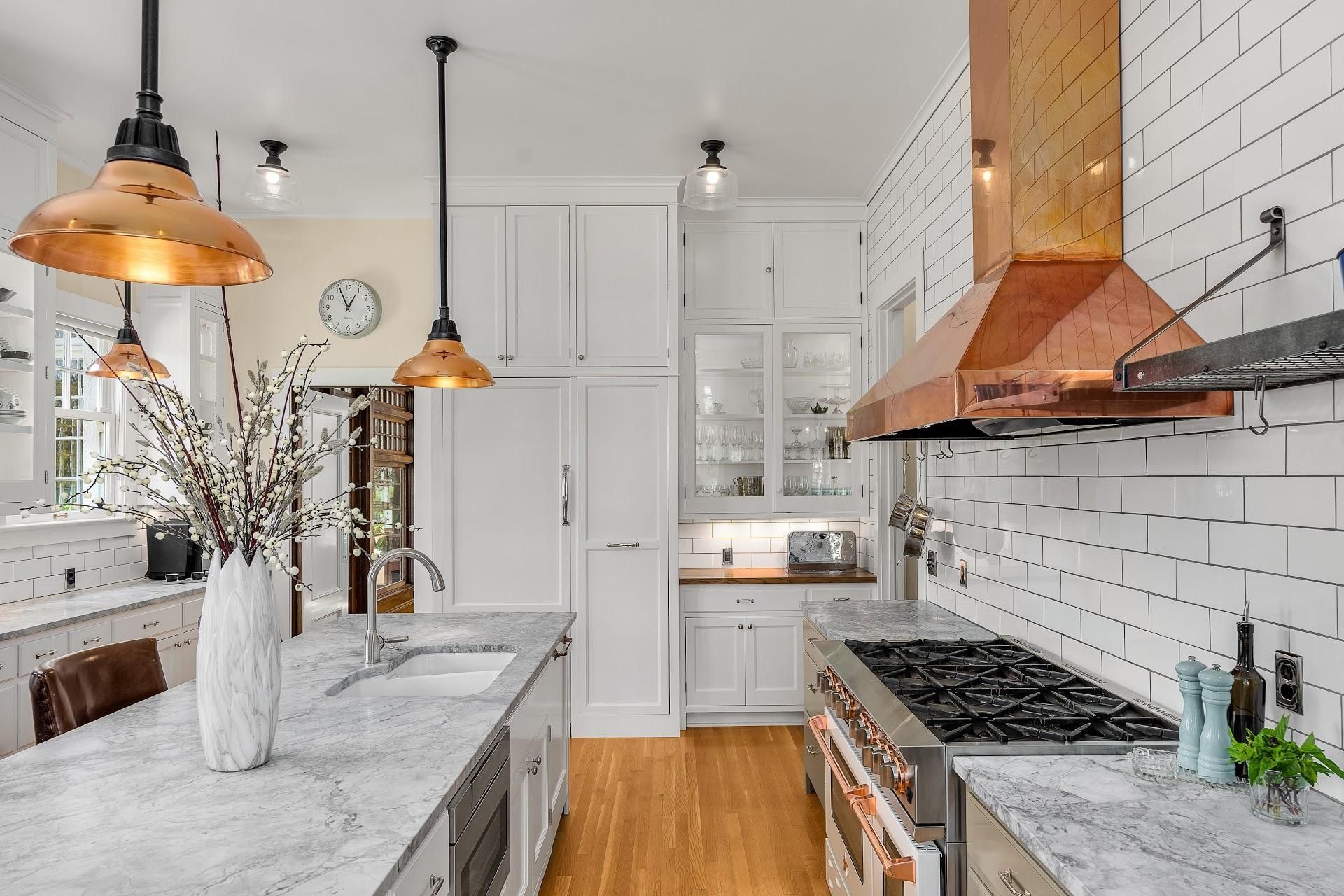
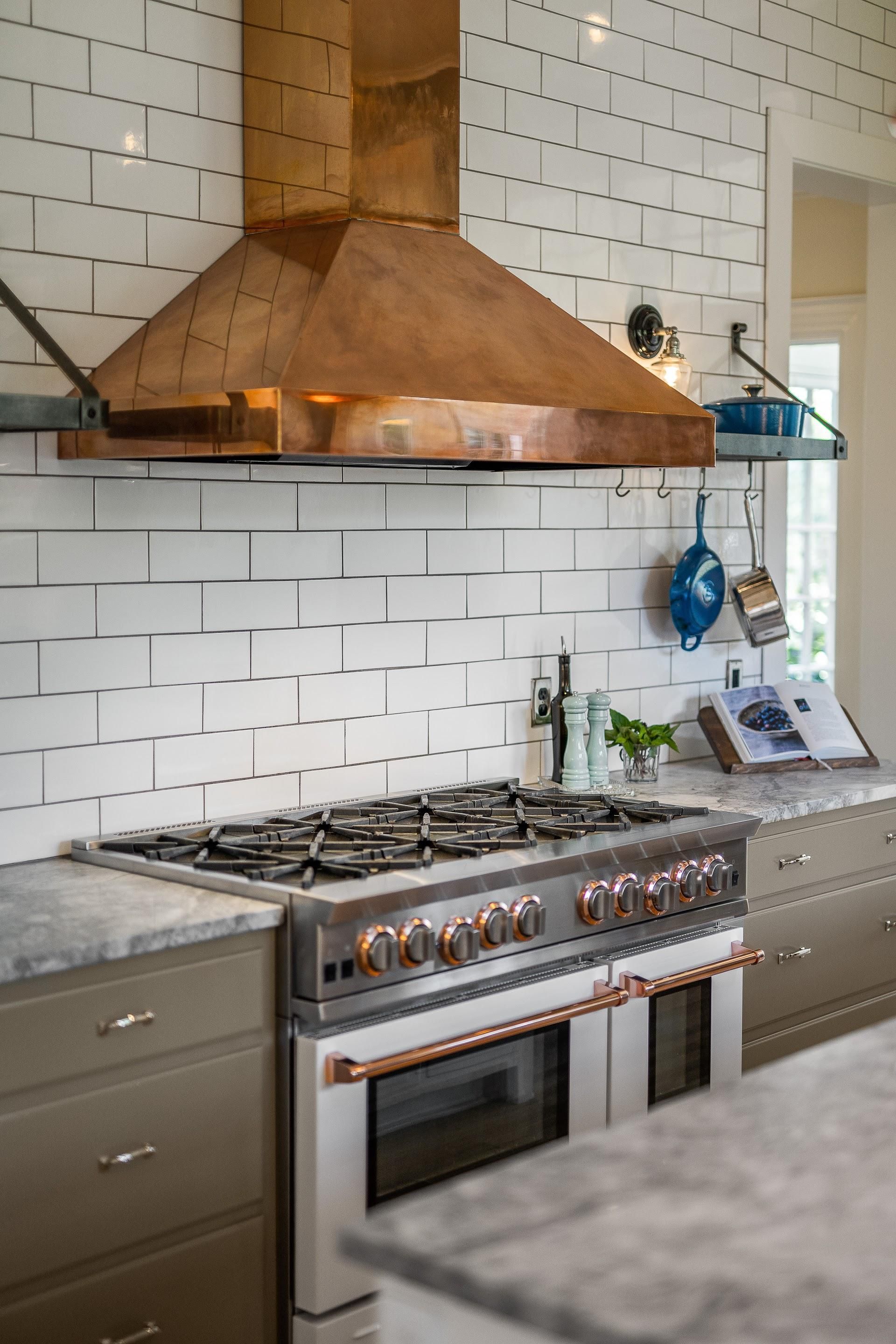
The kitchen was the most substantial transformation. Previously divided into two smaller rooms, the space felt constrained relative to the scale of the house. By opening it up, we established a more generous and connected layout, anchored by a large central island that invites gathering as much as it supports daily use. Original cabinetry from the butler’s pantry was carefully preserved and used as a reference point for new custom cabinetry built in Arciform’s custom woodshop, creating a seamless continuity between old and new. Carrara marble countertops, subway tile carried to the ceiling, and a polished copper range hood, lighting, and accents bring a sense of warmth and refinement. The result is a kitchen that feels rooted in the home’s history, yet comfortably accommodates cooking, entertaining, and everyday life.
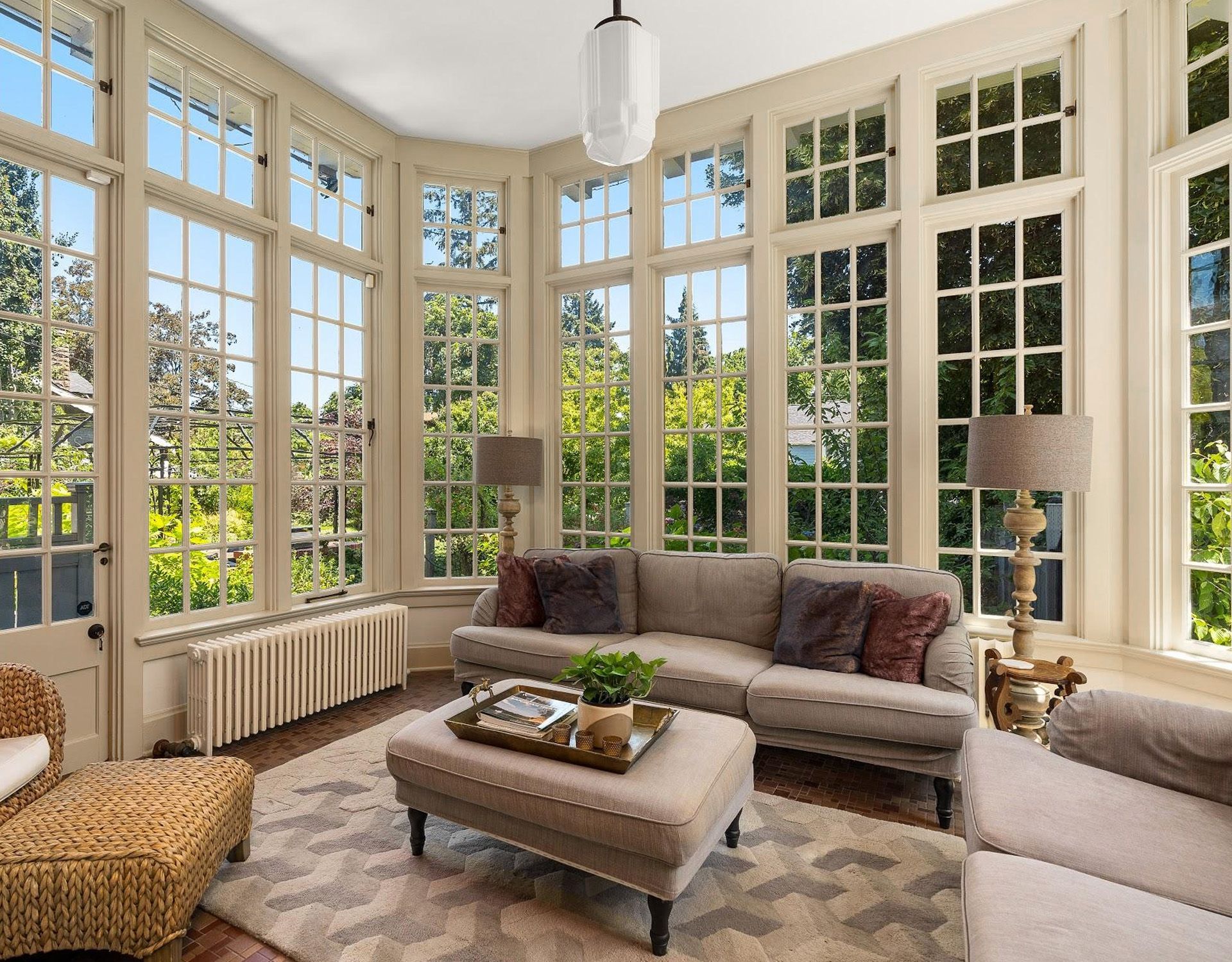
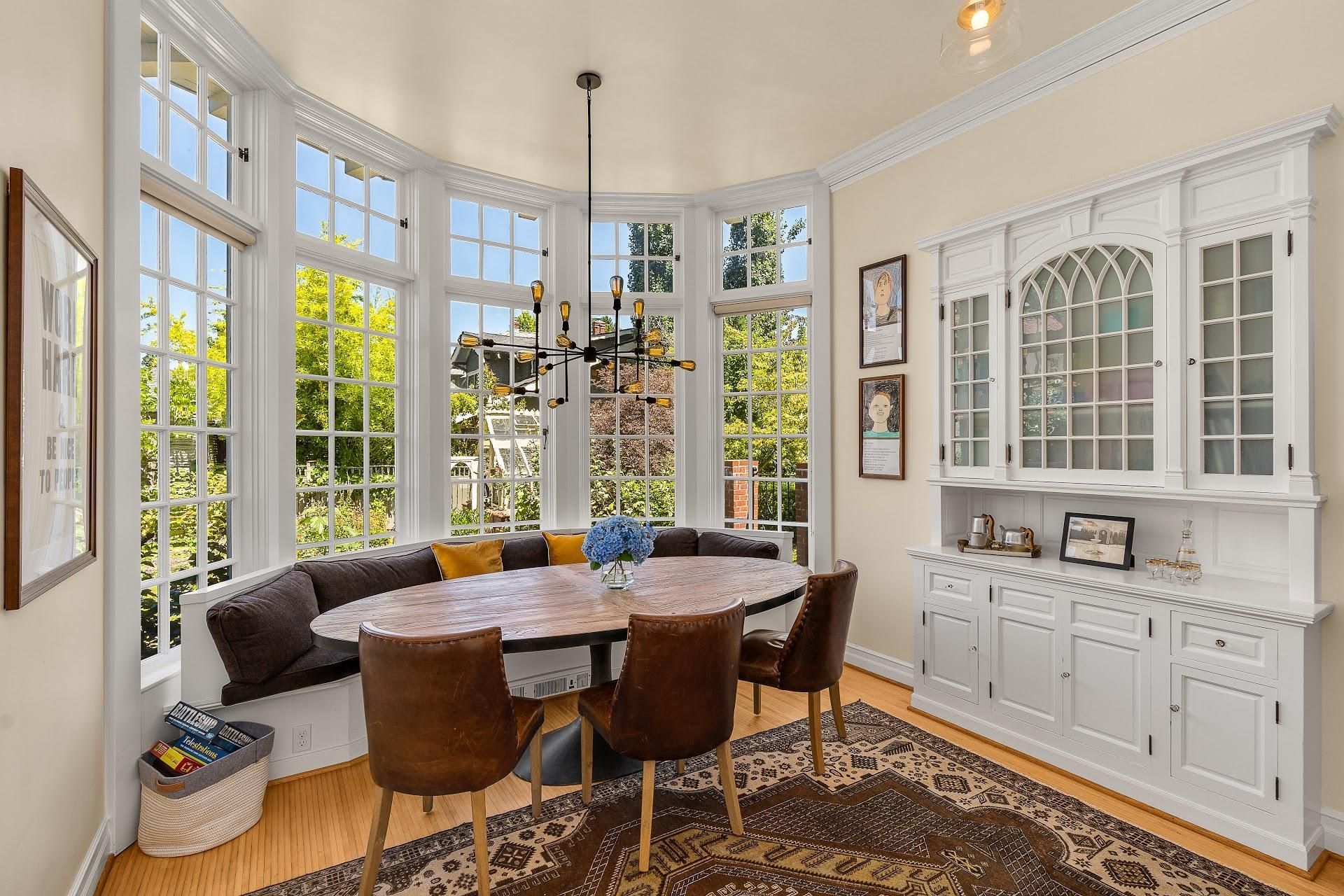
In the adjacent breakfast room, a custom banquette nestles into the bay window, paired with an oval table that softens the geometry of the space and encourages conversation. Nearby, a practical mudroom with a tile floor and custom gate provides a thoughtful transition from garden to kitchen—designed with both function and the rhythms of daily life in mind. The gate was added to help keep the muddy paws of the large family dog from creating a “pattern” on pretty floors.
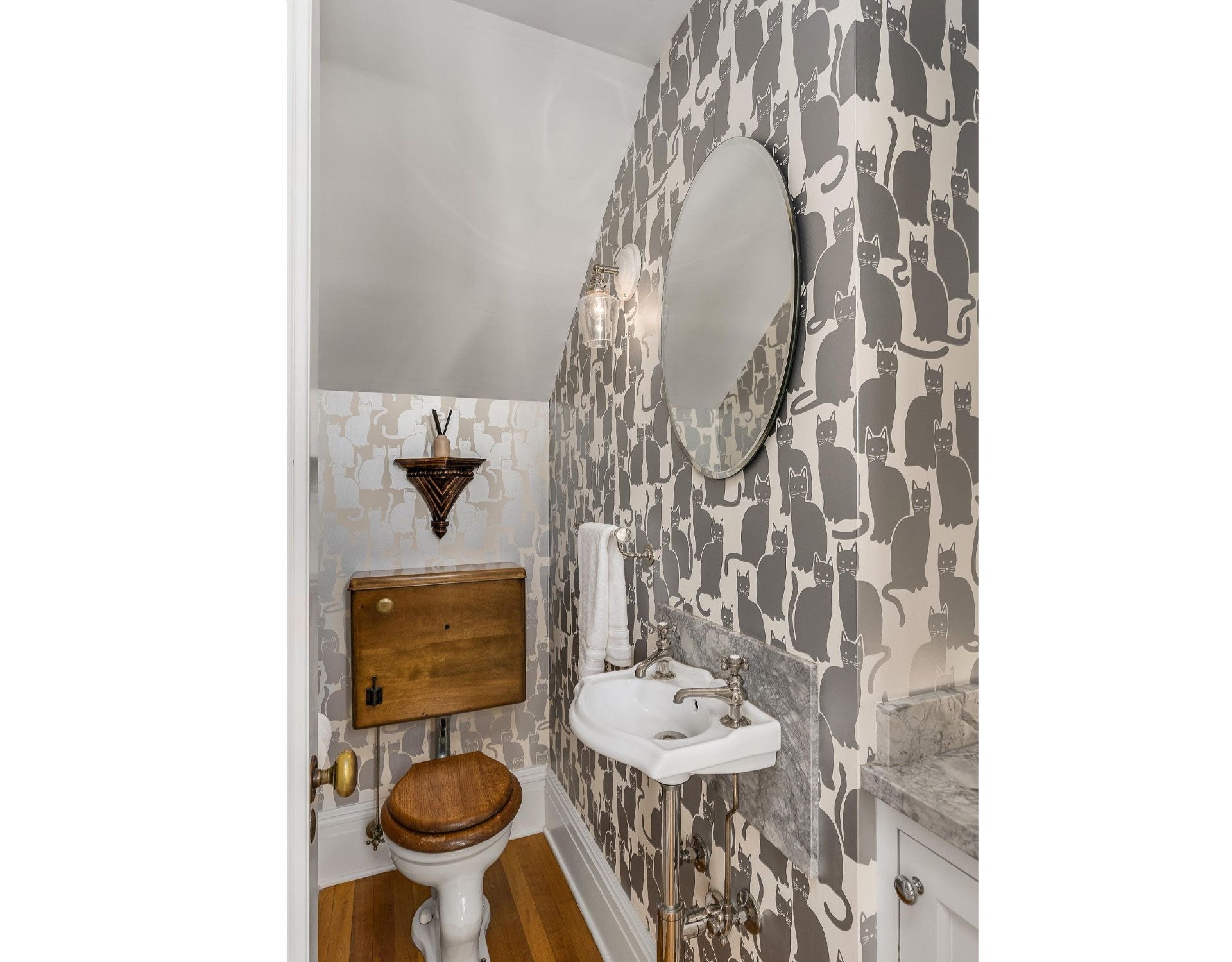
Tucked beneath the stairs, a new powder room offers a moment of charm and surprise. The little space perfectly reflects why the clients chose Arciform as the contractor team to execute their vision as we are known for our love of vintage and historic. The original wood tank toilet was preserved, complemented by a petite sink with separate hot and cold faucets and a playful silver-foil wallpaper that brings a bit of the client’s personality to the space.
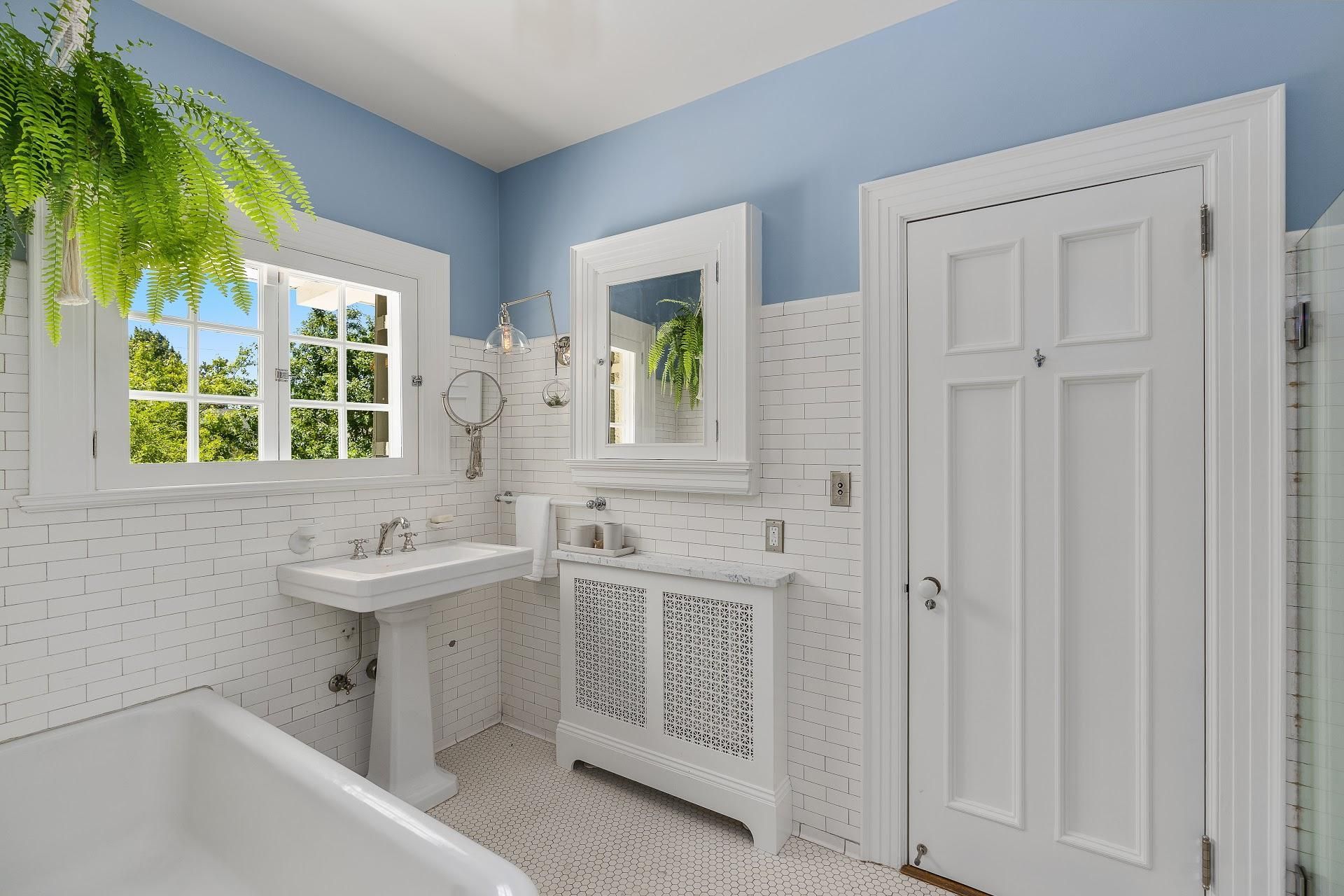
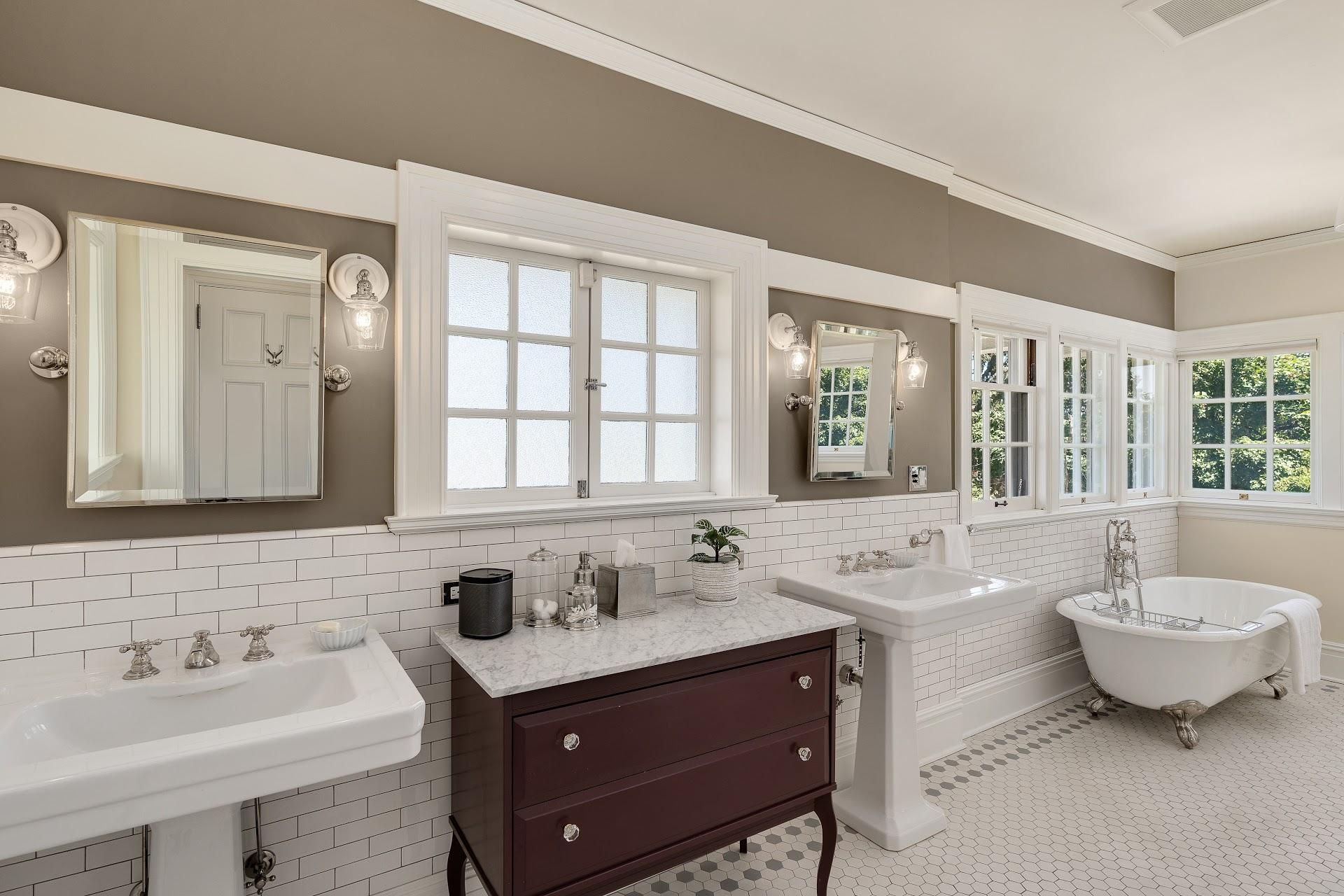
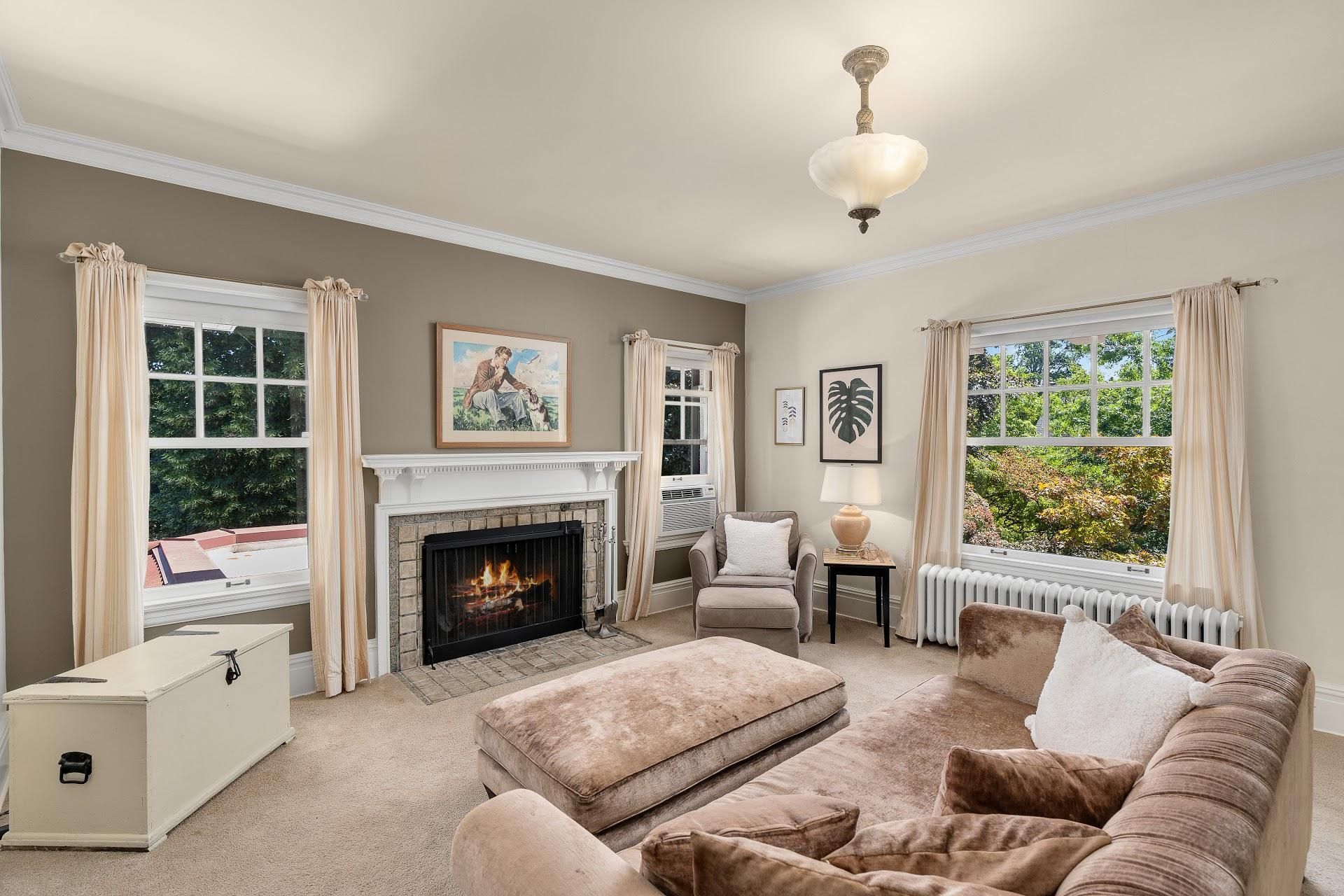
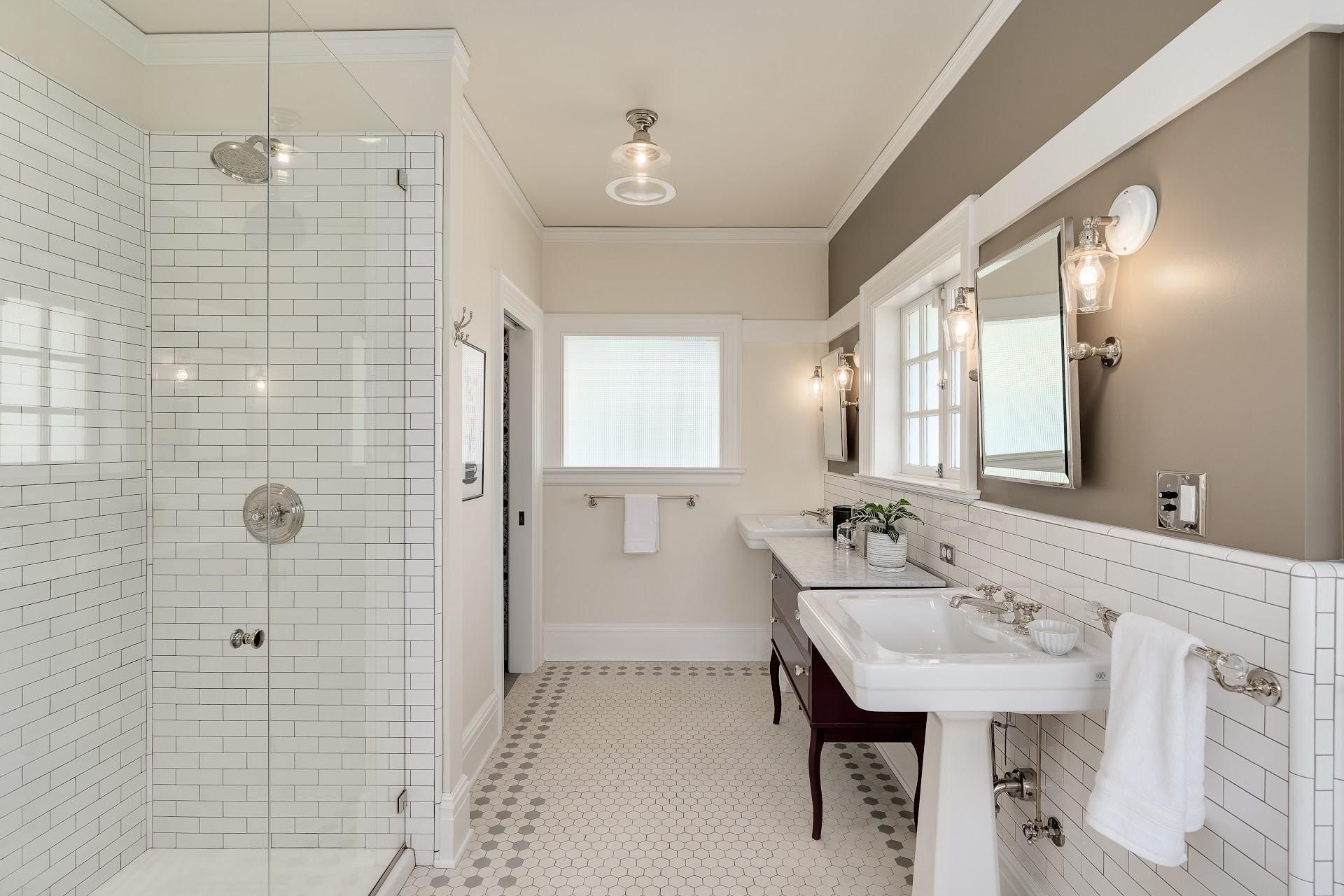
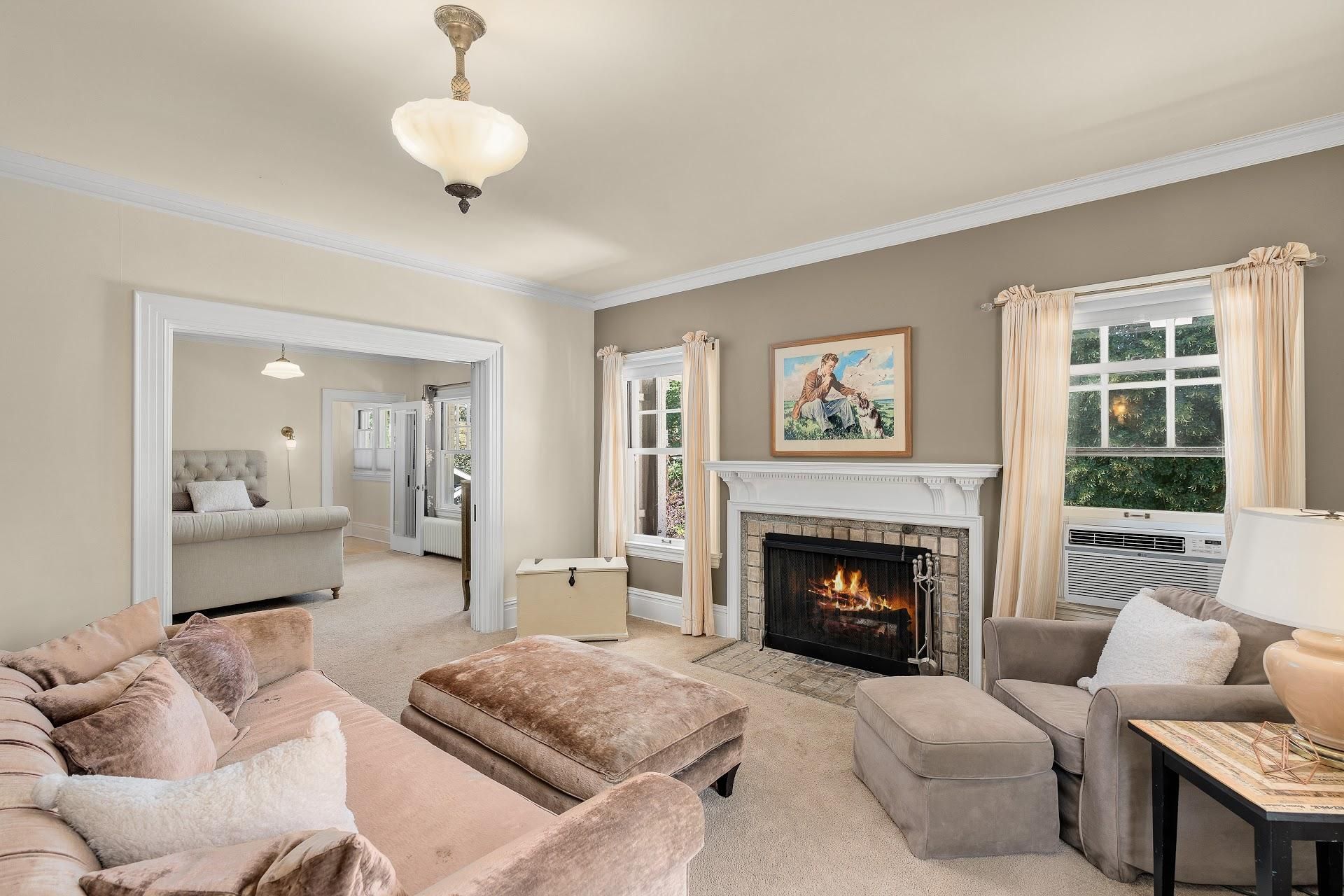
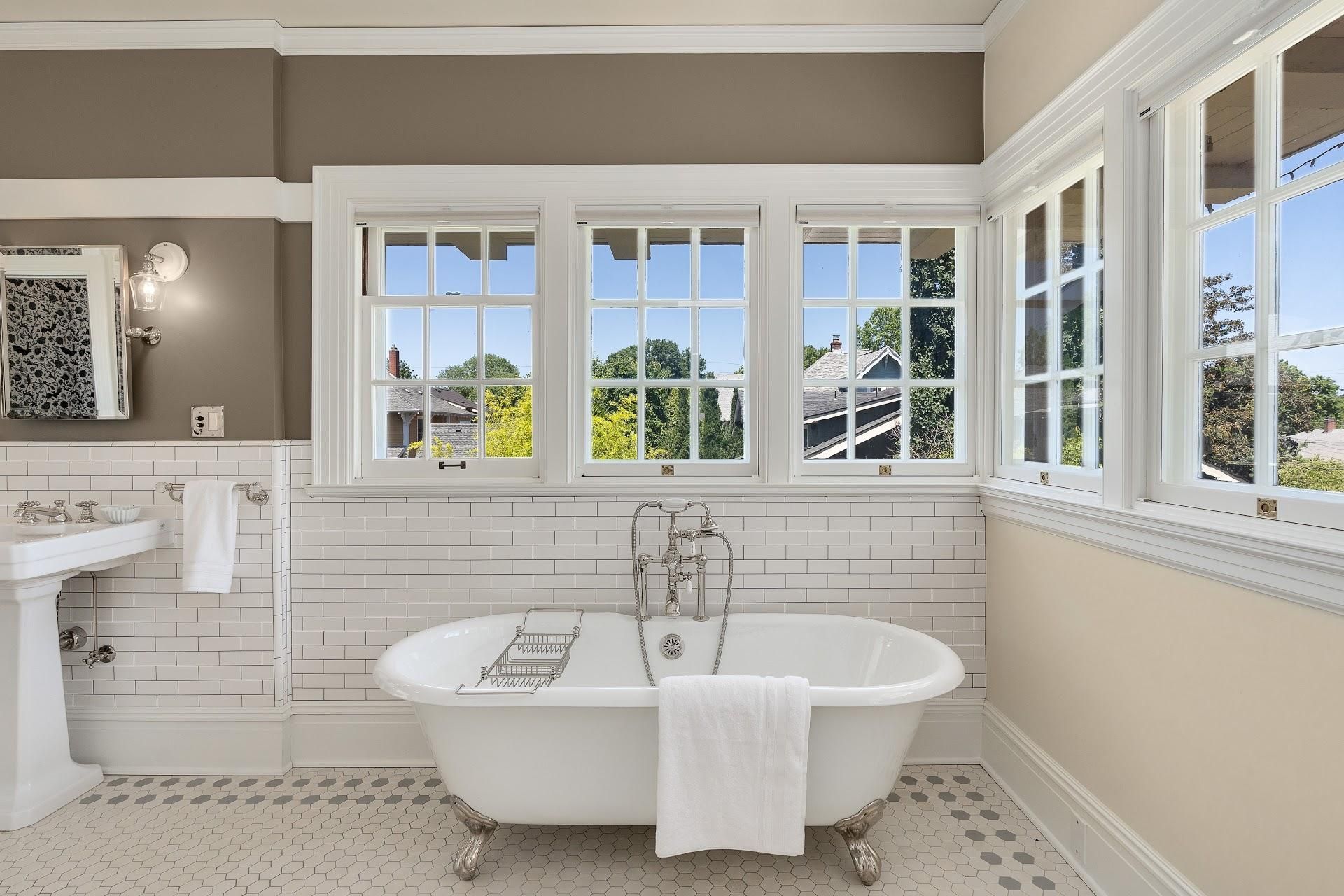
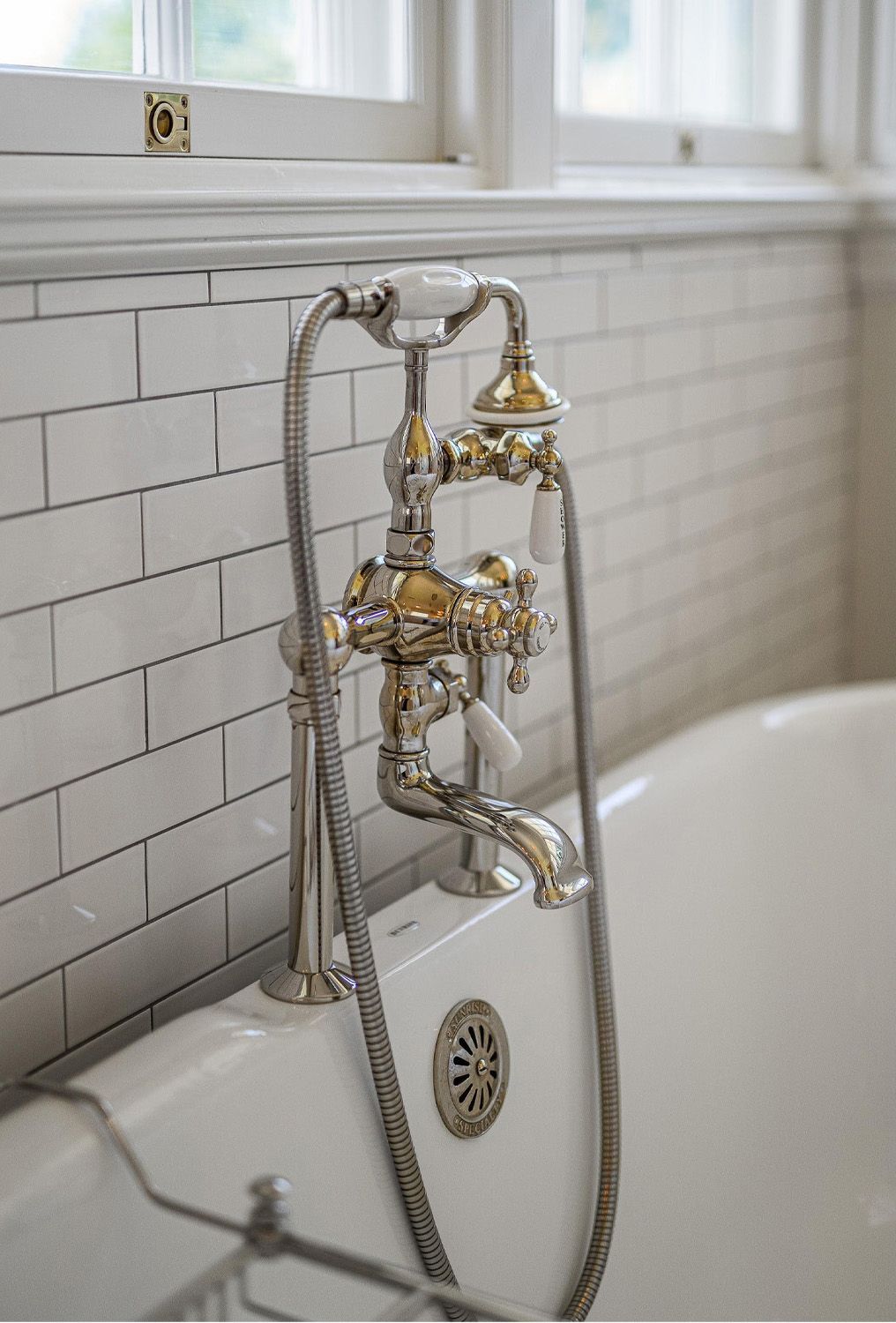
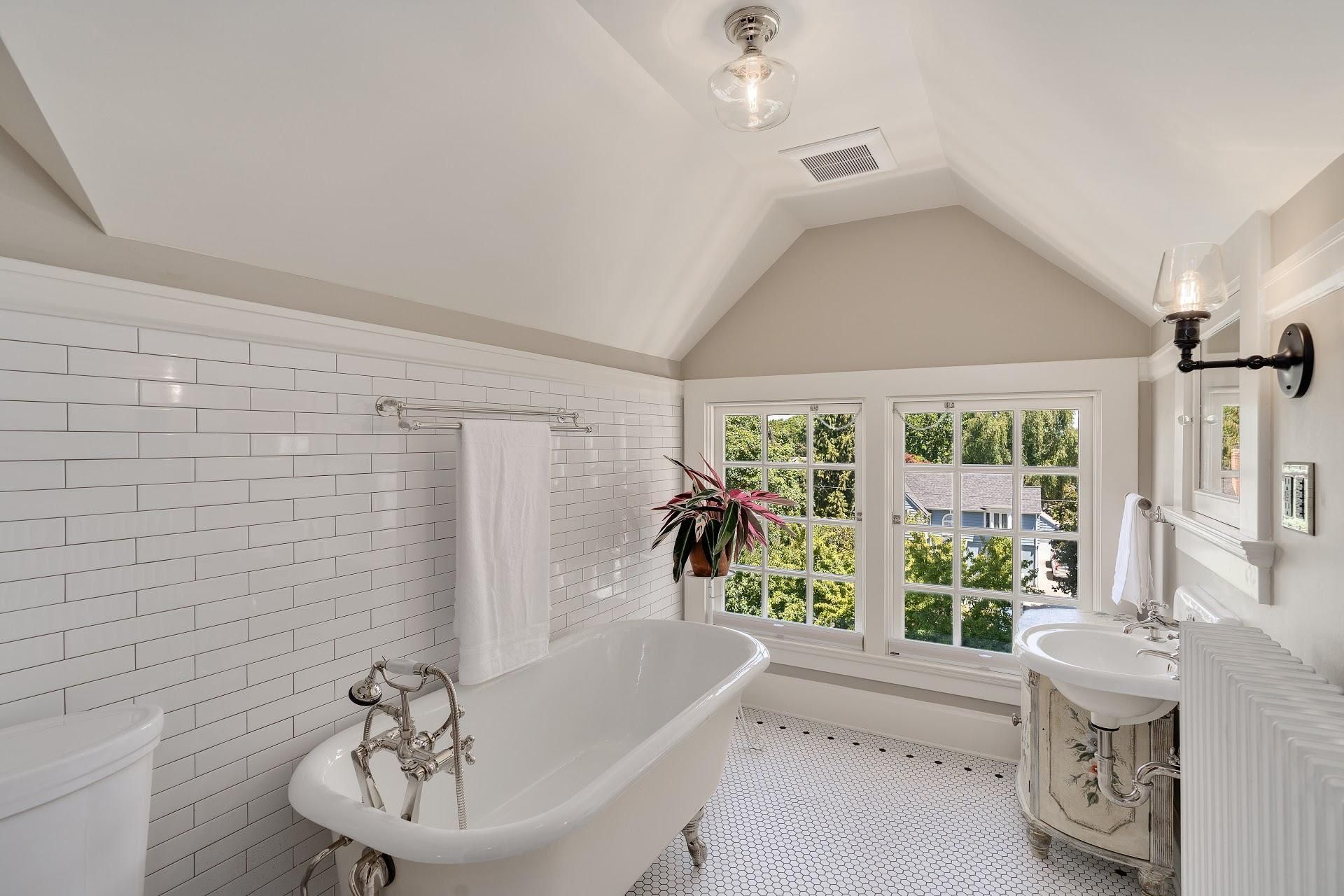
Upstairs, the work continues with a light touch. The existing hall bathroom was restored using its original tile, maintaining its historic character so fully that it feels untouched. Additionally, a former sleeping porch was reimagined as a new primary bath and dressing space. As quite often, period-inspired materials guide Arciform’s designs—large hex tile underfoot, subway tile at the walls, pedestal sinks, a clawfoot tub, and a spacious shower—while restored windows and nickel hardware reinforce a sense of continuity. The space feels consistent with the era of the home, while offering the comfort and function expected today.
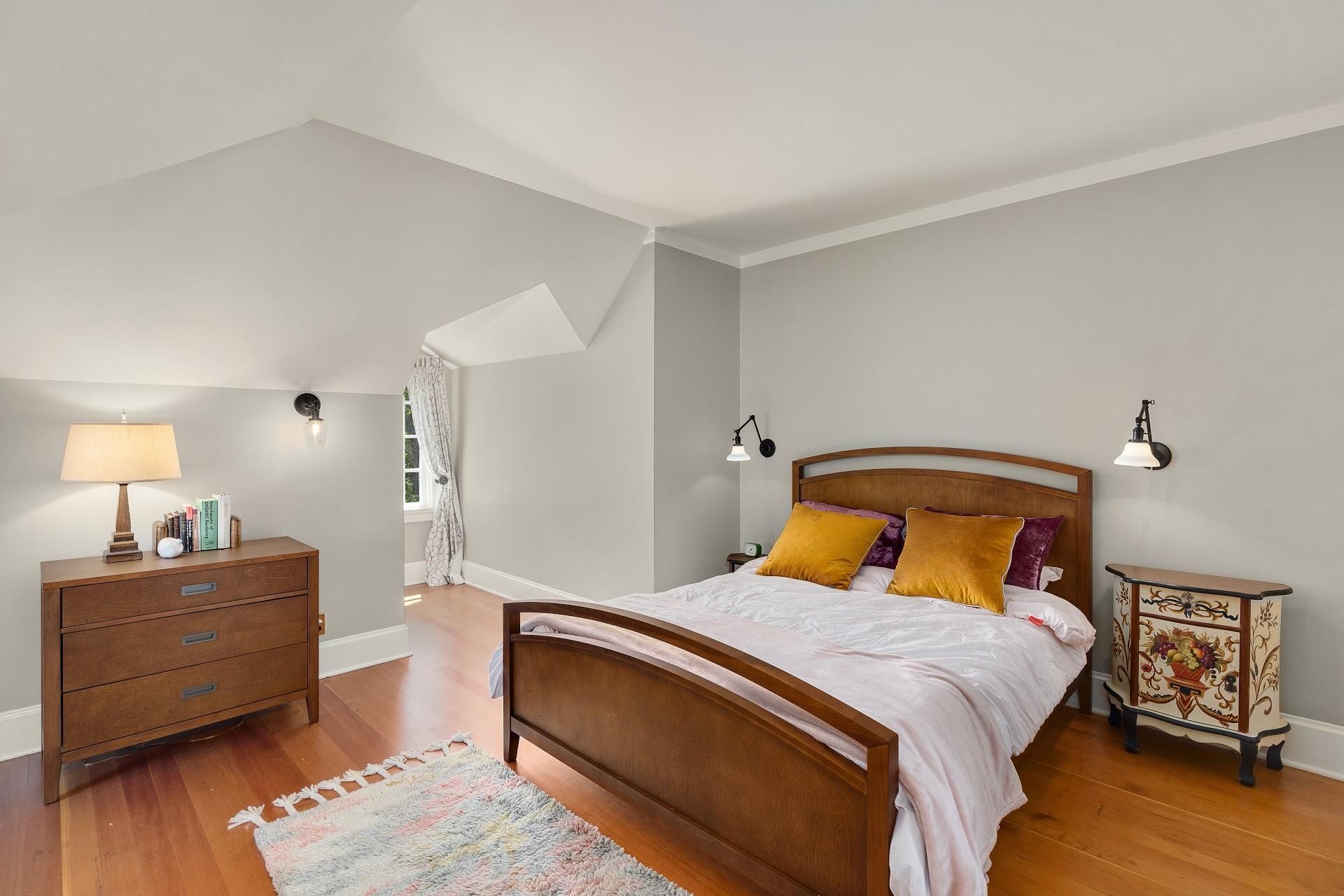
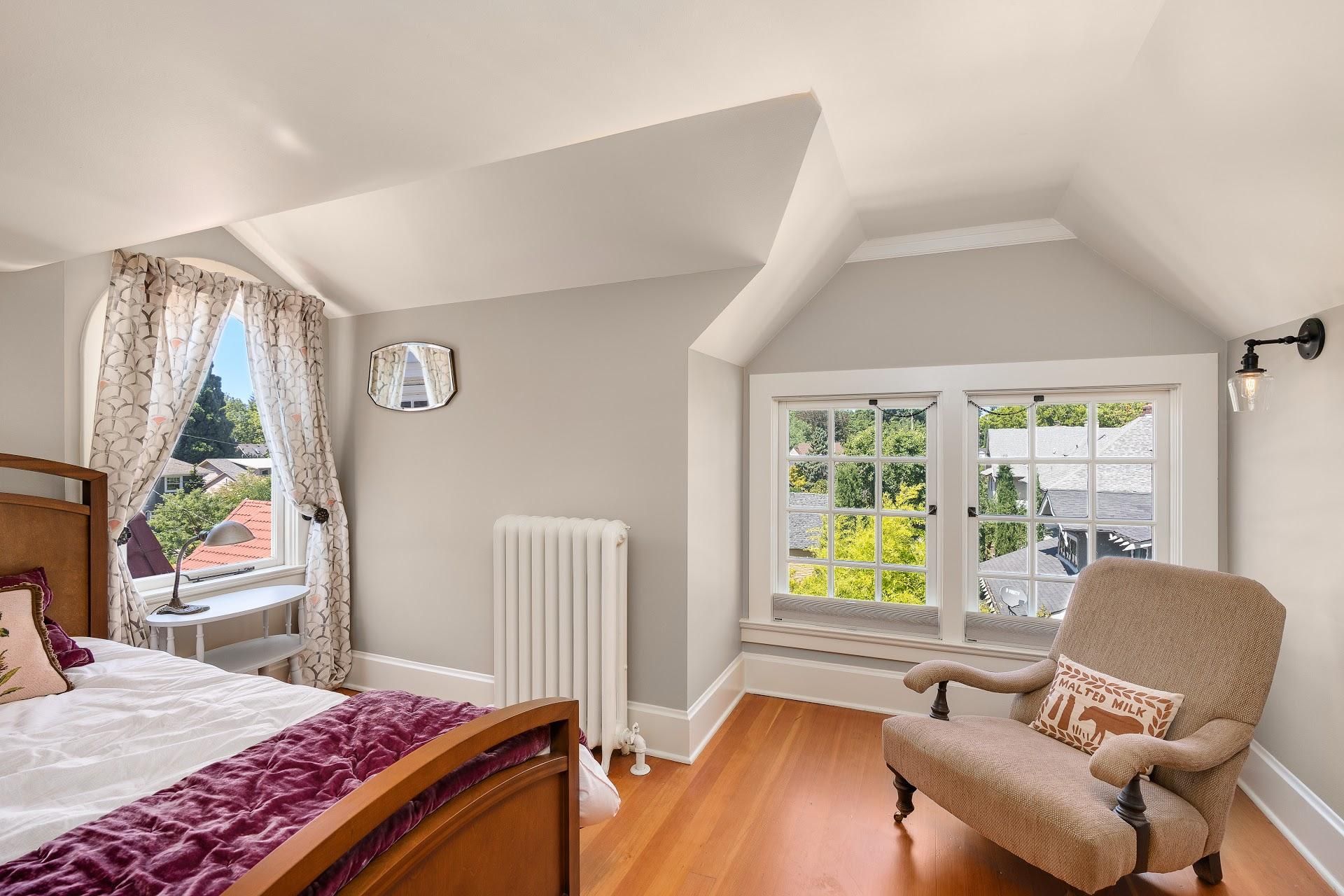
On the third floor, a large ballroom and adjacent hall of former servants’ rooms presented another opportunity for thoughtful renewal. Each bedroom was restored as a welcoming guest space, and the shared bath was remodeled using the same vocabulary of period materials, resulting in a cohesive suite that feels original to the house.
Beyond the interior, we worked closely with the homeowners and the City to develop a new plan for the driveway and carriage house—ensuring that updates aligned with historic district guidelines while supporting contemporary use of the property.
Throughout the project, the goal was consistency—of scale, of material, and of intent. Each intervention was guided by what the house already offered, allowing new work to sit comfortably alongside the old. It’s a home with a strong point of view, and our role was to listen carefully, respond thoughtfully, and help it continue forward with clarity and purpose.
Set prominently within Portland’s Irvington Historic District, the John and Ellen Bowman House stands as one of the neighborhood’s most recognizable landmarks. Designed in 1916 by Ellis F. Lawrence, the home reflects a thoughtful blend of Colonial Revival formality and Craftsman warmth, with a level of material richness and detail that remains remarkably intact. It was a privilege to work within a structure of this significance—approaching each decision with care for both its history and its continued life as a home.
Arciform’s designers, project managers, carpenters and cabinet makers focused on creating spaces that feel as though they have always belonged, while supporting the way the home is used today.
The kitchen was the most substantial transformation. Previously divided into two smaller rooms, the space felt constrained relative to the scale of the house. By opening it up, we established a more generous and connected layout, anchored by a large central island that invites gathering as much as it supports daily use. Original cabinetry from the butler’s pantry was carefully preserved and used as a reference point for new custom cabinetry built in Arciform’s custom woodshop, creating a seamless continuity between old and new. Carrara marble countertops, subway tile carried to the ceiling, and a polished copper range hood, lighting, and accents bring a sense of warmth and refinement. The result is a kitchen that feels rooted in the home’s history, yet comfortably accommodates cooking, entertaining, and everyday life.
In the adjacent breakfast room, a custom banquette nestles into the bay window, paired with an oval table that softens the geometry of the space and encourages conversation. Nearby, a practical mudroom with a tile floor and custom gate provides a thoughtful transition from garden to kitchen—designed with both function and the rhythms of daily life in mind. The gate was added to help keep the muddy paws of the large family dog from creating a “pattern” on pretty floors.
Tucked beneath the stairs, a new powder room offers a moment of charm and surprise. The little space perfectly reflects why the clients chose Arciform as the contractor team to execute their vision as we are known for our love of vintage and historic. The original wood tank toilet was preserved, complemented by a petite sink with separate hot and cold faucets and a playful silver-foil wallpaper that brings a bit of the client’s personality to the space.
Upstairs, the work continues with a light touch. The existing hall bathroom was restored using its original tile, maintaining its historic character so fully that it feels untouched. Additionally, a former sleeping porch was reimagined as a new primary bath and dressing space. As quite often, period-inspired materials guide Arciform’s designs—large hex tile underfoot, subway tile at the walls, pedestal sinks, a clawfoot tub, and a spacious shower—while restored windows and nickel hardware reinforce a sense of continuity. The space feels consistent with the era of the home, while offering the comfort and function expected today.
On the third floor, a large ballroom and adjacent hall of former servants’ rooms presented another opportunity for thoughtful renewal. Each bedroom was restored as a welcoming guest space, and the shared bath was remodeled using the same vocabulary of period materials, resulting in a cohesive suite that feels original to the house.
Beyond the interior, we worked closely with the homeowners and the City to develop a new plan for the driveway and carriage house—ensuring that updates aligned with historic district guidelines while supporting contemporary use of the property.
Throughout the project, the goal was consistency—of scale, of material, and of intent. Each intervention was guided by what the house already offered, allowing new work to sit comfortably alongside the old. It’s a home with a strong point of view, and our role was to listen carefully, respond thoughtfully, and help it continue forward with clarity and purpose.