
A Dependable Contractor for Kenton's Well-Built Conservation District Homes
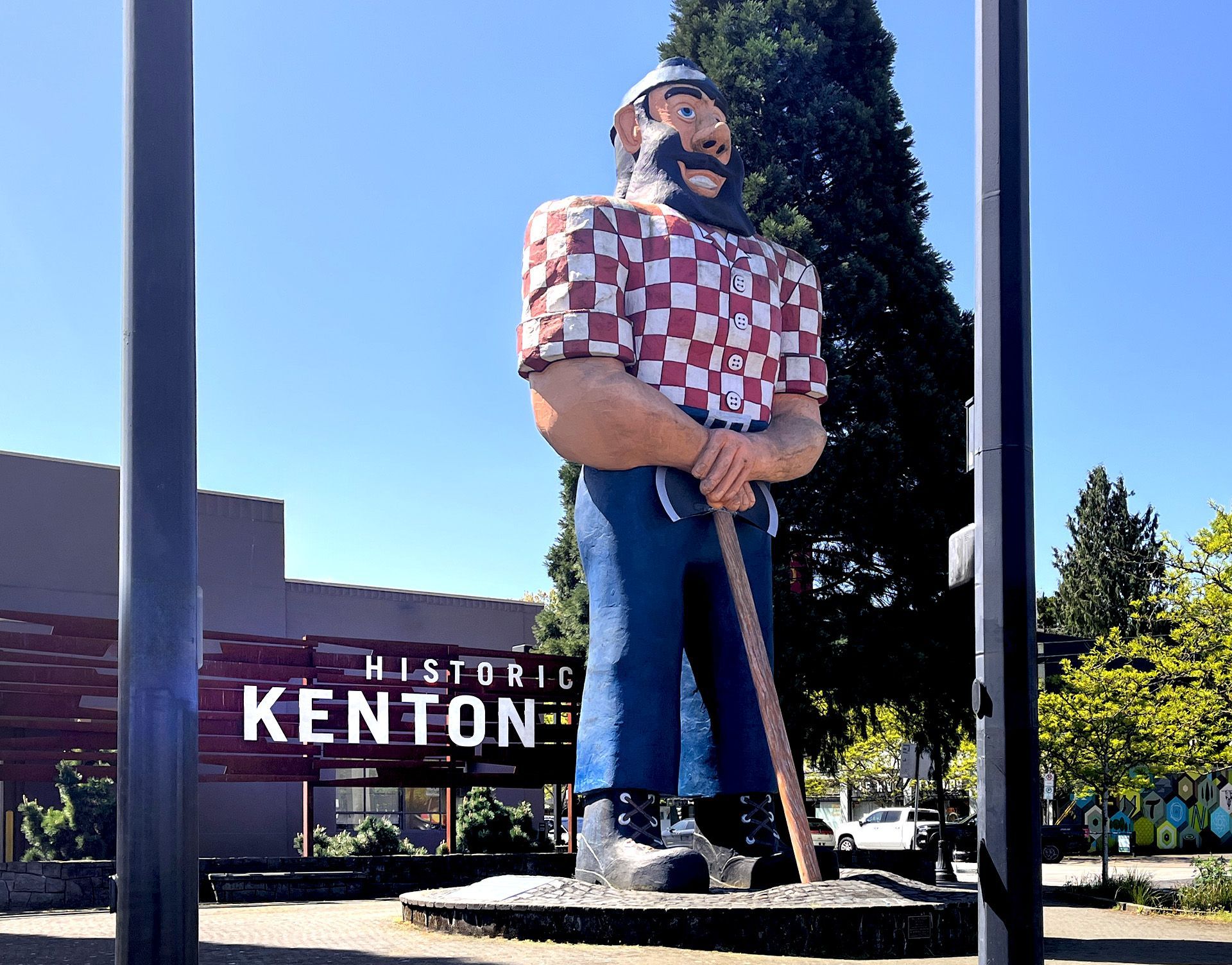
Renovating in Kenton
Eliot sits in the heart of what was once the city of Albina, Portland’s fastest-growing township in the late 1800s. The neighborhood’s residential streets are lined with Victorians, Queen Annes, Craftsman bungalows, and early Foursquares, many dating to the 1880s and 1890s. It’s one of the most architecturally diverse neighborhoods in the city.
Eliot also carries a layered history that goes beyond architecture. The neighborhood has deep significance to Portland’s Black community, and it has experienced more change than almost any other part of the city over the past 60 years. I-5 construction in the 1960s, the Emanuel Hospital expansion in the 1970s, and decades of urban renewal reshaped entire blocks. The homes that remain from the original era are worth preserving with care.
Today, Eliot is one of Portland’s most dynamic neighborhoods, with the Williams and Mississippi commercial corridors bringing new energy to an area with roots that go back over 140 years. Renovating here means understanding both the architecture and the context it sits in.
What Makes Kenton a Conservation District?
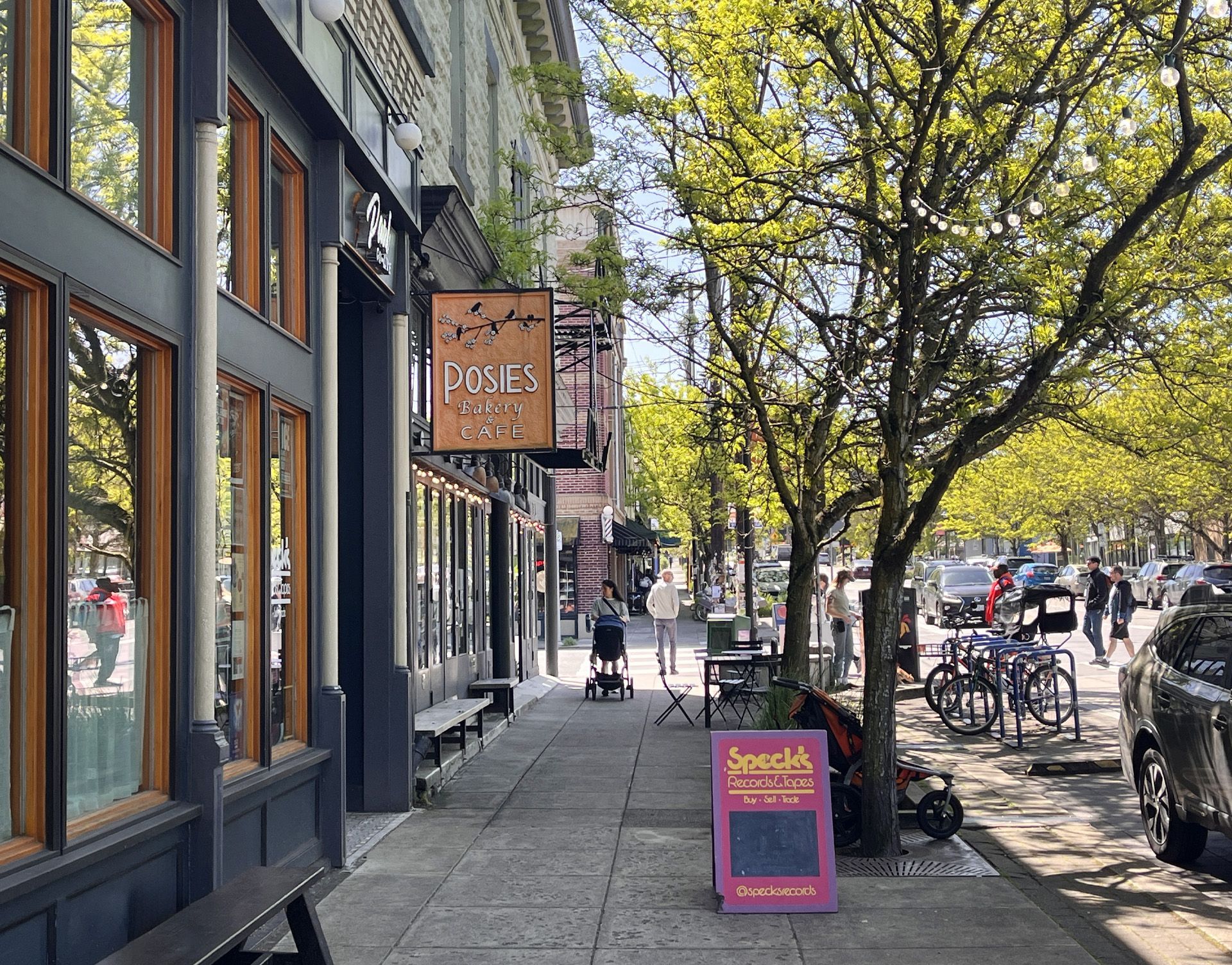
Kenton was designated as a Conservation District in 1993 as part of the Albina Community Plan. The district recognizes both the residential architecture and the historic commercial buildings along N Denver Avenue, which together tell the story of a planned company town that evolved into an independent neighborhood.
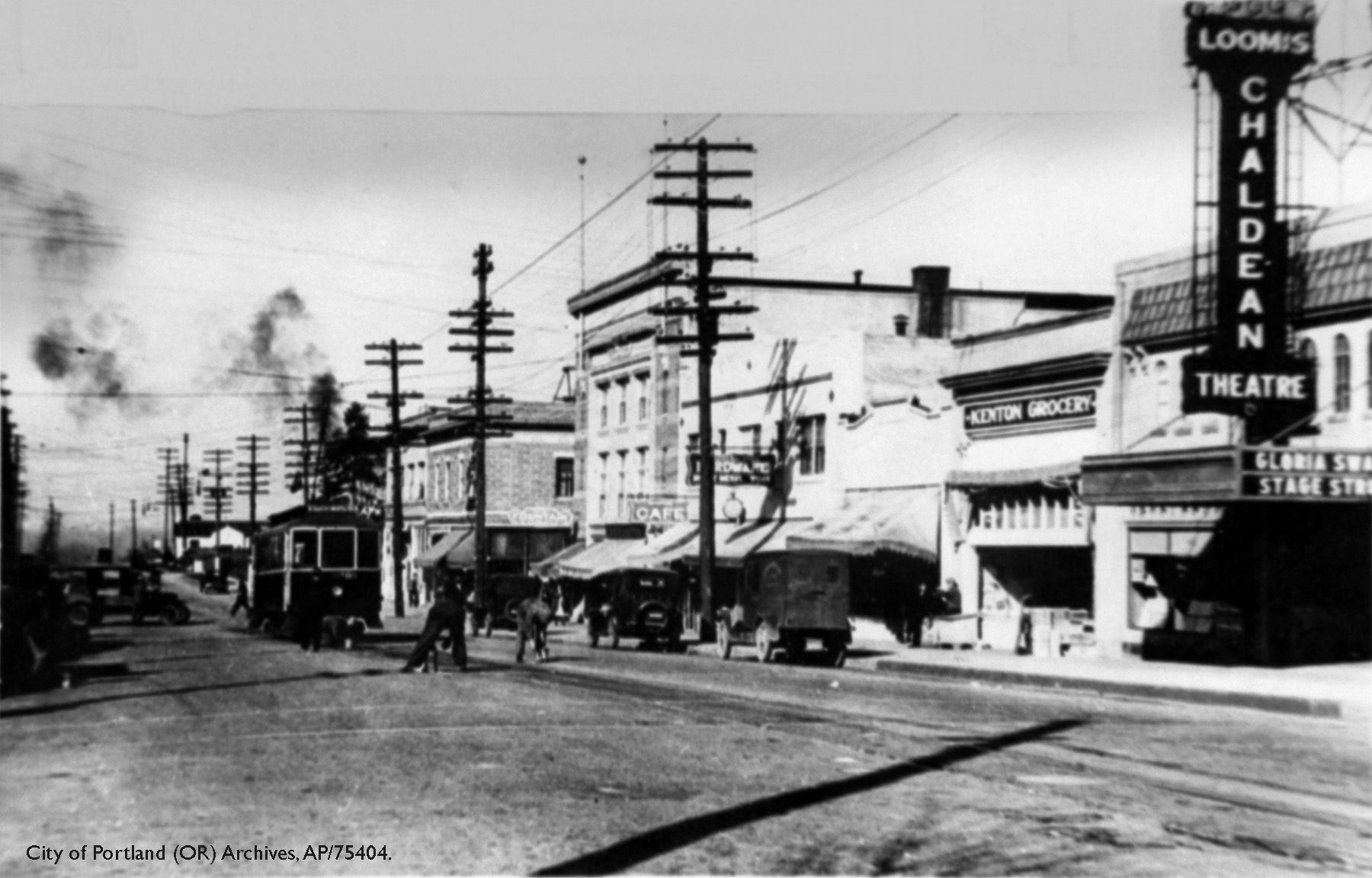
Contributing properties in the district include the Craftsman bungalows and Foursquares on the residential streets as well as the rusticated concrete-block commercial buildings that Swift and Company built to evoke the stone architecture of eastern Oregon cattle towns. The Kenton Commercial Historic District was separately listed on the National Register in 2001.
We’ve written a detailed guide to help you understand Portland’s historic home designations and the review process, including how Conservation District rules affect your renovation plans and how Arciform navigates the approval process on your behalf.
What Conservation District Rules Mean for Your Renovation
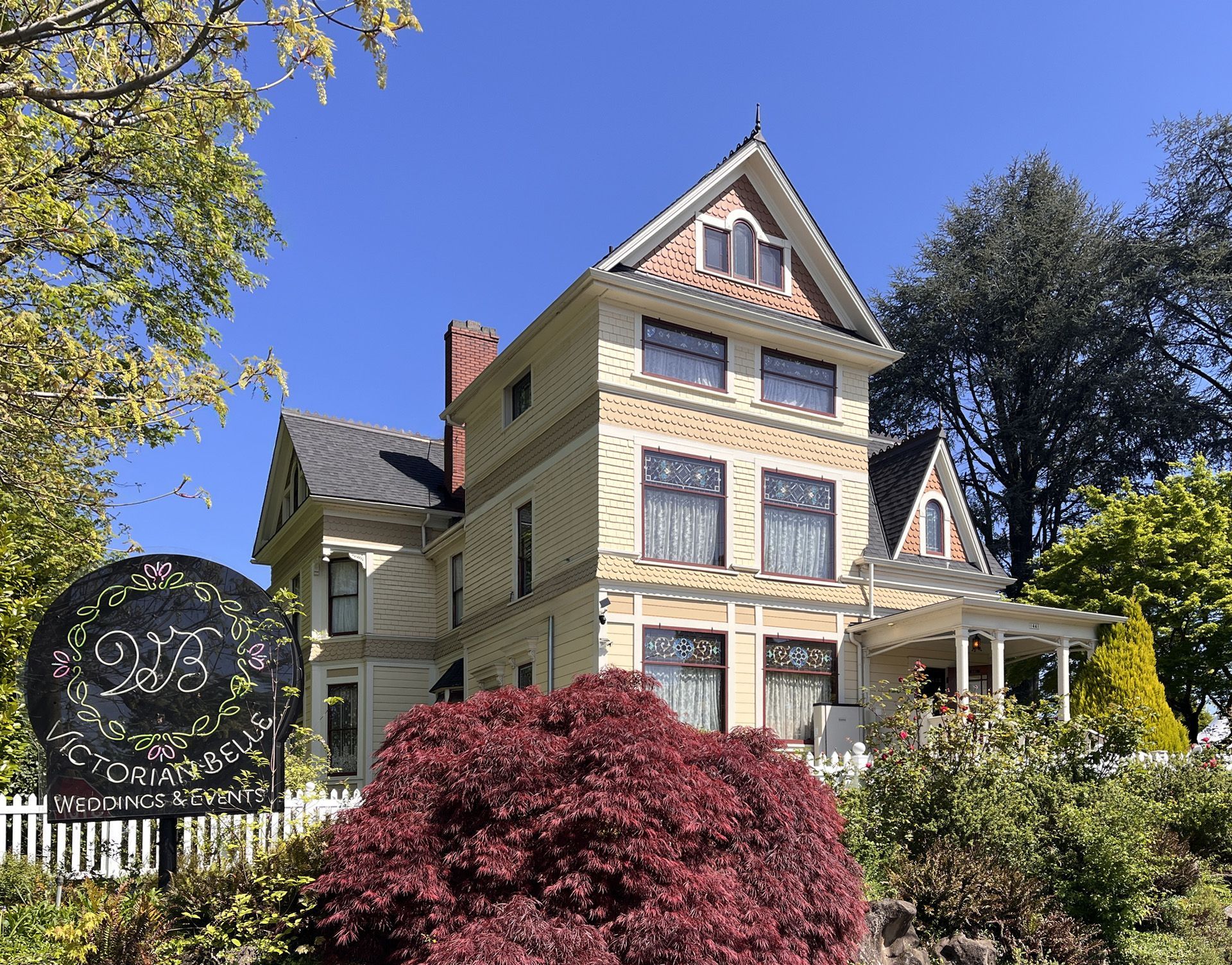
If your home is classified as a contributing property in the Kenton Conservation District, exterior changes may require a process called Historic Resource Review. This includes visible additions, new construction, and alterations to street-facing facades.
The good news: not every project triggers a full review. Portland’s zoning code includes clear and objective design standards that, if met, allow your project to proceed without the review process. These standards address scale, massing, setbacks, materials, and window placement. Interior work is not affected by Conservation District rules at all.
If your project does require review, Arciform handles the process from start to finish. We prepare the documentation, design to meet the guidelines, and present to the review committee. Our team has navigated dozens of these approvals across Portland’s Conservation and Historic Districts.
For a closer look at what to expect, read our guides on
five things you need to know about the historic review process and
how Arciform’s team handles historic review on your behalf.
Kitchens, Bathrooms, and Common Projects in Kenton
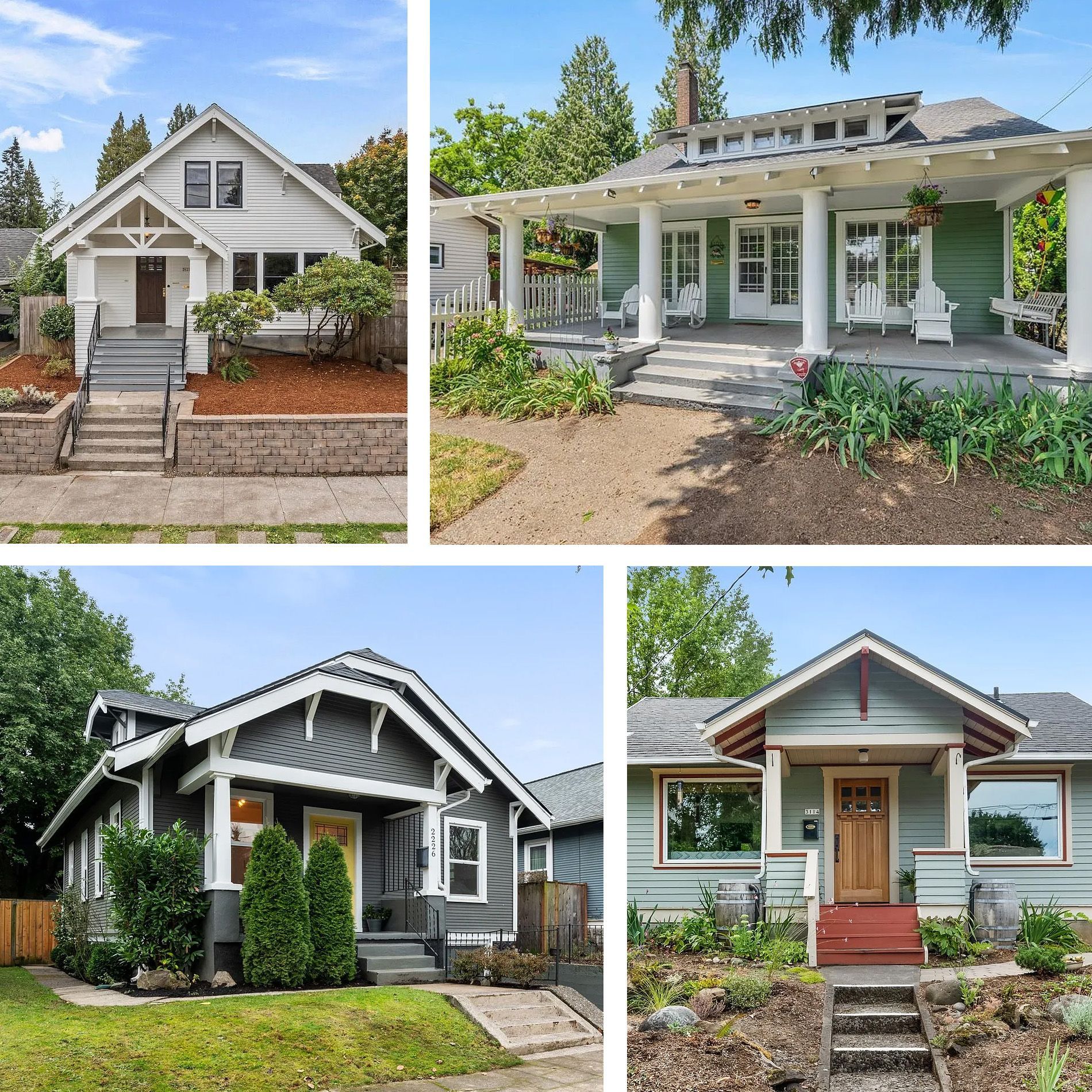
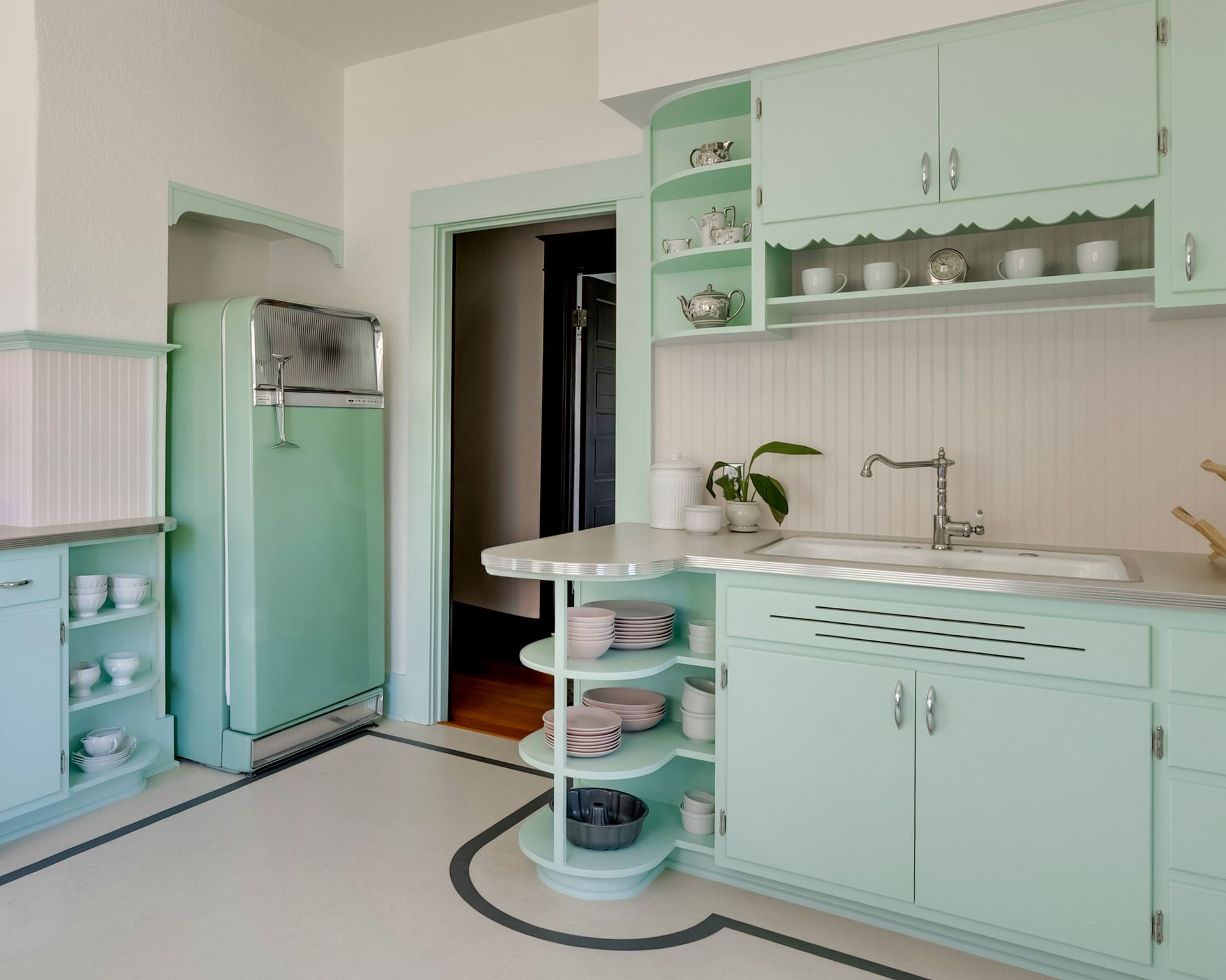
Kenton’s bungalows and Foursquares share the layout patterns common to Portland’s early 1900s housing stock. Kitchens are compact, often separated from the rest of the house by a wall or narrow passthrough. Opening sightlines to the dining area, adding counter space, and improving storage are the most common goals. In homes with original built-ins or period trim, we work to preserve those details while reconfiguring the space around them.
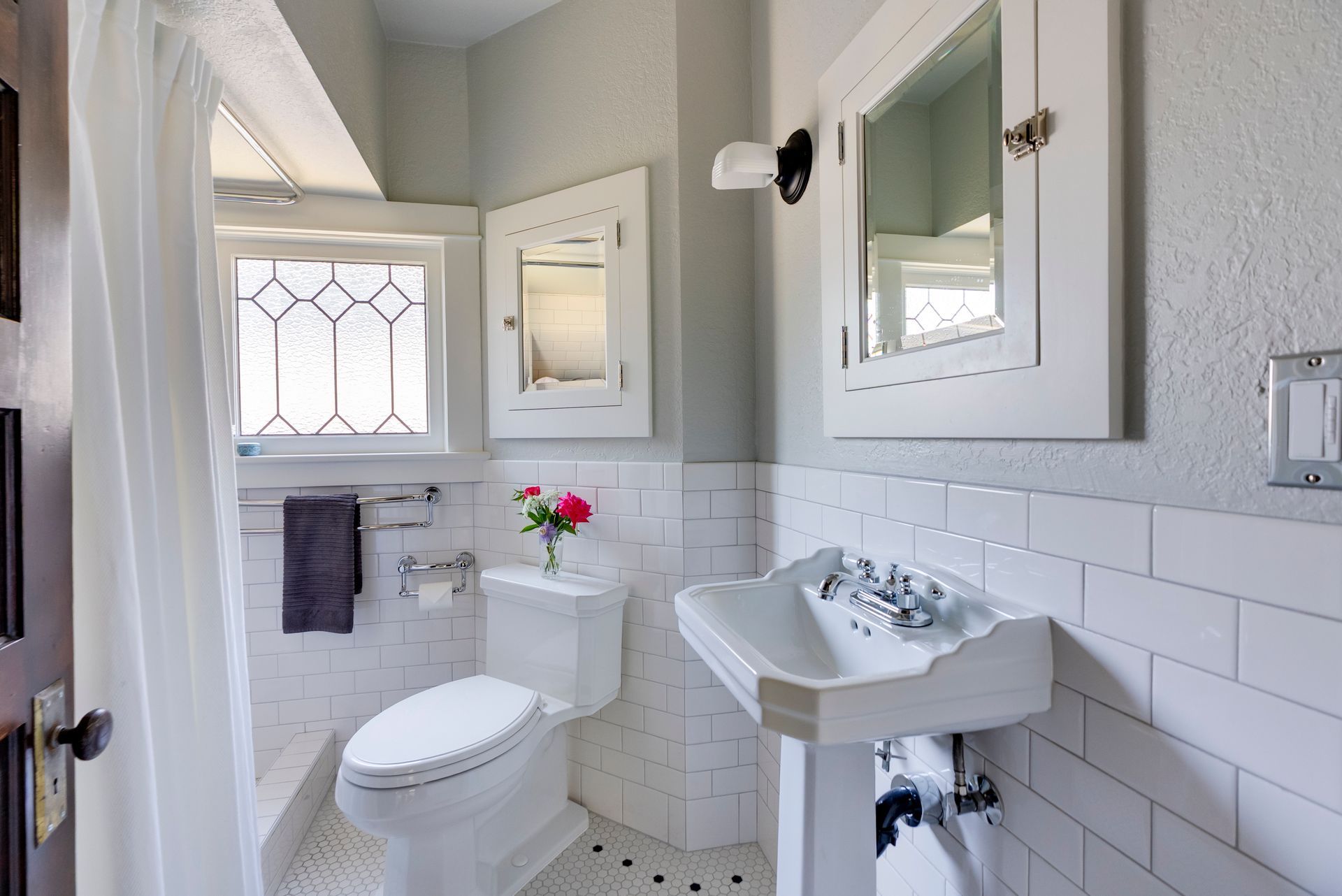
Many Kenton homes were built with a single bathroom, and adding a second is a frequent request. The same creative conversions that work in other Conservation District neighborhoods apply here: closets, sleeping porches, and back-of-house spaces can often be reworked into a functional ensuite or half bath.
Basements are common in these homes and present a solid opportunity for additional living space. The framing in Kenton’s worker-built homes is often surprisingly robust, which makes basement finishing, electrical upgrades, and plumbing modernization more straightforward than in some of Portland’s other vintage neighborhoods.
For more guidance on planning these projects, browse our
kitchen remodeling guides and
bathroom planning guides in our
Homeschool resource center, or visit our
kitchen remodeling and
bathroom remodeling service pages to see how we approach each project type.
Why Choose Arciform for Your Kenton Renovation?
Arciform is a design-build firm that has been renovating Portland’s older homes since 1997. One team handles your project from early design through final construction, so there’s no gap between what’s designed and what gets built.
Our designers understand vintage architecture. Our builders know pre-war structures: balloon framing, plaster over lath, original-growth fir. And our in-house woodshop handles historically accurate restoration of windows, doors, and millwork, so period details are preserved rather than replaced.
We’ve worked across Portland’s
historic and vintage neighborhoods and we understand what it takes to deliver results that honor both the home and the neighborhood.