
Experience Matters When Entrusting a Contractor with Your King's Hill Home
Renovating Portland's Grandest Homes on King's Hill
King’s Hill has always been set apart. Beginning in the 1880s, Portland’s most successful merchants built their homes high above the city, taking advantage of sweeping views that extend to Mount Hood, Mount Jefferson, and Mount St. Helens. These were not modest residences. They were statements—designed to reflect both prosperity and permanence.
Today, those homes remain some of Portland’s most architecturally significant.
Renovating in King’s Hill comes with a distinct set of considerations. Unlike many east side historic districts, this neighborhood is subject to full design review. Exterior changes to contributing structures must be approved by the Portland Historic Landmarks Commission, which means the work requires not only construction expertise, but a clear understanding of the guidelines that govern these properties.
At Arciform, we’ve been renovating historic homes and navigating Portland’s review processes since 1997. That experience shapes how projects move forward here—from the first concept through final approval
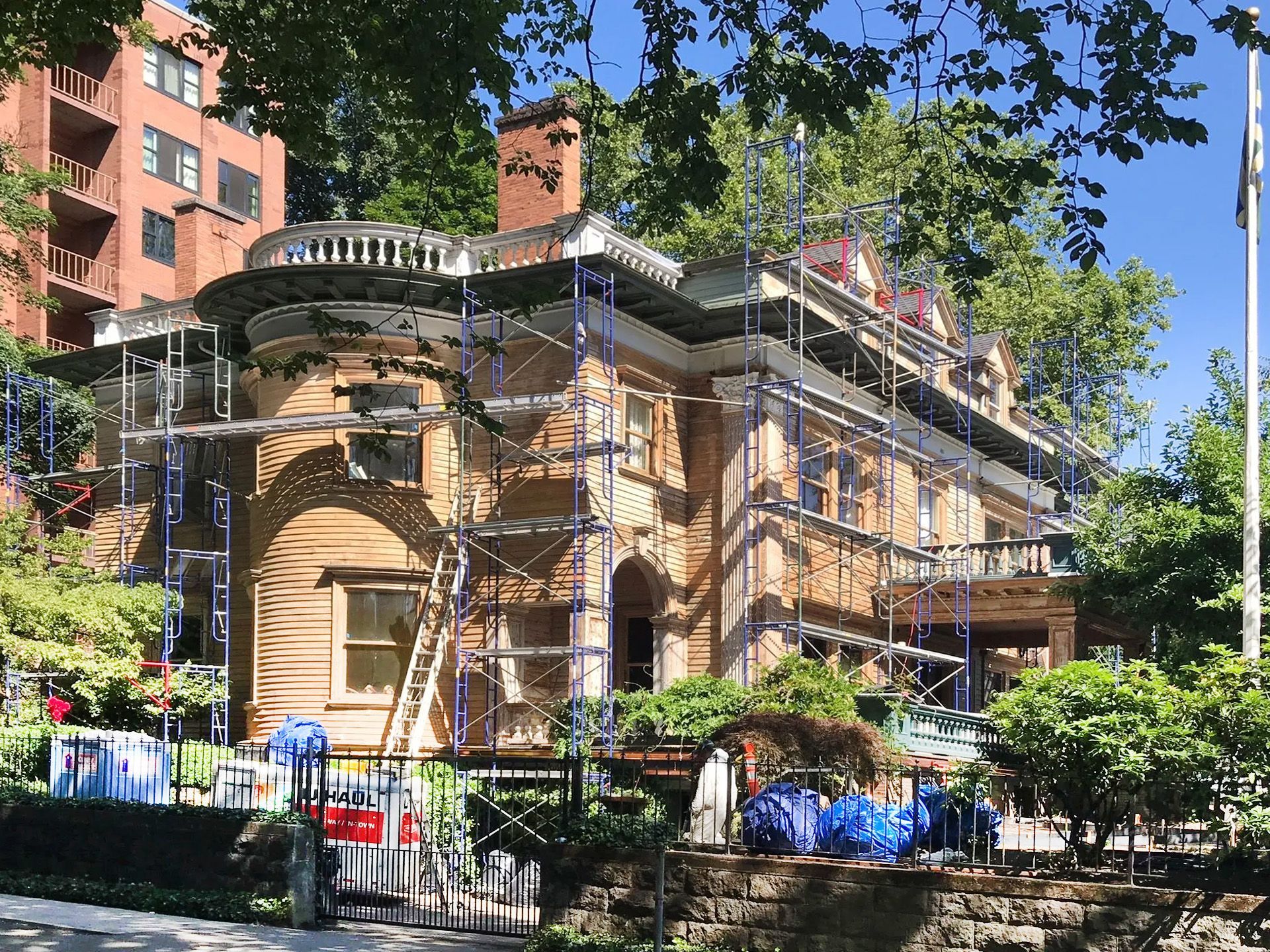
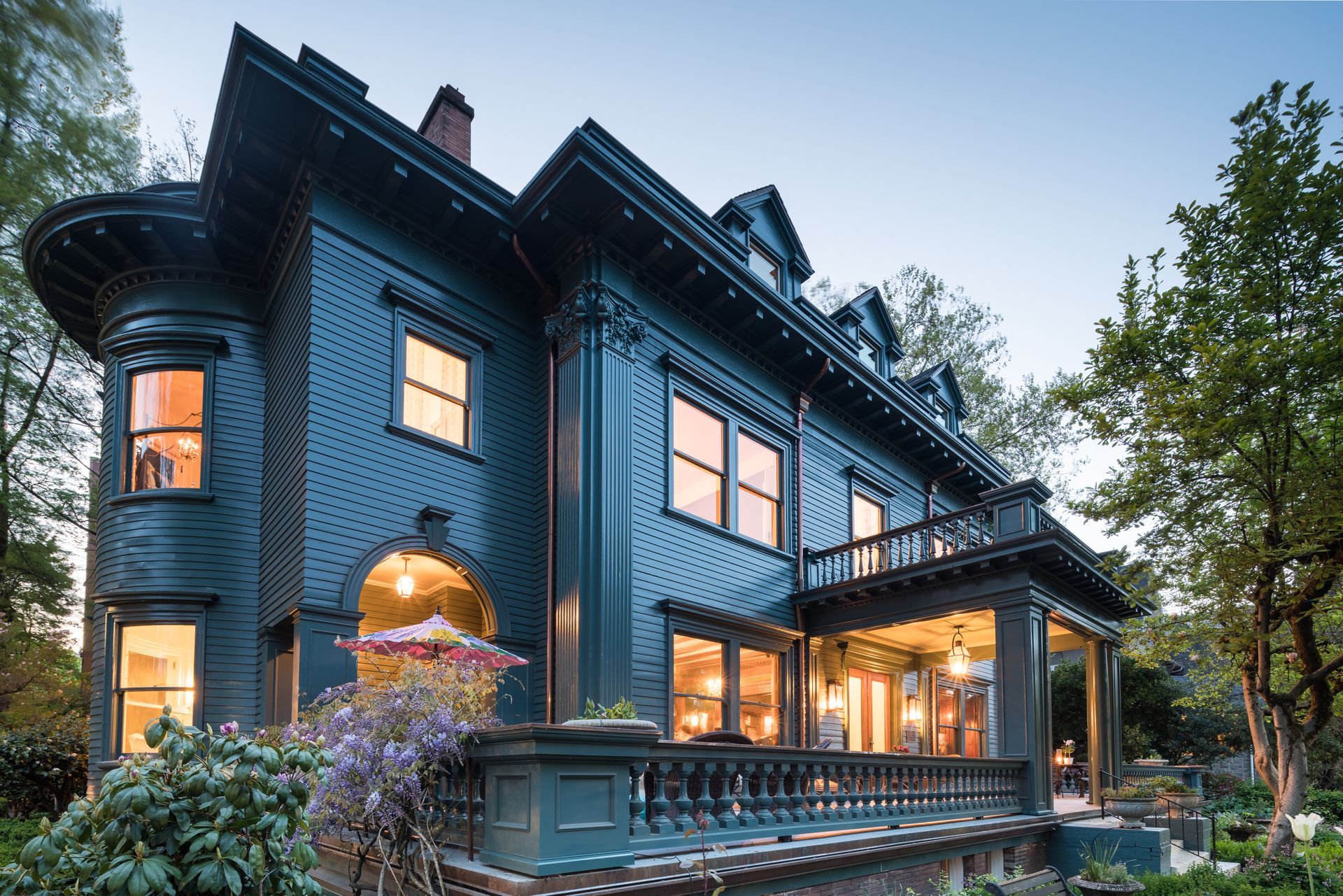
Arciform meticulously restored the National Historic Landmark Isam White House in NW Portland. The 1904 home was designed by Whidden & Lewis, architects of many of King's Hill's finest homes.
King's Hill: Portland's Premier West Hills Historic District
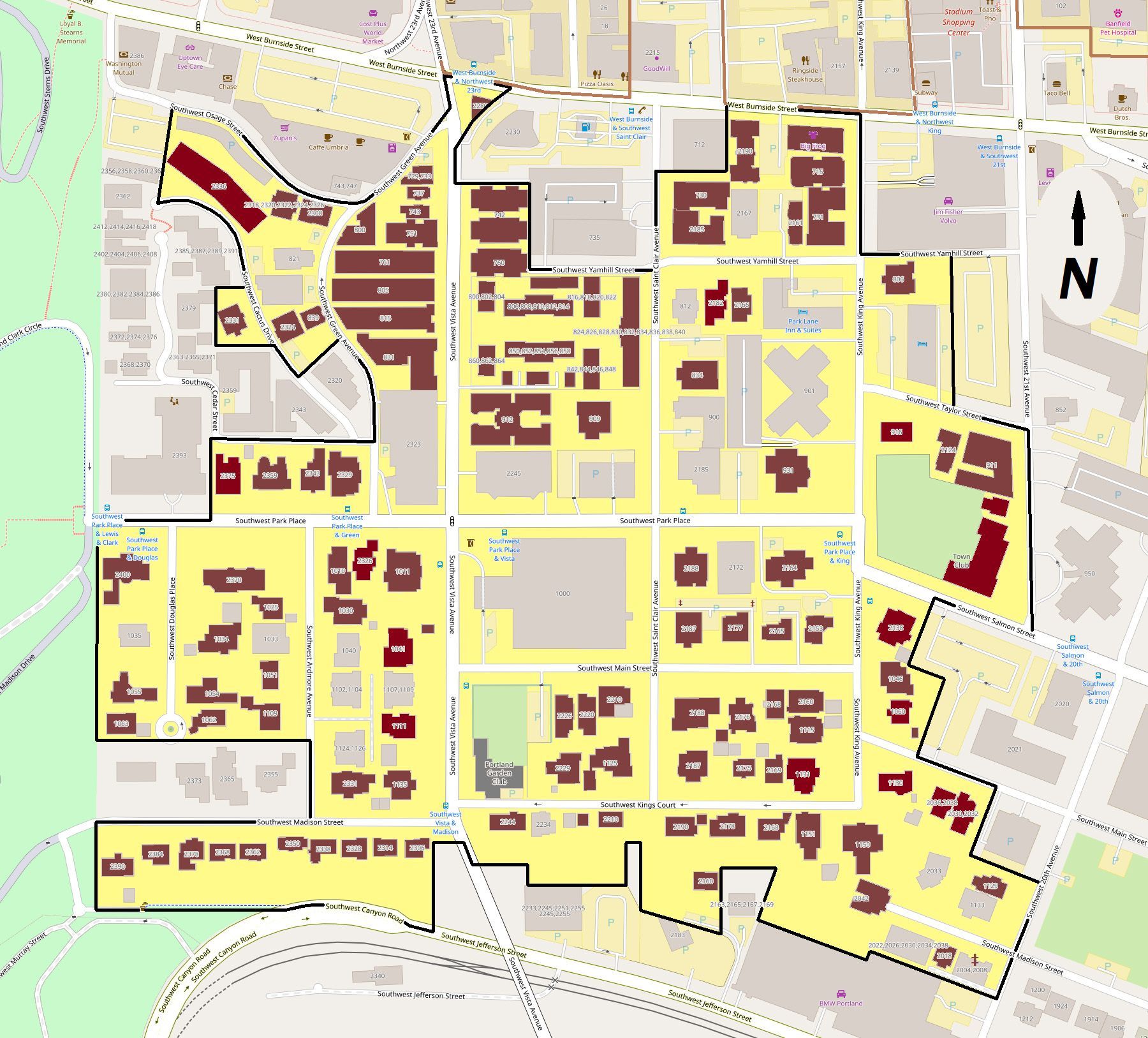
King’s Hill occupies a defined and prominent stretch of Portland’s West Hills. Bounded by W. Burnside Street to the north, SW Canyon Road to the south, SW 21st Avenue to the east, and Washington Park to the west, the neighborhood sits at the intersection of natural landscape and early urban development.
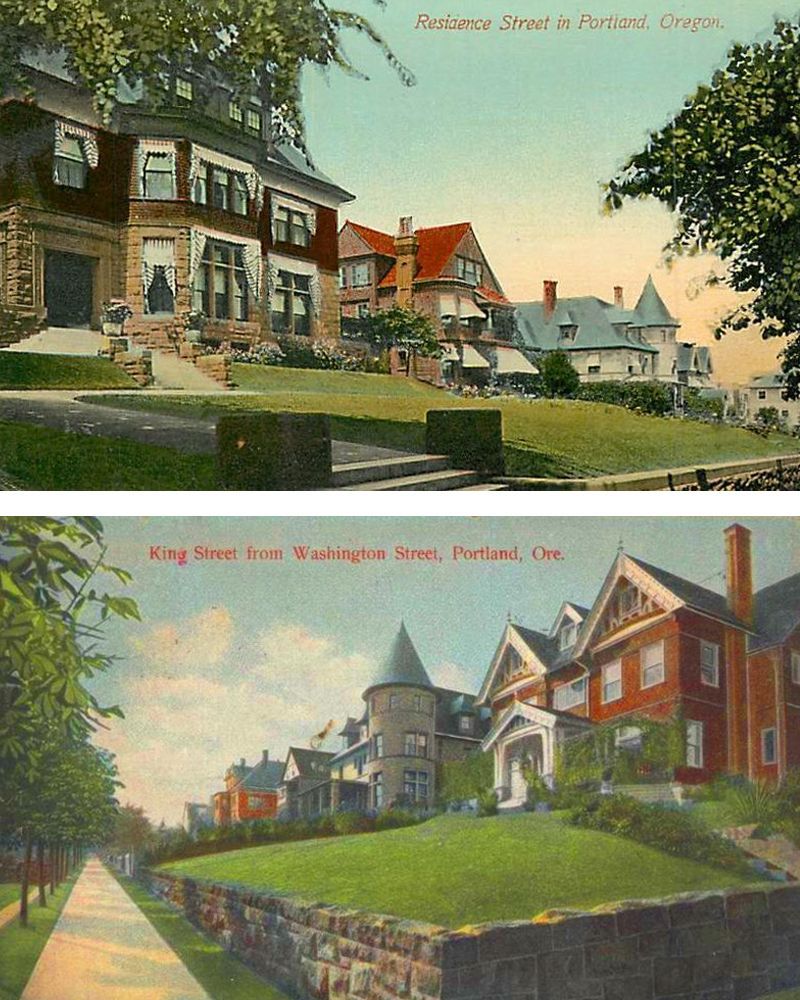
Architecturally, it is one of the most diverse historic districts in the city. Late Victorian and Queen Anne homes sit alongside Colonial Revival, Craftsman, Mediterranean Revival, Jacobethan, and American Foursquare residences. Mid-century apartments and condominiums add another layer, reflecting continued evolution over time.
The neighborhood is part of Goose Hollow and was listed on the National Register of Historic Places in 1991. Its origins date back to 1845, with early settlement by Daniel Lownsdale, followed by Amos King’s 513-acre Donation Land Claim in 1852. Most of the development that defines the district today took place between 1882 and 1914, when the area became a preferred location for Portland’s affluent residents.
Many of the homes were designed by prominent local architects, contributing to a built environment that feels both varied and cohesive.
With approximately 130 buildings across 430 acres—and immediate access to Washington Park, including the Oregon Zoo, Japanese Garden, Rose Test Garden, and Hoyt Arboretum—King’s Hill remains one of Portland’s most distinctive residential neighborhoods.
Navigating Historic Design Review for King's Hill Renovations
In King’s Hill historic protections extend beyond demolition review. Here, any exterior modification to a contributing structure is subject to design review.
This includes changes to windows, siding, roofing, and additions. Proposals are evaluated by the Portland Historic Landmarks Commission against adopted design guidelines, which address height, scale, massing, siting, and material compatibility. Interior work is not reviewed, but anything visible from the exterior requires careful consideration.
Understanding how these guidelines are applied makes a measurable difference in how smoothly a project moves through approval. A well-prepared submission aligns with the intent of the guidelines from the outset, reducing the need for revisions.
For example, new window installations must respect the established pattern, proportion, and placement of existing openings. Additions must be designed to read as subordinate to the original structure, rather than competing with it in scale or form. Without that level of alignment, projects can face delays or require significant redesign.
Experience with this process allows for a more predictable path forward, with design decisions informed by both architectural intent and regulatory requirements.
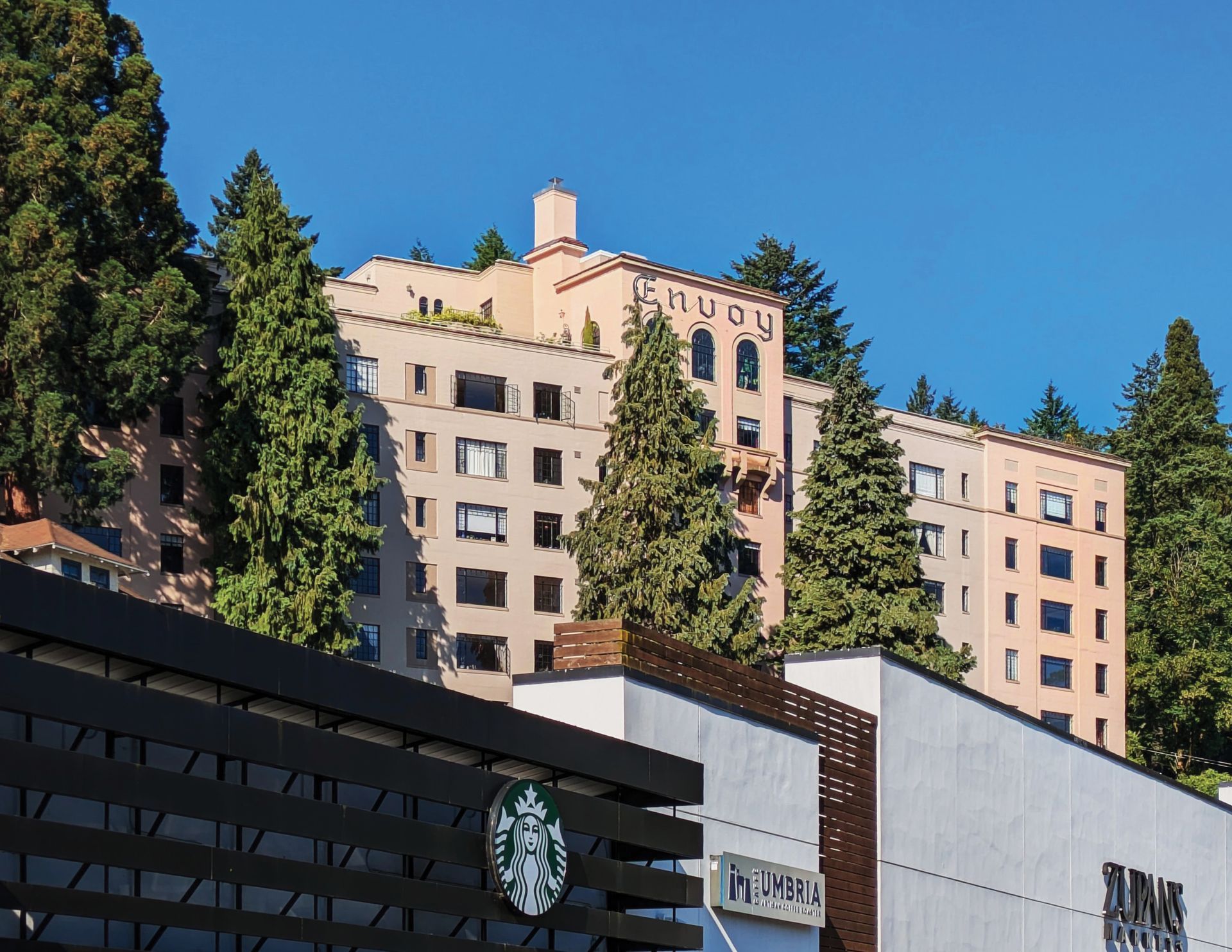
Arciform recently completed a multi-year restoration of the metal casement windows at the Envoy, a landmark former apartment building on Kings Hill. See the full story in Iconic Magazine.
Kitchen Remodeling in King's Hill's Architect-Designed Homes
Kitchens in King’s Hill homes are often generous in size, but not in function. Many of these residences exceed 4,000 square feet, with high ceilings and formal room arrangements that reflect a different era of living.
While the footprint may be substantial, the layout often does not support how people cook, gather, and move through the space today. Updating these kitchens requires a balance between performance and proportion. Expanding or reconfiguring the space must be done in a way that respects ceiling heights, room relationships, and the overall rhythm of the home.
Modern appliances and workflow expectations are integrated carefully, so they enhance usability without disrupting the architectural framework. Cabinetry and finishes are selected to align with the home’s character, rather than stand apart from it. Sight lines to adjacent formal spaces (particularly dining rooms) are maintained, reinforcing the connection between rooms while preserving their individual identities.
As in many historic homes, masonry chimneys often anchor the layout and cannot be relocated. These elements become part of the design strategy, shaping how the space evolves.
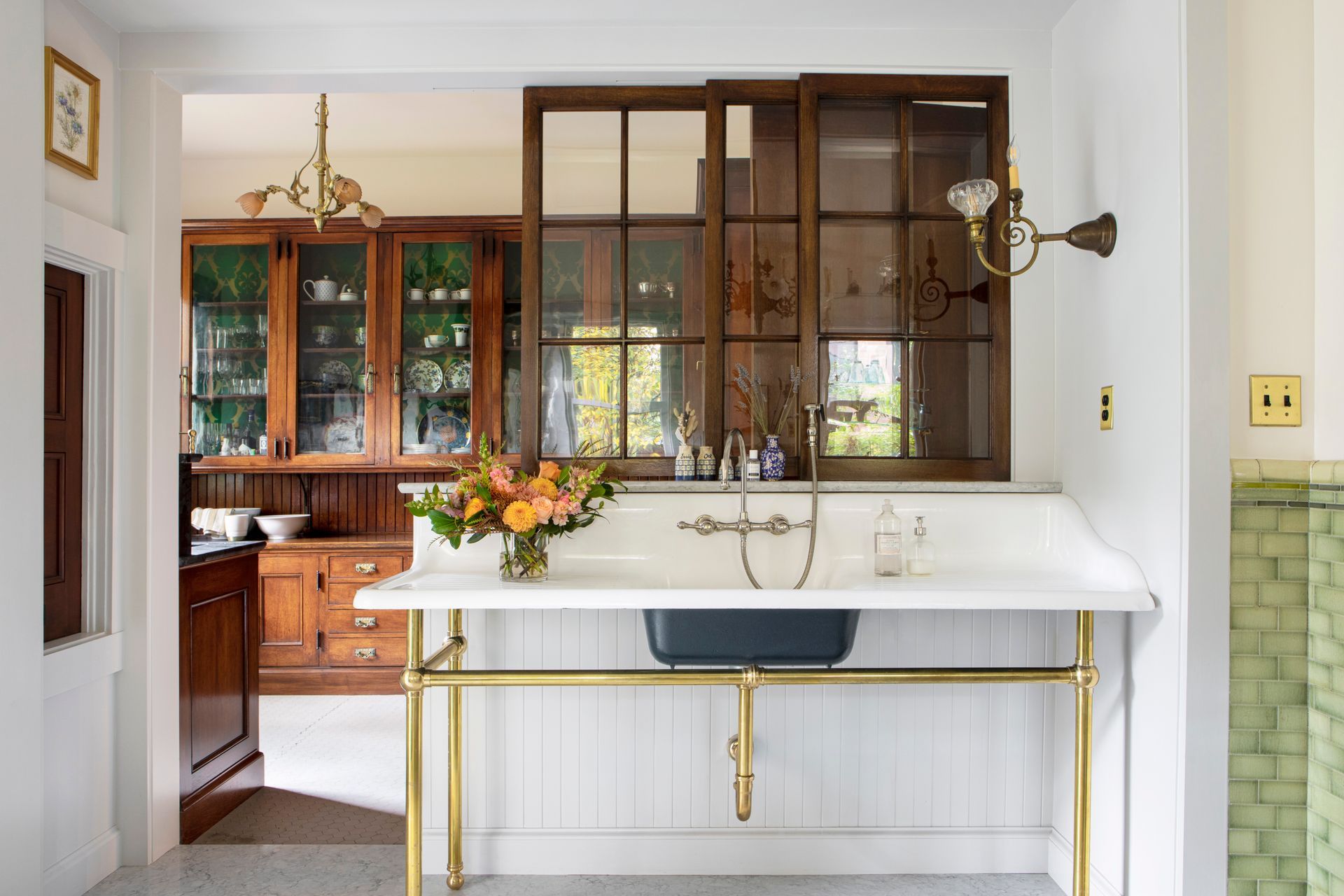
The two kitchens shown above demonstrate varying approaches to remodeling kitchens in historic homes. - fitted vs. unfitted. Read more on these options in our design blog here.
Bathroom Renovation and Systems Upgrades for Large Historic Homes
Bathrooms in King’s Hill homes often feature detailed original finishes, but limited functionality. Updating these spaces requires thoughtful planning, particularly when introducing new ensuites into homes that were not designed to accommodate them.
Complex floor plans, plaster walls, and former service areas—such as servants’ quarters—create both constraints and opportunities. Reconfiguring these spaces relies on a clear understanding of the structure and how different areas of the home connect.
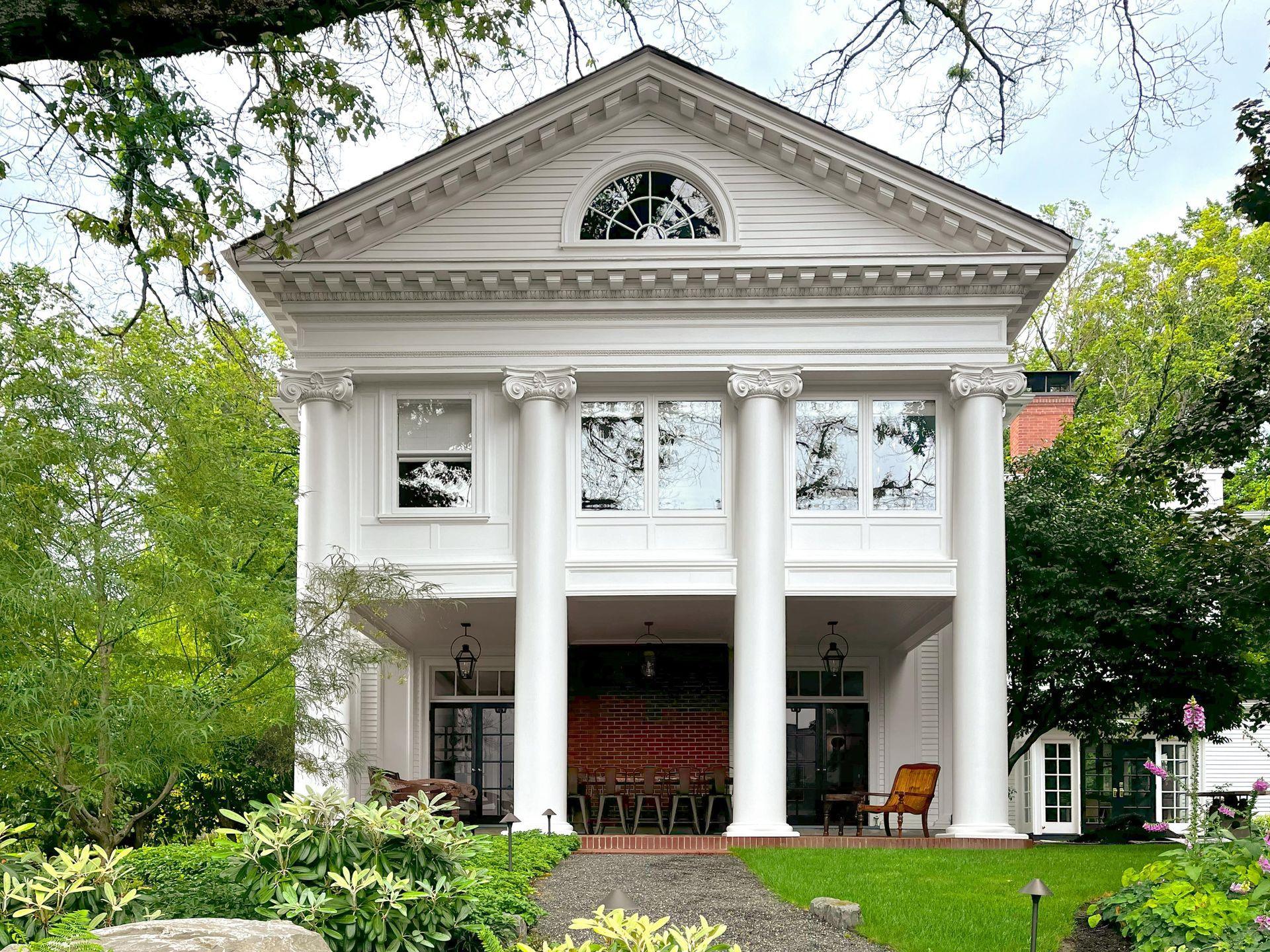
In this grand 1913 Colonial Revival Arciform transformed a former sleeping porch into a luxurious primary bath, preserving original architectural features such as column capitals and exterior siding on interior walls.
Beyond bathrooms, system upgrades are a significant component of most projects. Heating and cooling large, multi-story homes requires careful HVAC zoning, especially when ceiling heights and room volumes vary widely. Electrical updates are also common, with many homes still containing knob-and-tube wiring that needs to be replaced.
Plaster restoration is often necessary throughout the home, ensuring that upgrades do not compromise original finishes. Lighting is approached with the same level of care, integrating modern performance with fixtures and layouts that feel appropriate to the period.
These improvements work together to support long-term livability, while maintaining the character that defines the home.
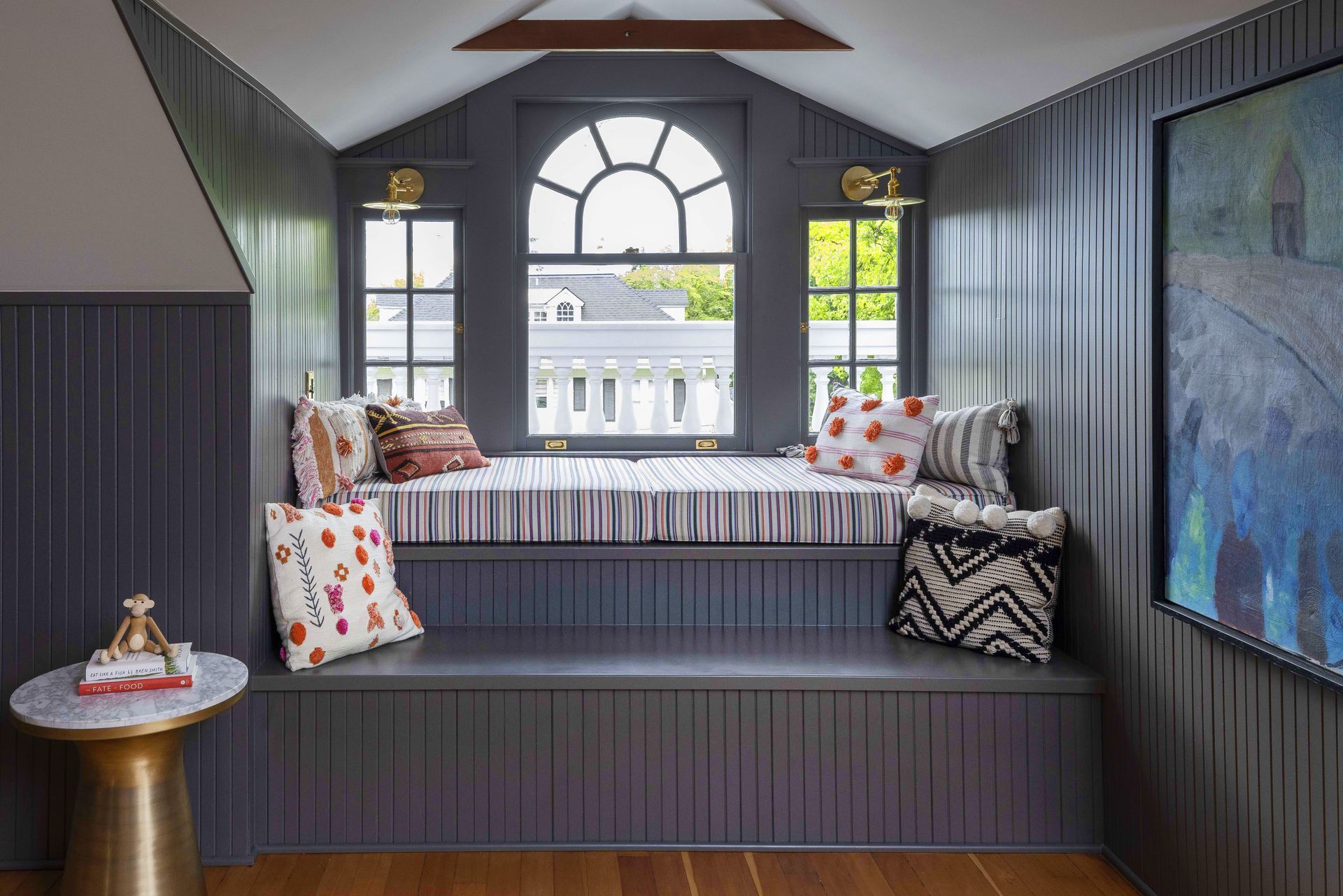
In a Portland Heights home (located just above King's Hill) Arciform updated all the systems as part of a whole house remodel. The extensive ductwork required for heating and coolilng was cleverly concealed beneath newly-constructed window seats in the third floor dormers. See the full project in our homes Portfolio.
Hillside Foundation and Structural Work in Southwest Portland
King’s Hill’s location in the West Hills introduces structural conditions that are less common in Portland’s flatter neighborhoods. Homes built on sloped sites may experience foundation settlement over time. Retaining walls can deteriorate, and drainage becomes a critical factor, particularly with Portland’s seasonal rainfall.
Addressing these conditions is an essential part of the renovation process. Structural reinforcement, drainage improvements, and retaining wall repair all contribute to the long-term stability of the home.
Seismic retrofitting is also an important consideration, especially for masonry structures on hillsides where movement can have greater impact.
At Arciform, structural assessment is integrated into every King’s Hill project, ensuring that underlying conditions are understood and addressed as part of the overall scope.
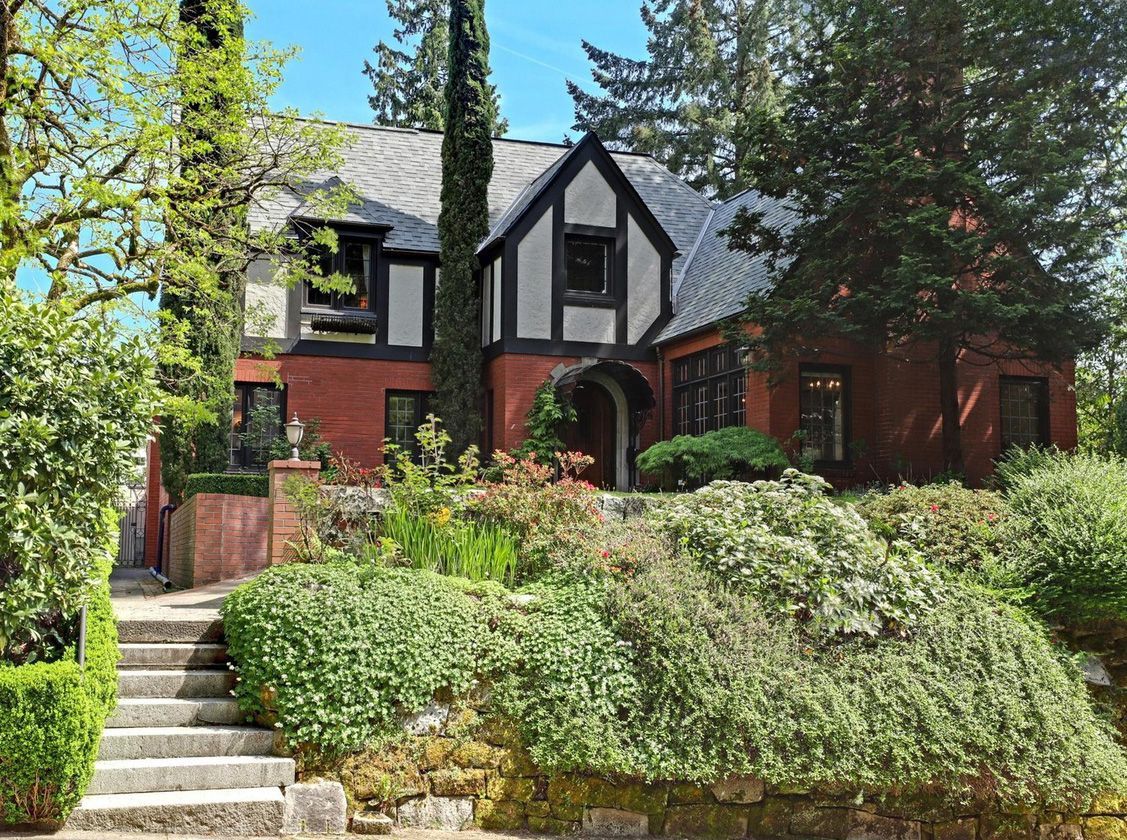
Why Choose Arciform for Your King's Hill Renovation?
We are a design-build firm. One team, working together from the beginning.
Our team has direct experience with Portland’s historic design review process, including the requirements of the Historic Landmarks Commission. We understand how to develop proposals that align with the guidelines and move efficiently through approval.
We’ve been renovating historic homes in Portland since 1997. Our work is consistent, and our process is well established.