
Mississippi's Bungalows and Cottages Have Held Their Character for a Century. The Right Contractor Keeps it That Way.
Renovating in Portland's Mississippi Neighborhood
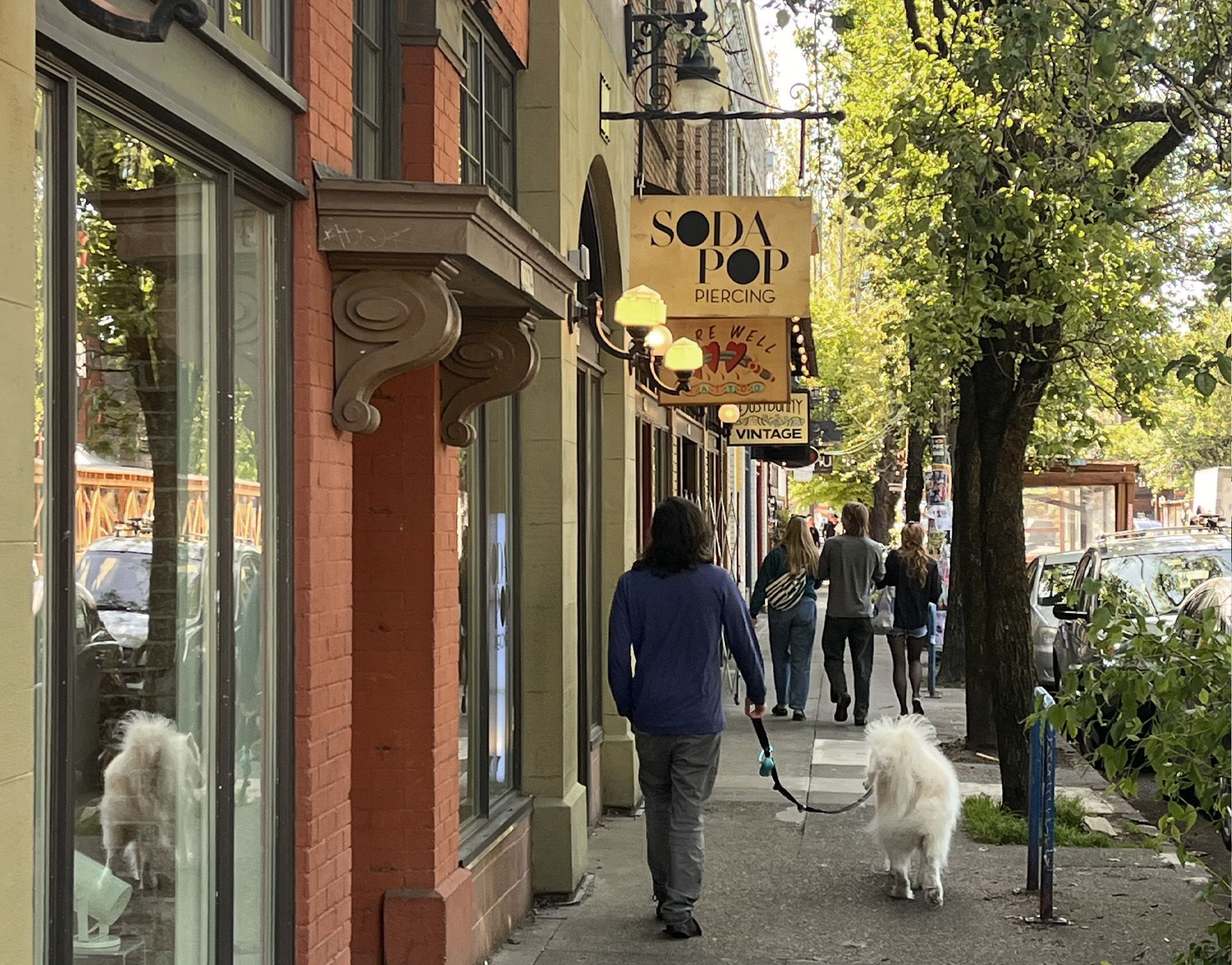
The Mississippi neighborhood sits between N Fremont and N Skidmore, centered on the avenue that shares its name. For much of the early 20th century, N Mississippi Avenue was the commercial heart of upper Albina, lined with brick storefronts that served the surrounding residential blocks. That commercial energy has returned in a different form, with independent restaurants, shops, and creative businesses filling the corridor.
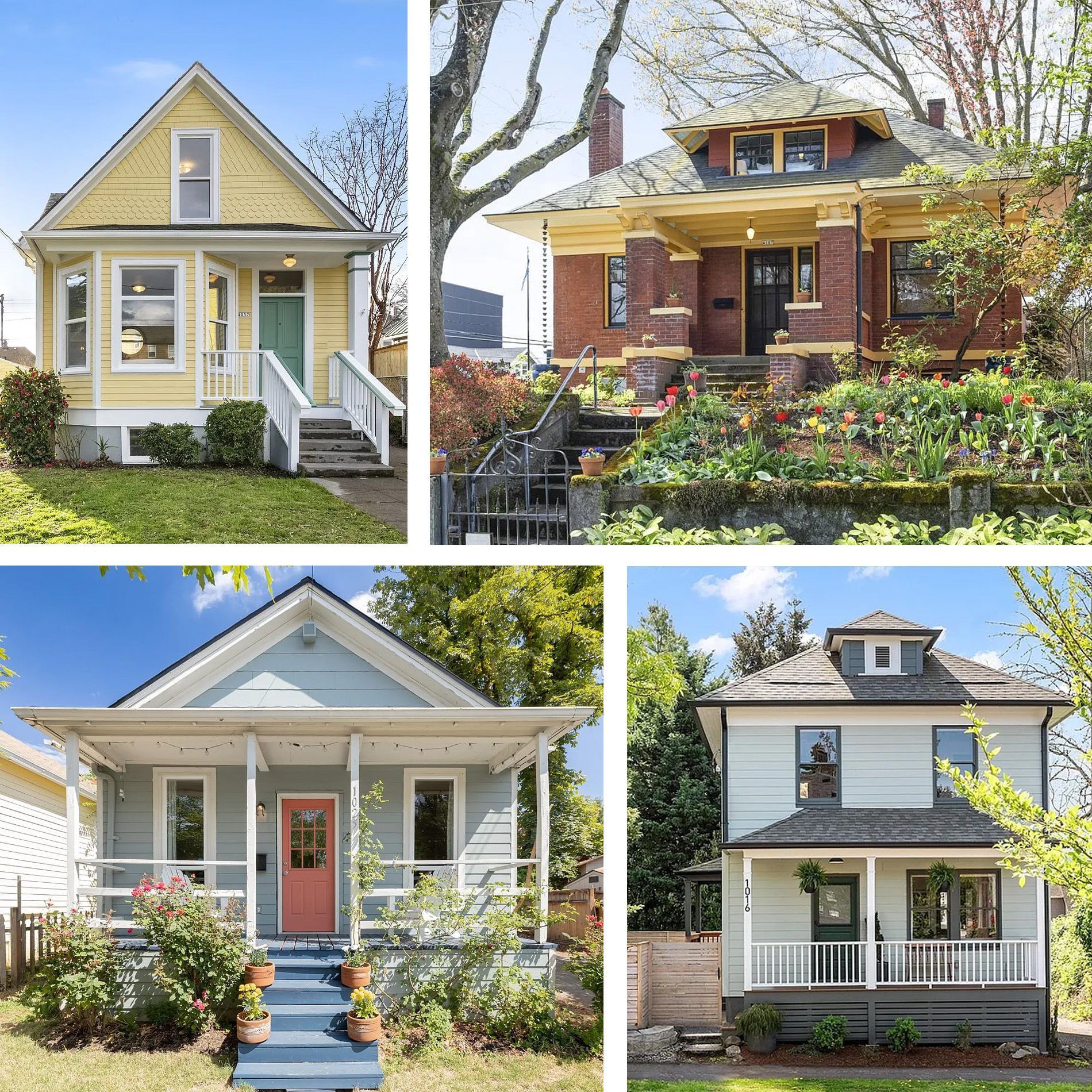
Step off the avenue and onto the side streets, and the character shifts. Here you’ll find workers’ cottages, small Victorians, Craftsman bungalows, and early Foursquares, most built between 1900 and 1925. These are modest homes with solid bones. They weren’t built to impress; they were built to last. Many still have original siding, window profiles, and interior trim that reflect their era.
Mississippi is part of the broader Albina community, and its history carries significance to Portland’s Black community. The homes and commercial buildings that survive from the early 1900s are an important part of that story. Renovating here means honoring what’s already there while making it work for the way people live now.

What Makes Mississippi a Conservation District?
Mississippi was designated as a Conservation District in 1993 through the Albina Community Plan. The district recognizes the concentration of early 20th-century residential architecture on the blocks surrounding the commercial corridor. Contributing properties retain their original scale, massing, and material character from the period of significance.
The housing stock here is generally smaller in scale than neighborhoods like Piedmont or Eliot. Workers’ cottages and compact bungalows dominate, which means renovations often involve maximizing existing square footage rather than adding new space. Contributing vs. non-contributing status determines which guidelines apply to your property.
We’ve written a detailed guide to help you understand Portland’s historic home designations and the review process, including how Conservation District rules affect your renovation plans and how Arciform navigates the approval process on your behalf.
What Conservation District Rules Mean for Your Renovation
If your home is classified as a contributing property in the Mississippi Conservation District, exterior changes may require a process called Historic Resource Review. This includes visible additions, new construction, and alterations to street-facing facades.
The good news: not every project triggers a full review. Portland’s zoning code includes clear and objective design standards that, if met, allow your project to proceed without the review process. These standards address scale, massing, setbacks, materials, and window placement. Interior work is not affected by Conservation District rules at all.
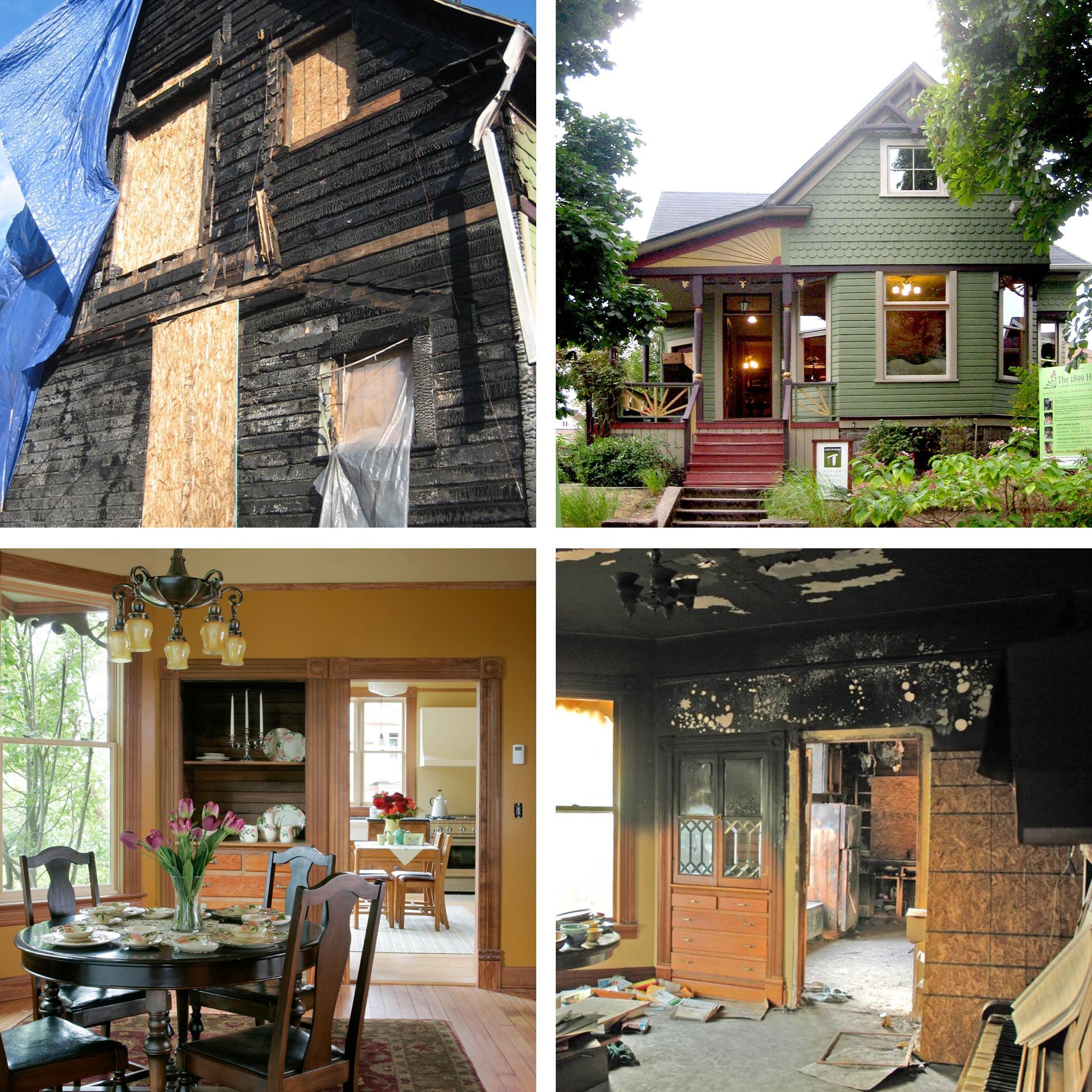
If your project does require review, Arciform handles the process from start to finish. We prepare the documentation, design to meet the guidelines, and present to the review committee. Our team has navigated dozens of these approvals across Portland’s Conservation and Historic Districts.
For a closer look at what to expect, read our guides on
five things you need to know about the historic review process and
how Arciform’s team handles historic review on your behalf.
Kitchens, Bathrooms, and Common Projects in the Mississippi Neighborhood
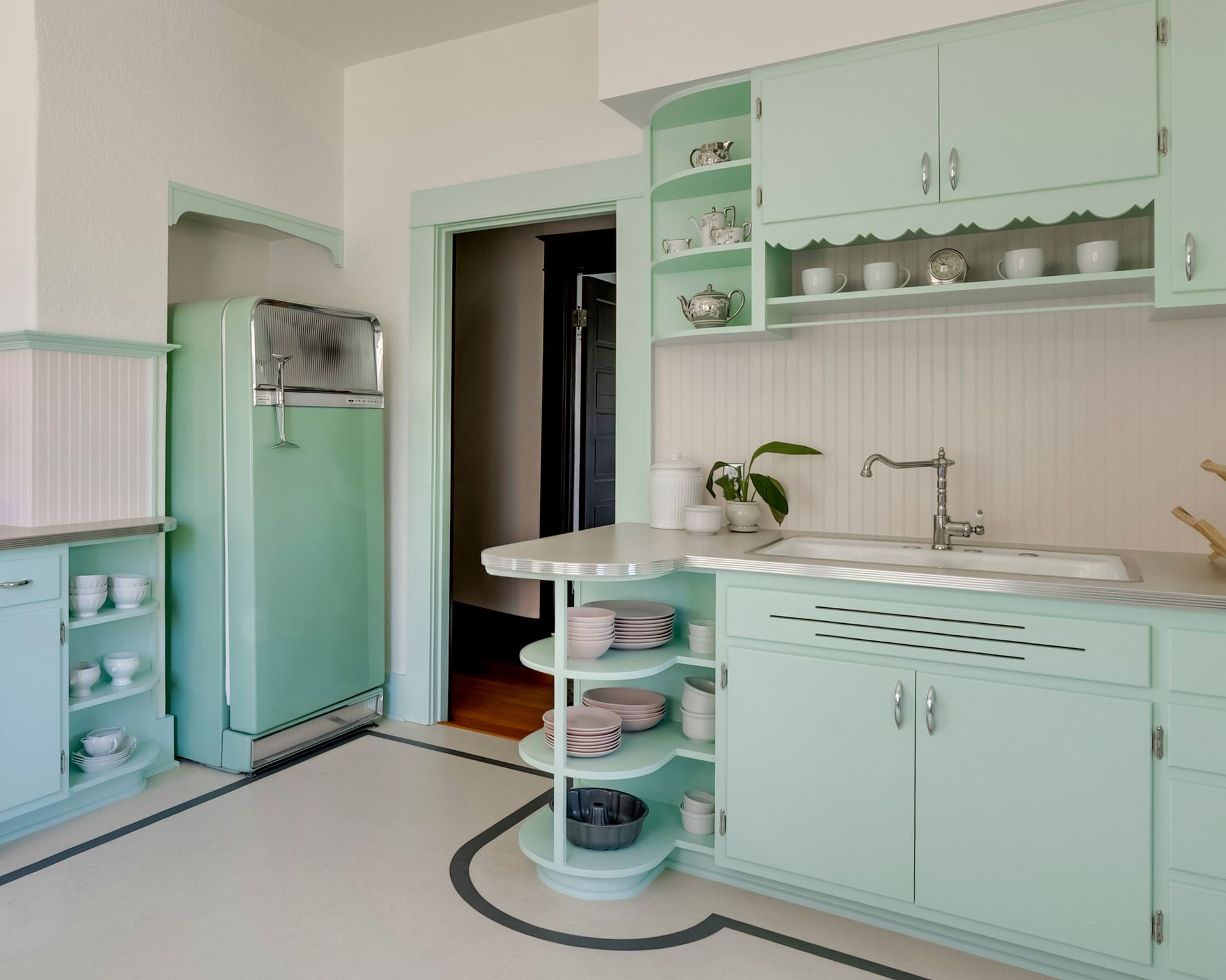
The compact footprints of Mississippi’s workers’ cottages and bungalows make kitchen remodels one of the most impactful projects here. These homes were built with small, enclosed kitchens that served a different era. Reconfiguring the layout to improve counter space, storage, and connection to the dining area often makes the entire main floor feel larger and more functional.
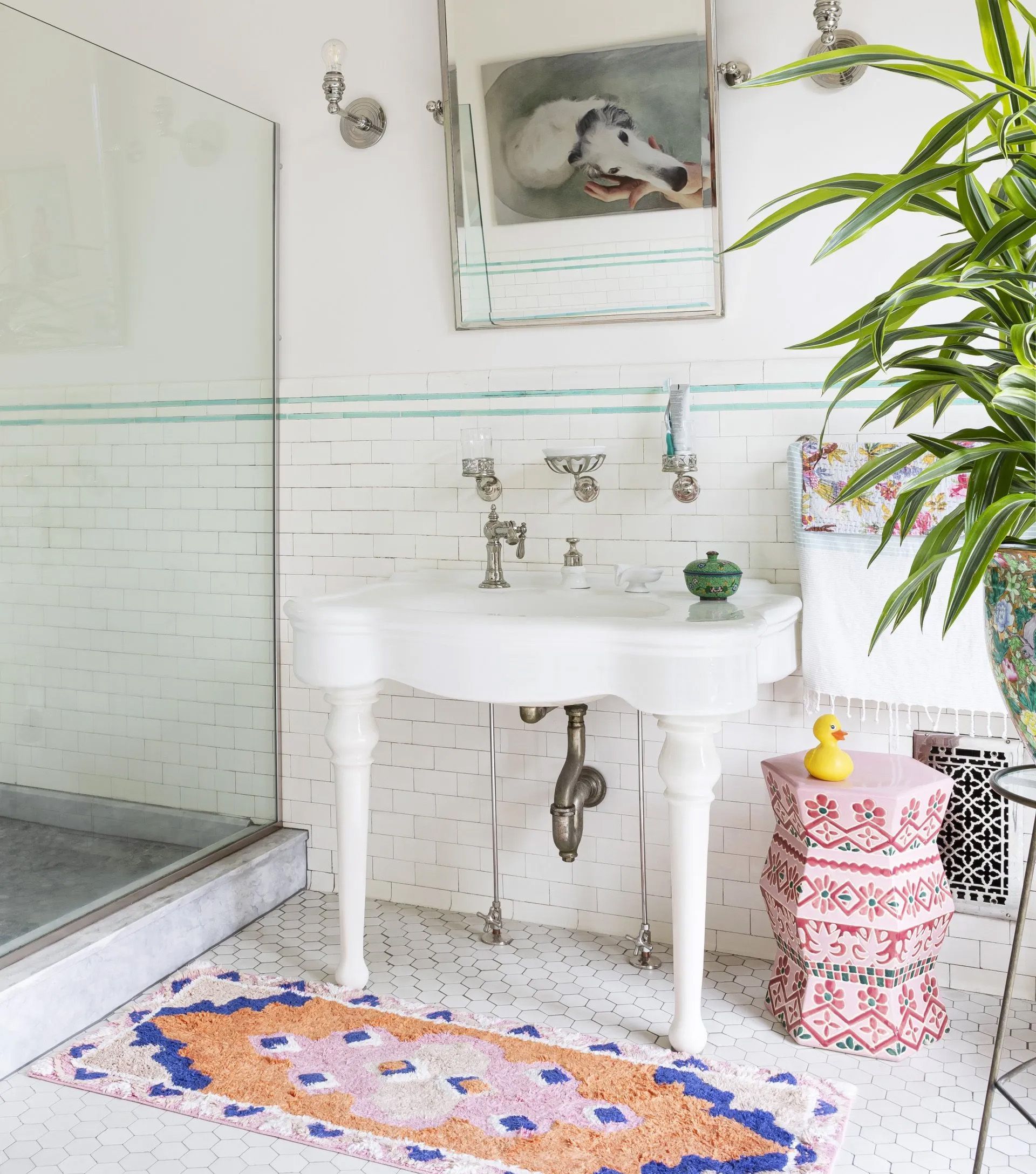
Bathrooms in these homes tend to be small and singular. Adding a second bath or expanding the existing one requires creative spatial planning, and in homes this size, every inch counts. Converting a closet, a back porch, or an underused hallway into bathroom space is a common solution.
Because of the smaller footprints, whole-house renovations in Mississippi often focus on maximizing livability within the existing envelope. Attic dormers, basement finishing, and rear additions that stay compatible with the Conservation District guidelines are all viable ways to gain the space these homes were never designed to provide.
For more guidance on planning these projects, browse our
kitchen remodeling guides and
bathroom planning guides in our
Homeschool resource center, or visit our
kitchen remodeling and
bathroom remodeling service pages to see how we approach each project type.
Why Choose Arciform for Your Mississippi Neighborhood Renovation?
Arciform is a design-build firm that has been renovating Portland’s older homes since 1997. One team handles your project from early design through final construction, so there’s no gap between what’s designed and what gets built.
Our designers understand vintage architecture. Our builders know pre-war structures: balloon framing, plaster over lath, original-growth fir. And our in-house woodshop handles historically accurate restoration of windows, doors, and millwork, so period details are preserved rather than replaced.
We’ve worked across Portland’s
historic and vintage neighborhoods and we understand what it takes to deliver results that honor both the home and the neighborhood.