
Why Woodlawn's Vintage Homes Call for a Contractor with Real Depth
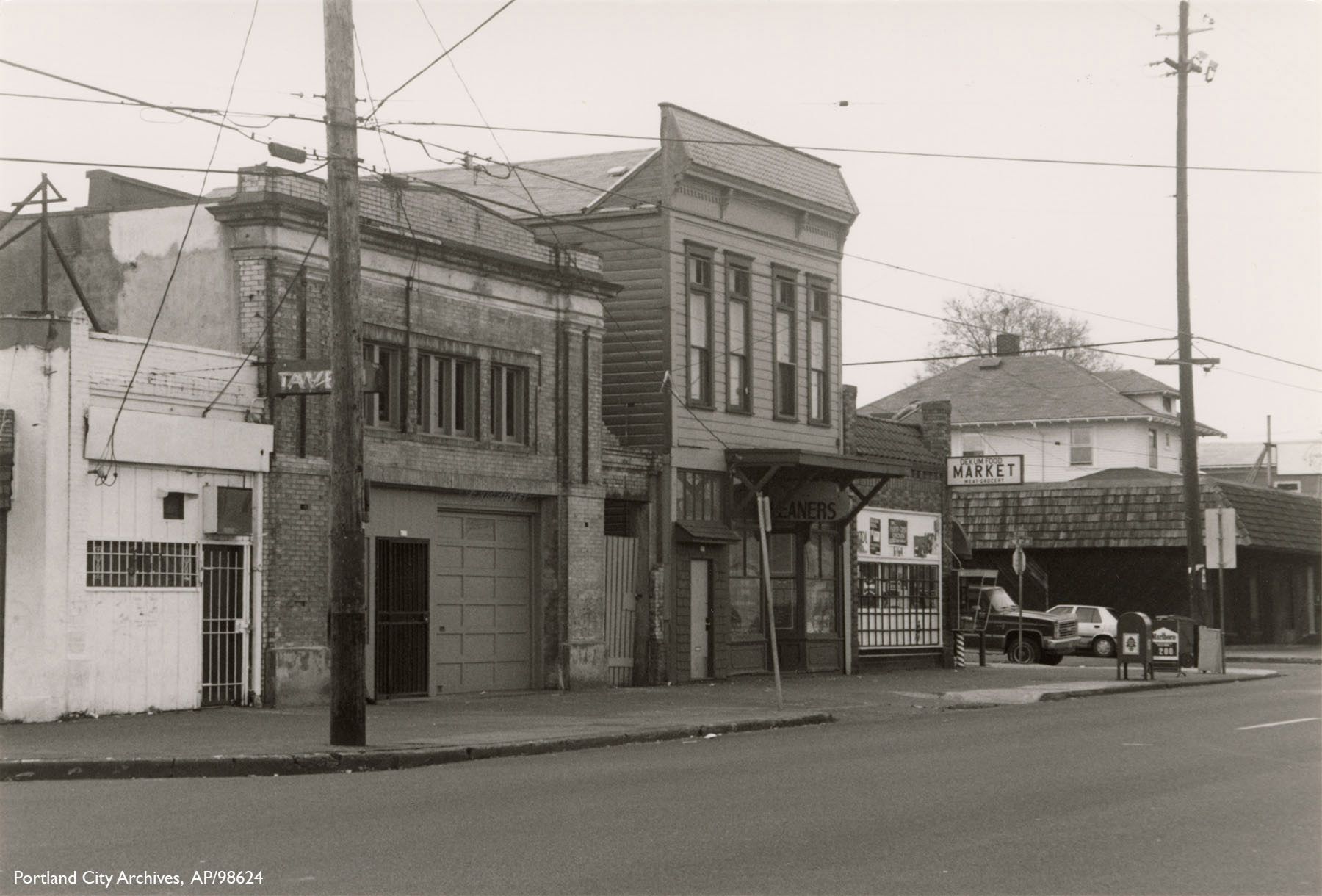
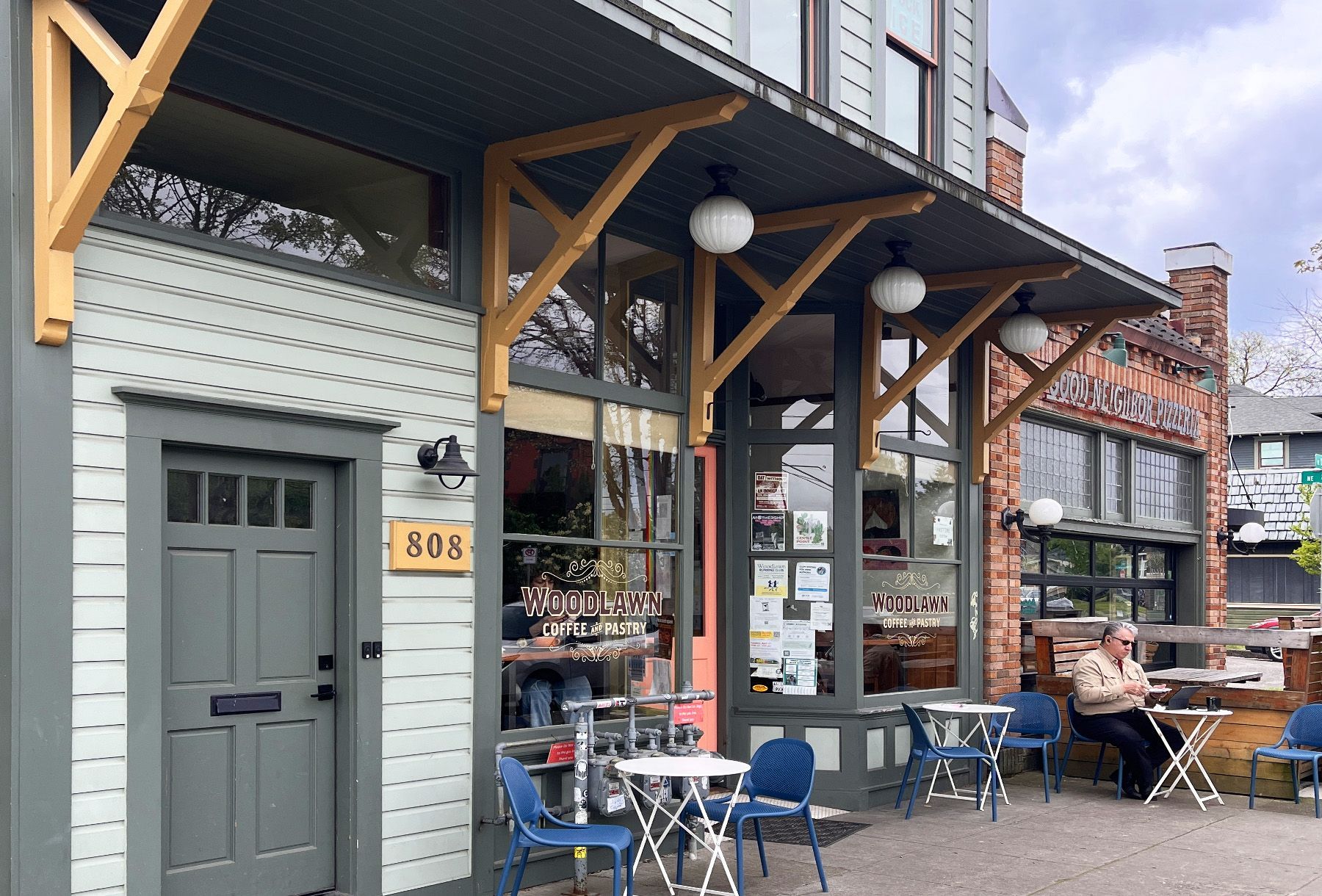
Before: The commercial center of the Woodlawn neighborhood, known as the Dekum Triangle, had seen better days by the 1970s. After: In recent years the Dekum Triangle has once again become a charming neighborhood hub, with multiple restaurants, a coffee house, and a brew pub.
Renovating in Woodlawn
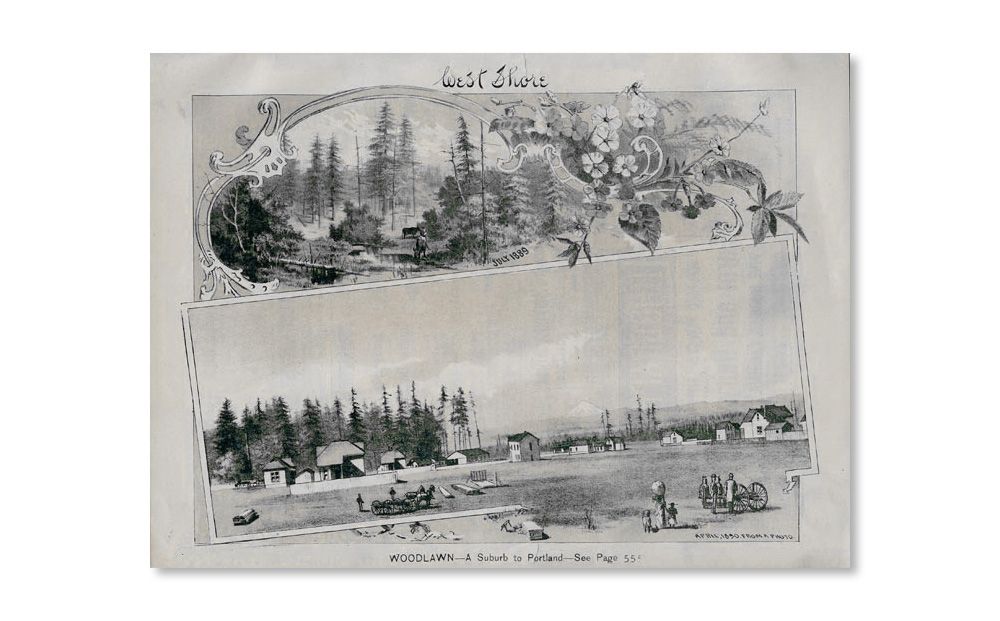
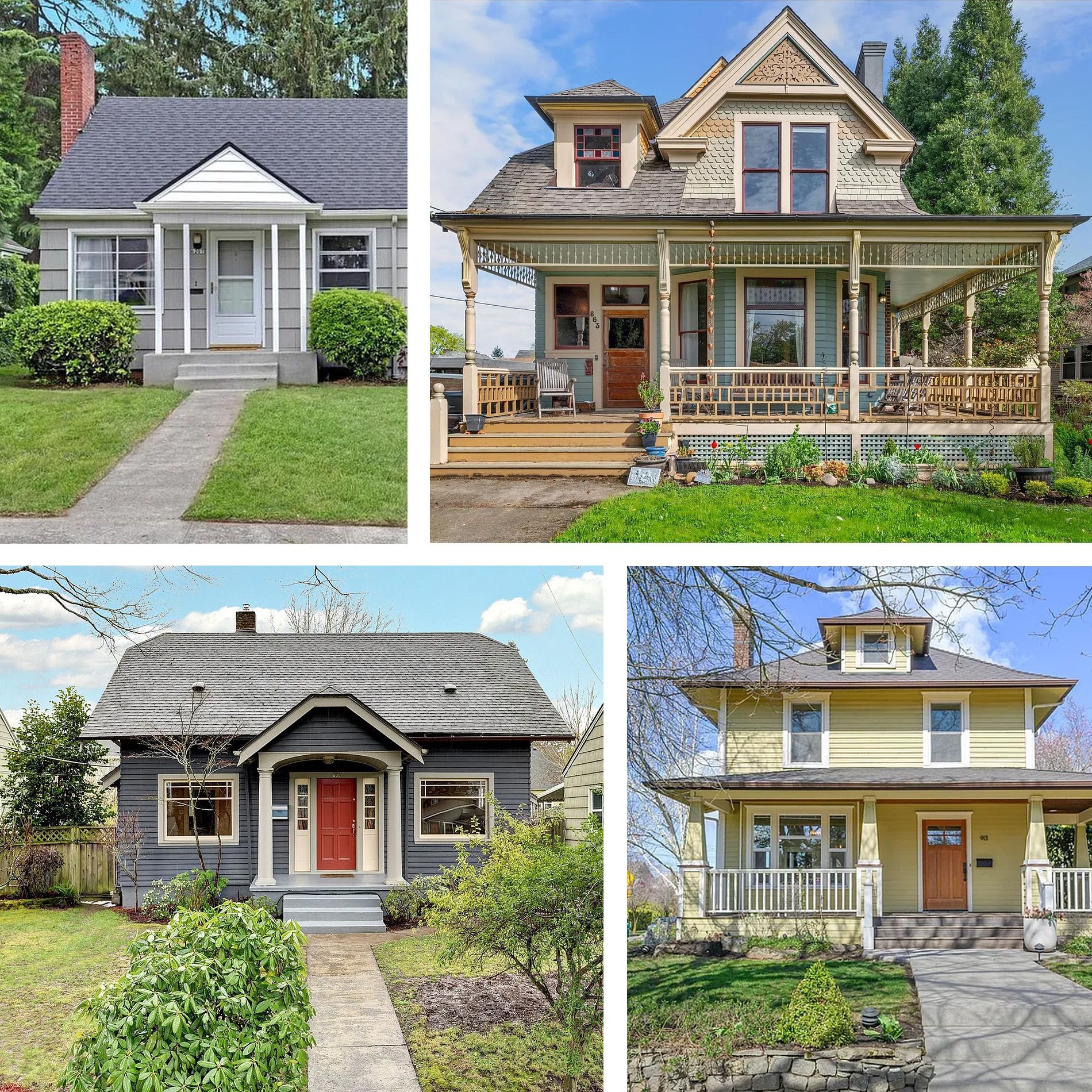
Woodlawn was settled in the 1860s as a farming village, long before the streetcar lines reached this part of Portland. That makes it one of the oldest residential areas in what eventually became the Albina community. Some of the earliest structures here predate the construction boom that gave Portland its Craftsman bungalows and Foursquares, which means the housing stock spans a wider range of eras than you’ll find in most Portland neighborhoods.
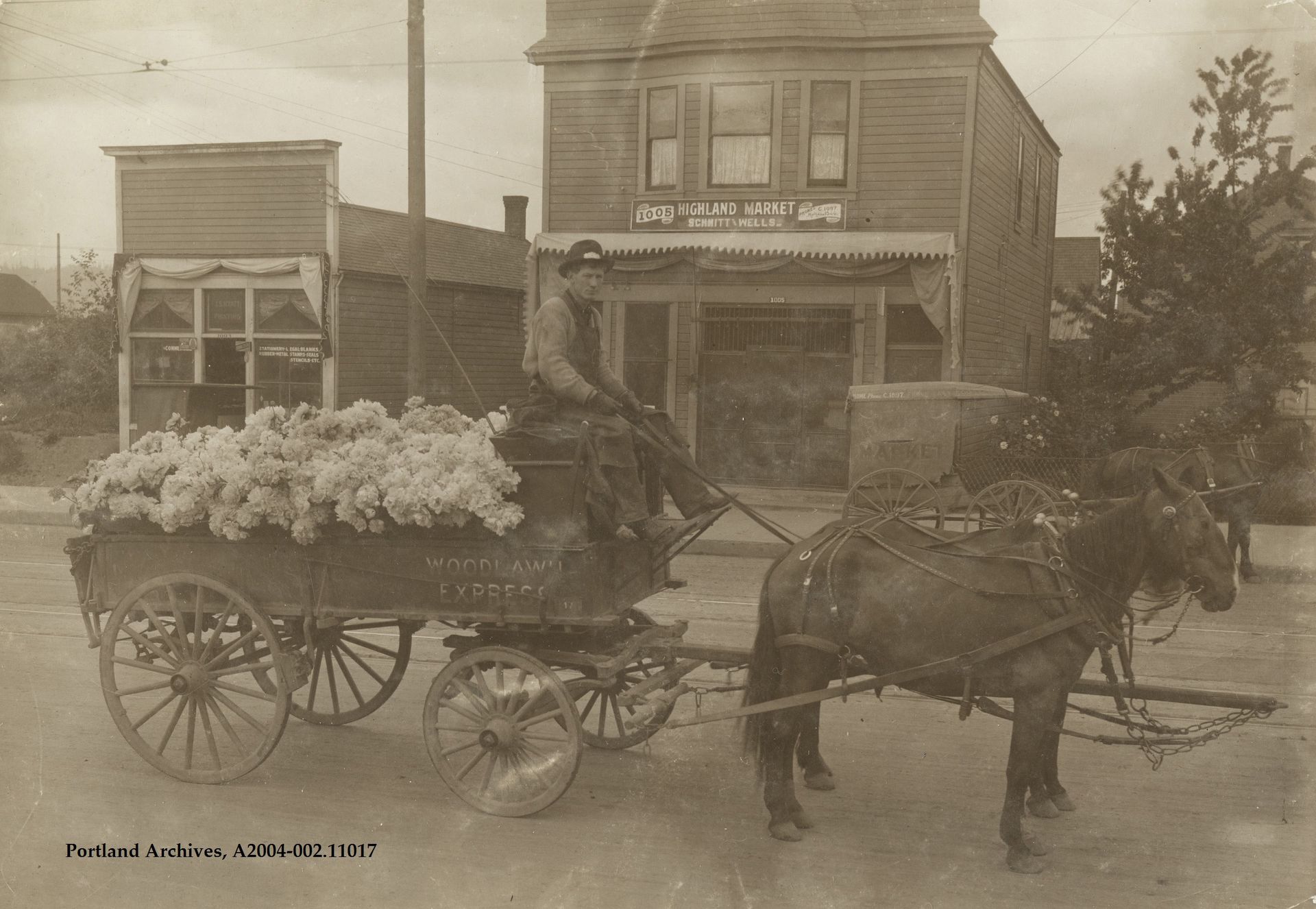
By the early 1900s, Woodlawn had grown from a rural settlement into a streetcar-era neighborhood with the same architectural patterns as Piedmont and Kenton: Craftsman bungalows, Foursquares, and early vernacular homes on tree-lined residential streets. The Woodlawn Triangle, a small commercial district at the intersection of NE Dekum and NE Durham, anchors the neighborhood and gives it a center of gravity.
Woodlawn is part of the greater Albina community and shares the cultural history that connects all of North and Northeast Portland’s historic neighborhoods. Renovating here calls for a contractor who understands the full span of Portland’s building history and treats each home’s story with the respect it deserves.
What Makes Woodlawn a Conservation District?
Woodlawn was designated as a Conservation District in 1993 through the Albina Community Plan. The district covers the residential core of the neighborhood, recognizing the concentration of late 19th and early 20th-century homes that give Woodlawn its architectural character.
Contributing properties include some of the oldest residential structures in North Portland, alongside the Craftsman bungalows and Foursquares that arrived with the streetcar era. The range of construction methods is wider here than in most Conservation Districts. Homes from the 1860s through the 1880s may use vernacular framing techniques that predate the standardized balloon framing found in later homes. Contributing vs. non-contributing status determines which guidelines apply when you’re planning exterior work.
We’ve written a detailed guide to help you understand Portland’s historic home designations and the review process, including how Conservation District rules affect your renovation plans and how Arciform navigates the approval process on your behalf.
What Conservation District Rules Mean for Your Renovation
If your home is classified as a contributing property in the Woodlawn Conservation District, exterior changes may require a process called Historic Resource Review. This includes visible additions, new construction, and alterations to street-facing facades.
The good news: not every project triggers a full review. Portland’s zoning code includes clear and objective design standards that, if met, allow your project to proceed without the review process. These standards address scale, massing, setbacks, materials, and window placement. Interior work is not affected by Conservation District rules at all.
If your project does require review, Arciform handles the process from start to finish. We prepare the documentation, design to meet the guidelines, and present to the review committee. Our team has navigated dozens of these approvals across Portland’s Conservation and Historic Districts.
For a closer look at what to expect, read our guides on
five things you need to know about the historic review process and
how Arciform’s team handles historic review on your behalf.
Kitchens, Bathrooms, and Common Projects in the Woodlawn Neighborhood
Because Woodlawn’s housing stock spans such a wide range of eras, the renovation challenges vary more here than in neighborhoods with a tighter period of significance. Pre-1900 homes may have non-standard room sizes, unusual framing, and layouts that don’t follow the patterns we see in Craftsman-era construction. Later homes share the compact kitchen and single-bathroom patterns common across Portland’s early 1900s neighborhoods.
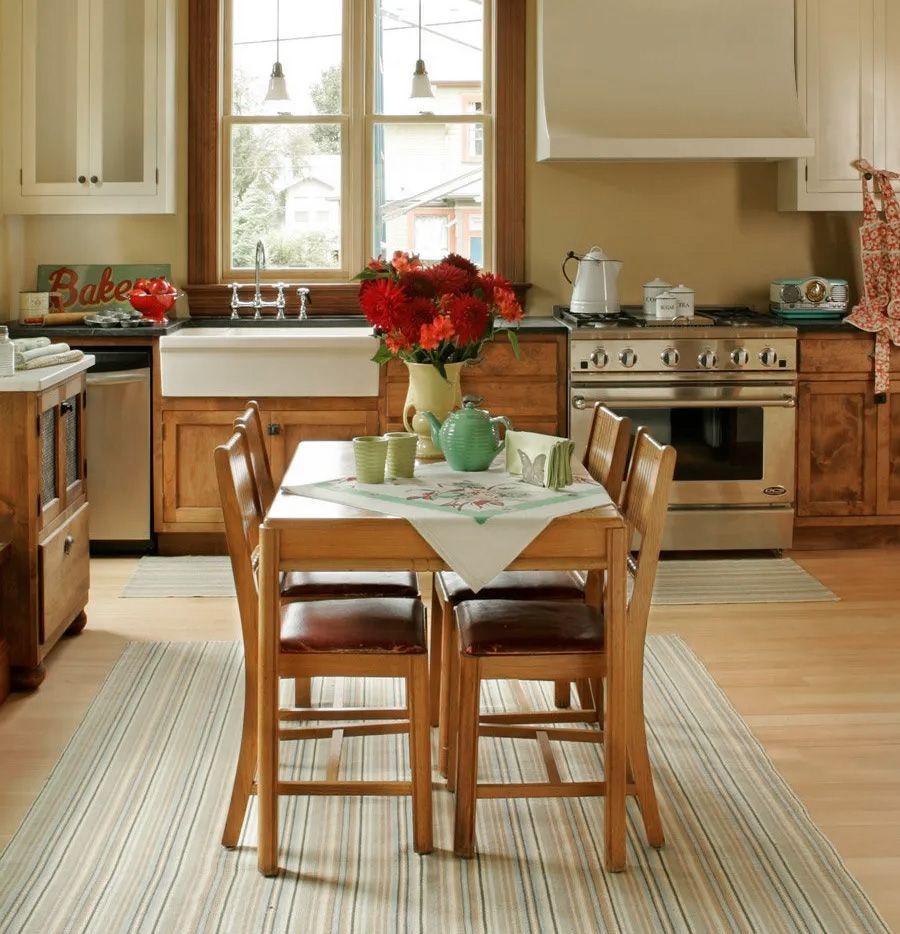
Kitchen remodels are a natural starting point in both eras. In the older homes, the kitchen may have been an afterthought or a later addition. In the Craftsman-era homes, the layout is more predictable but still compact. In both cases, improving flow, storage, and counter space while respecting the home’s proportions is the goal.
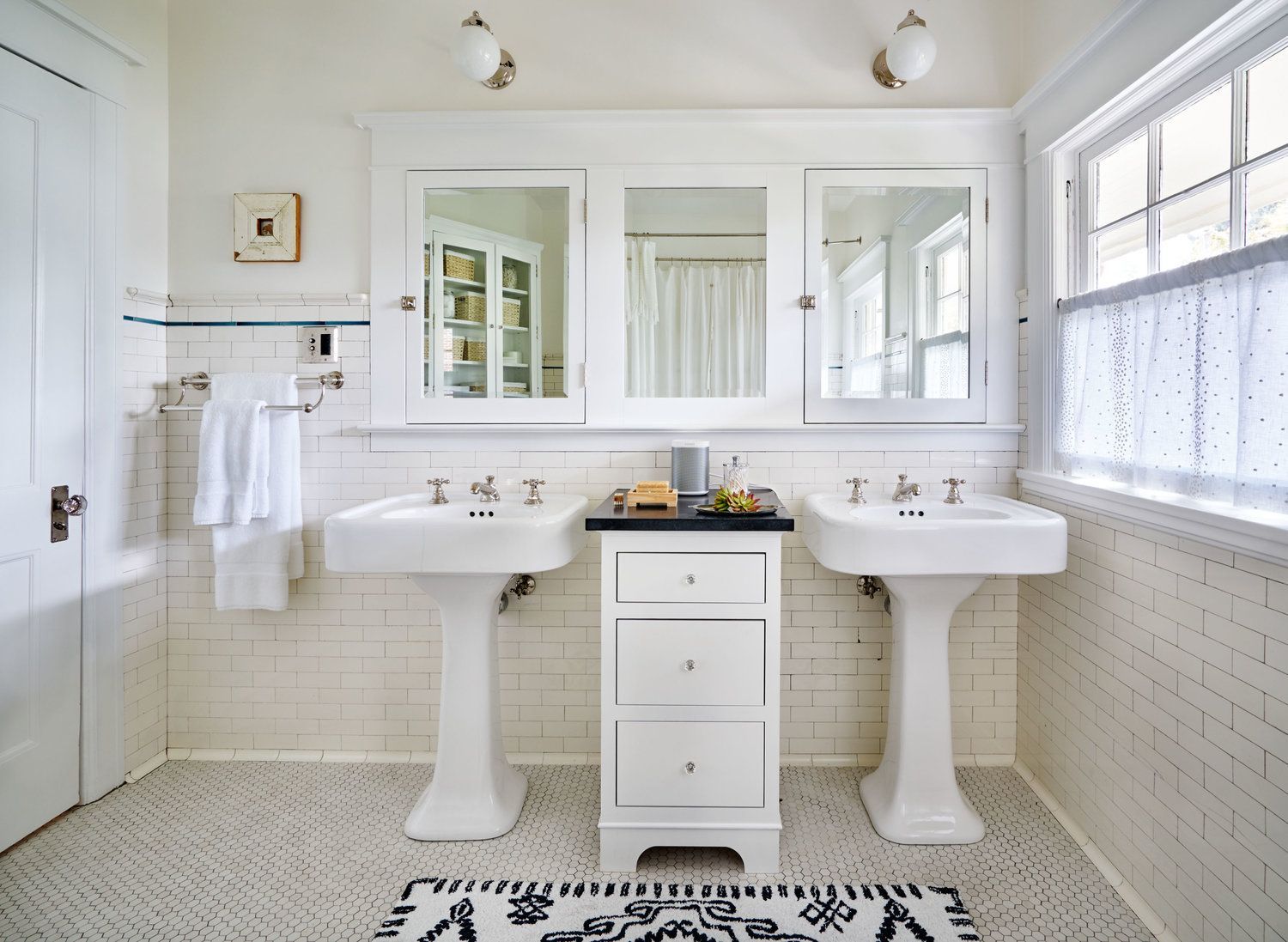
Bathrooms, basements, and system upgrades follow the same patterns we see across the Conservation Districts. The oldest homes in Woodlawn may present unique structural considerations, including foundations that predate modern poured concrete. Our team evaluates each home’s specific construction before designing anything, so the renovation plan reflects what’s actually behind the walls.
For more guidance on planning these projects, browse our
kitchen remodeling guides and
bathroom planning guides in our
Homeschool resource center, or visit our
kitchen remodeling and
bathroom remodeling service pages to see how we approach each project type.
Why Choose Arciform for Your Woodlawn Renovation?
Arciform is a design-build firm that has been renovating Portland’s older homes since 1997. One team handles your project from early design through final construction, so there’s no gap between what’s designed and what gets built.
Our designers understand vintage architecture. Our builders know pre-war structures: balloon framing, plaster over lath, original-growth fir. And our in-house woodshop handles historically accurate restoration of windows, doors, and millwork, so period details are preserved rather than replaced.
We’ve worked across Portland’s
historic and vintage neighborhoods and we understand what it takes to deliver results that honor both the home and the neighborhood.