Anyone who has lived in an early 20th-century home knows the familiar morning shuffle: multiple people heading for the same second-floor bathroom, and endless loads of laundry traveling up and down the stairs. It’s part of the charm of a vintage home—but also one of its most persistent challenges.
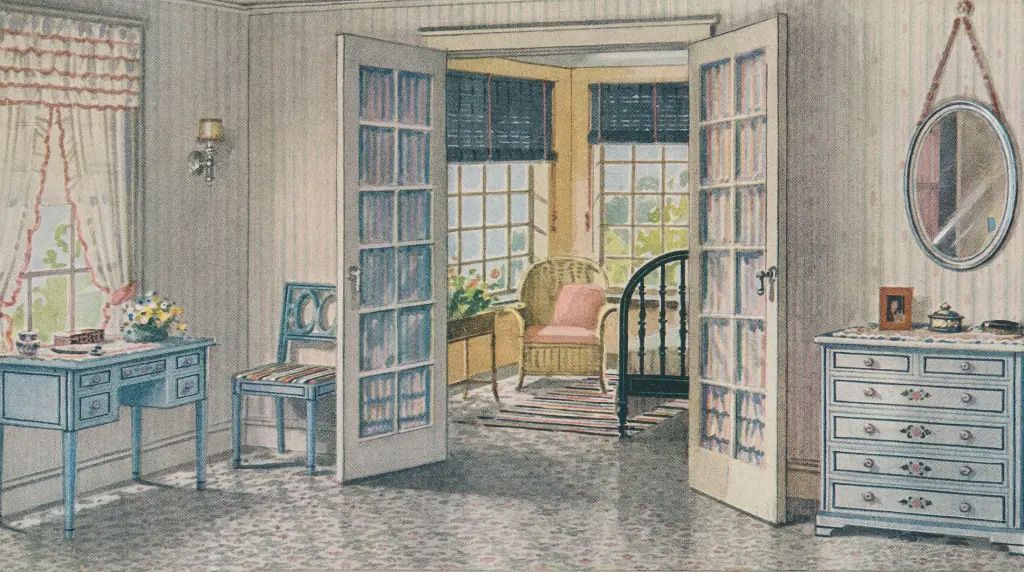
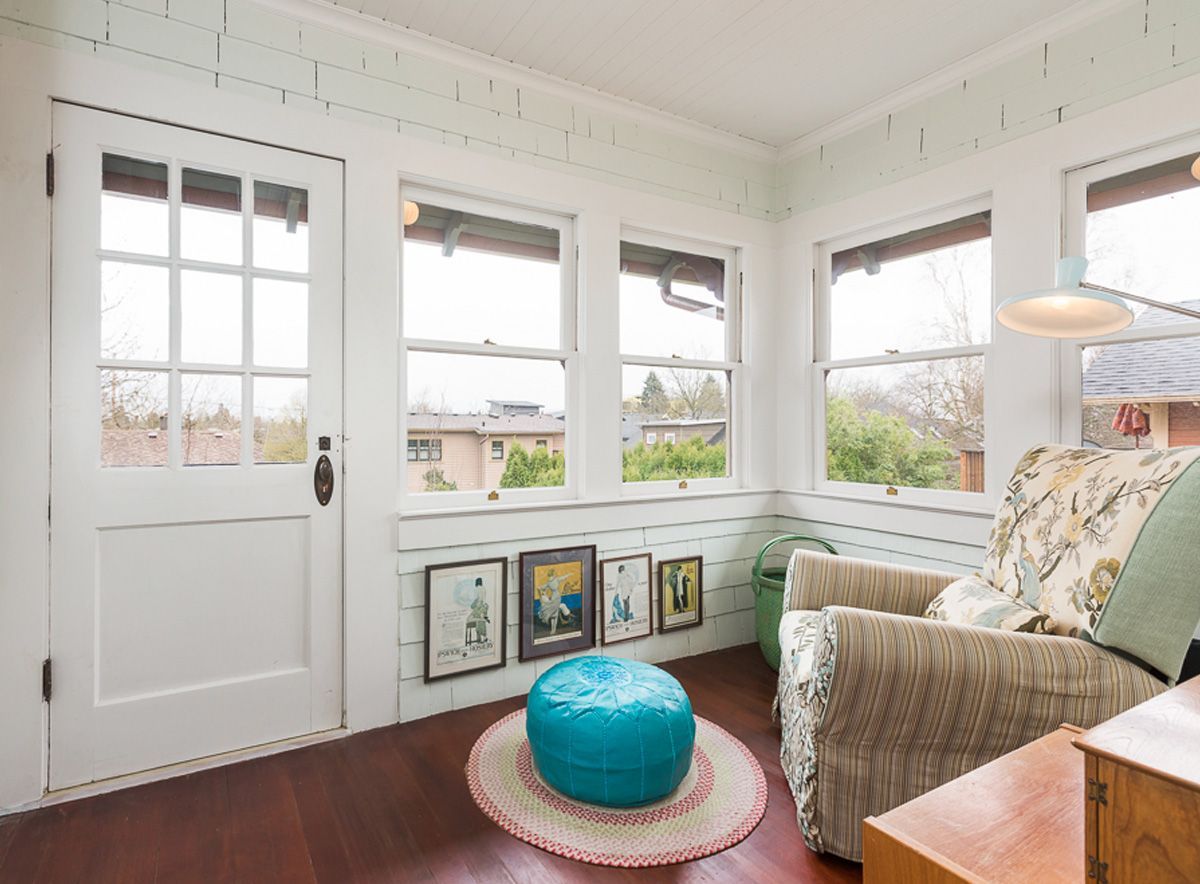
Fortunately, many of these homes were built with sleeping porches—breezy rooms designed for warm summer nights before air conditioning was common. Today, these spaces are often underused or unconditioned, yet they offer one of the most practical opportunities to improve comfort and function without altering the home’s footprint. With thoughtful planning, a sleeping porch can become a much-needed second bathroom, a convenient upstairs laundry room, or, in some cases, both.
Identifying the Right Use for Your Sleeping Porch
The first step in any sleeping porch conversion is to look carefully at the overall layout of the second floor and think honestly about how your household functions day to day. For some homes, adding a primary bathroom, while desirable, simply isn’t feasible. In those cases, a well-designed second hall bath created in a sleeping porch can still make mornings far easier.
In other homes, carving out even a compact laundry closet on the sleeping porch may provide more daily relief than a larger bathroom renovation. When a porch is generous in size, it may be able to support more than one function. The goal is always to balance practicality with preservation—choosing a use that genuinely solves household challenges while remaining true to the home’s original architecture.
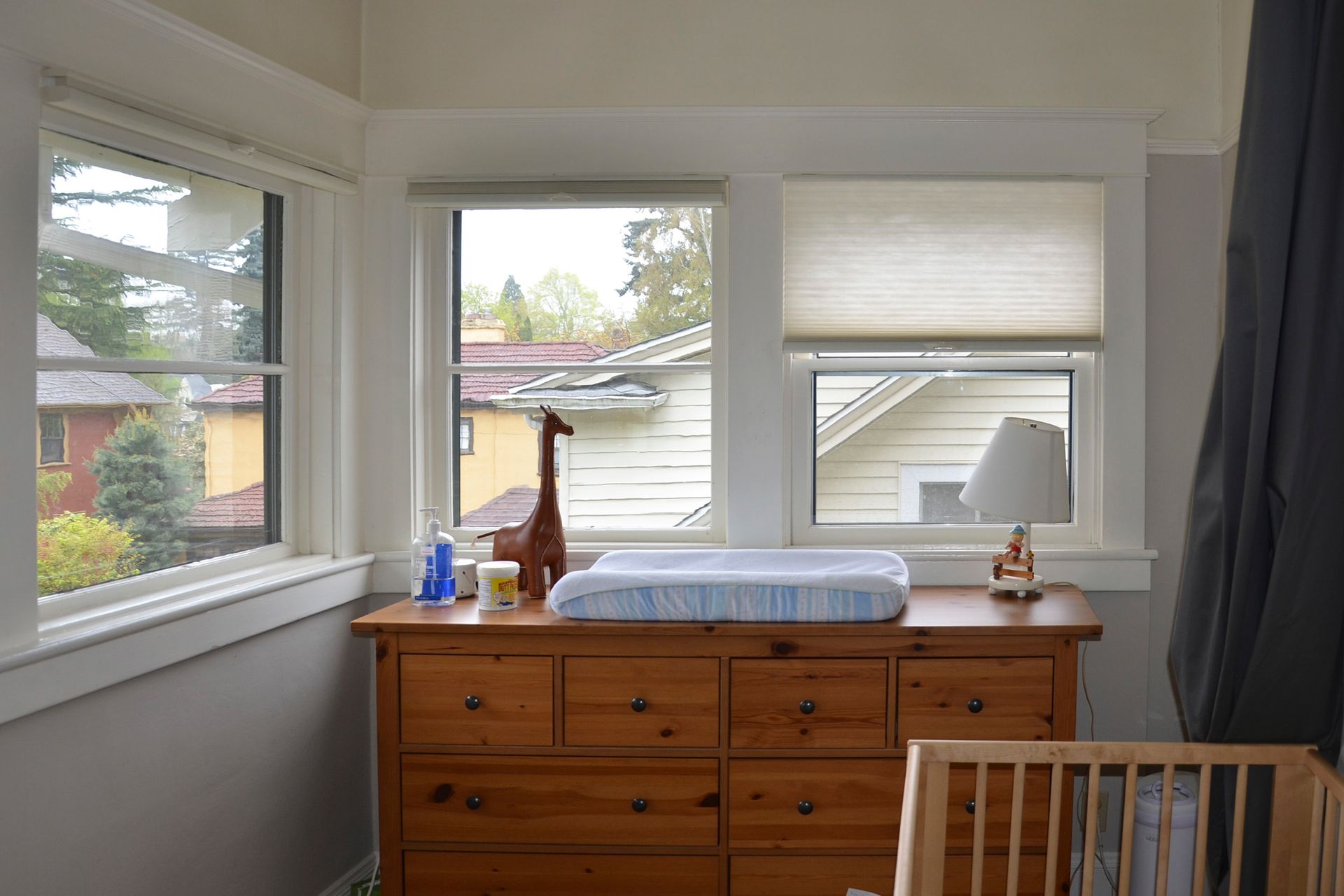
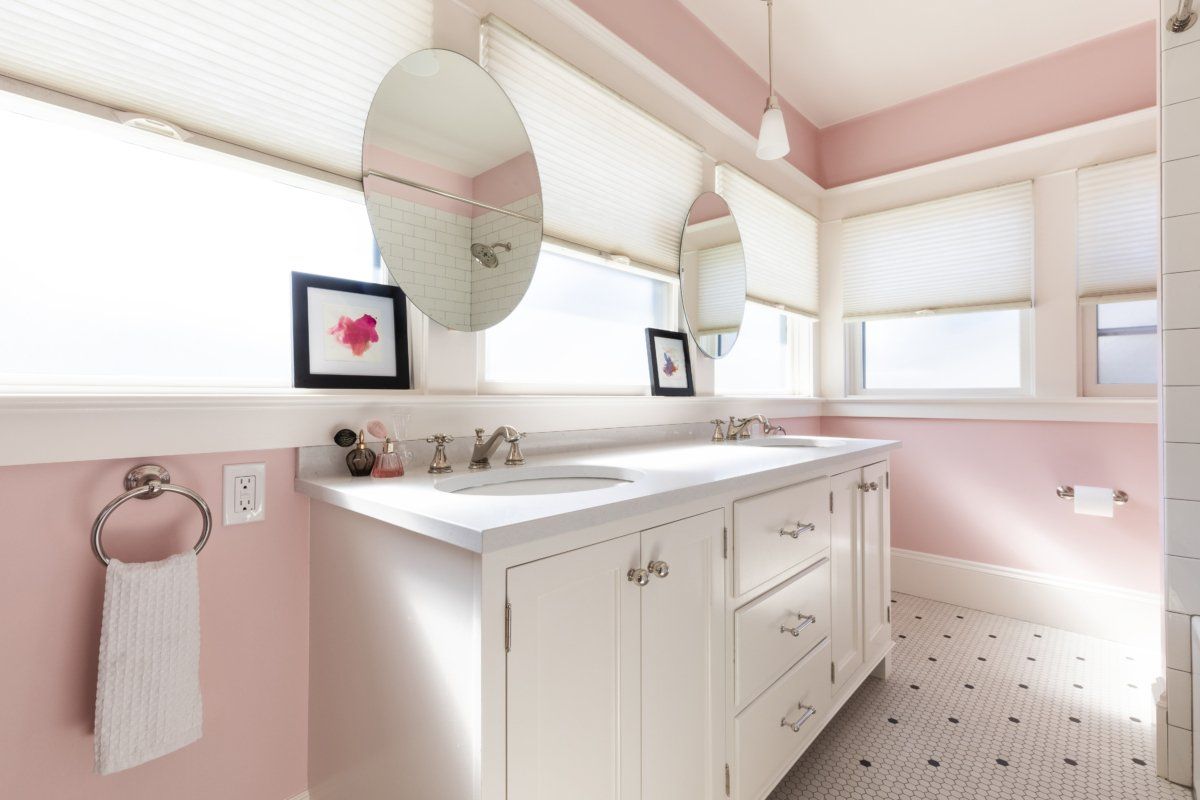
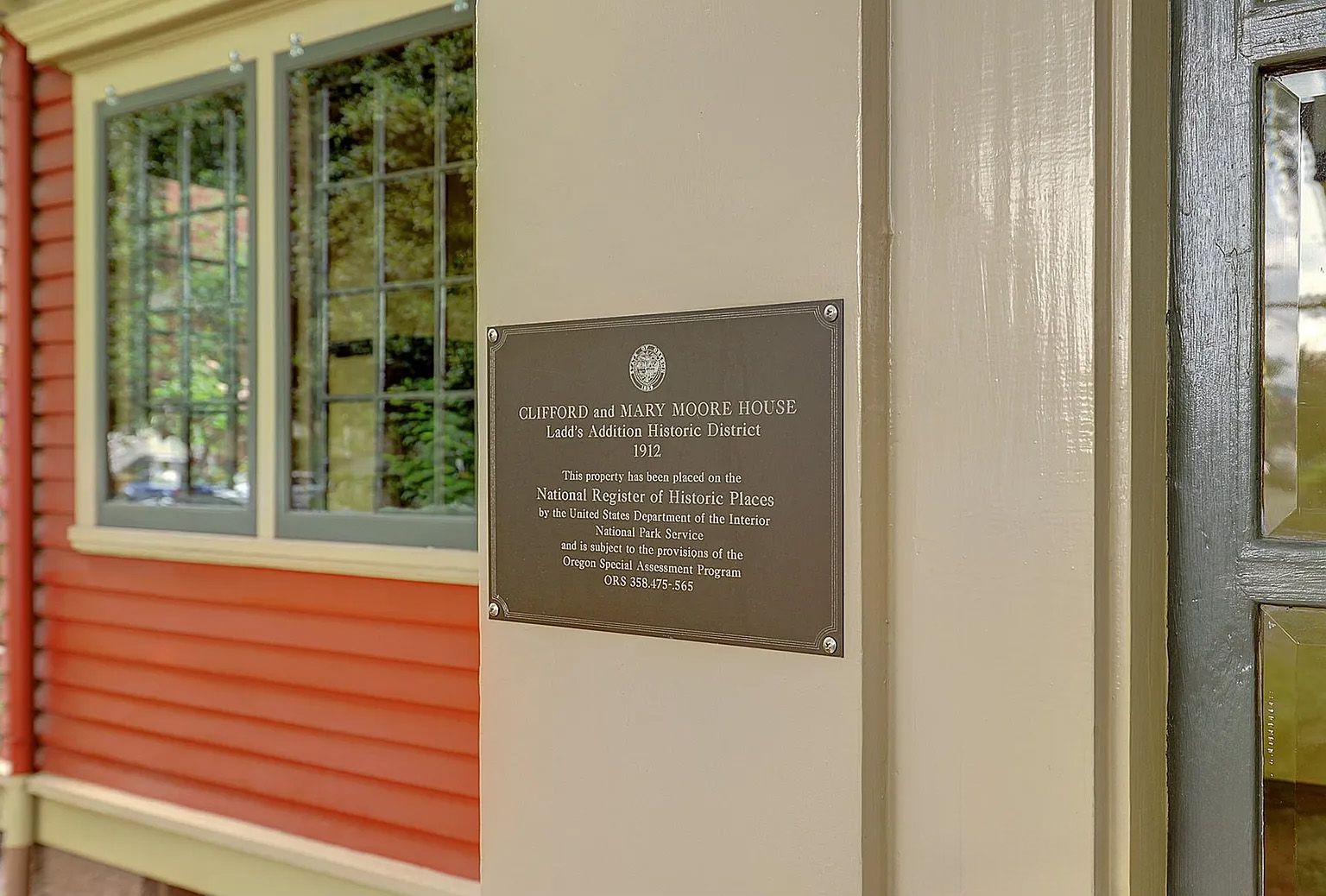
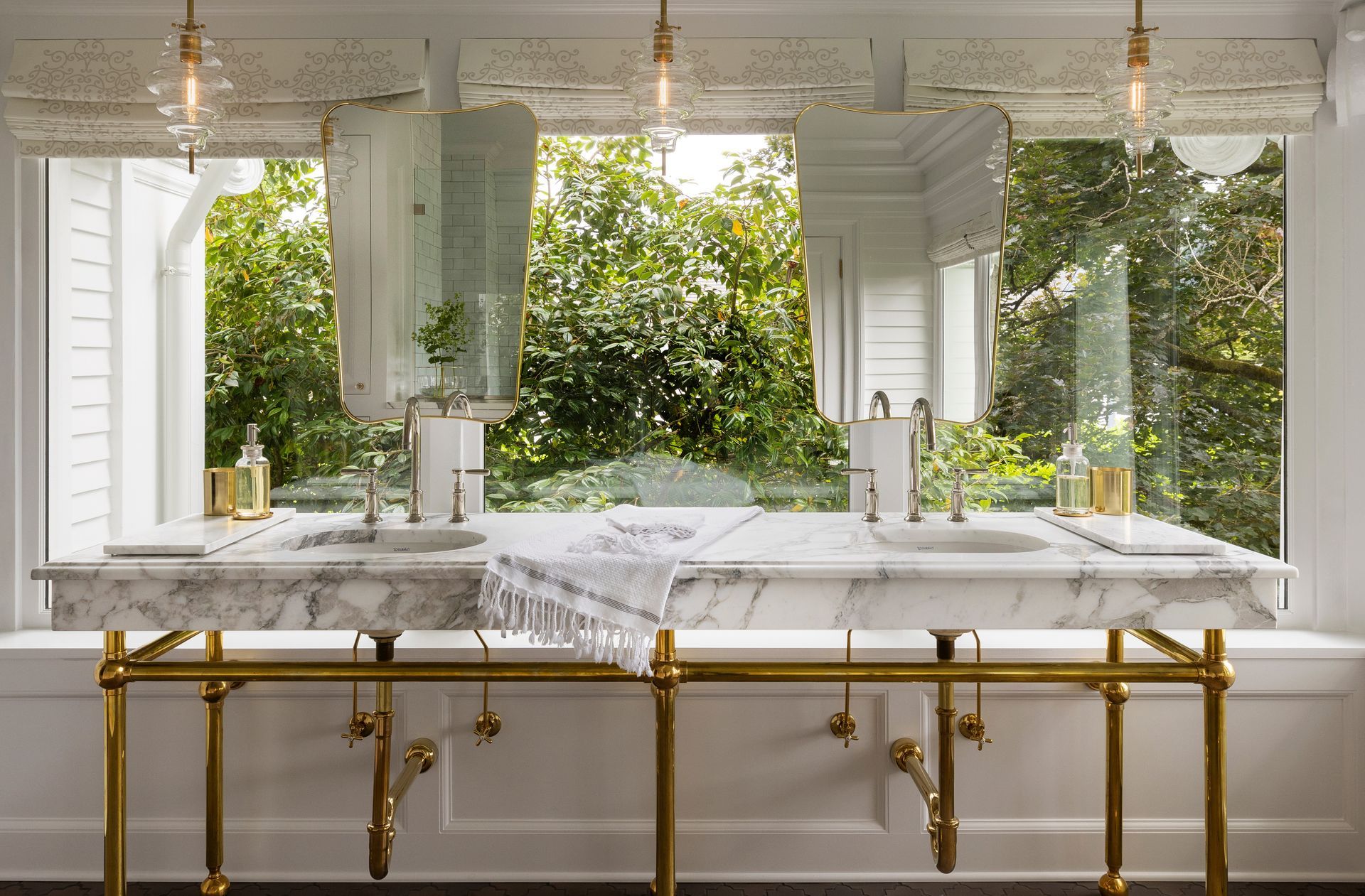
For this Irvington Historic District home, Arciform transformed the former sleeping porch, which was most recently used as a nursery, into a spacious children's bath.
Turning a Sleeping Porch into a Primary or Shared Bath
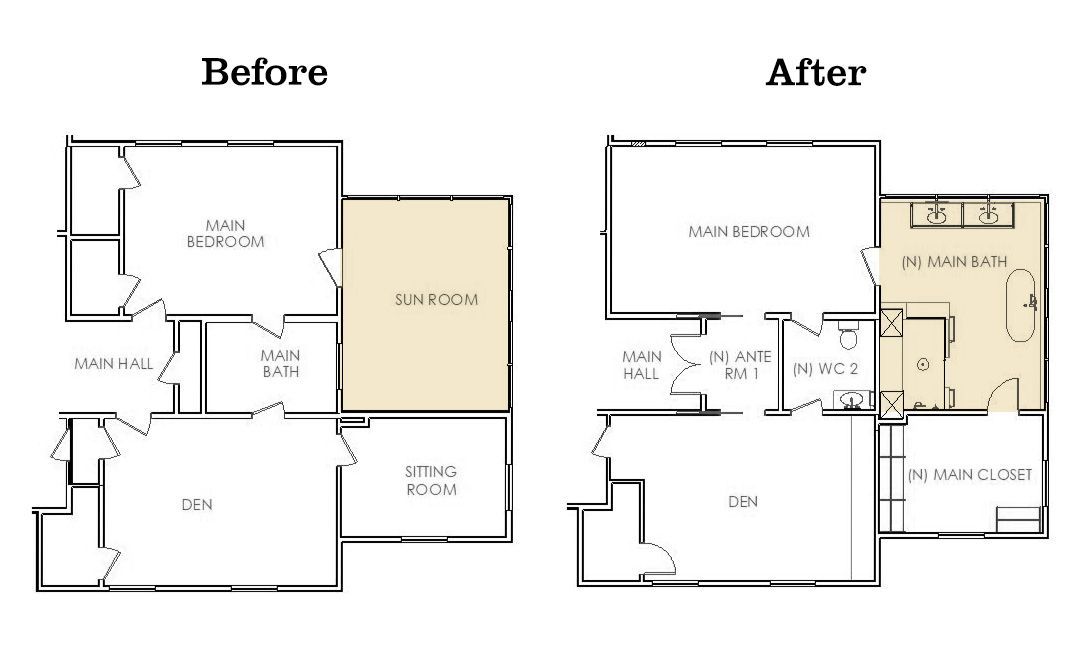
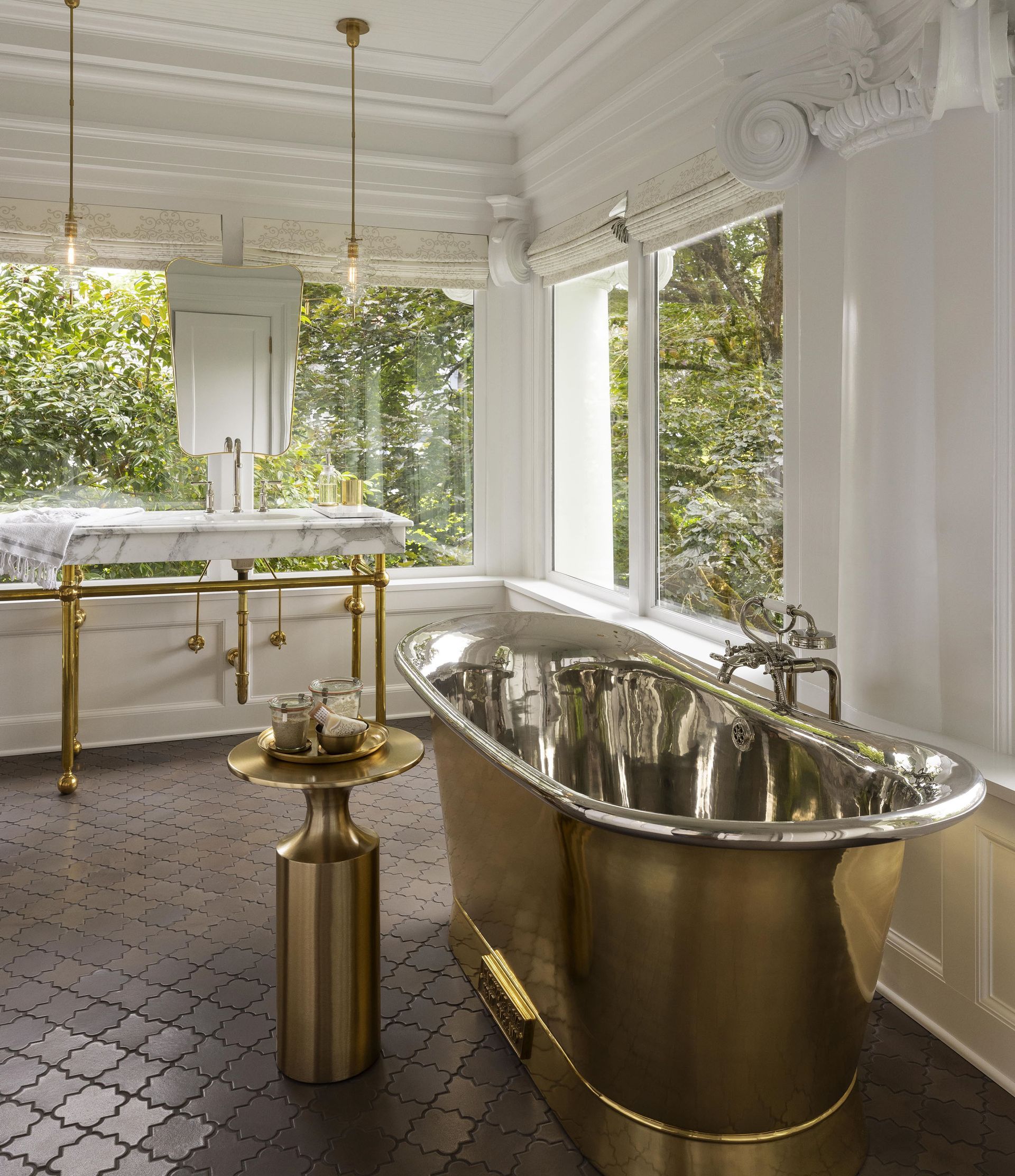
When a sleeping porch is located adjacent to a primary bedroom, it can offer a rare opportunity to create a true primary bath—something many historic homes simply don’t have. Because sleeping porches are often larger than a typical hall bathroom, they can comfortably accommodate features that are otherwise difficult to achieve, such as a separate tub and shower, dual vanities, or generous circulation space.
In some layouts, the porch can even be thoughtfully divided to create a Jack-and-Jill bath, providing shared access from two bedrooms or a hall while maintaining privacy and function. Large windows, a hallmark of sleeping porches, bring in abundant natural light and can transform a bathroom into one of the most pleasant rooms in the house when paired with well-planned privacy solutions. With careful design, a sleeping porch bathroom can feel both gracious and grounded—fully modern in function while still connected to the home’s original character.
Why Sleeping Porches Also Make Excellent Laundry Rooms
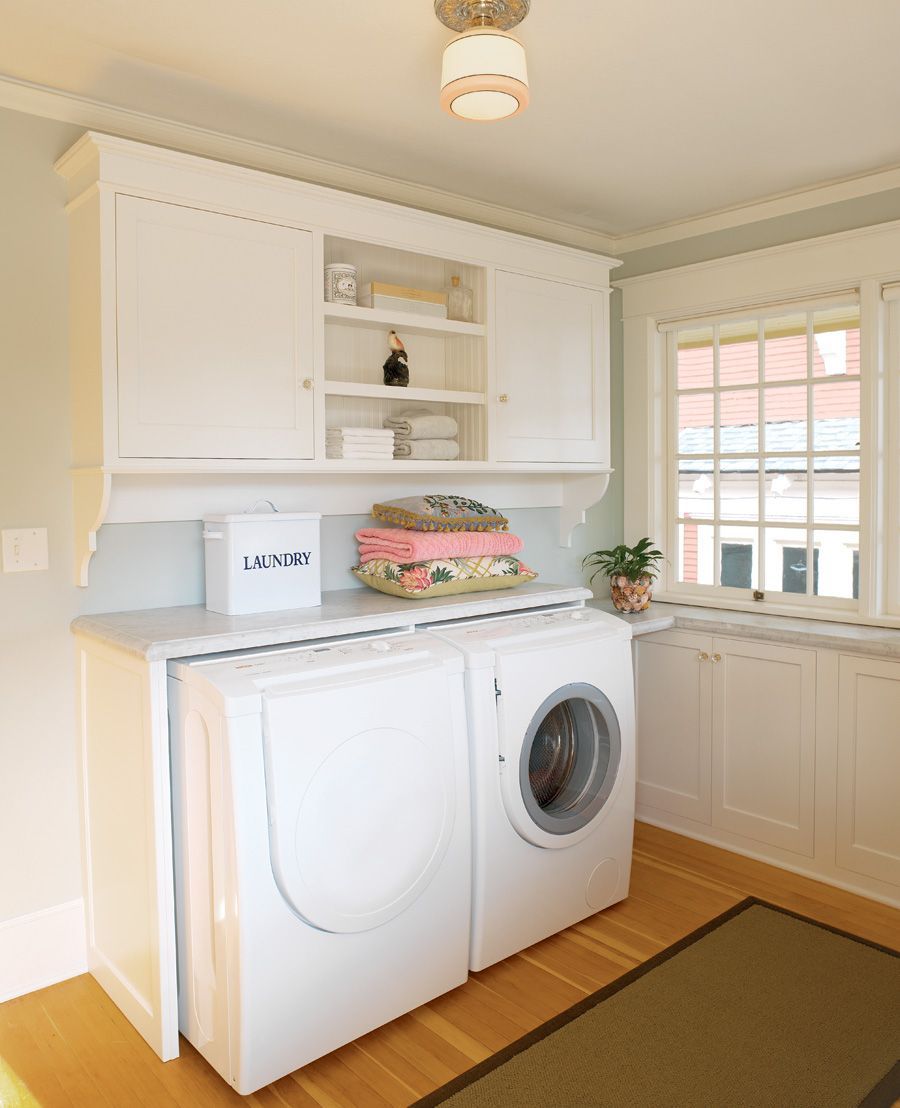
For many homeowners, converting a sleeping porch into an upstairs laundry room delivers one of the most immediate improvements to daily life. Moving laundry closer to bedrooms eliminates constant trips to the basement and makes routine tasks feel far more manageable.
These porches often lend themselves well to efficient, multi-purpose layouts, with space for a folding counter, built-in hampers, or even a small area for sewing, crafts, or gift wrapping. Thoughtfully designed under-window cabinetry or open shelving can take advantage of the porch’s large window openings without blocking light, providing storage for supplies while keeping the room bright and functional. With careful planning, a sleeping porch laundry can become more than a utility space—it can be a calm, organized workroom that quietly supports the rhythm of everyday living.
Structural and Comfort Considerations for Sleeping Porch Conversions
As ideas move into planning, one of the first practical considerations is the structure itself. Sleeping porches were intentionally built lighter than interior rooms, which means updates to framing, insulation, and flooring are often required as part of a conversion.
Temperature control is equally important. These rooms were once open to the elements, so proper heating, cooling, and moisture protection are essential to making the new space comfortable year-round. Done well, these upgrades can dramatically improve performance while still respecting the home’s historic character.
Navigating Historic Design Review
For homeowners in historic districts, understanding the review process early is essential. In many cases, a sleeping porch can be converted without triggering a formal Historic Resource Review—particularly if existing window openings and the exterior appearance remain intact.
Once changes extend to window configurations, siding, or rooflines, review and approval are typically required. Knowing where that threshold lies helps you plan realistically and avoid surprises. A clear, well-prepared submission with drawings and material details not only streamlines the process but also keeps the home’s historic qualities front and center.
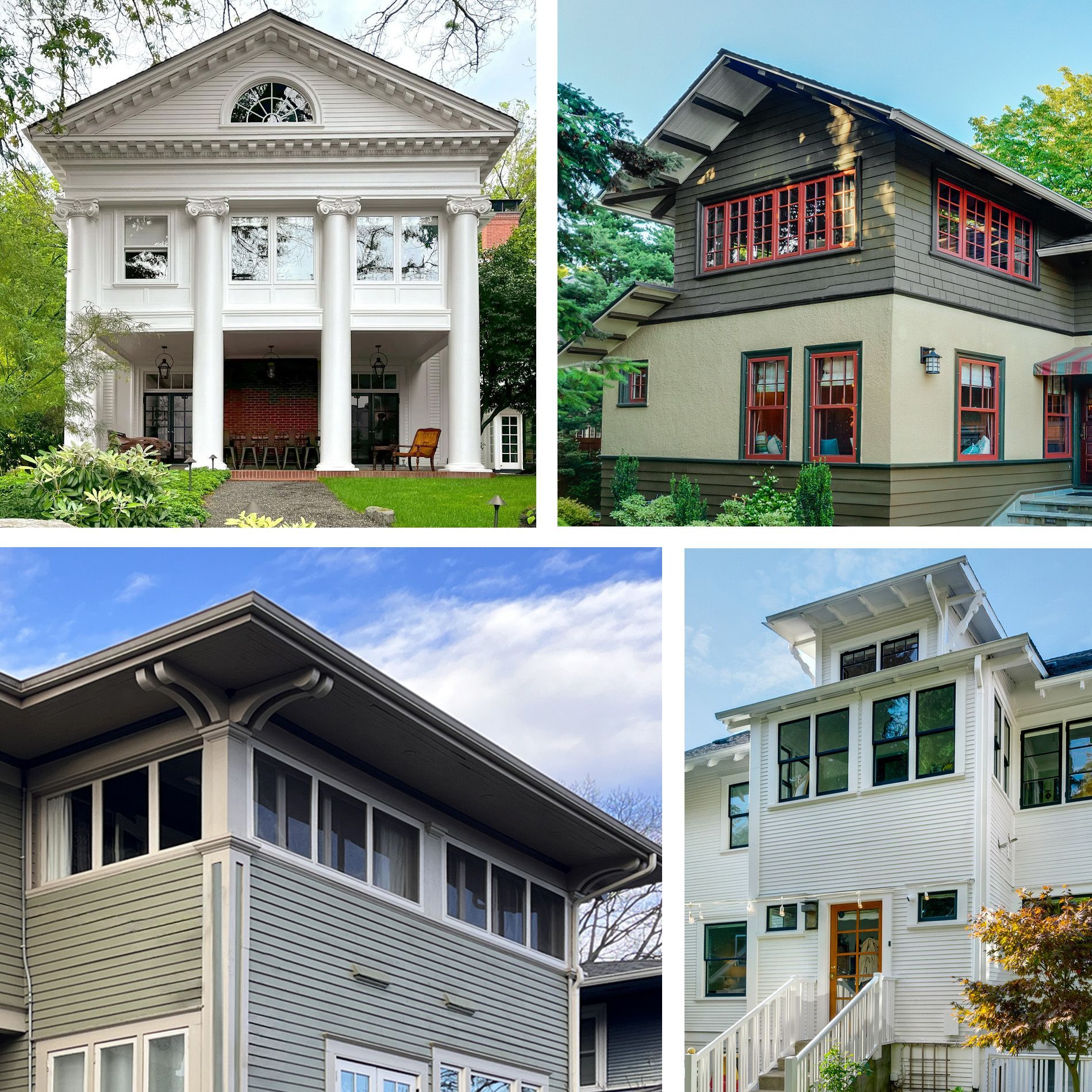
Successful Sleeping Porch Conversions Preserve Original Architectural Details While Adding Modern Convenience
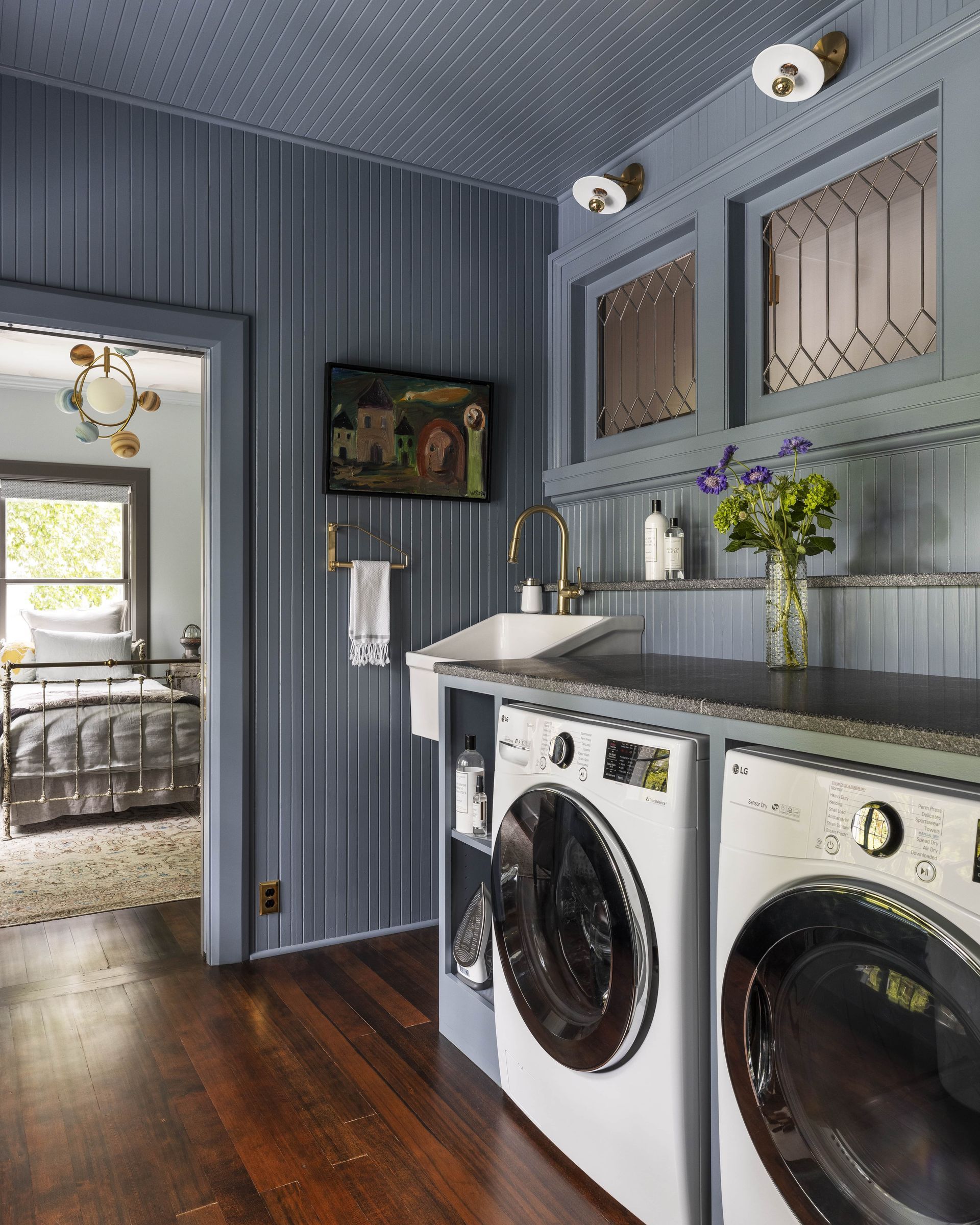
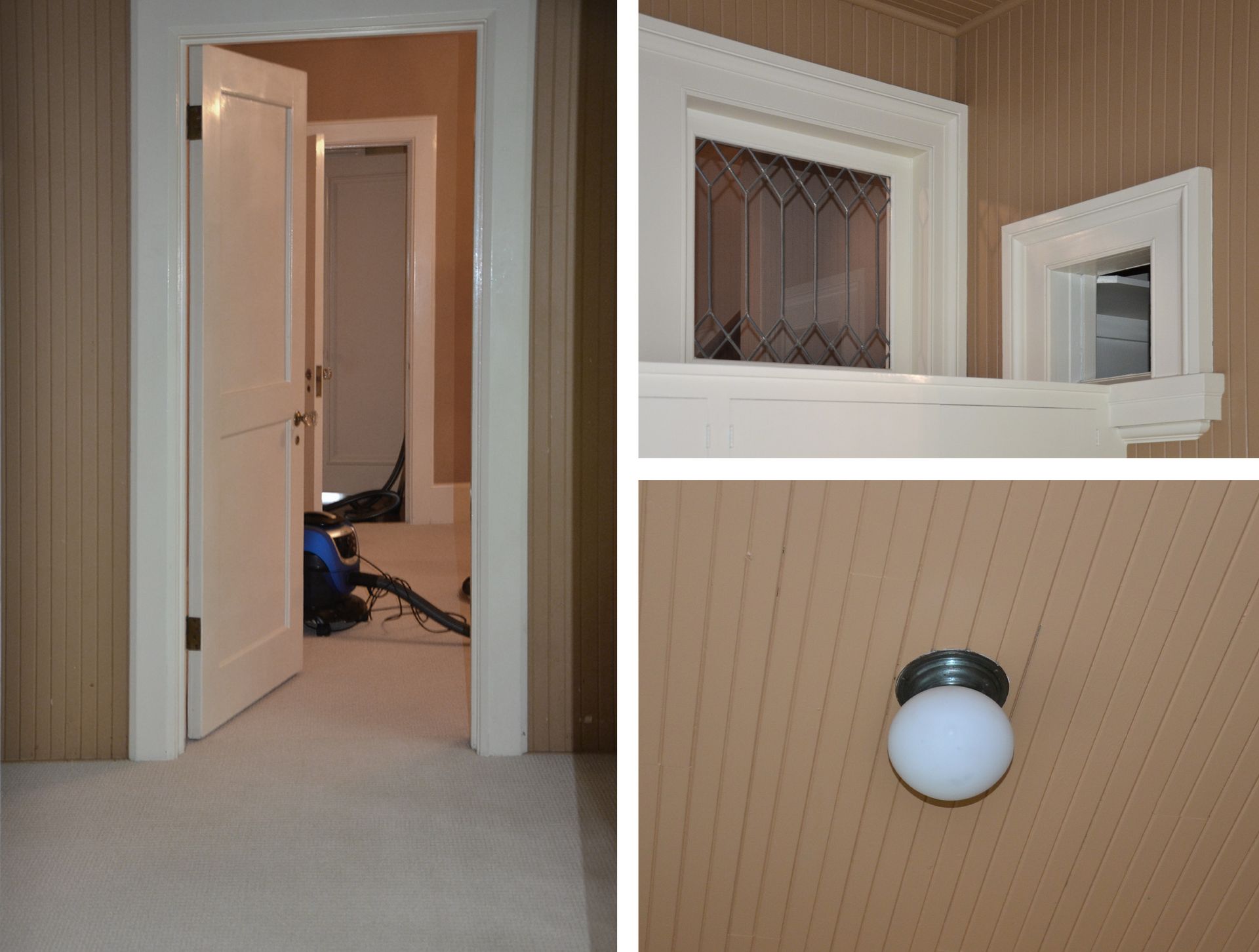
A sensitive conversion preserves the elements that made the sleeping porch special in the first place. Original features such as exterior siding, tongue-and-groove ceilings, and generous window openings can often be retained or thoughtfully adapted.
Large windows, in particular, tend to become the focal point of a new bathroom or laundry room. Restoring or rebuilding them to match historic proportions allows the space to retain its charm while delivering modern performance.
Privacy Solutions that Respect Historic Character
Privacy is often a concern in these generously glazed spaces, but it can be addressed in subtle, historically appropriate ways. Opaque or lightly frosted film on lower panes maintains daylight while limiting visibility. Café curtains or simple roller shades offer flexible privacy without overwhelming the architecture.
In some cases, a mirror can even be mounted directly in front of a window—positioned just far enough forward to allow window coverings behind it. These small design decisions help the porch retain its airy quality while fully supporting its new role.
Material Choices that Create Continuity
Material selection plays an important role in making a converted sleeping porch feel intentional rather than added on. Tile, cabinetry, and fixtures that reflect the era of the home create continuity with surrounding historic spaces. Details such as wood trim profiles, door styles, and hardware finishes reinforce that connection—even when the room serves a completely new purpose.
When to Combine a Sleeping Porch Conversion with Other Remodeling Projects
A sleeping porch conversion is often most efficient when it’s planned alongside other renovations—but the real advantage is thinking ahead. If you’re remodeling a kitchen directly below the porch or updating an adjacent second-floor bathroom, it’s important to consider not only today’s project, but what you may want to tackle in the future.
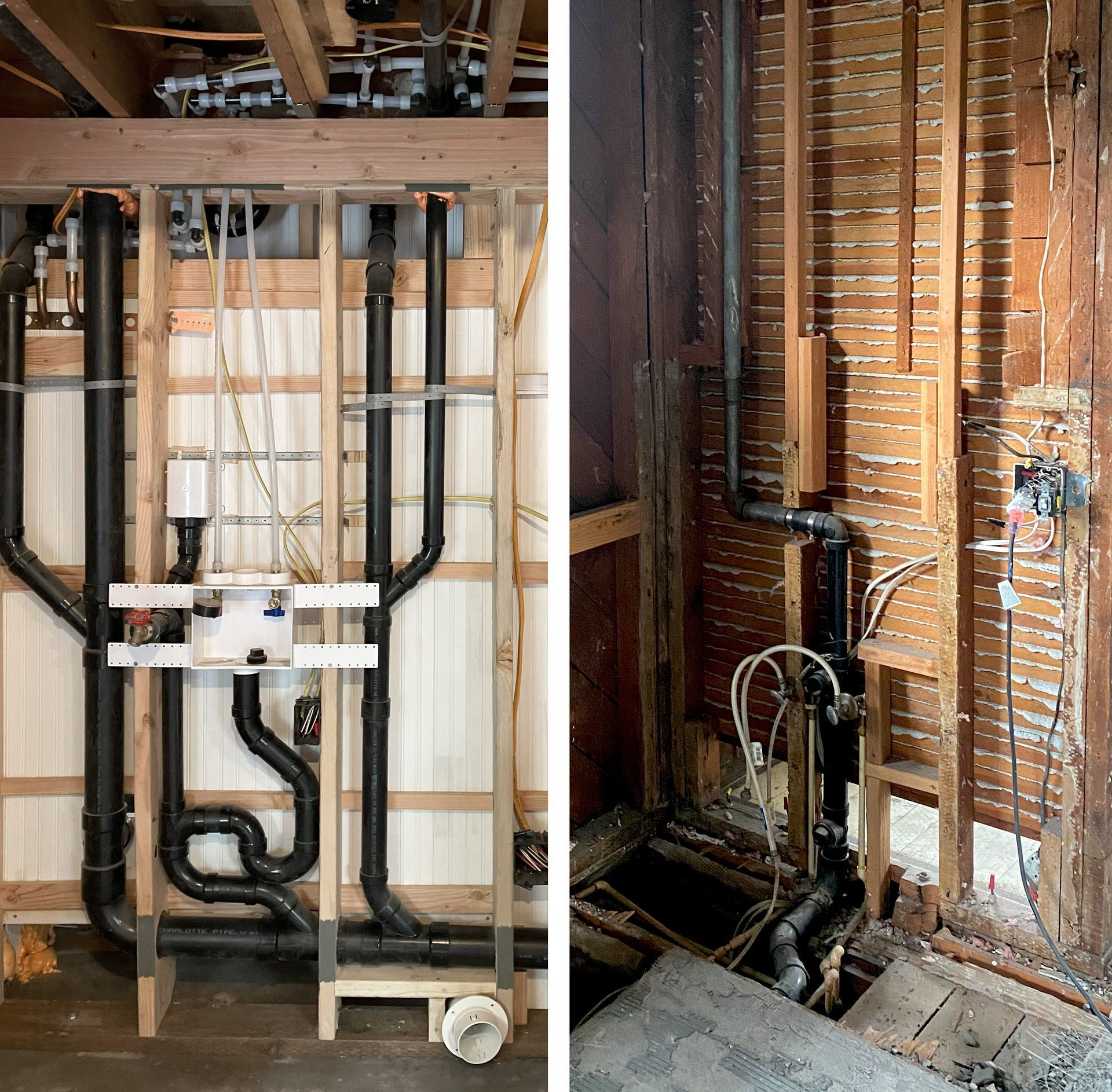
For example, remodeling a kitchen without accounting for a future sleeping porch conversion above it can create unnecessary challenges later. Plumbing, electrical, or ventilation routes may end up buried behind finished ceilings or newly installed cabinetry, requiring parts of the completed kitchen to be opened up or altered down the road. With early planning, future needs can often be anticipated—by roughing in plumbing, planning electrical capacity, or reserving chases—so later improvements can be completed with far less disruption.
Coordinating projects also allows trades to work more efficiently, walls to be opened once instead of multiple times, and systems to be designed as part of a cohesive whole. Even if the sleeping porch conversion isn’t part of the current scope, acknowledging it early can save time, cost, and frustration while giving you a home that evolves more gracefully over time.
Budget Planning and Phased Remodeling
This kind of advance planning also creates more flexibility around budget and timing. When future improvements are identified early, remodeling can be approached in thoughtful phases rather than as isolated projects. Budgets can prioritize what delivers the most immediate benefit, while still preparing for what comes next.
In historic homes especially, phased remodeling allows needs to evolve without undoing recent work. Investing in infrastructure—such as plumbing capacity, electrical service, or framing adjustments—during an initial project can make later phases more predictable and far less disruptive, even if the finished spaces come years apart. With a clear long-term plan, each phase can feel complete on its own while still contributing to a cohesive, well-considered home.
A Small Space with a Big Impact
For many homeowners, transforming a sleeping porch is a chance to solve long-standing functional challenges while adding comfort and value. With thoughtful design, a clear plan for structural and mechanical improvements, and an understanding of how historic review applies, these small spaces can play a surprisingly big role in supporting the way we live today.
Sleeping Porch Remodeling FAQs
What is a sleeping porch?
A sleeping porch is an enclosed or semi-enclosed room, typically found in early 20th-century homes, designed to provide cool, ventilated sleeping space before air conditioning was common.
Can a sleeping porch be used year round?
Yes. With proper insulation, heating, cooling, and moisture control, a sleeping porch can be comfortably used year-round as a bathroom, laundry room, office, or flex space.
Do sleeping porch conversions require permits?
Yes. Because these projects typically involve structural, plumbing, electrical, and mechanical work, permits are required. Homes in historic districts may also need design review, depending on the scope of exterior changes.
Is a sleeping porch considered living space?
Once properly converted and permitted, it may be counted as finished space, depending on local codes and how the room is used.
Can you convert a sleeping porch without changing the exterior?
In many cases, yes. Retaining existing window openings and exterior materials can help preserve the home’s historic character and may simplify the review process.
Thinking About Converting Your Sleeping Porch?
Sleeping porch conversions require a careful balance of structure, comfort, and historic preservation. At Arciform, we help homeowners understand what’s possible—and how to do it thoughtfully.
If you’re considering a bathroom, laundry room, or other second-floor improvement in a historic home, we’re here to help you explore options and plan with clarity.
See More Stories