
Sellwood Was Building Beautiful Homes Long Before Portland Annexed It - and the Right Contractor Still Respects that Rich History Today
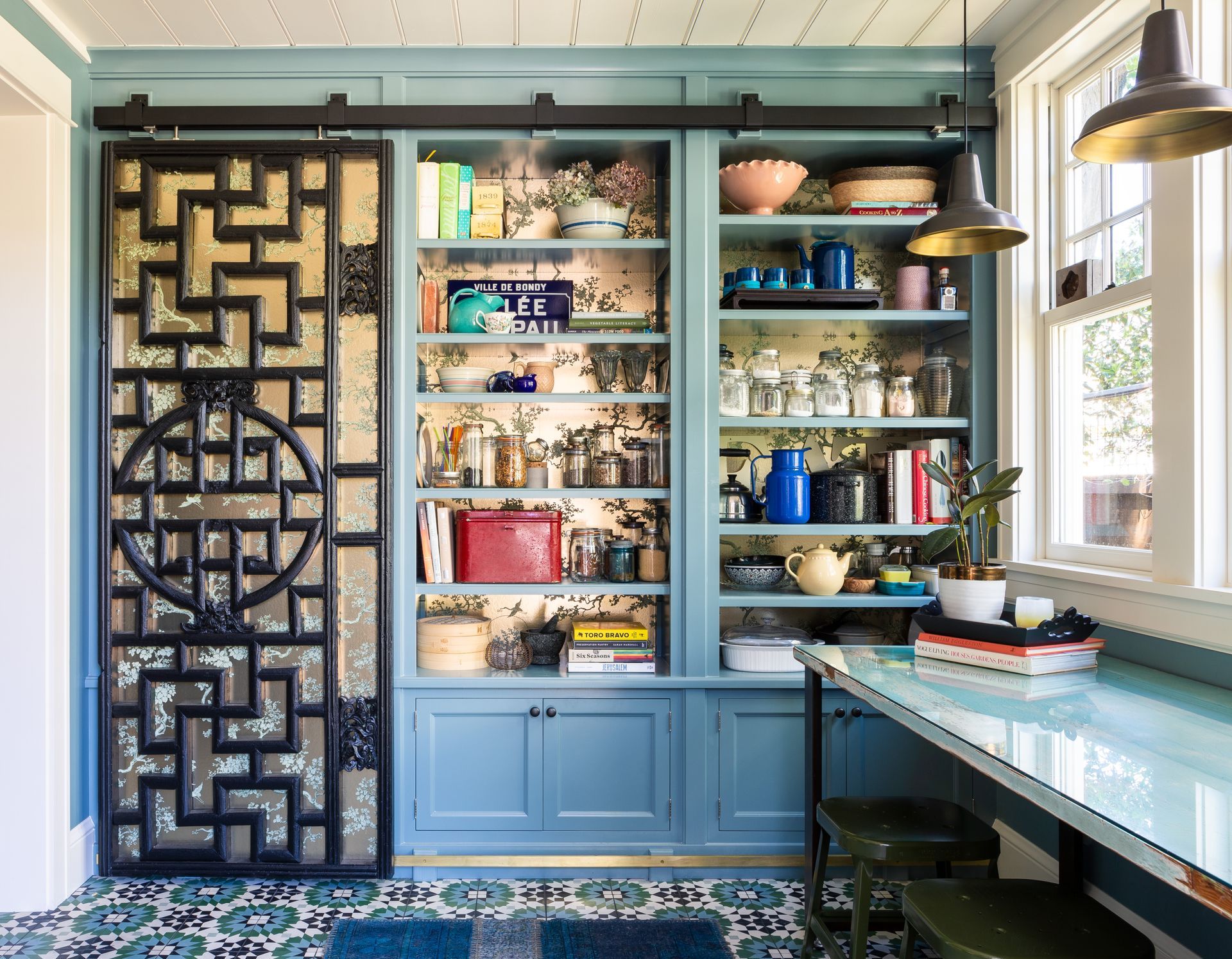
Renovating in Sellwood and Garthwick
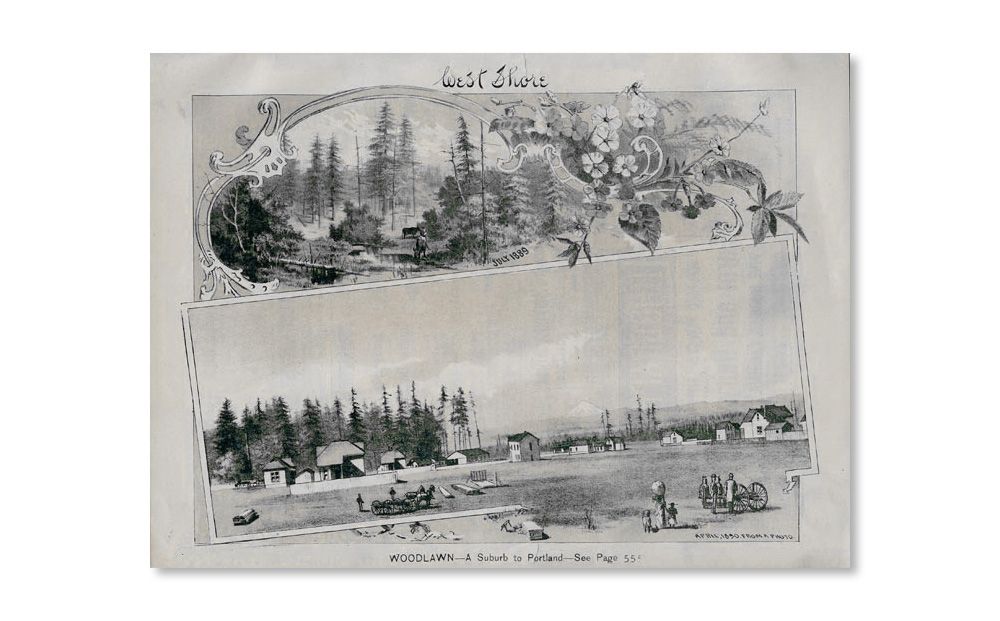
Sellwood was founded in 1882 as an independent community with ambitions to rival Portland itself. That civic pride shows in the housing stock. Victorians from the 1880s and 1890s line the older residential streets near the river, built during the years when Sellwood was its own town with its own identity. When Portland annexed the community in 1893, construction continued, and the architectural record broadened.
Today, Sellwood’s commercial districts along SE 13th and SE 17th are packed with independent shops, restaurants, and antique dealers. The residential streets surrounding them offer one of Portland’s most eclectic mixes of home styles: Victorian cottages, Craftsman bungalows, Old Portland foursquares, and newer townhouses, often within a few blocks of each other.
Tucked within Sellwood, Garthwick is a small, secluded residential area adjacent to the historic Waverley Country Club. The lots here are larger, the homes more substantial, and the atmosphere noticeably quieter. Together, Sellwood and Garthwick offer a range of renovation opportunities that spans well over a century of Portland construction.
The Homes of Sellwood and Garthwick
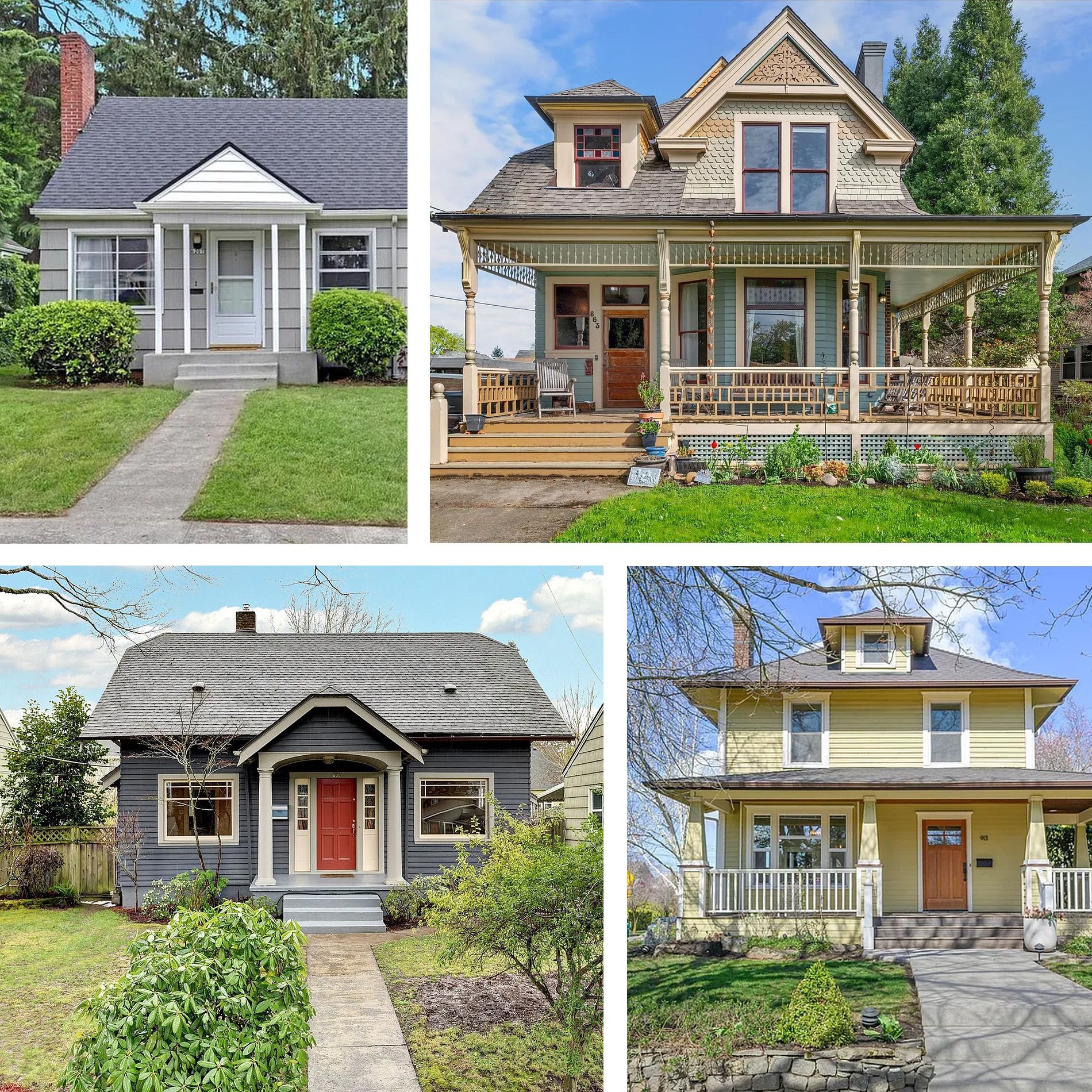
Sellwood’s oldest homes are Victorian-era cottages and larger Victorians from the 1880s and 1890s, built when the community was newly established. These homes feature the vertical proportions, decorative trim, and compartmentalized floor plans that define the style. Many retain original woodwork, high ceilings, and formal room arrangements.
By the 1910s and 1920s, Craftsman bungalows and Foursquares filled in the remaining blocks. These homes brought the lower rooflines, open porches, and informal layouts that became Portland’s signature residential style. Sellwood is often cited as one of the best places in the city to find the quintessential working-class Craftsman: compact, well-built, and full of character.
Garthwick’s homes tend to be larger and more formal, including stately Colonials and period Revivals on generous lots. Construction quality throughout both neighborhoods is generally high, with original-growth fir framing, hardwood floors, and hand-built cabinetry as common features.
What Working on Portland's Older Homes Requires
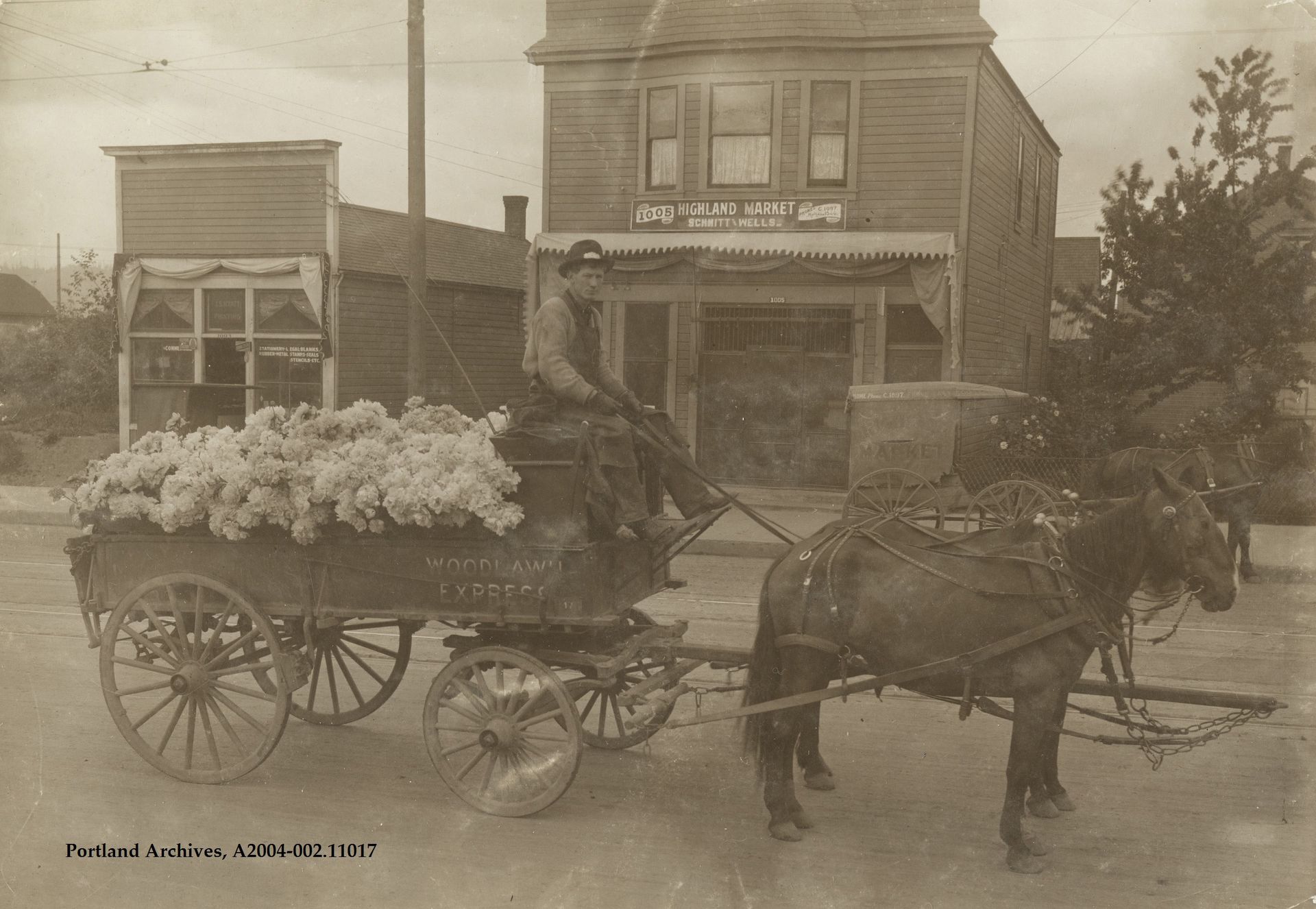
Even without a formal historic designation, the older homes in Sellwood and Garthwick were built with materials and methods that require specific knowledge to work on well. Original-growth fir framing, plaster over lath, single-wall construction, and hand-built millwork are common in Portland homes from this era. A contractor who doesn’t understand these materials can do more harm than good.
The difference shows up in the details. Original windows can often be restored rather than replaced. Built-ins and period trim can be preserved while the space around them is reconfigured. Plaster walls can be repaired without defaulting to drywall. These decisions require experience with older construction, not just familiarity with modern building codes.
We’ve written extensively about what it takes to work on Portland’s vintage homes. Our guide to
Portland’s architectural styles from the 1850s to today is a good place to start, and our
Homeschool resource center covers specific project types in detail.
Common Projects in Sellwood and Garthwick
Victorian-era homes in Sellwood often need the most comprehensive attention. Their compartmentalized floor plans can feel disconnected by modern standards, and opening up sightlines between rooms while preserving the architectural character of the home is a project that requires both design sensitivity and structural knowledge.
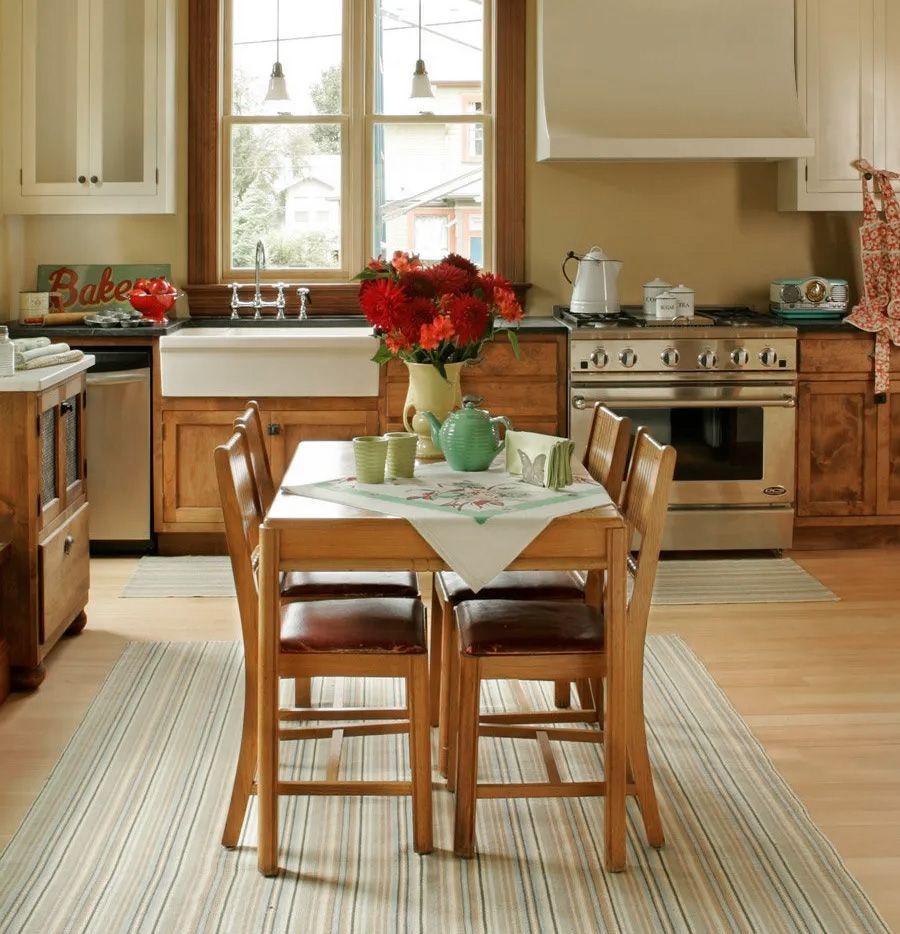
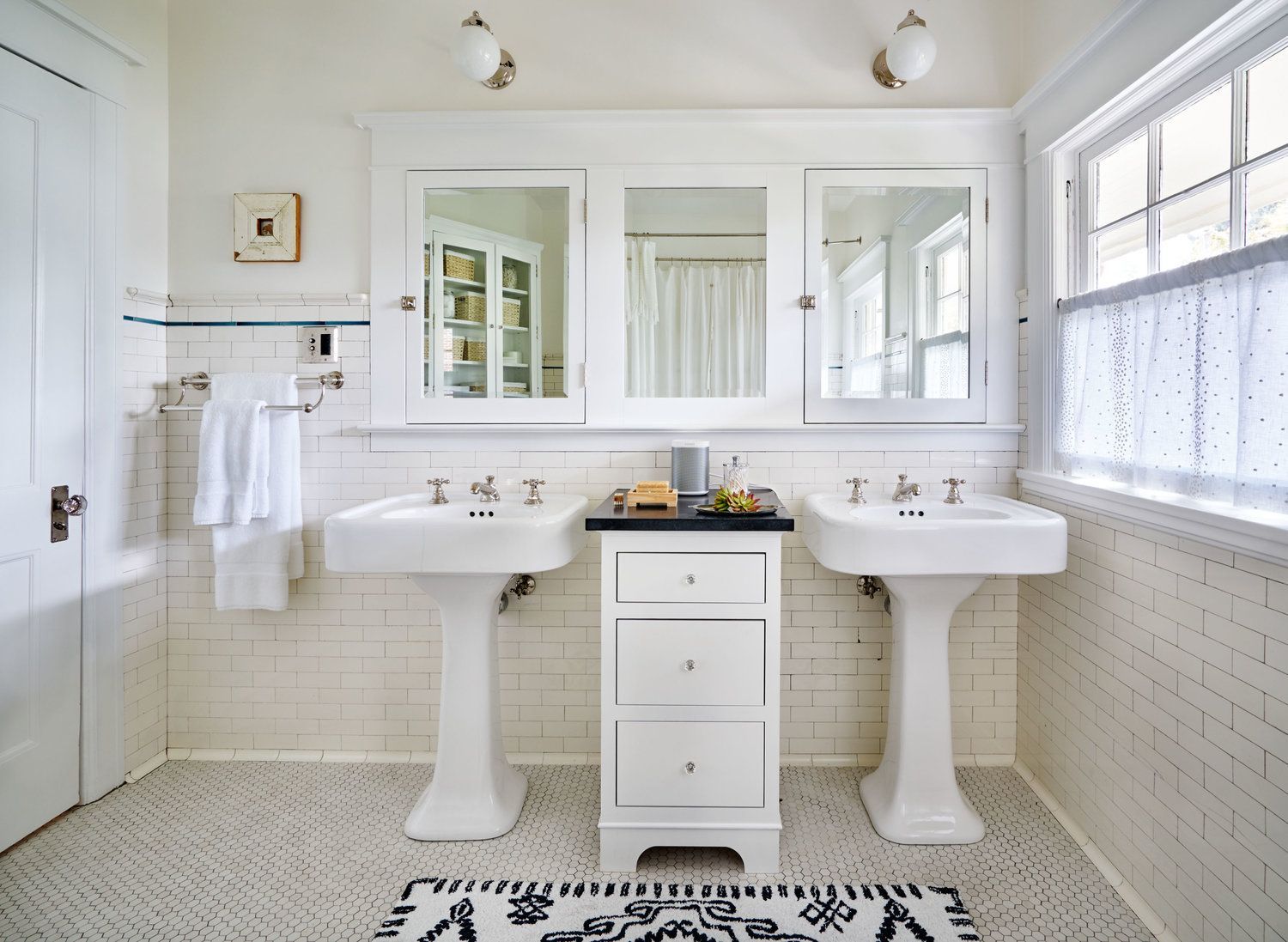
Craftsman bungalows here share the same kitchen and bathroom challenges common across Portland’s early 1900s neighborhoods: compact layouts, single bathrooms, and limited storage. Reconfiguring these spaces to work for contemporary living while keeping the built-ins, trim, and proportions intact is a natural fit for Arciform’s approach.
System upgrades are a frequent component of renovations in both neighborhoods. Homes from the 1880s through the 1920s may still have knob-and-tube wiring, galvanized plumbing, and foundations that predate modern poured concrete. Addressing these alongside design improvements ensures the renovation is thorough and lasting.
For more guidance on planning these projects, browse our
kitchen remodeling guides and
bathroom planning guides in our
Homeschool resource center, or visit our
kitchen remodeling and
bathroom remodeling service pages to see how we approach each project type.
Why Choose Arciform for Your Sellwood or Garthwick Renovation?
Arciform is a design-build firm that has been renovating Portland’s older homes since 1997. One team handles your project from early design through final construction, so there’s no gap between what’s designed and what gets built.
Our designers understand vintage architecture. Our builders know pre-war structures: balloon framing, plaster over lath, original-growth fir. And our in-house woodshop handles historically accurate restoration of windows, doors, and millwork, so period details are preserved rather than replaced.
We’ve worked across Portland’s
historic and vintage neighborhoods and we understand what it takes to deliver results that honor both the home and the neighborhood.