
Countertop Surfaces Care
Countertops in older homes often reflect the way the house has changed over time. A kitchen or bath may retain an earlier wood, tile, or stone surface, or it may have a newer counter selected for durability, ease of care, or simply because it works well with the character of the room. Whether preserved or newly introduced, counters are among the hardest-working surfaces in a home.
Water, food, oils, cosmetics, cleaning products, heat, sharp objects, and everyday use all place particular demands on countertop materials. Stone, engineered surfaces, wood, metal, laminate, and other materials respond differently to those conditions, so understanding what your counter is made from is the first step in caring for it well.
For everyday care, start with the gentlest effective cleaning method, wipe up spills promptly, and use cutting boards and trivets where appropriate. Newer manufactured surfaces may also have specific care requirements, so follow the manufacturer's recommendations for your particular product when available.
Natural stone, wood, and metal can change as they age and are used. Subtle wear, color variation, and patina may become part of the character of the surface rather than a sign that it needs to be restored to look new.

Marble Counters
Marble—including Carrara, Calacatta, and other varieties—is a calcium-based natural stone. As a countertop, its most important characteristic to understand is its sensitivity to acids.
Lemon juice, wine, vinegar, tomatoes, and other acidic foods can react with the stone and create dull areas called etch marks. Sealing can reduce staining, but it cannot prevent etching.
Everyday Care:
Clean with a neutral-pH cleaner formulated for natural stone or a small amount of mild soap and warm water. Rinse and dry with a soft cloth.
Blot spills immediately, particularly wine, citrus, vinegar, coffee, oils, and strongly colored foods.
Etching & Staining:
A stain changes the color of the stone because something has penetrated it. An etch mark is physical alteration of the marble surface caused by a chemical reaction.
Cleaning will not remove an etch mark.
Minor etching and the gradual development of patina are sometimes accepted as part of living with marble. If you want to restore a uniform polished or honed finish, consult a stone-care professional.
Heat & Scratching:
Use trivets or heat-resistant mats beneath hot cookware and heat-producing appliances. Use cutting boards rather than cutting directly on the counter.
Avoid:
Never use vinegar, lemon, acidic bathroom cleaners, or abrasive cleaners on marble.
Persistent staining and significant etching are best evaluated by a stone-care professional. Specialized stain-removal procedures depend on the particular stain, stone, and finish, and stronger chemicals can cause additional damage when used incorrectly.
Sealing:
A penetrating sealer may improve marble's resistance to staining, but it does not make marble stain-proof and will not protect against acid etching. Follow the stone supplier's or sealer manufacturer's recommendations for your particular stone.

Quartzite Counters
True quartzite is a natural stone composed primarily of quartz. It is generally hard, durable, and more resistant to acids than marble, limestone, or travertine.
However, stones sold commercially as “quartzite” can vary. If you are unsure what stone you have, use conservative natural-stone care practices.
Everyday Care:
Clean with mild soap and warm water or a neutral-pH natural-stone cleaner. Rinse and dry with a soft cloth.
Blot spills promptly.
Heat & Scratching:
Quartzite generally performs well around heat and everyday wear, but use trivets beneath hot cookware and heat-producing appliances and use a cutting board for food preparation. The Natural Stone Institute recommends trivets even for natural stones capable of tolerating significant heat.
Avoid:
Do not use abrasive cleaners and harsh chemicals that may affect the stone's polish, sealer, or resin treatments.
Sealing:
Quartzite varies in porosity. Some counters may benefit from a penetrating sealer, while others require little treatment. Follow the recommendations of your fabricator or stone supplier.
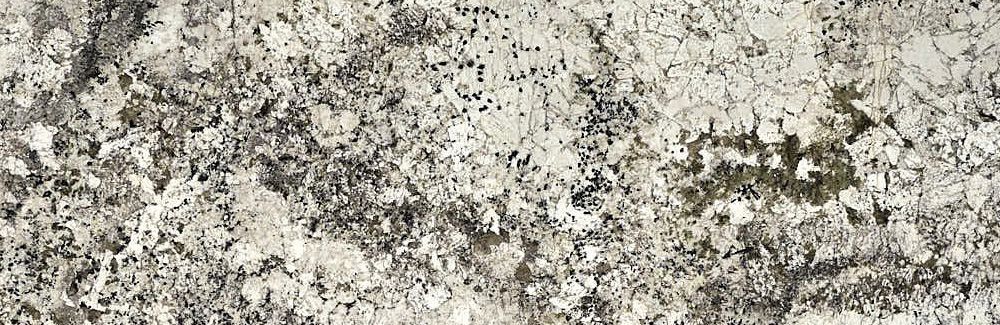
Granite Countertops
Granite is a durable natural stone well suited to heavily used kitchen and bathroom counters. It is generally resistant to scratching, heat, and common household acids, although individual stones vary in their mineral composition and porosity.
Everyday Care:
Clean with warm water and mild soap or a neutral-pH cleaner formulated for natural stone. Rinse away cleaner residue and dry with a soft cloth.
Blot spills promptly rather than spreading them across the counter.
Heat & Scratching:
Granite has excellent heat resistance, but that doesn't mean a hot pan belongs directly on the counter. Concentrated heat and sudden temperature changes can potentially cause cracking, so use trivets or heat-resistant mats beneath hot cookware and countertop appliances that generate sustained heat.
Granite is also highly scratch resistant, but use a cutting board rather than cutting directly on the stone.
Avoid:
Do not use harsh chemicals, abrasive cleaners, and scouring pads that may affect the polish, sealer, or resin treatment. Although many granites tolerate mild acids better than marble, limestone, and travertine, don't assume vinegar or other acidic cleaners are appropriate for your particular stone.
Sealing:
Not every granite countertop needs to be sealed. Many granites absorb very little moisture, while others may benefit from a penetrating sealer. The Natural Stone Institute specifically notes that most granite countertops do not require sealing, although sealing can provide additional stain resistance for some stones.
Follow the recommendations of your stone supplier or fabricator rather than sealing automatically on a fixed schedule.
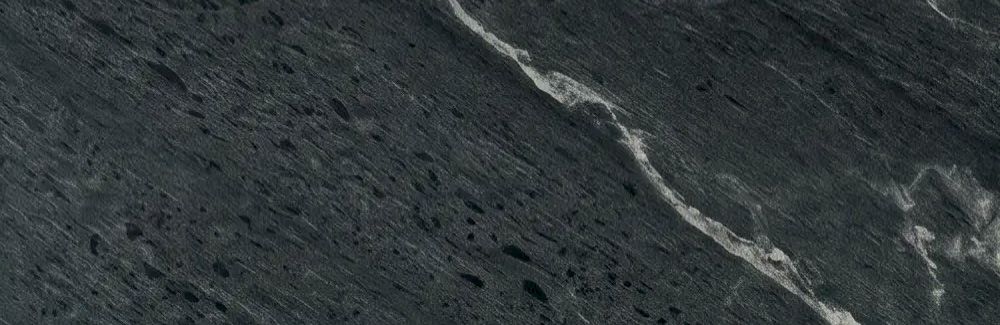
Soapstone Countertops
Soapstone is quite different from marble or granite. It is nonporous and highly resistant to chemicals and heat, but it is softer and therefore more susceptible to scratches and dents. Its use in laboratory work surfaces and fireplace applications reflects its chemical and heat resistance.
Everyday Care:
Clean with soap and water or a mild household cleaner.
Soapstone does not require sealing.
Scratches & Patina:
Minor scratches are normal and become part of soapstone's evolving appearance. Because the material is soft throughout rather than simply having a surface finish, scratches can sometimes be blended or sanded.
Minor scratches can sometimes be blended or sanded, but the appropriate method depends on the stone's existing finish. Improper sanding can create a visibly different area.
For a significant scratch, follow your fabricator's instructions or consult a stone professional.
Oiling & Waxing:
Soapstone does not need oil or wax for protection. These treatments are used primarily to darken the stone and create a more uniform appearance.
If your soapstone was originally treated with mineral oil or soapstone wax, continue with the product and schedule recommended by your fabricator. Untreated soapstone will naturally darken with age and use.

Limestone & Travertine Counters
Limestone and travertine are calcium-based stones and share marble's sensitivity to acids. They can make beautiful counter and vanity surfaces, but they require an acceptance of the natural changes that may occur with use.
Everyday Care:
Clean with a neutral-pH cleaner formulated for natural stone. Blot spills promptly and rinse away cleaning residue with clean water.
Avoid:
Do not use vinegar, lemon, acidic foods left on the surface, acidic household cleaners, and abrasive products. Acid exposure can etch the stone.
Heat & Scratching:
Use trivets beneath hot objects and cutting boards for food preparation.
Sealing & Patina:
Some limestone and travertine counters benefit from a penetrating sealer to reduce staining. A sealer cannot prevent acid etching.
Etching, subtle staining, and changes in sheen may become part of the patina of these materials over time. If maintaining a uniform finish is important, significant etching or staining is best addressed by a stone-care professional.
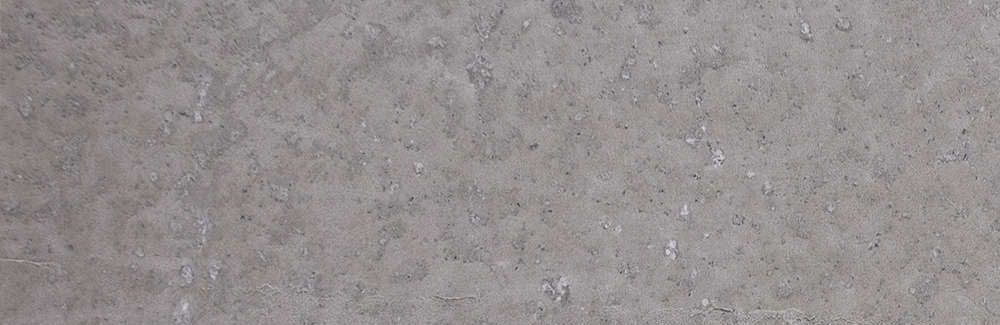
Concrete Countertops
Concrete countertops are typically cast or poured in place and then finished and sealed. They should not be confused with decorative cement tile, which has different construction, finishes, and care requirements.
Concrete itself is porous, so the performance and care of a concrete countertop depend heavily on the sealer or finish applied to it. Different sealers can have very different resistance to water, stains, acids, scratching, and heat.
Everyday Care:
Clean with warm water and mild soap or a neutral-pH cleaner using a soft cloth or sponge. Wipe up spills promptly and dry the surface rather than allowing water to stand.
Pay particular attention to areas around sinks and faucets where prolonged moisture exposure is more likely.
Stains & Acids:
Unprotected concrete can readily absorb liquids and oils. Even when sealed, substances such as wine, coffee, cooking oil, citrus, and vinegar may stain, etch, or affect some concrete finishes if allowed to remain on the surface.
Blot spills promptly rather than scrubbing them into the surface.
Heat & Scratching:
Use trivets or heat-resistant mats beneath hot cookware and heat-producing appliances. While concrete itself can tolerate considerable heat, the countertop's sealer or finish may not.
Likewise, use a cutting board rather than cutting directly on the counter. Knives and abrasive objects can scratch or damage the sealer even when they do not visibly damage the concrete beneath it.
Avoid:
Do not use vinegar, lemon, acidic cleaners, abrasive powders, scouring pads, and harsh chemicals unless the fabricator or sealer manufacturer specifically identifies them as safe.
Do not assume that a cleaner marketed for ordinary masonry or outdoor concrete is appropriate for a finished concrete countertop.
Sealing & Long-Term Care:
Most concrete countertops rely on a sealer or finish to provide stain and moisture resistance. There is no universal resealing schedule because penetrating sealers, topical coatings, wax systems, and other finishes perform differently.
Follow the care and maintenance recommendations provided by the fabricator or manufacturer of the finish used on your countertop.
If you don't know what finish was applied, use mild soap and water for routine cleaning and Avoid: applying additional sealers, waxes, or restorative products until the existing finish can be identified.
Patina:
Depending on the finish, concrete may develop subtle changes in color, sheen, small marks, and other signs of use over time. With some concrete countertops, this evolving patina is an expected part of the material's appearance.
Cracks, significant staining, deterioration of the sealer, or widespread changes in finish are best evaluated by the original fabricator or a professional familiar with architectural concrete.
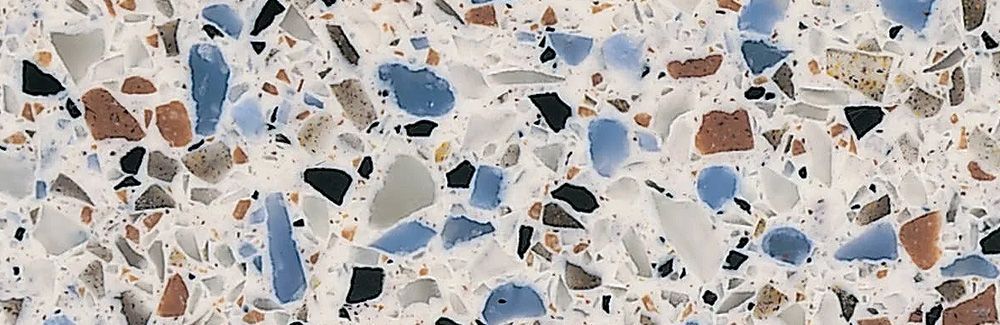
Engineered Quartz Countertops
Engineered quartz countertops—including brands such as Caesarstone, Cambria, and Silestone—combine mineral material with binders to create a dense, nonporous surface.
They do not require sealing.
Everyday Care:
For most engineered quartz, warm water, mild soap, and a soft cloth are appropriate for everyday cleaning. Wipe spills promptly and rinse away cleaner residue.
Heat:
Engineered quartz is not heat-proof. Resin and other components in the material can be damaged by high or sustained heat.
Always use a trivet or heat-resistant mat beneath hot cookware and heat-producing appliances such as electric skillets, slow cookers, air fryers, and countertop ovens. Current Caesarstone and Cambria guidance both specifically recommend heat protection.
Scratching:
Use a cutting board rather than cutting directly on the surface. Avoid: dragging heavy or sharp objects across the counter.
Cleaning Products: Check Your Brand.
This is one area where manufacturer instructions matter.
Different engineered-quartz manufacturers approve and prohibit different cleaning products. Don't assume that a cleaner recommended for one brand of quartz is safe for another.
For anything beyond mild soap and water, check the current care instructions for your particular manufacturer and finish.
Avoid:
Do not seal or polish engineered quartz unless specifically directed by its manufacturer. Avoid: harsh abrasives and prolonged exposure to strong chemicals.
Dekton Countertops
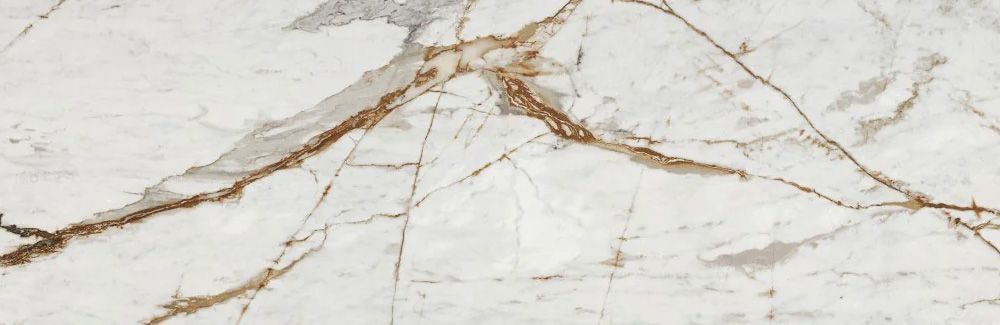
Dekton is an ultracompact manufactured surface made by Cosentino using mineral particles subjected to a high-pressure compaction and sintering process. Although its appearance can resemble natural stone or engineered quartz, its performance and care requirements are different.
Dekton has very low porosity and is highly resistant to stains, scratching, abrasion, and heat. It does not require sealing.
Everyday Care:
For routine cleaning, use warm water and neutral soap with a soft sponge or cloth. Cosentino also recommends its Q-Action cleaner. Rinse away cleaner residue and dry as needed.
Because the surface has very low porosity, common household spills generally remain on the surface rather than being absorbed.
Stubborn Stains:
For stains that do not respond to ordinary cleaning, follow Cosentino's recommendations for the particular type of stain. Unlike many natural stones and engineered-quartz surfaces, Dekton can tolerate a relatively wide range of cleaning products.
However, stronger cleaners should be used for the specific problem they are intended to address rather than as routine cleaners. Always follow the product instructions and rinse the surface thoroughly afterward.
Heat:
One important difference between Dekton and engineered quartz is its heat resistance.
For most Dekton countertops, Cosentino states that hot frying pans, saucepans, casseroles, coffee makers, and other cookware used under normal household conditions may be placed directly on the surface. Heat-producing countertop appliances can also be placed on the unprotected surface.
There are exceptions. 8 mm Dekton requires protection from hot objects, and Cosentino recommends additional precautions for certain specialized finishes and exposure to unusually intense or concentrated heat. Direct flame and extreme heat sources such as fireplaces and barbecues should be Avoid: ed unless the installation has been specifically designed for that application.
If you do not know the thickness or particular Dekton product installed in your home, using a trivet remains a simple precaution.
Scratching & Impact:
Dekton is highly scratch and abrasion resistant, but use a cutting board for food preparation. Ceramic knives in particular should not be used directly on the surface because their hardness is similar to the countertop material. Direct cutting should also be avoided on certain polished Dekton finishes.
Although the surface is highly durable, edges, corners, and bevels can chip if struck by a heavy object. Avoid: dropping heavy cookware or other objects on exposed edges.
Avoid:
Do not use metal scouring pads or attempt to mechanically polish the surface.
Do not use hydrofluoric acid, which can damage Dekton. Certain specialized polished and textured finishes also have additional restrictions, so follow the current Cosentino care instructions for your particular product.
Sealing & Long-Term Care:
Dekton does not require sealing, waxing, or routine polishing.
Because finishes and product specifications can vary, consult the current manufacturer's instructions before attempting stain removal with strong chemicals or any restorative treatment.
Butcher Block & Wood Countertops
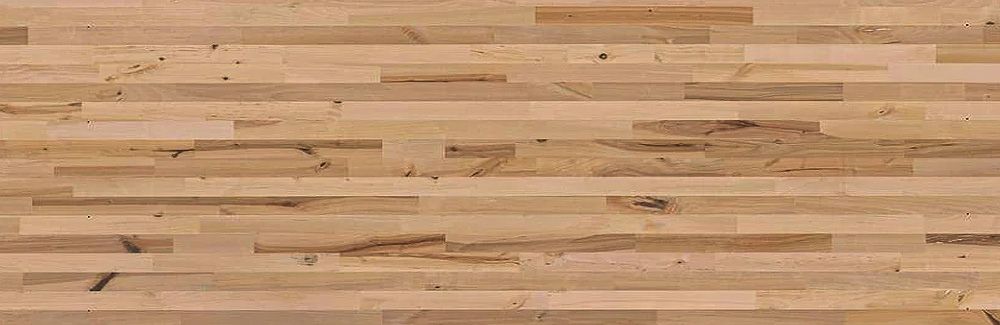
Wood countertops vary significantly depending on species, construction, and—most importantly—the finish.
An oiled butcher-block work surface should not be cared for in the same way as a wood counter protected by a film-forming finish. Before applying oil, wax, cleaners, or attempting repairs, identify how your counter was finished.
Oiled Butcher Block:
Clean with a damp cloth or sponge and mild soap. Do not saturate the wood or allow standing water to remain.
Food-preparation surfaces treated with oil should be maintained with a product appropriate for food-contact wood surfaces. A dry appearance can be a useful indication that additional treatment may be needed.
Follow the countertop maker's or finish manufacturer's instructions for re-oiling. Frequency varies considerably with wood species, use, cleaning, and finish.
Finished Wood Counters:
If the counter has a varnish, polyurethane, hardwax oil, or another protective finish, follow the finish manufacturer's care instructions. Do not automatically apply mineral oil to a finished wood surface.
Water & Heat:
Wipe up standing water promptly, particularly around sinks, faucets, seams, and end grain.
Use trivets beneath hot cookware and protect the surface from prolonged exposure to heat-producing appliances.
Scratches & Repairs:
Minor damage to some wood counters can be sanded and refinished, but the repair method depends upon the existing finish. Follow the original finish system whenever possible so a repaired area does not look noticeably different from the surrounding counter.

Stainless Steel Countertops
Stainless steel is nonporous, heat resistant, and durable, but it will develop fine scratches and changes in sheen with normal use.
For many homeowners, that developing patina is part of the material's character.
Everyday Care:
Clean with warm water and mild detergent using a soft cloth. Rinse thoroughly and towel dry to reduce water spotting.
When the surface has a visible grain, wipe with the grain rather than across it.
Fingerprints & Water Spots:
Mild soap and water are usually sufficient. A stainless-steel cleaner can be used when needed if it is appropriate for the particular finish.
Avoid:
Do not use steel wool and ordinary steel brushes, which can scratch the surface and leave particles that may rust.
Do not leave strongly acidic, salty, or chlorine-containing substances on the surface for prolonged periods.
Scratches & Patina:
Fine scratches will accumulate with use and gradually blend into a more uniform patina. Don't attempt to sand or aggressively polish an isolated scratch unless you understand the original finish, as spot treatment can make the area more conspicuous.

Zinc Countertops
Zinc is a living metal. Unlike stainless steel, it is generally selected with the expectation that its appearance will change.
Everyday Care:
Clean with mild soap and water using a soft cloth, then dry.
Patina:
Water, fingerprints, acidic foods, and everyday use can cause zinc to darken, spot, and develop variations in color. These changes are part of the natural patina.
Avoid:
Don't use abrasive pads and harsh cleaners unless specifically recommended by the fabricator. Don't try to keep an uncoated zinc counter looking uniformly new unless the fabricator has provided a specific maintenance system for doing so.
Heat & Scratching:
Use trivets for hot cookware and cutting boards for food preparation. Zinc is relatively soft and will scratch..

Laminate Counters
Laminate is a durable, low-maintenance surface, but its thin decorative surface can be permanently damaged by abrasion, cutting, or excessive heat.
Everyday Care:
Clean with a soft cloth or sponge and mild soap or household cleaner. Rinse with a clean damp cloth and dry the surface.
Wipe spills promptly, particularly around seams and edges where moisture can reach the substrate.
Heat & Cutting:
Always use a cutting board. Knives can permanently scratch laminate.
Use trivets or heat-resistant mats beneath hot cookware and heat-producing appliances. Excessive heat can scorch, blister, or delaminate the surface.
Avoid:
Do not use steel wool, scouring pads, abrasive powders, or sandpaper. Abrasion can damage the surface finish and make it more susceptible to staining.
For stubborn stains, consult the laminate manufacturer's care instructions before using stronger cleaners.