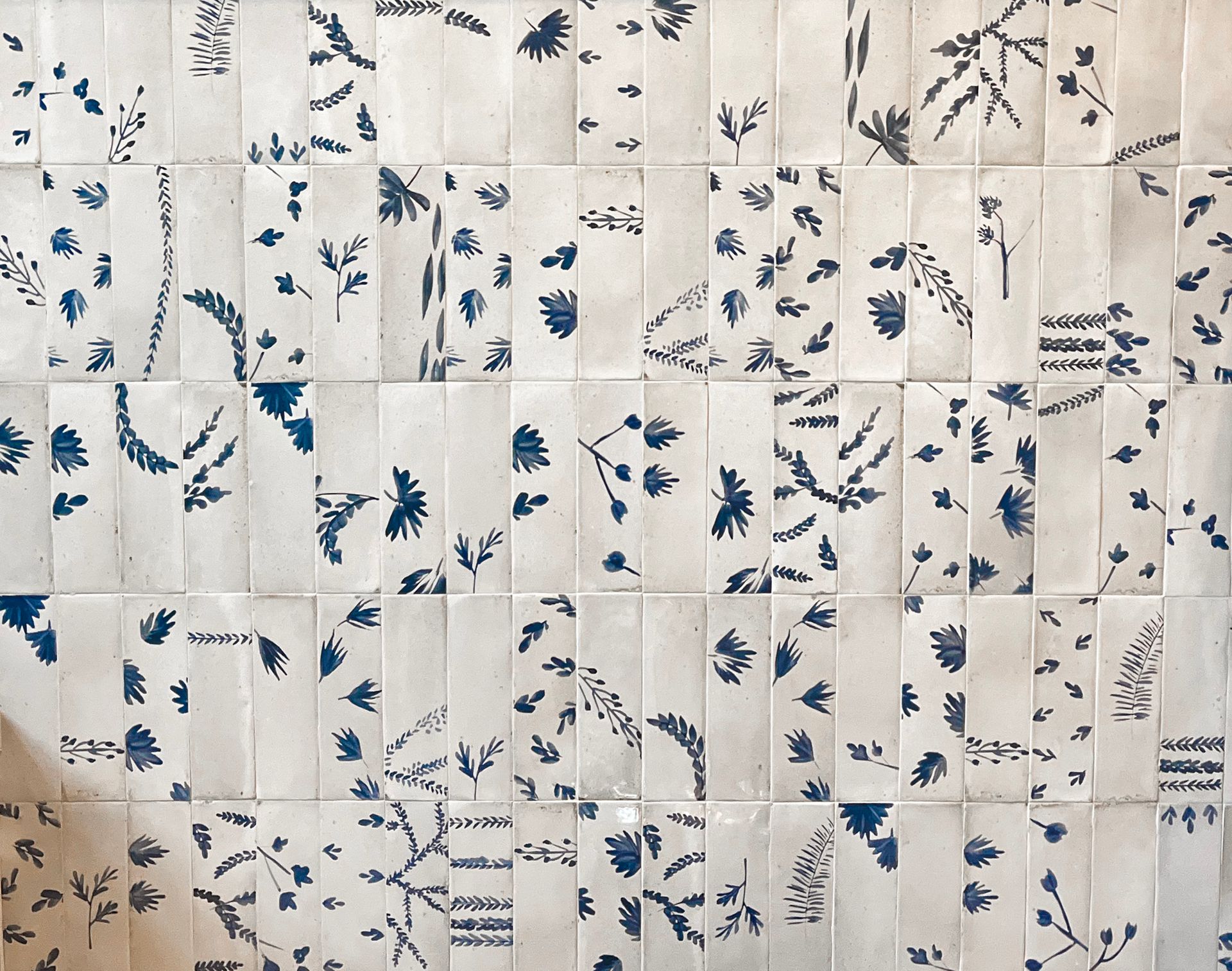
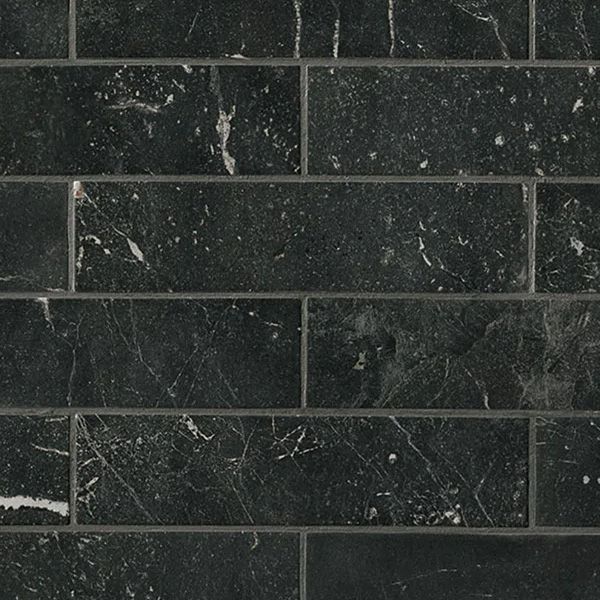
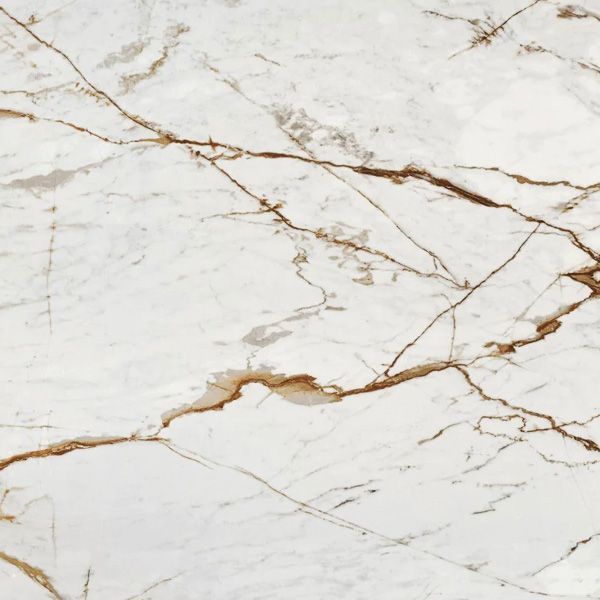
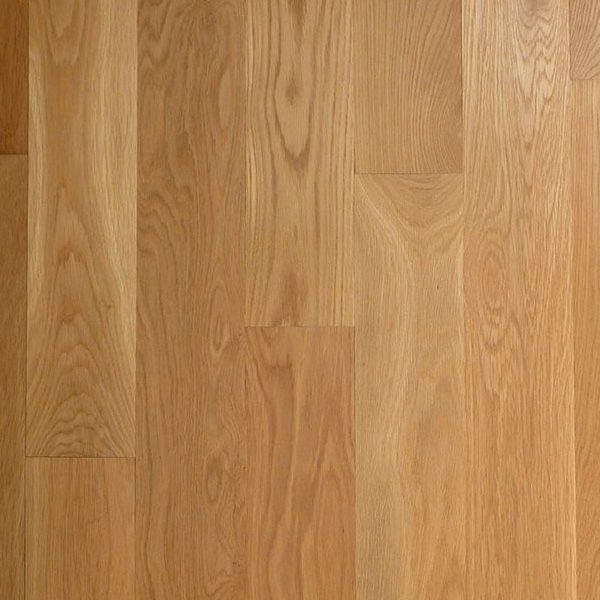
An older home is made up of materials from many different moments in its history. Original wood floors, plaster, tile, hardware, and other finishes may have survived for generations, acquiring the wear and patina that give an old house much of its character. Other materials may have been added through decades of repairs and renovations, while still others are being introduced today to improve performance, meet contemporary needs, or simply bring something new to the home.
At Arciform, we believe there are good reasons to preserve original materials when they contribute to the character and craftsmanship of a house—and equally good reasons to introduce new materials when they help an older home continue to work for the people who live there. Preservation and new design don't have to be opposing ideas. What matters is understanding what you have, recognizing what is worth keeping, and making thoughtful choices about how to care for it or change it.
That same understanding is important when it comes to maintenance. A century-old Douglas fir floor, an original brass doorknob, and a newly installed quartz countertop each require a different approach. Even surfaces that look similar may respond very differently to water, cleaning products, sunlight, heat, or everyday wear. And with older materials especially, patina and signs of age aren't necessarily problems to correct.
We’ve gathered these cleaning and maintenance tips from trusted manufacturers and industry sources to help you care for the many materials and finishes found in vintage and historic homes. Use the guides below as a starting point, keeping in mind that when manufacturer or product-specific care instructions are available, those recommendations should take precedence.
When You're Not Sure What You have
Before using a new cleaner, polish, sealer, oil, wax, or restorative product, identify the material and finish whenever possible.
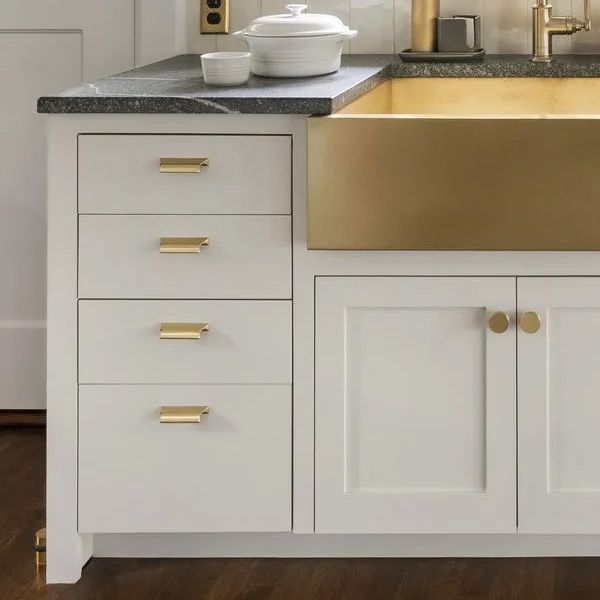
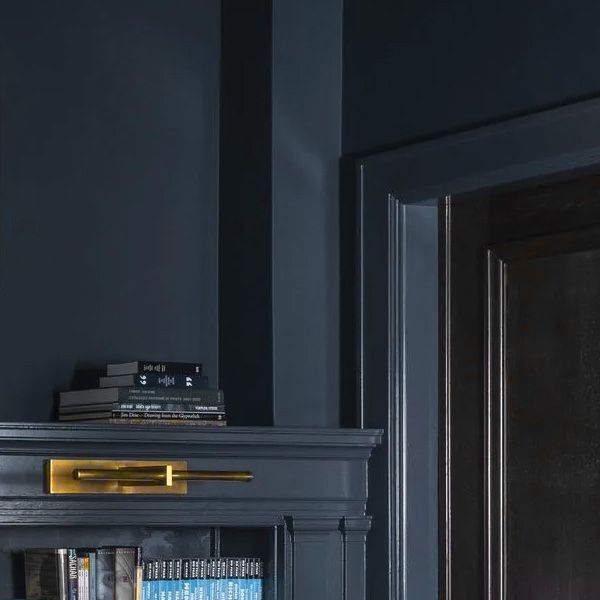
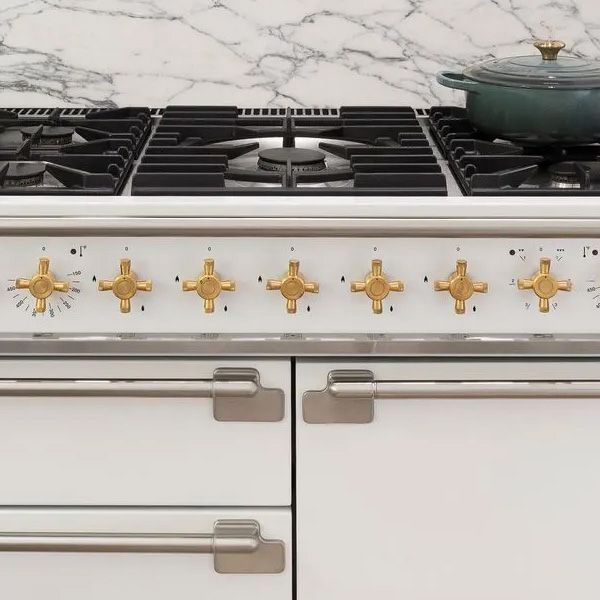
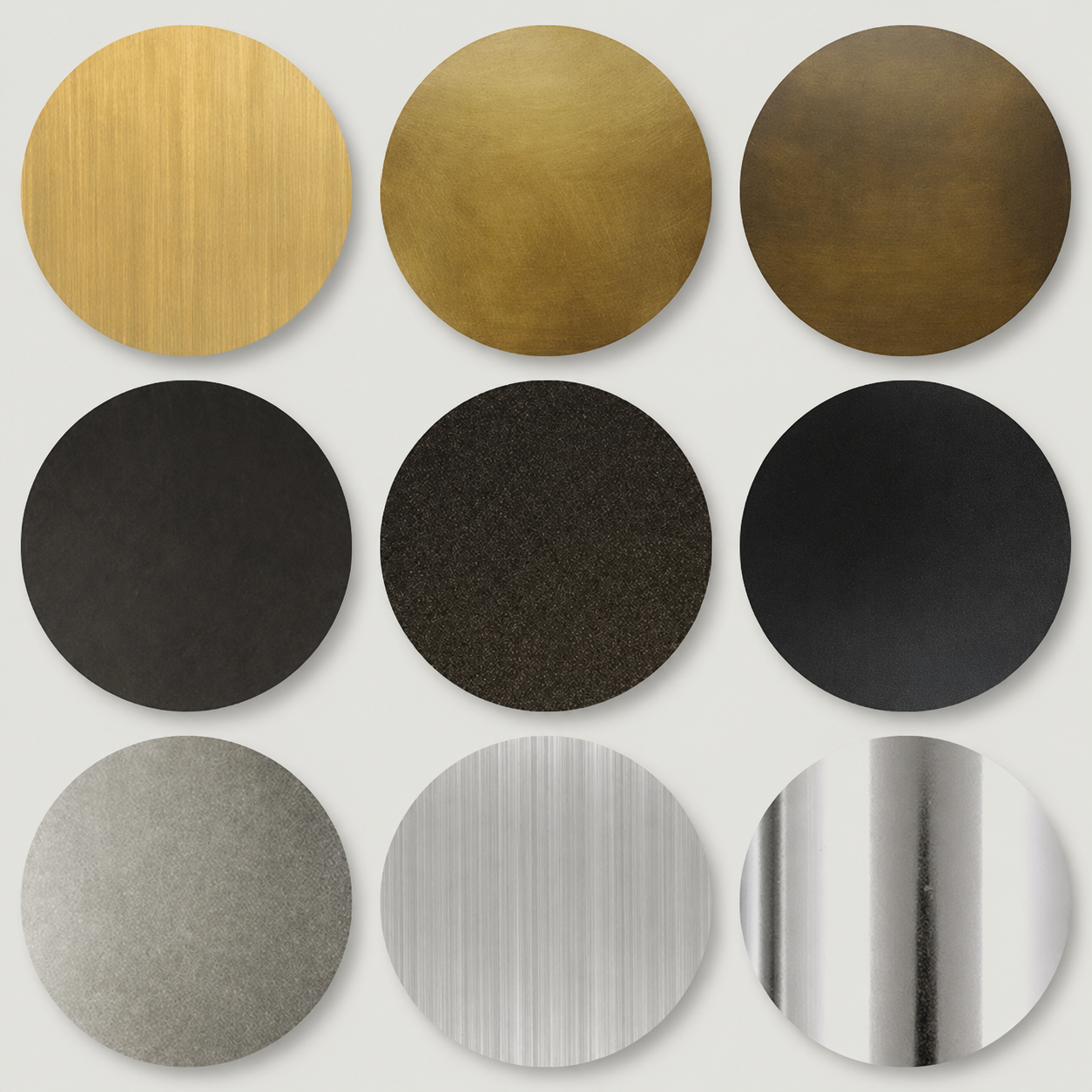
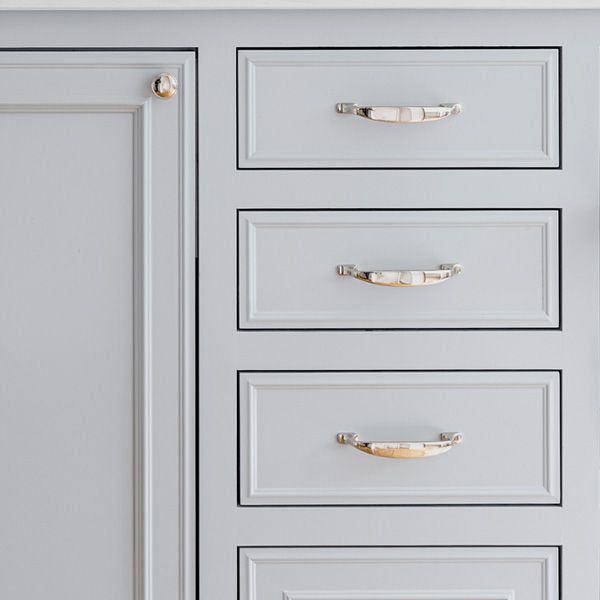
Two surfaces that look similar may require very different care. Natural quartzite can resemble marble; engineered quartz can resemble natural stone; brass-colored hardware may be solid brass, plated, lacquered, or a living finish; and wood may be protected by paint, lacquer, polyurethane, oil, wax, or another finish.
If you are unsure:
- Start gently. Use the least aggressive cleaning method appropriate for the surface.
- Test first. Try unfamiliar products in an inconspicuous area.
- Look for product information. Check manufacturer, fabricator, installer, or product care instructions when available.
- Be cautious with treatments. Don’t apply sealers, waxes, oils, polishes, or restorative coatings until you know they are compatible with the material and its finish.
- Look beyond the surface. Recurring stains, moisture, deterioration, cracking, or finish failure may indicate a maintenance or repair issue rather than a need for stronger cleaning.
When identification matters and you aren’t sure what you have, a material supplier, fabricator, qualified tradesperson, or restoration professional may be able to help.