
Exterior Materials Care Guide
The exterior materials of an older home do more than give it character. Wood siding and trim, brick, stone, stucco, and other surfaces are also part of the building's first line of defense against the weather. Some may be original to the house, while others have been repaired, replaced, or introduced through later additions and renovations. Caring for them well means understanding both what they're made of and how they help protect the structure behind them.
Unlike interior finishes, exterior materials are continually exposed to sun, rain, temperature changes, dirt, organic growth, and moisture. Good exterior care is often less about frequent cleaning than about allowing materials to dry properly, keeping water moving away from the building, maintaining appropriate protective finishes, and recognizing deterioration before it becomes a larger problem.
Older exterior materials deserve particular care. Weathering and age don't automatically mean that wood, masonry, or other original materials need to be replaced. In many cases, localized repair and thoughtful maintenance can extend their useful life while preserving details that would be difficult to reproduce.
When cleaning is needed, start with the gentlest effective method. Aggressive pressure washing, harsh chemicals, unnecessary sealers, and incompatible coatings can sometimes cause more damage than the condition they're intended to correct. Recurring staining, peeling paint, biological growth, or deterioration may also be a sign of a larger moisture problem, so look for the cause rather than simply treating the surface.
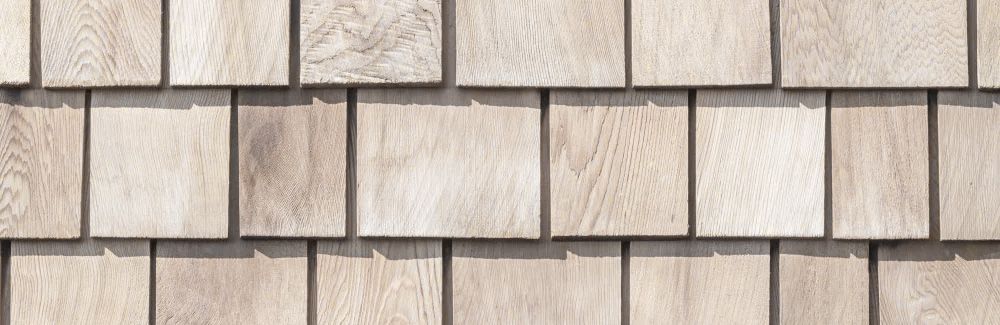
Cedar & Other Exterior Wood
Cedar is commonly used for decking, siding, shingles, trim, fences, and other exterior elements. Other exterior woods may have different natural durability, but many of the same maintenance principles apply.
The finish matters. Painted wood, semi-transparent stained wood, clear-finished wood, and unfinished wood should not automatically be maintained in the same way.
Routine Care:
Keep exterior wood free of leaves, soil, moss, and debris that can retain moisture.
For ordinary dirt, a mild detergent, water, and a soft nonmetallic brush are usually sufficient. Rinse thoroughly and allow the wood to dry.
For decks, occasionally move planters, furniture, mats, and other objects so the wood underneath can dry. The Western Red Cedar Lumber Association specifically identifies drainage, debris removal, and allowing covered areas to dry as important deck-maintenance practices.
Natural Weathering:
Unfinished cedar can be allowed to weather naturally to a silver-gray appearance.
Choosing not to stain or oil exterior wood does not mean it requires no care. Dirt, moss, mildew, trapped moisture, and drainage issues should still be addressed.
Stained or Clear-Finished Wood:
Exterior stains and penetrating finishes gradually weather and require renewal. How frequently depends on the product, orientation, sun and rain exposure, and whether the surface is horizontal or vertical.
Do not add another coat simply according to a calendar. Inspect the existing finish and follow its manufacturer's preparation and recoat instructions.
Decks typically require more frequent finish maintenance than vertical siding because they receive direct sun, standing moisture, and foot traffic.
Painted Wood:
For painted siding, trim, windows, and doors, follow the guidance in Painted Surfaces.
Peeling or blistering paint can be a sign of moisture behind the coating. Identify and correct the moisture source before simply repainting the affected area.
Mildew & Organic Growth:
Mildew, algae, and moss can develop where exterior wood remains damp or receives limited sunlight.
Begin with a cleaning product intended for the particular wood and finish. Some manufacturers recommend oxygen-based bleach or other specific mildew treatments.
Avoid:
Refrain from improvising with strong bleach or acid solutions, particularly when the runoff could affect adjacent metal, masonry, stone, landscaping, or painted surfaces.
Pressure Washing:
Use great caution with pressure washers on wood.
High pressure can erode the softer wood fibers and leave the surface fuzzy, grooved, or uneven. The Western Red Cedar Lumber Association specifically advises against power washing cedar decking.
Hand cleaning is often the better first approach. Where mechanical washing is appropriate, pressure, nozzle, distance, wood species, condition, and finish all matter.
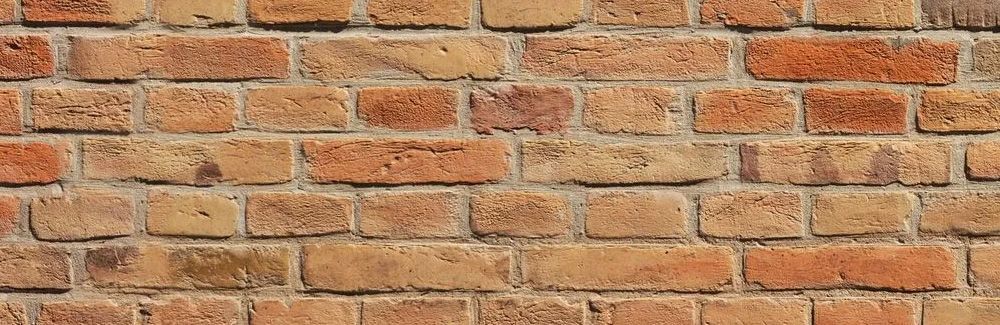
Brick Masonry
Brick is one of the most durable exterior materials on an older home and usually requires relatively little routine maintenance.
In many cases, the best care is simply keeping drainage systems functioning, monitoring mortar joints, and Avoid: ing unnecessarily aggressive cleaning.
Routine Cleaning:
Ordinary rain removes much surface dirt from exterior brick.
When additional cleaning is needed, begin with water and a soft nonmetallic bristle brush. Mild detergent can be added for general dirt.
The Brick Industry Association recommends gentle cleaning and specifically cautions against wire brushes and metal scrapers.
Pressure Washing:
Pressure washing can permanently damage brick faces and mortar if the pressure, nozzle, distance, or technique is inappropriate.
The Brick Industry Association notes that pressurized water can be used successfully on certain brick, but recommends that this work be performed by someone experienced in cleaning masonry.
For older or historic brick, begin with gentle cleaning methods and use pressure washing only when the masonry and condition make it appropriate.
Avoid:
Do not use muriatic acid as a general brick cleaner.
Do not use wire brushes, metal scrapers, abrasive blasting, and harsh cleaners unless a masonry professional has determined that a particular treatment is appropriate.
Cleaning treatments should also be tested in an inconspicuous area before treating a large elevation.
Mortar Joints:
Inspect mortar periodically for open joints, cracking, erosion, or missing mortar.
A few superficial cracks do not necessarily mean the wall is failing, but widespread or deeply eroded joints may need repointing.
Older brick should be repointed with mortar compatible with the original masonry. Mortar that is significantly harder or less vapor-permeable than historic brick can contribute to damage.
Efflorescence:
White, powdery deposits on masonry are often efflorescence, salts carried to the surface by moisture.
The deposit itself may be removable, but recurring efflorescence can indicate that moisture is repeatedly moving through the wall.
Rather than simply treating repeated deposits, look for sources such as leaking gutters, failed flashing, sprinkler exposure, drainage problems, or other moisture conditions.
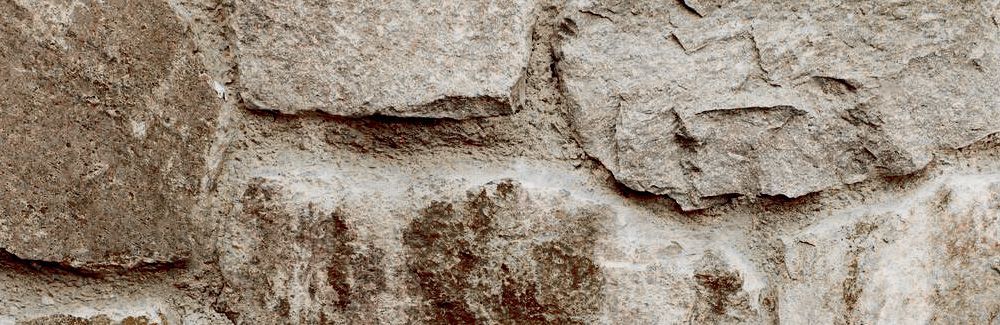
Natural & Manufactured Stone Veneer
Stone veneer may be natural stone or a manufactured concrete-based product designed to resemble stone. Care should begin with identifying which type is installed.
Stone veneer may be natural stone or a manufactured concrete-based product, and mortar deterioration and sealing require different responses. Identify the material before choosing a cleaner, sealer, or repair method.
Routine Care:
For ordinary dirt, begin with clean water and a soft or moderately stiff nonmetallic brush.
When additional cleaning is necessary, use a mild cleaner compatible with the particular stone, mortar, and any existing sealer.
Natural stone may have additional chemical sensitivities depending on its composition. Acid-sensitive stones such as limestone and marble require especially conservative cleaning.
Mortar:
If mortar has become crumbly, deeply eroded, loose, or missing, treat that as a maintenance condition rather than simply brushing away the deteriorated material.
Loose mortar can allow increasing amounts of water into the assembly and may indicate that repointing or another masonry repair is appropriate.
Minor surface residue from an installation is a different issue and should be treated according to the stone and mortar manufacturer's cleaning instructions.
Sealing:
Do not automatically seal stone veneer.
Some natural stones or manufactured products may benefit from an appropriate penetrating sealer in particular conditions, while others may not require one. A color-enhancing sealer also intentionally changes the appearance of the stone.
Before applying a sealer, identify the stone, determine whether a previous treatment is present, and follow the stone or veneer manufacturer's recommendations.
Avoid:
Refrain from aggressive pressure washing, wire brushes, abrasive blasting, and acid-based masonry cleaners unless specifically appropriate for the particular material.
Water driven behind veneer can create problems that are not immediately visible at the surface.
Efflorescence & Staining:
White mineral deposits may indicate efflorescence associated with moisture movement.
Rust stains, persistent darkening, biological growth, or staining that repeatedly returns may likewise indicate a condition that cleaning alone will not solve. Look for the source of moisture before repeatedly treating the visible symptom.
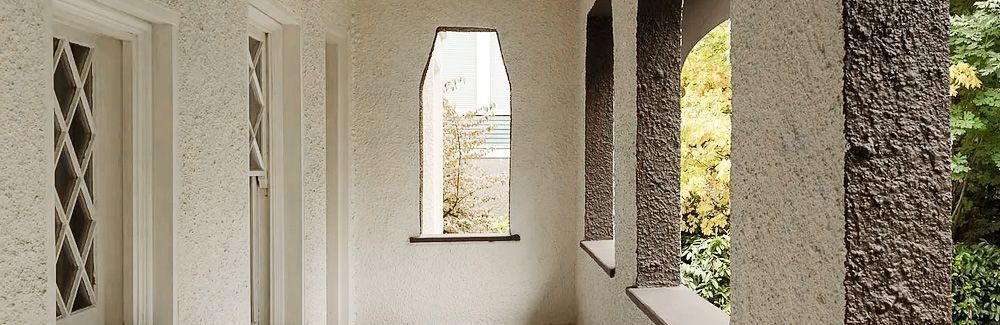
Stucco Surfaces
Stucco is common on many older homes and additions. Care depends in part on whether the surface is traditional cement plaster or a more contemporary system.
Stucco can be traditional cement plaster or one of several more contemporary systems. Before undertaking significant cleaning or repair, it is useful to know what type you have.
Routine Care:
Remove cobwebs and loose dirt with a soft brush.
For more thorough cleaning, use water and a mild cleaner with a soft-bristle brush, working gently to Avoid: eroding or polishing the textured surface.
Rinse thoroughly without directing large amounts of water into windows, doors, penetrations, cracks, or other openings.
Cracks:
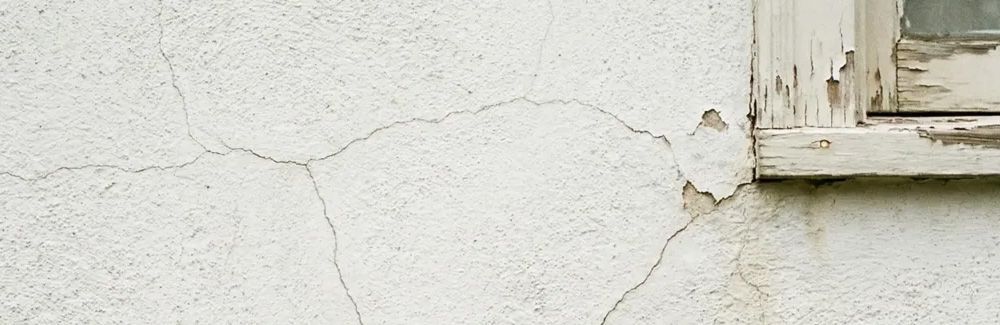
Small hairline cracks can occur in cement plaster, but cracks should be monitored rather than automatically dismissed.
Cracks that widen, repeatedly reopen, occur around windows or doors, or are accompanied by staining or displacement may warrant professional evaluation.
Staining & Biological Growth:
Dark streaks, algae, moss, or mildew often develop where a wall remains damp.
Clean the surface appropriately, but also look for conditions that keep the stucco wet, including overflowing gutters, leaking downspouts, irrigation, vegetation, failed flashing, or poor drainage.
Paint & Coatings:
Some stucco is painted and some is integrally colored.
Before painting previously unpainted stucco or applying a waterproof coating, consider how the wall assembly manages moisture. A coating that greatly changes vapor permeability may not be appropriate for every older stucco system.
Avoid:
Refrain from aggressive pressure washing that can erode the finish or force water into cracks and openings.
Do not simply seal over recurring cracks or moisture stains without determining why they are occurring.
Ipe Decking
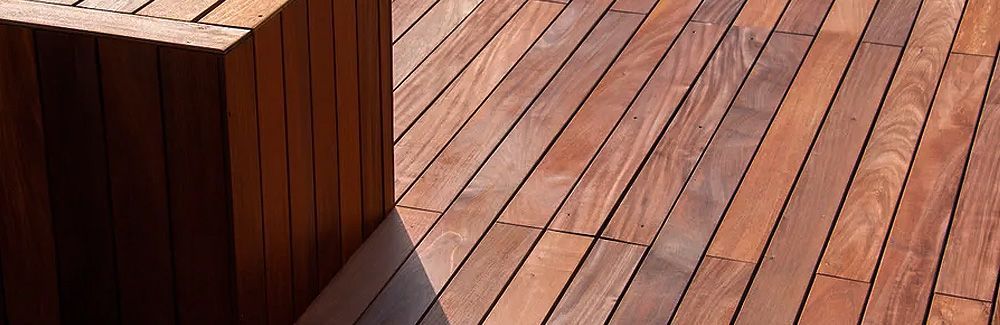
Ipe is a dense tropical hardwood valued for its durability and resistance to decay. It can be maintained to preserve its rich brown color or allowed to weather naturally to a silvery gray.
Routine Care:
Sweep the deck regularly and remove leaves, dirt, and other debris that can hold moisture against the wood.
Periodically clean with warm water, mild detergent, and a soft or medium nonmetallic brush. Rinse thoroughly and allow the deck to dry.
Pay particular attention to spaces between boards and areas beneath planters, furniture, and outdoor rugs. Good drainage and the ability to dry after rain are important to the long-term performance of any wood deck.
Natural Weathering:
Untreated ipe gradually loses its reddish-brown color as ultraviolet light weathers the surface, eventually developing a silver-gray appearance.
If you prefer this naturally weathered look, regular oiling is not necessary simply to prevent the wood from turning gray.
The color change occurs primarily at the surface and is not, by itself, an indication that the wood is deteriorating.
Maintaining the Brown Color:
If you want to retain or restore ipe's richer color, use a penetrating exterior finish formulated for dense hardwoods and UV exposure.
Follow the particular finish manufacturer's maintenance schedule and judge reapplication by exposure and appearance rather than automatically oiling on a fixed calendar.
Current Ipe Oil guidance, for example, recommends cleaning before refinishing and generally reapplying its hardwood finish every one to two years to maintain color, rather than automatically oiling twice in the first year.
Applying an Oil Finish:
If refinishing is needed, the wood should be clean and thoroughly dry before application.
Dense hardwoods absorb relatively little finish. Apply only as much as the wood can absorb and remove excess product according to the finish manufacturer's instructions. Excess oil left on the surface can remain tacky or create an unintended sheen.
Oil-soaked rags require special care. Many oil-based wood finishes can cause used rags and applicators to self-heat and ignite if they are balled up or improperly discarded. Follow the product manufacturer's instructions for handling and disposal.
Avoid:
Do not use steel wool or metal brushes that can damage or contaminate the wood.
Refrain from aggressive pressure washing. Excessive pressure can roughen wood fibers, create visible lines, and damage the surface. If pressure cleaning is ever required, it is better handled by someone familiar with dense hardwood decking.
Do not apply polyurethane, conventional interior varnish, or another film-forming finish simply to keep the wood looking glossy. Exterior deck finishes should be formulated for horizontal wood surfaces and outdoor exposure.
Exterior Materials: Water is Often the Clue
Across wood, brick, stone, and stucco, repeated staining or deterioration frequently points to a water-management problem rather than a cleaning problem.
Watch for:
- Overflowing or leaking gutters
- Downspouts discharging against the house
- Failed flashing
- Water collecting on decks or horizontal trim
- Irrigation repeatedly striking walls
- Vegetation holding moisture against exterior surfaces
- Open masonry joints
- Failed caulk at penetrations
- Persistent dampness or biological growth
Cleaning can improve appearance, but when the same condition repeatedly returns, finding the source of moisture is usually more important than choosing a stronger cleaner.