
Flooring Care
Floors tell much of the story of an older home. Original hardwood or Douglas fir may have been walked on for generations, while other rooms may have flooring added during later renovations or chosen to meet the needs of the people living in the house today. Whether old or new, floors are among the hardest-working surfaces in a home, exposed to dirt and grit, shoes, furniture, pets, moisture, sunlight, and everyday traffic.
Caring for them begins with understanding both the material and its finish. This is particularly important with wood, concrete, cork, and other surfaces where two floors made from the same basic material may require very different care. Original materials may also deserve a more conservative approach, while newer flooring products often come with specific manufacturer recommendations that should be followed.
In general, prevent dirt and grit from accumulating, clean spills promptly, protect floors when moving furniture, and use products appropriate for the particular flooring and finish. With older floors, remember that patina, color variation, small dents, and other signs of use aren't necessarily problems to correct. Good care can protect a floor and extend its life without erasing the character it has acquired along the way.
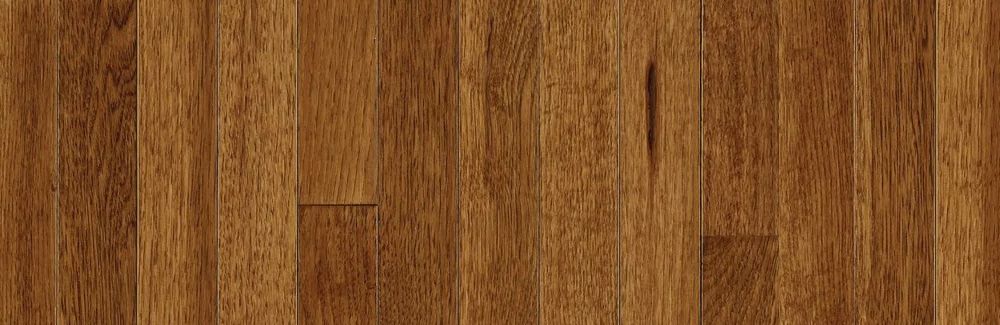
Hardwood Floors
Wood floors can last for generations, but their care depends heavily on the finish. A modern polyurethane-finished floor, a hardwax-oil floor, and an older waxed floor should not automatically be cleaned or maintained in the same way.
Everyday Care:
Sweep, dust mop, or vacuum regularly to remove dirt and grit that can scratch the finish. When vacuuming, use a bare-floor setting or attachment appropriate for wood floors.
Wipe up spills promptly with a dry or slightly damp cloth.
For deeper routine cleaning, use a cleaner recommended for your particular wood-floor finish. The National Wood Flooring Association advises against wet mops and steam mops because repeated moisture can damage both the finish and the wood.
Preventing Scratches:
Use felt or fabric-faced protectors beneath furniture legs and inspect them periodically for embedded grit.
Lift furniture rather than dragging it across the floor. Avoid: walking on wood floors in sports cleats or damaged high heels.
Place breathable mats near exterior doors to capture dirt and moisture before they reach the floor.
Rugs & Sunlight:
Area rugs protect high-traffic areas, but they also shield the wood beneath them from sunlight. Over time, this can result in a visible color difference between covered and uncovered areas.
Use rug pads intended for finished wood floors. Some nonskid synthetic pads can react with or imprint certain finishes.
Avoid:
Refrain from wet mopping, steam cleaning, abrasive cleaners, and cleaning products intended for tile or vinyl.
Do not apply wax, polish, “rejuvenator,” or products intended to restore shine unless you know they are compatible with your floor's existing finish. These products can create buildup and may complicate future recoating or refinishing.
Humidity & Seasonal Movement:
Wood naturally expands and contracts as indoor humidity changes. Small seasonal gaps between boards may appear and disappear throughout the year.
The National Wood Flooring Association recommends maintaining indoor conditions around 30–50% relative humidity and 60–80°F to help minimize excessive movement. Persistent large gaps, splits, cupping, or other significant changes should be evaluated by a flooring professional.
Long-Term Care:
Eventually, a wood floor may need recoating or refinishing. The appropriate treatment depends upon the floor's construction, wear, and existing finish.
Before sanding, waxing, oiling, or applying a new finish, identify the existing finish whenever possible. A flooring professional can determine whether the floor needs a maintenance coat, localized repair, or full refinishing.
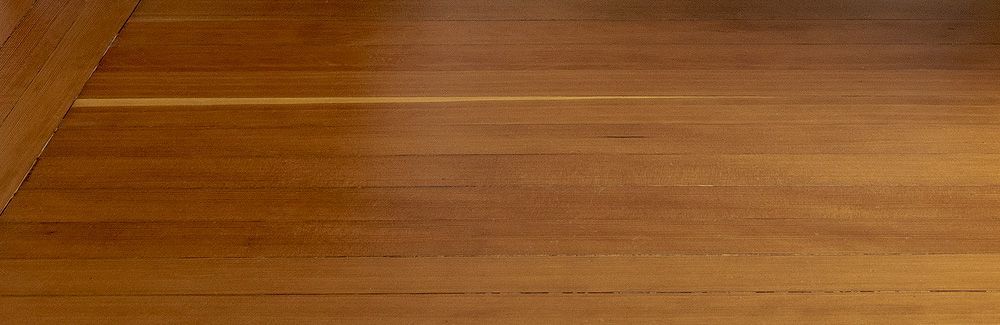
Softwood Floors
Softwood floors, particularly Douglas fir, are common in older Pacific Northwest homes. They can be remarkably long-lived, but they behave differently from harder wood flooring. Douglas fir is relatively soft, making it more susceptible to dents, scratches, and compression from furniture, shoes, pets, and everyday use.
Older fir floors also tend to develop a distinctive patina over time. Appropriate care should protect the floor while recognizing that some signs of use are part of the character of the material.
Everyday Care:
Sweep, dust mop, or vacuum regularly to remove dirt and grit that can scratch the finish. When vacuuming, use a bare-floor setting or an attachment appropriate for wood floors.
Wipe up spills promptly. For routine cleaning, use a cleaner recommended for the particular finish on your floor and avoid excessive water or steam cleaning.
As with hardwood, the finish matters. Older Douglas fir may be waxed, shellacked, varnished, or coated with a more modern floor finish, and these surfaces should not automatically be cleaned or maintained in the same way.
Dents & Scratches:
Douglas fir is considerably softer than many commonly used hardwood flooring species. Normal use can leave dents, scratches, and impressions that would have little effect on a harder floor.
Use felt or other floor-safe protectors beneath furniture legs, particularly beneath heavy furniture and pieces with small or narrow feet. Lift furniture rather than dragging it.
High heels, pet claws, dropped objects, and grit tracked in on shoes can all leave visible marks.
With an older fir floor, some dents and wear may be better regarded as patina rather than damage that needs to be removed. Repeatedly sanding a historic floor simply to eliminate every mark can unnecessarily reduce the amount of original material that remains.
Rugs, Furniture & Sunlight:
This is where I think we should be much more explicit than we were in the Hardwood section, because it is such a characteristic issue with old fir floors:
Douglas fir can change color dramatically when exposed to light. Areas protected by rugs, furniture, or other objects may remain substantially lighter than the surrounding floor, creating a clearly visible outline when those objects are moved.
Don't assume that an area rug can simply be moved to a new location without affecting the appearance of the floor. On an older fir floor, the color difference beneath a long-standing rug can be dramatic.
If you plan to use area rugs on a newly refinished fir floor, consider their placement carefully. Moving or rotating rugs periodically from the beginning may help exposure occur more evenly, but once a pronounced color difference has developed, relocating a rug can reveal a conspicuously lighter area.
Similarly, rearranging large furniture that has remained in place for years may reveal differences in color.
Color Change:
The warm amber, orange, or reddish tones associated with older Douglas fir develop through a combination of the wood itself, its finish, age, and exposure to light.
Color differences caused by long-term exposure may gradually become less pronounced after a previously covered area is exposed, but don't expect an immediate or perfectly uniform match.
Trying to correct the difference by sanding only the lighter area can create a more noticeable problem. If a major change in rug placement or room arrangement makes uneven coloration objectionable, consult a wood-flooring professional before attempting localized refinishing.
Avoid:
Refrain from wet mopping, steam cleaning, abrasive cleaners, and cleaning products intended for tile or resilient flooring.
Do not apply wax, polish, oil, or a “rejuvenating” product unless you know it is compatible with the existing finish.
Avoid aggressive spot sanding to remove individual dents, scratches, or color differences. Because fir is soft, it is relatively easy to create a depression or visibly alter the surface.
Refinishing Older Fir Floors:
Douglas fir floors can often be refinished, but older floors deserve careful evaluation before sanding.
A floor that has already been sanded several times may have limited material remaining above the tongue-and-groove joint. Nail heads, splintering edges, movement between boards, or unusually thin material can all affect whether another full sanding is appropriate.
The goal doesn't always need to be making a century-old floor look new. Preserving some wear, color variation, nail holes, and other evidence of age can retain much of what makes an original fir floor distinctive.
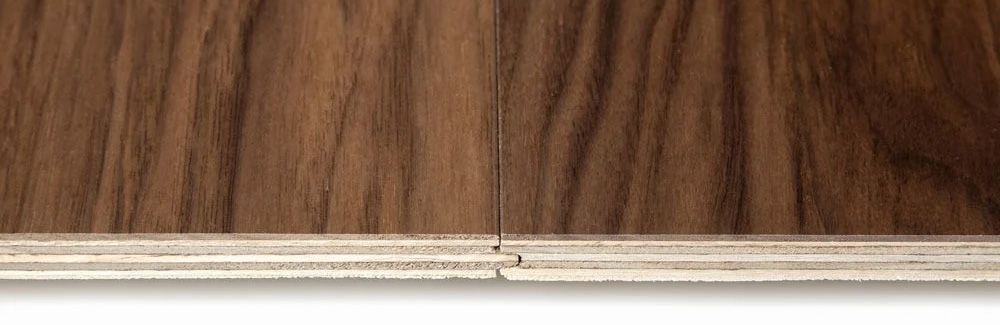
Engineered Hardwood Floors
Engineered wood flooring is real wood flooring constructed in layers, with a hardwood wear layer over a layered or composite core. Its dimensional stability can make it suitable for locations where solid wood may not be the best choice, including some below-grade installations.
From a day-to-day care standpoint, engineered wood should generally be treated much like solid hardwood. The finish on the floor is still the most important factor in determining which cleaners and maintenance products are appropriate.
Everyday Care:
Sweep, dust mop, or vacuum regularly using a bare-floor setting or attachment to remove dirt and grit.
Clean spills promptly with a dry or slightly damp cloth. For routine cleaning, use a product specifically recommended for the finish on your floor.
As with solid wood, avoid excessive moisture. Do not wet mop engineered wood flooring, and do not use a steam mop unless the flooring manufacturer specifically states that it is appropriate. The National Wood Flooring Association recommends Avoid: ing both wet and steam mopping on wood floors because prolonged moisture can damage the finish and wood.
Preventing Scratches:
Use felt or other floor-safe protectors beneath furniture legs and replace them when they become worn or collect grit.
Lift furniture rather than dragging it across the floor. Use breathable entry mats to reduce the amount of dirt and grit tracked inside.
Rugs & Sunlight:
Use rug pads specifically identified as compatible with finished wood flooring.
Like solid hardwood, the real-wood surface of engineered flooring can change color with exposure to sunlight. Rugs and furniture may therefore create differences between covered and exposed portions of the floor over time.
Avoid:
Do not use abrasive cleaners, excessive water, and cleaning products intended for tile or vinyl flooring.
Do not apply waxes, polishes, “rejuvenators,” or shine-restoring products unless they are specifically compatible with your floor's existing finish.
Refinishing:
One important difference between solid and engineered wood is how much material is available for future sanding.
Many engineered wood floors can be sanded and refinished, but the number of times this can be done depends on the thickness of the real-wood wear layer, the construction and condition of the floor, and the sanding process. Engineered flooring generally cannot be sanded as many times as solid hardwood.
Before sanding an engineered floor, identify the product and wear-layer thickness if possible and have the floor evaluated by a wood-flooring professional.
A maintenance coat may sometimes renew a worn finish without requiring the floor to be sanded back to bare wood.
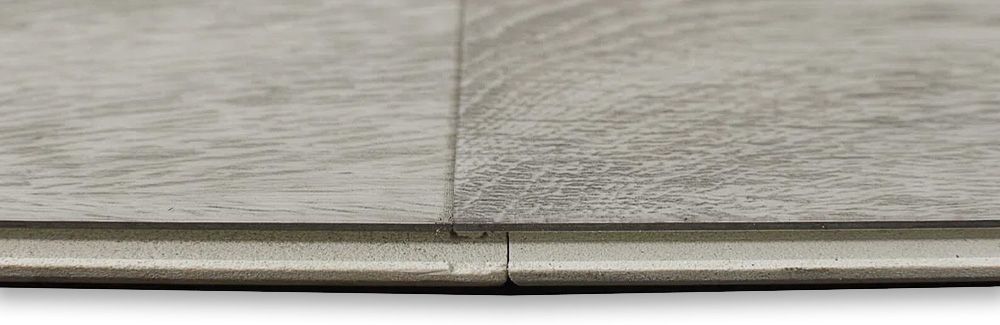
Luxury Vinyl Plank and Tile (LVP/LVT)
Luxury vinyl plank (LVP) and luxury vinyl tile (LVT) are resilient flooring products designed to replicate the appearance of materials such as wood or stone. Although generally easy to maintain, the surface can still be scratched, discolored, or damaged by inappropriate cleaners, excessive heat, or heavy objects.
Because manufacturer recommendations vary, follow the care instructions for your particular flooring whenever they are available. Current guidance even differs among major manufacturers regarding cleaners and steam cleaning, making brand-specific instructions particularly important for this category.
Everyday Care:
Sweep, dust mop, or vacuum regularly to remove dirt and grit. If vacuuming, use a setting appropriate for hard-surface floors.
Wipe up spills promptly.
Damp mop as needed using a cleaner approved for your particular vinyl floor. Avoid: flooding the floor or allowing water to remain around seams and edges.
Preventing Scratches & Dents:
Use wide, non-staining floor protectors beneath furniture legs. Felt or hard-plastic protectors may be appropriate depending on the flooring manufacturer's recommendations.
Do not drag heavy furniture or appliances across the floor. Use appropriate protective boards or moving equipment when relocating heavy objects.
Mats & Rugs:
Use only non-staining mats and rug pads approved for vinyl flooring. Some rubber, latex, or chemically treated backings can potentially react with resilient flooring and cause discoloration.
Entry mats can help capture dirt, grit, asphalt residue, and other substances before they reach the floor.
Sunlight & Heat:
Prolonged exposure to strong sunlight and heat can cause some vinyl floors to fade, discolor, or change dimension. Window coverings can help protect areas receiving intense direct sun.
Protect the floor from concentrated heat sources and follow the manufacturer's requirements around fireplaces, floor vents, and other high-temperature conditions.
Avoid:
Do not use abrasive powders, steel wool, and aggressive scouring pads that can scratch or dull the wear layer.
Do not automatically use vinegar, ammonia, bleach, solvent cleaners, wax, polish, or “mop and shine” products. This is an area where manufacturer instructions genuinely differ. For example, current Shaw guidance says to Avoid: ammonia- and vinegar-based products, while some current Mannington products specifically recommend diluted nonsudsing ammonia.
For that reason, mild routine cleaning and the manufacturer's approved cleaner are safer recommendations than a universal homemade cleaning solution.
Steam Cleaning:
Do not assume that an LVP or LVT floor is steam-cleaner safe simply because it is water resistant.
Some manufacturers approve particular residential steam cleaners for certain products, while others restrict them. Check the care instructions for your specific flooring before using steam.
Damage & Long-Term Care:
Unlike real wood flooring, LVP and LVT generally cannot be sanded and refinished to remove scratches or wear. Do not sand, lacquer, or apply a new conventional floor finish unless the flooring manufacturer specifically provides a system for doing so.
Deep scratches, gouges, burns, or damaged planks or tiles may require individual replacement rather than refinishing.
Bamboo Flooring
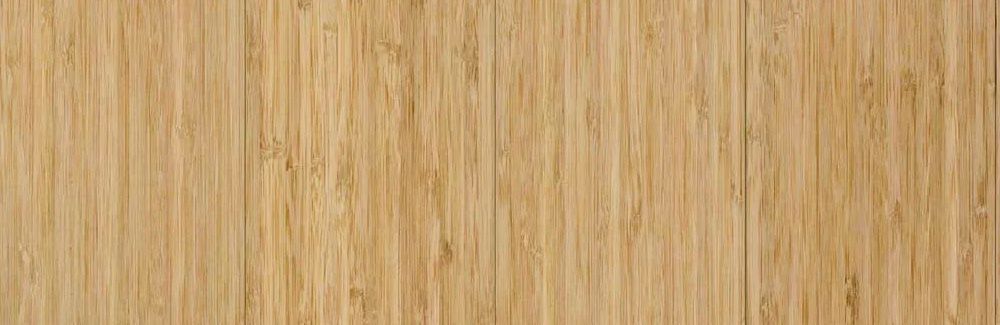
Bamboo flooring is made from a rapidly renewable grass that is processed into flooring products with a range of constructions and finishes. Although it is often grouped with hardwood flooring because it looks and performs similarly, bamboo can vary considerably in hardness and durability depending on how it was manufactured.
Because bamboo flooring products differ, the manufacturer’s instructions should be your first source for cleaning and maintenance. As with wood flooring, protecting the surface from grit, excess moisture, scratches, and prolonged exposure to direct sunlight will help preserve its appearance.
Routine Cleaning:
Sweep, dust mop, or vacuum regularly to remove sand, dirt, and other small particles. Grit left on the floor can act like an abrasive as it is walked on, gradually scratching and dulling the finish.
When vacuuming, use a bare-floor setting or an attachment appropriate for hard-surface flooring. Clean spills promptly and use a cleaner recommended by the flooring manufacturer.
Avoid wet mopping or allowing water to remain on the floor. If damp cleaning is permitted by the manufacturer, use as little moisture as necessary and allow the floor to dry promptly.
Preventing Scratches & Dents:
The hardness of bamboo flooring varies considerably by product and manufacturing method. Some bamboo floors are highly resistant to dents and scratches, while others can be damaged relatively easily.
Use felt or other floor-safe protectors beneath furniture legs, and lift furniture rather than dragging it across the floor. Keep pet nails trimmed, and use entry mats to reduce the amount of dirt and grit tracked indoors.
High heels, heavy furniture with narrow feet, casters, and dropped objects can also dent or damage some bamboo flooring.
Sunlight & Color Change:
Bamboo flooring can change color with exposure to sunlight. Areas beneath rugs or furniture may therefore age differently from exposed portions of the floor.
Window coverings can help reduce intense direct sunlight. If appropriate for the room, periodically changing the position of rugs and movable furniture may also help the floor age more evenly. Keep in mind that moving a rug or piece of furniture that has remained in one place for a long time may reveal a noticeable color difference.
Rugs & Mats:
Use mats near entrances and other areas where dirt or moisture is likely to collect, but make sure the rug and pad are compatible with your particular flooring.
Avoid assuming that any rubber- or latex-backed mat is appropriate. Some backings can react with floor finishes or cause discoloration, so follow the flooring manufacturer’s recommendations.
Avoid:
Refrain from wet mopping, steam cleaning, abrasive cleaners, and cleaning products not approved for your flooring.
Do not apply wax, polish, oil, or other restorative coatings unless the flooring manufacturer specifically recommends them. These products can alter the appearance of the finish and may interfere with future maintenance or refinishing.
Repair & Refinishing:
Unlike traditional solid wood flooring, bamboo flooring varies considerably in its construction. Some products may be sanded and refinished under the right circumstances, while others have limited wear layers or factory finishes that make conventional refinishing inappropriate.
Before sanding, recoating, or applying a restorative product, identify the flooring manufacturer and product if possible and determine what type of bamboo flooring and finish you have. When that information is unavailable, a flooring professional can help evaluate the floor before treatment.
Cork Floors
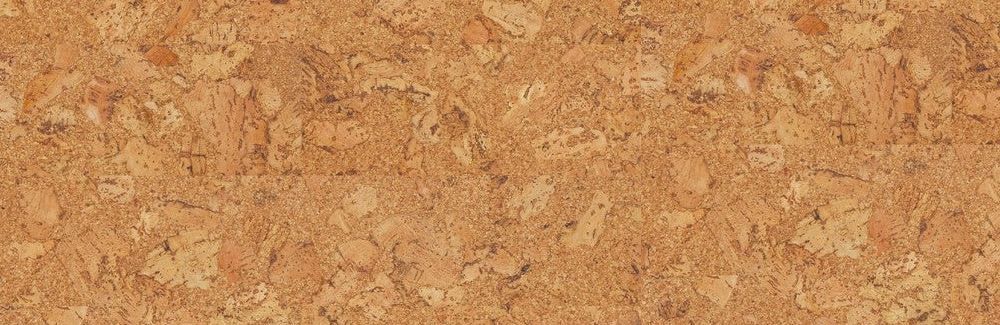
Cork is resilient and comfortable underfoot, but the cork itself is relatively soft. Most finished cork floors depend on their surface coating for resistance to moisture, staining, and everyday wear.
Everyday Care:
Sweep or vacuum regularly to remove grit.
Clean spills promptly and damp mop only with a cleaner appropriate for the particular cork-floor finish. Use water sparingly and do not allow it to stand on the floor.
Furniture & Scratching:
Use wide felt or protective pads beneath furniture legs. Avoid: dragging furniture or heavy objects across the floor.
Because cork can compress, narrow furniture legs and other concentrated loads can leave impressions.
Rugs & Sunlight:
Use rug pads that are compatible with the floor finish.
Like wood, cork can change color with prolonged exposure to sunlight. Rugs and furniture may therefore create visible differences between covered and exposed areas over time.
Avoid:
Do not use steam cleaners, excessive water, abrasive pads, and harsh household chemicals.
Also avoid vinegar-and-water or other homemade cleaning solutions unless they are compatible with the particular cork-floor finish.
Long-Term Care:
Some cork floors can be recoated or refinished, while others have factory finishes requiring different treatment. Follow the flooring or finish manufacturer's recommendations before applying wax, polyurethane, oil, or another coating.
Concrete Floors
Concrete floors are durable, but their everyday performance depends heavily on whether the concrete is polished, sealed, waxed, stained, or otherwise finished.
Everyday Care:
Sweep, dust mop, or vacuum regularly to remove grit. Damp mop as needed using a neutral-pH cleaner compatible with the floor's finish.
Clean spills promptly, particularly oils, wine, acidic liquids, and strongly colored substances.
Avoid:
Do not use vinegar and other acidic cleaners unless the floor's finish manufacturer specifically approves them. Acid can react with exposed concrete, while harsh chemicals and abrasive cleaning methods can damage some sealers and coatings.
Also avoid ammonia unless the floor's finish manufacturer specifically approves them. Because concrete finishes vary, identify the finish rather than relying on one universal chemical rule.
Scratches & Wear:
Polished concrete, topical coatings, penetrating sealers, and wax systems wear differently. High-traffic areas may gradually develop changes in sheen.
Do not automatically apply floor wax, polish, or additional sealer without knowing what finish is already present.
Long-Term Care:
Follow the installer or finish manufacturer's maintenance recommendations when available. If the finish is unknown and the floor has significant staining, wear, or coating failure, have it evaluated before applying a restorative product.
Marmoleum and Linoleum Flooring
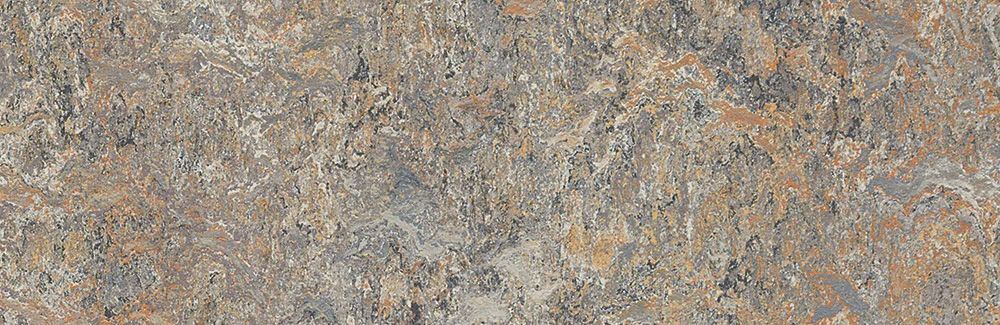
Marmoleum is a brand of linoleum, a resilient flooring material made primarily from renewable ingredients including linseed oil, wood flour, and other natural materials.
It should not be confused with vinyl flooring.
Everyday Care:
Sweep or vacuum regularly to remove grit. Clean spills promptly.
Damp mop with a neutral cleaner recommended for linoleum, using only as much water as necessary.
Refrain from flooding the floor or allowing standing water to remain, particularly at seams and edges.
Avoid:
Do not use abrasive pads and strongly alkaline or acidic cleaners unless specifically approved by the flooring manufacturer.
Do not assume that a cleaner intended for vinyl flooring is appropriate for linoleum.
Long-Term Care:
Modern Marmoleum has a factory-applied surface finish, so the old practice of routinely waxing linoleum does not necessarily apply.
Follow the current flooring manufacturer's recommendations for periodic maintenance and stain removal rather than adding waxes or polishes automatically.
Wool Carpet
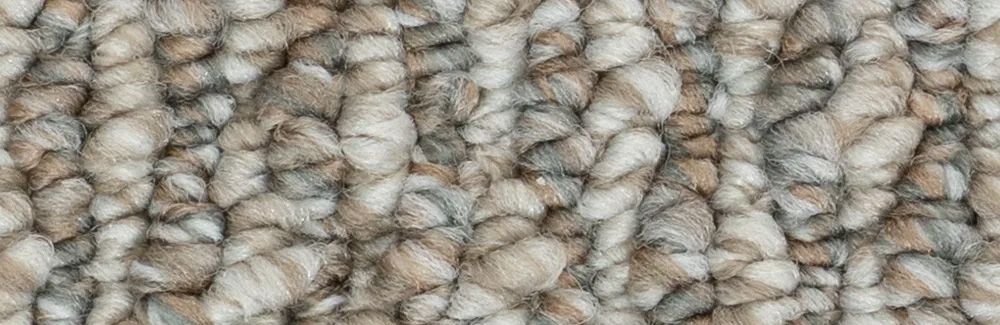
Wool is a durable natural carpet fiber, but it responds differently to cleaning than many synthetic carpets.
Regular Care:
Vacuum regularly so dirt and grit do not become embedded in the pile. High-traffic areas will generally need more frequent vacuuming than lightly used rooms.
For wool carpet, vacuum requirements can vary by construction. Follow the carpet manufacturer's instructions for the particular carpet rather than assuming one vacuum configuration is appropriate for all wool.
Spills:
Act quickly.
Blot liquid spills with a clean, dry white cloth or plain white paper towel. Work from the outside of the spill toward the center and continue blotting rather than rubbing or scrubbing.
Remove solid material gently before treating the remaining spot.
The Carpet and Rug Institute specifically warns against scrubbing or brushing a spill because this can cause fraying and changes in texture.
Stain Removal:
Use a cleaning product approved for your particular wool carpet and follow its instructions. Test an unfamiliar product in an inconspicuous area first.
For difficult or unidentified stains, use the carpet manufacturer's stain guide or a qualified carpet-cleaning professional rather than experimenting with homemade combinations of detergent, ammonia, vinegar, solvents, or other chemicals.
Homemade stain-removal chemistry can be too specific to use as universal guidance for wool carpet. Fiber, dye, backing, stain treatment, and manufacturer requirements can all affect the appropriate treatment.
For a difficult or unidentified stain, use the carpet manufacturer's stain guide or a qualified carpet-cleaning professional.
Professional Cleaning:
Periodic professional deep cleaning helps remove embedded soil that vacuuming cannot reach.
The Carpet and Rug Institute recommends professional deep cleaning approximately every 12–18 months, although the carpet manufacturer's requirements and the amount of use should ultimately determine the schedule.
If the carpet has a warranty, check its cleaning requirements before choosing a method or service provider.
Synthetic Carpet
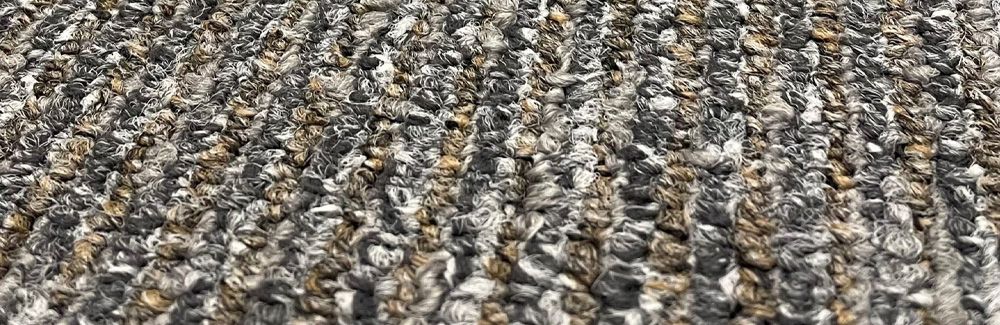
Synthetic carpet varies by fiber, construction, backing, and stain treatment. Follow the manufacturer’s care instructions when available.
Regular Care:
Vacuum regularly, with more frequent attention to entries, hallways, stairs, and other high-traffic areas.
Use entry mats to reduce the amount of dirt and grit tracked onto the carpet.
Spills & Stains:
Treat spills promptly. Blot liquids with a clean white absorbent cloth or plain white paper towel. Do not scrub.
Use a carpet-cleaning product appropriate for the particular fiber and stain treatment. Even with a tested product, pretest it in an inconspicuous location and follow the manufacturer's directions.
Professional Cleaning:
Follow the carpet manufacturer's recommendations. Periodic deep cleaning is generally appropriate, and some warranties require professional cleaning on a particular schedule.

Area Rugs
Area rugs are common over wood and tile floors and can be damaged by inappropriate cleaning. Their care depends on fiber, construction, dyes, backing, and age.
Regular Care:
Vacuum according to the rug's fiber and construction. Be especially careful around fringe, which can become caught in rotating brushes.
Rotate rugs periodically where practical to help distribute traffic and exposure to sunlight.
Cleaning:
Follow the rug maker's cleaning instructions. Machine-wash only rugs specifically labeled as washable.
Hand-knotted, antique, heirloom, Oriental, Persian, and other specialty rugs are best evaluated by a cleaner experienced with that type of rug rather than treated with ordinary carpet-cleaning products. The Carpet and Rug Institute likewise recommends professional care for heirloom-type rugs.
Protecting the Floor Beneath:
Choose a rug pad compatible with both the rug and the flooring underneath it. This is particularly important over finished wood floors, where some nonskid pads can react with or imprint the finish.