
Painted Surfaces Care Guide
Paint does much more than bring color to a home. On walls, ceilings, trim, doors, windows, cabinetry, and exterior woodwork, it also protects the material beneath it from everyday wear, moisture, sunlight, and weather. In an older house, painted surfaces may include everything from newly finished rooms to woodwork and plaster that have accumulated many layers over generations.
How a painted surface should be cared for depends not only on where it is used, but on the type, sheen, age, and condition of the paint. A durable contemporary enamel on a door or trim can tolerate different treatment than a flat wall paint, an older painted plaster surface, or a weathered exterior coating. When the paint product is known, its manufacturer's cleaning and maintenance recommendations are the best place to begin.
For routine cleaning, start gently and avoid assuming that a painted surface is washable simply because the paint appears sound. Excessive moisture, abrasive cleaners, scrubbing pads, and strong household cleaners can dull the sheen, alter the color, or damage the coating. Test unfamiliar cleaning methods in an inconspicuous area first.
In older homes, paint can also tell part of the story of a room or architectural feature. Earlier colors and decorative treatments sometimes survive beneath later layers, and old painted woodwork may retain subtle texture and evidence of age that contribute to its character. Before stripping or substantially altering an older painted surface, consider whether there is something worth understanding—or preserving—beneath the most recent coat.
Peeling, bubbling, staining, or recurring paint failure may indicate a problem beyond the paint itself. Moisture, incompatible coatings, deteriorated substrates, or other conditions should be addressed before simply repainting. And when older paint will be disturbed through sanding, scraping, demolition, or other renovation work, appropriate lead-safe practices are essential.
Understanding Paint Sheen
Paint sheen affects more than appearance. It can also influence how a painted surface responds to washing, rubbing, and everyday wear.
Flat and matte finishes have little reflectivity and can help minimize the appearance of surface imperfections. Depending on the particular paint, they may be more susceptible to burnishing—shiny or altered areas caused by rubbing or repeated cleaning.
Eggshell and satin finishes have traditionally offered greater resistance to routine cleaning and are commonly used in living spaces, kitchens, bathrooms, and other areas where some washability is useful.
Semi-gloss and gloss finishes have traditionally been used where greater resistance to moisture, handling, and repeated cleaning is desirable, including doors, trim, cabinetry, and other high-touch surfaces.
Modern premium paints can blur these traditional distinctions, however, and
sheen alone doesn't determine how washable or durable a painted surface will be. When the paint is known, follow the manufacturer's recommendations for cleaning and
maintenance.
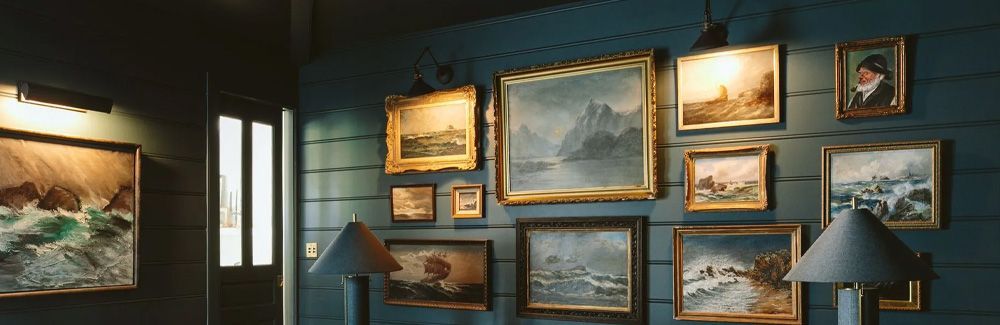
Interior Painted Walls
Everyday Care:
Remove dust with a soft microfiber cloth, duster, or vacuum attachment.
For fingerprints and light marks, begin with a soft cloth or sponge dampened with clean water. If additional cleaning is necessary, use a small amount of mild dish soap diluted in warm water.
Work gently and avoid saturating the wall. Follow with a clean damp cloth to remove soap residue, then allow the surface to dry.
For many interior paints, begin with water and move to mild detergent only when needed.
Spot Cleaning:
Work from the gentlest treatment upward rather than beginning with an abrasive cleaner.
Blot or wipe gently instead of aggressively scrubbing. Pay particular attention to flat and matte finishes, which can develop a polished-looking spot if rubbed too vigorously.
Deep or highly saturated paint colors can sometimes show cleaning marks more readily than lighter colors. Test first in an inconspicuous area.
Avoid:
Do not use abrasive pads, scouring powders, and aggressive scrubbing.
Be cautious with melamine foam cleaning pads—often sold as “magic erasers.” Their mild abrasive action can alter the sheen or remove paint, particularly on flat and matte finishes.
Do not spray household cleaner directly onto the wall where it can run down the surface. Apply cleaner sparingly to the cloth or sponge instead.
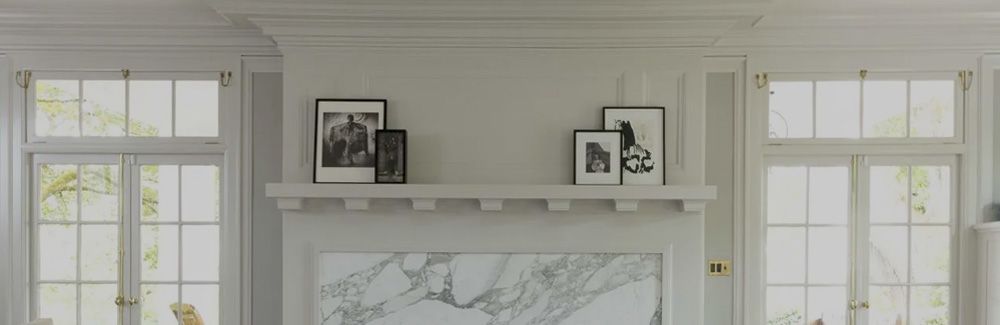
Painted Trim & Interior Doors
Doors, baseboards, window trim, and other painted millwork generally receive more physical contact than walls and often have a more durable paint finish.
Everyday Care:
Dust regularly with a soft cloth.
Clean fingerprints and ordinary grime with a soft cloth dampened with warm water. Add a small amount of mild dish soap when needed, then wipe with clean water and dry.
Pay particular attention to door edges, areas around handles and switches, stair rails, and other frequently touched surfaces.
Avoid:
Do not use abrasive cleaners, scouring pads, solvents, and aggressive degreasers unless specifically approved for the paint.
Do not allow water to collect in joints or around wood components.
Chips & Wear:
Small chips can sometimes be touched up with the original paint. Keep in mind that paint color and sheen can change as they age, so even paint from the original can may not blend invisibly into an older surface.
More widespread wear may require repainting the entire architectural element to achieve a uniform appearance.
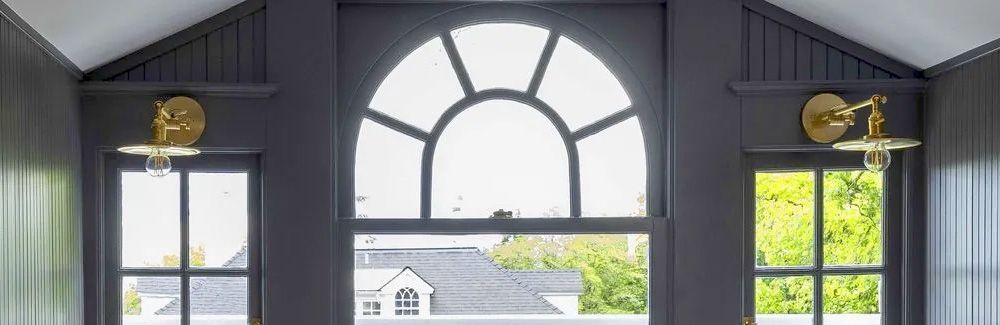
Painted Wood Windows
Painted wood windows require somewhat more attention than ordinary interior trim because they are exposed to moisture, condensation, sunlight, and movement.
Routine Care:
Keep tracks, sills, and other horizontal surfaces free of dirt and debris.
Clean painted surfaces gently with mild soap and water, then dry.
Wipe up condensation or standing water promptly, particularly on wood sills and at joints.
Inspection:
Periodically inspect exterior and interior painted surfaces for cracking, peeling, open joints, or exposed wood.
Pay particular attention to sills and lower portions of sash and trim, where water is most likely to collect.
Deteriorating paint on a wood window is more than a cosmetic issue. Once bare wood is exposed, moisture can enter and contribute to deterioration.
Operation:
Paint buildup can interfere with the movement of older double-hung windows. Avoid repeatedly painting over sash edges, tracks, pulleys, hardware, weatherstripping, or other components that need to move.
If an older painted window has become difficult to operate, determine the cause before sanding or removing paint.
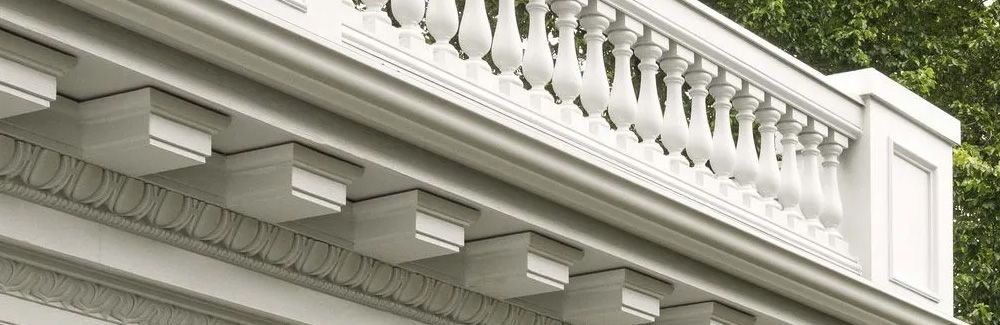
Exterior Painted Woodwork & Siding
Exterior paint is a protective system. Its job is not simply to provide color but to protect siding, trim, windows, doors, and other exterior materials from moisture and weather.
Routine Cleaning:
Dirt, pollen, mildew, and airborne debris can accumulate on exterior paint.
Where cleaning is needed, begin with water and a mild cleaning solution appropriate for the paint. Use a soft brush, sponge, or cloth and rinse thoroughly.
Work carefully around windows, doors, joints, vents, and other locations where water could be forced behind siding or trim.
Pressure Washing:
Avoid aggressive pressure washing on painted exterior surfaces. High pressure can damage paint, force water behind siding or trim, and worsen existing deterioration.
High-pressure washing can damage wood fibers, force water behind siding and trim, damage glazing and seals, and remove sound paint.
For routine cleaning, use the lowest pressure and least aggressive method that will do the job. Particularly on older wood siding, windows, or delicate architectural details, hand washing or professional cleaning may be more appropriate.
Inspection & Maintenance:
Periodically inspect painted exterior surfaces for:
- Peeling, cracking, blistering, or flaking paint
- Exposed or weathered wood
- Failed caulk or open joints
- Persistent moisture or staining
- Deterioration around windows, doors, gutters, and roof transitions
Address the source of moisture before repainting a chronically failing area. New paint will not solve an underlying leak, drainage problem, or moisture condition.
Touch-Ups:
Small areas of damage can sometimes be scraped, prepared, primed, and touched up. Larger areas of deterioration may require more extensive preparation and repainting.
Successful exterior painting depends heavily on surface preparation. Painting over loose paint, dirt, mildew, or damp wood will shorten the life of the new coating.
Painted Surfaces in Kitchens & Bathrooms
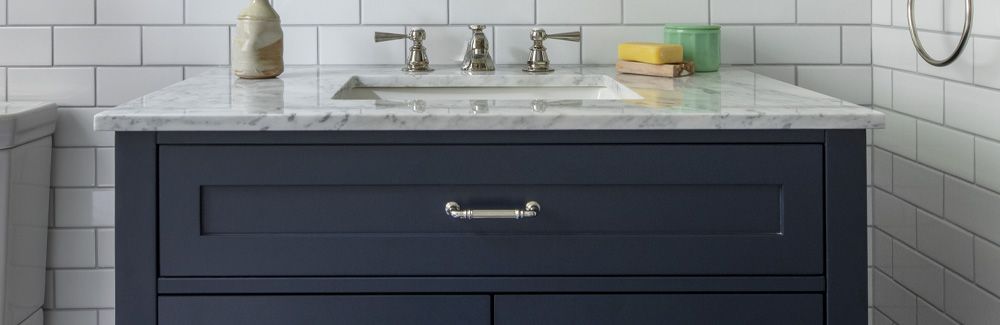
Paint in kitchens and bathrooms is exposed to conditions not typically encountered in bedrooms or living rooms.
Kitchens:
Cooking can leave airborne grease on walls, ceilings, and trim. Clean grease before it becomes a heavy buildup, beginning with mild dish soap and warm water.
Areas immediately around cooking surfaces may require more frequent attention.
Avoid strong degreasers unless they are approved for the particular paint finish.
Bathrooms:
Ventilation is one of the most important forms of paint maintenance in a bathroom. Use the exhaust fan during bathing and continue running it long enough afterward to remove excess humidity.
Wipe persistent condensation from walls, trim, and windows.
Repeated peeling, blistering, or mildew can indicate a ventilation or moisture problem rather than simply a cleaning problem.
Historic Painted Surfaces
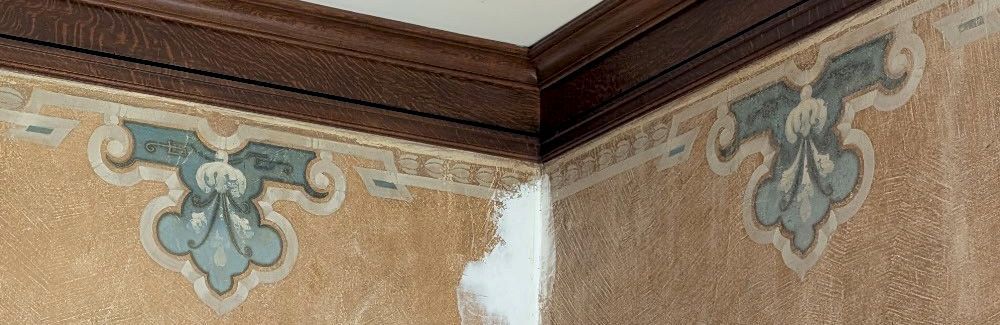
Paint in an older home isn't always simply a finish waiting to be replaced. Original coatings, substrates, and decorative treatments may warrant preservation or specialized repair.
Historic doors, trim, paneling, plaster, cabinetry, and other architectural elements may retain multiple generations of paint and earlier finishes. Before stripping an old surface, consider whether preserving some or all of the existing material is appropriate.
Aggressive sanding, scraping, heat, and chemical stripping can damage delicate wood profiles, plaster, and other historic materials.
A Note About Lead Paint
Homes built before 1978 may contain lead-based paint beneath newer coatings. Routine gentle cleaning of an intact painted surface is very different from sanding, scraping, drilling, demolition, or other activities that disturb old paint.
Before undertaking work that will disturb paint in an older home, determine whether lead-safe practices are required. The EPA's Renovation, Repair and Painting program establishes requirements for work that disturbs lead-based paint in pre-1978 housing.
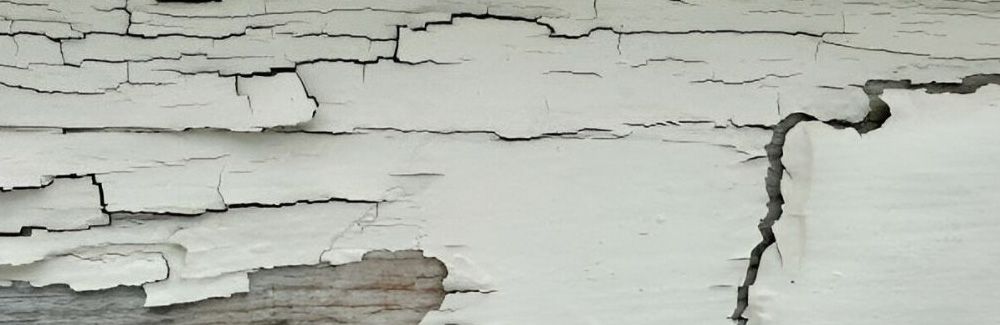
If paint is peeling, chalking, or otherwise deteriorating, particularly around older windows and doors, treat it as a maintenance and potential safety issue rather than simply scrubbing or sanding it away.