
Tile: Ceramic, Porcelain, Glass, and Metal
Tile can be one of the most durable—and distinctive—finishes in an older home. Original ceramic tile may survive for generations in a bathroom or around a fireplace, while porcelain, glass, metal, and new ceramic tile offer an enormous range of choices when updating a kitchen, bath, or other space. Whatever its age, good care can help tile retain the qualities that made it worth keeping or choosing in the first place.
The tile throughout a home can serve very different purposes, from hardworking floors and showers to decorative backsplashes, fireplace surrounds, and hearths. How you care for it depends on both the type of tile and where it is used. Specialty glazes, decorative finishes, metallic surfaces, and some glass tile can be particularly sensitive. Grout may have its own care requirements as well.
Start with the gentlest effective cleaning method, and don't assume that a product that's safe for one type of tile is appropriate for another. When you know the manufacturer of newer tile, grout, or sealer, follow its care recommendations if they differ from the general guidance below. With older or unidentified tile, a cautious approach can help preserve finishes that may be difficult—or impossible—to replace.
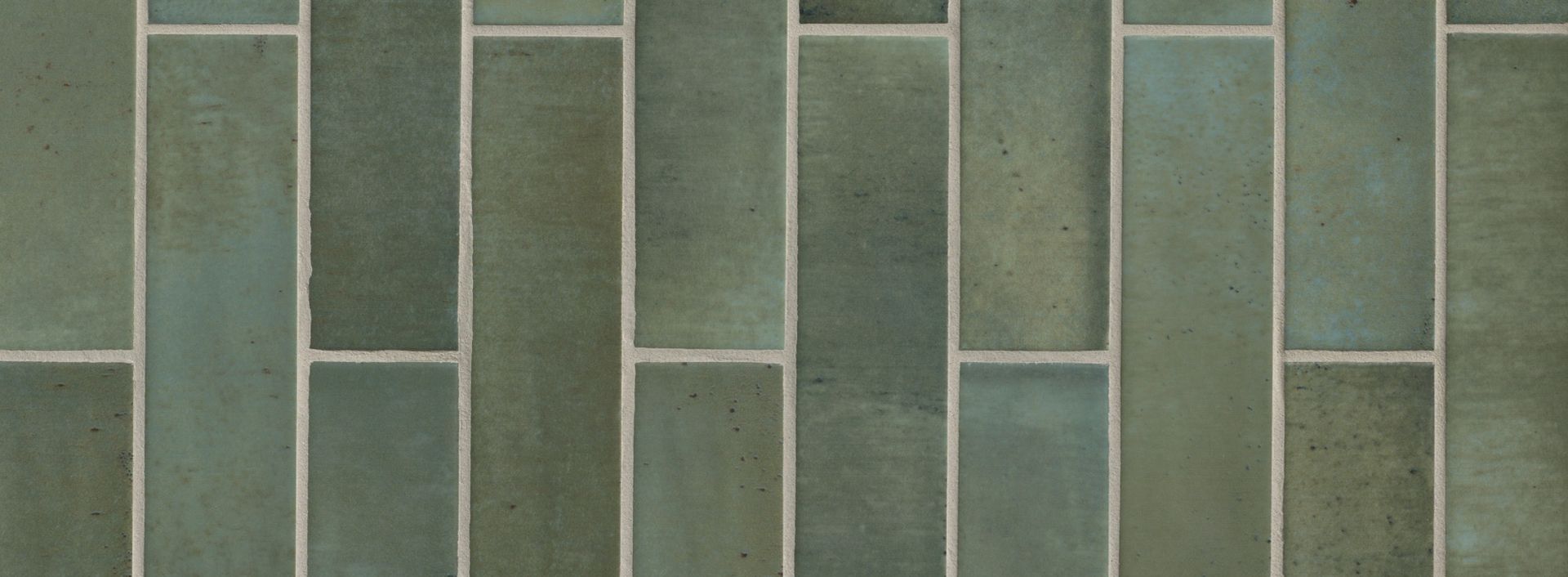
Glazed Ceramic Tile
Common applications include walls, floors, backsplashes, tub surrounds, and showers.
Everyday Care:
Sweep or vacuum floors regularly to remove dirt and grit. Clean tile with warm water and a small amount of mild soap or a neutral-pH cleaner suitable for tile and grout. Use a soft cloth, sponge, mop, or nonmetallic brush, then rinse with clean water to remove any residue.
In showers and other wet areas, regular cleaning will help prevent soap scum and mineral buildup.
Avoid:
Avoid abrasive pads, steel wool, and harsh scouring products that may scratch or dull the glaze. Acidic or strongly alkaline cleaners can also damage some tile finishes and cement-based grout, so check the product label before use.
Stains & Buildup:
For stubborn soap scum, mineral deposits, or stains, use a cleaner specifically formulated for tile and compatible with the grout. Test any unfamiliar product in an inconspicuous area first.
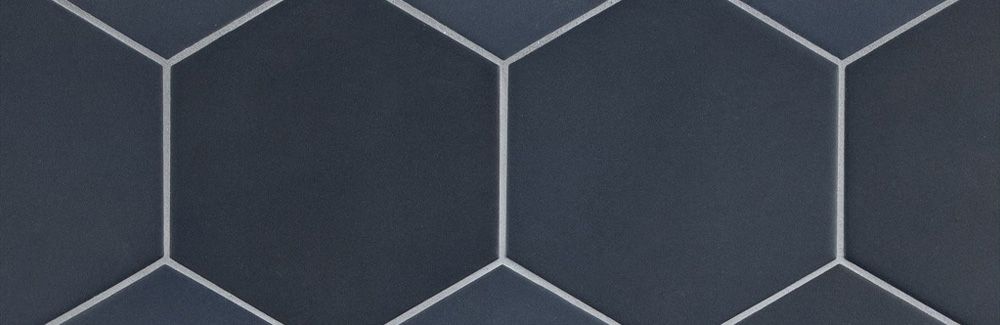
Porcelain Tile
Common applications include floors, walls, backsplashes, showers, and tub surrounds.
Porcelain is dense, durable, and generally easy to maintain. Glazed, unglazed, polished, and textured porcelain may require slightly different care.
Everyday Care:
Sweep or vacuum floors to remove grit before mopping. Clean with warm water and mild soap or a neutral-pH tile cleaner using a soft cloth, sponge, or mop. Rinse thoroughly and dry as needed to prevent residue or water spotting.
Wipe up spills promptly.
For unglazed or textured porcelain, a neutral-pH cleaner designed for porcelain tile may help remove dirt that collects in the textured surface.
Avoid:
Avoid steel wool, harsh abrasives, and cleaners that may damage the tile finish or surrounding grout. Acidic or ammonia-based cleaners should not be used unless specifically approved for the tile and grout in your installation.
Stubborn Buildup:
If ordinary cleaning does not remove a stain or buildup, use a product specifically recommended for porcelain tile. Avoid aggressive DIY treatments involving abrasive powders, sand, or strong chemicals unless directed by the tile manufacturer or a qualified tile professional.
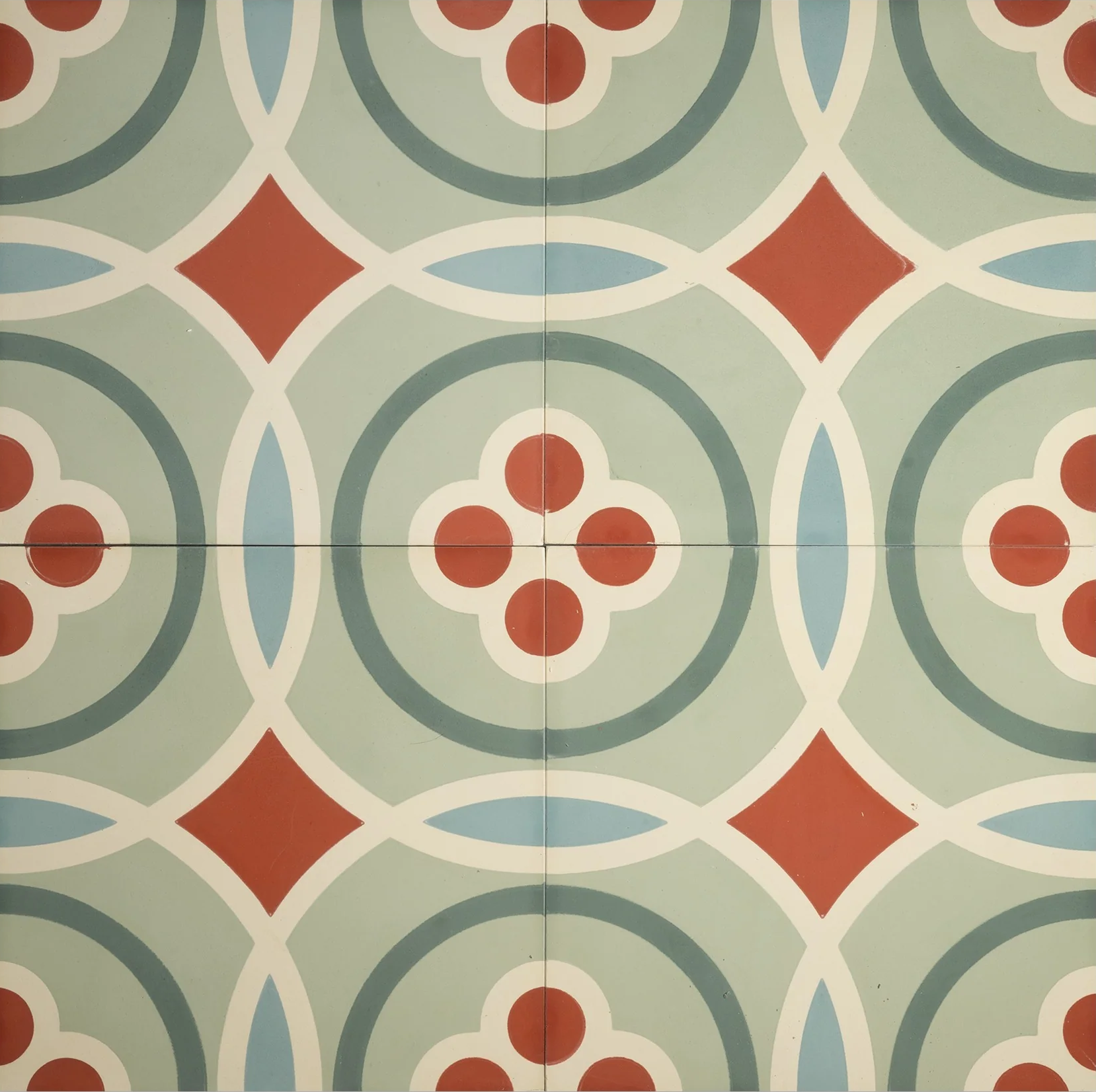
Cement Tile
Common applications include floors, walls, backsplashes, and fireplace surrounds.
Cement tile is a decorative tile traditionally made with colored cement rather than a fired ceramic glaze. Patterned designs are formed as part of the tile itself. The material is porous and develops a natural patina with use.
Everyday Care:
Sweep or vacuum regularly to remove abrasive grit. Damp mop as needed with a neutral-pH cleaner suitable for cement tile or natural stone. Wipe up spills promptly, particularly oils, wine, and other substances that may stain.
Entry mats can help reduce wear in high-traffic areas.
Avoid:
Do not use vinegar, acidic cleaners, or other acid-based stain removers on cement tile. Acid can etch the surface and cause discoloration or pitting. Avoid: aggressive scrubbing and abrasive cleaning products as well.
Stains & Long-Term Care:
For stubborn stains, use a product specifically intended for porous tile or natural stone, following the manufacturer's directions.
Properly sealed cement tile may need to be resealed periodically depending on the sealer, location, and amount of wear. Follow the sealer manufacturer's recommendations rather than resealing on a fixed schedule.
Over time, cement tile will develop a patina. This is a normal characteristic of the material rather than a defect.
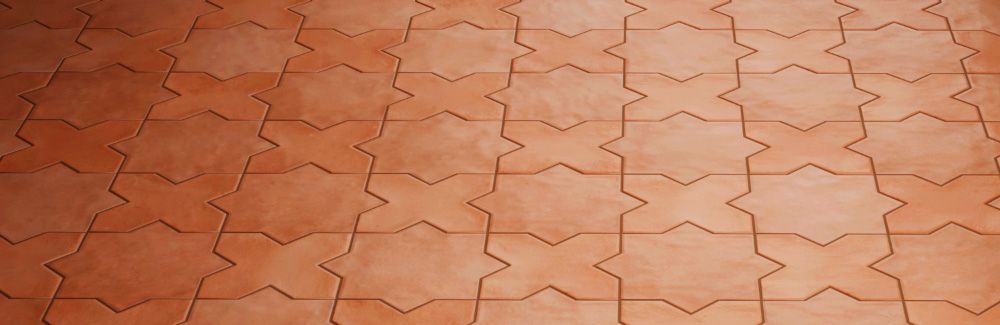
Terracotta Tile
Common applications include floors, walls, fireplace surrounds, and other decorative surfaces.
Terracotta is a porous fired-clay material, and its care can vary depending on how the tile was manufactured, sealed, and finished.
Everyday Care:
Remove loose dirt and grit regularly. Clean with warm water and a small amount of mild soap or a neutral-pH cleaner recommended for terracotta or natural stone. Use a soft cloth or mop and Avoid: leaving standing water on the surface.
Wipe up spills promptly to reduce the chance of staining.
Avoid:
Do not use acidic cleaners, harsh chemicals, and abrasive products unless they are specifically approved for your particular terracotta tile and finish.
Long-Term Care:
Some terracotta installations are sealed or waxed, while others are intentionally left to develop a more natural patina. Follow the recommendations for the specific tile and finish installed in your home before applying additional sealers or coatings.
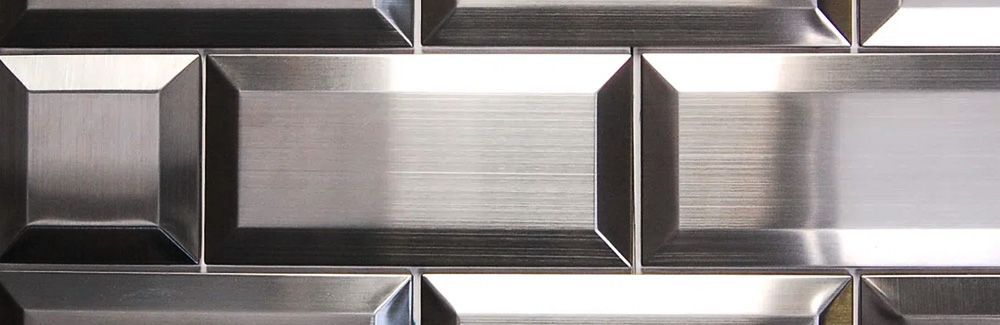
Metal Tile
Common applications include backsplashes, accent walls, and decorative borders.
Metal tile may be stainless steel, copper, brass, aluminum, or another metal and may have a plated, coated, polished, or patinated finish. Care requirements can therefore vary significantly.
Everyday Care:
Clean with a soft cloth and a mild, nonabrasive cleaner suitable for the particular finish. Rinse or wipe away cleaner residue and dry with a soft cloth.
Avoid:
Do not use steel wool, abrasive pads, or scouring powders. Avoid: bleach, ammonia, acids, and other strong chemicals unless the manufacturer specifically identifies them as safe for your tile and finish.
Always test an unfamiliar cleaning product in an inconspicuous area first.
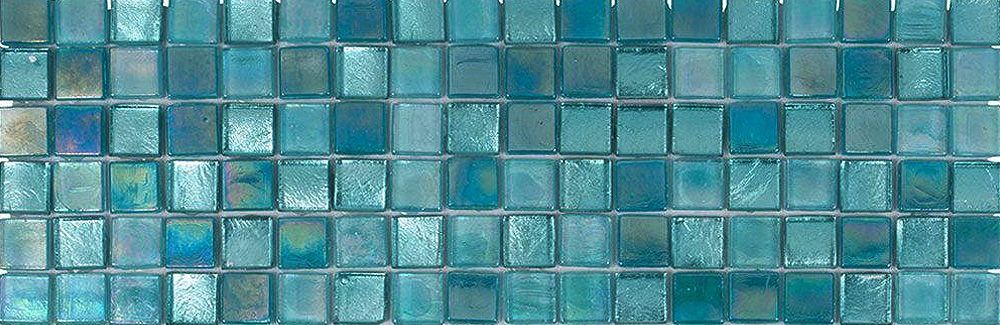
Glass Tile
Common applications include backsplashes, shower walls, accent tile, and other decorative wall surfaces.
Everyday Care:
Clean glass tile with warm water and mild soap or a cleaner approved for glass tile. Use a soft, nonabrasive cloth or sponge, then rinse and dry to help prevent water spots.
Avoid:
Avoid: abrasive powders, scouring pads, and metal cleaning tools, which can scratch the surface.
Because glass finishes and surrounding grout vary, do not assume that acidic cleaners such as vinegar are appropriate for every installation. Follow the tile and grout manufacturers' recommendations when available.

Grout
The cleaner that is safe for your tile is not necessarily safe for your grout. This is particularly important with cement-based grout, which can be damaged by repeated exposure to acidic cleaners.
For routine cleaning, use a cleaner compatible with both the tile and grout, rinse thoroughly, and avoid products that leave an oily or waxy residue.
Grout sealing requirements vary by grout type. Follow the grout manufacturer's recommendations for sealing and long-term maintenance.