
Cabinetry & Built-in Woodwork Care Guide
Cabinetry and built-in woodwork can be some of the most distinctive features of an older home. Original cupboards, bookcases, buffets, linen cabinets, and other built-ins often reflect the craftsmanship and architectural details of the house and are worth preserving when possible. New cabinetry can serve a different purpose, bringing better storage and function to kitchens, baths, and other spaces while still feeling at home with the architecture around it.
Whether old or new, cabinetry can be finished in many different ways. Painted surfaces, stained or clear-finished wood, lacquer, and factory-applied finishes can look similar but require different care. With older built-ins, the existing finish may not be immediately identifiable, making a cautious approach especially important.
For everyday cleaning, start gently. Remove dust with a soft cloth, wipe up spills and splashes promptly, and avoid excessive moisture. Don't assume that a cleaner or polish intended for floors, furniture, or general household use is appropriate for cabinetry. For newer cabinetry, follow the manufacturer's care instructions when available.
With original built-ins, care is often as much about
preservation as appearance.
Small scratches, variations in color, softened edges, and other evidence of age can be part of what gives old woodwork its character. Before stripping, refinishing, painting, or otherwise substantially altering an older built-in, consider whether its existing finish and signs of age are worth preserving.
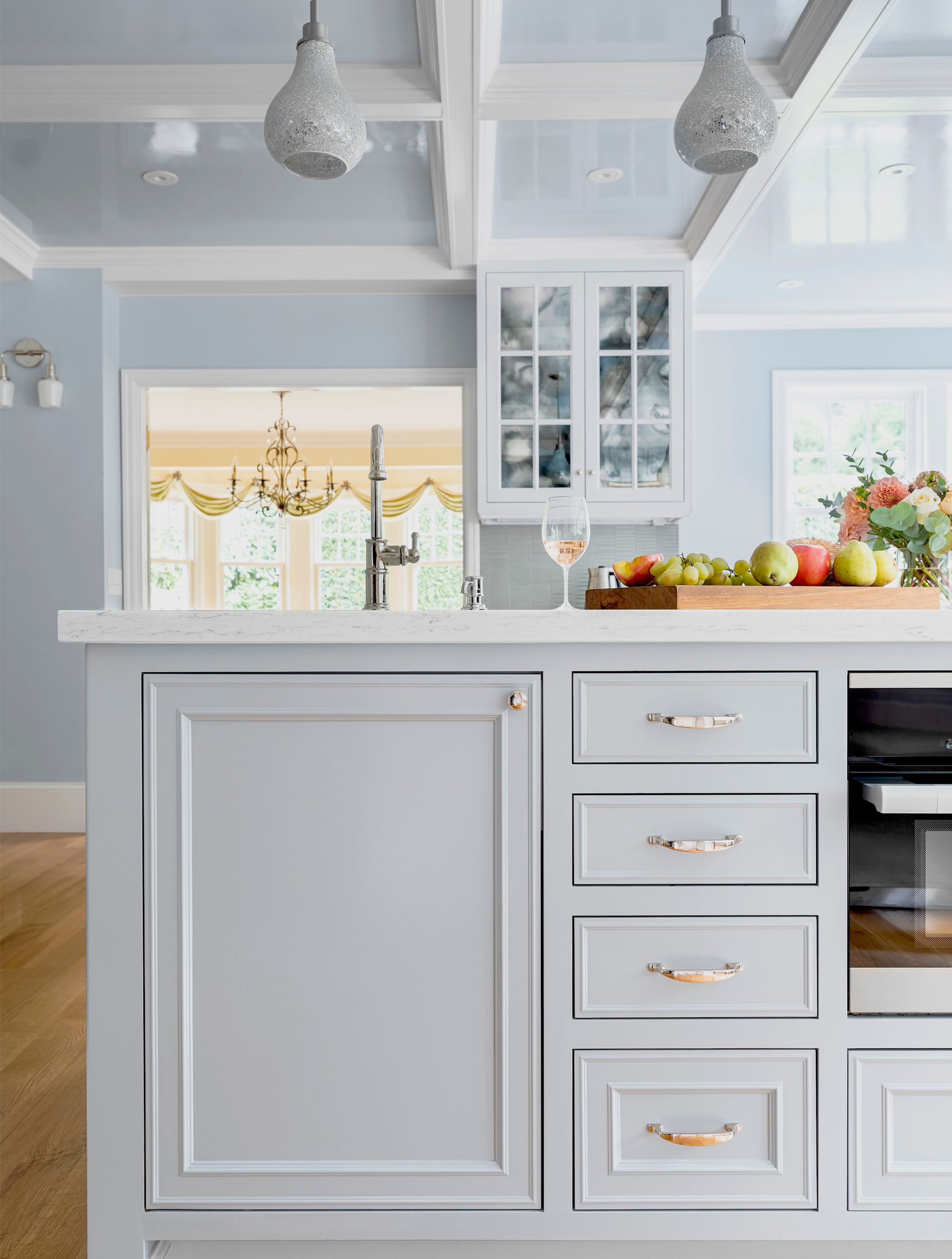
Painted Cabinetry
Painted cabinetry is durable but can be scratched, stained, or gradually dulled by aggressive cleaning. Areas around knobs and pulls, sinks, ranges, and frequently used drawers generally need the most attention.
Everyday Care:
Dust with a soft, lint-free cloth.
For fingerprints, food residue, and ordinary grime, use a soft cloth dampened with warm water. If additional cleaning is needed, add a small amount of mild dish soap.
Work gently rather than scrubbing. Follow with a clean damp cloth to remove soap residue and dry the surface.
Mild soap and warm water, followed by rinsing and drying, are appropriate for many painted cabinet finishes.
Grease & Buildup:
Address cooking grease and fingerprints regularly rather than allowing layers of residue to accumulate.
Start with diluted mild dish soap. Avoid: moving immediately to stronger degreasers, which can soften, discolor, or change the sheen of some painted finishes.
Avoid:
Abrasive powders, scouring pads, steel wool, and scrubbing sponges.
Do not use solvent-based cleaners, furniture polish, wax, or strong household degreasers unless the finish manufacturer specifically approves them.
Be cautious with disinfecting wipes and cleaners containing alcohol, bleach, ammonia, or other strong chemicals. Repeated exposure can damage some painted finishes.
Moisture & Heat:
Wipe up water promptly, especially around sinks, dishwashers, coffee makers, and other areas where cabinetry is repeatedly exposed to moisture or steam.
Avoid: hanging damp towels over painted cabinet doors and drawer fronts. Prolonged moisture can affect both the finish and the wood or composite material beneath it.
Chips & Wear:
Small chips can sometimes be touched up with matching paint, but sheen and color can change with age. A fresh touch-up may therefore remain somewhat visible.
For widespread wear, peeling, or finish failure, refinishing is generally preferable to repeatedly touching up individual areas.
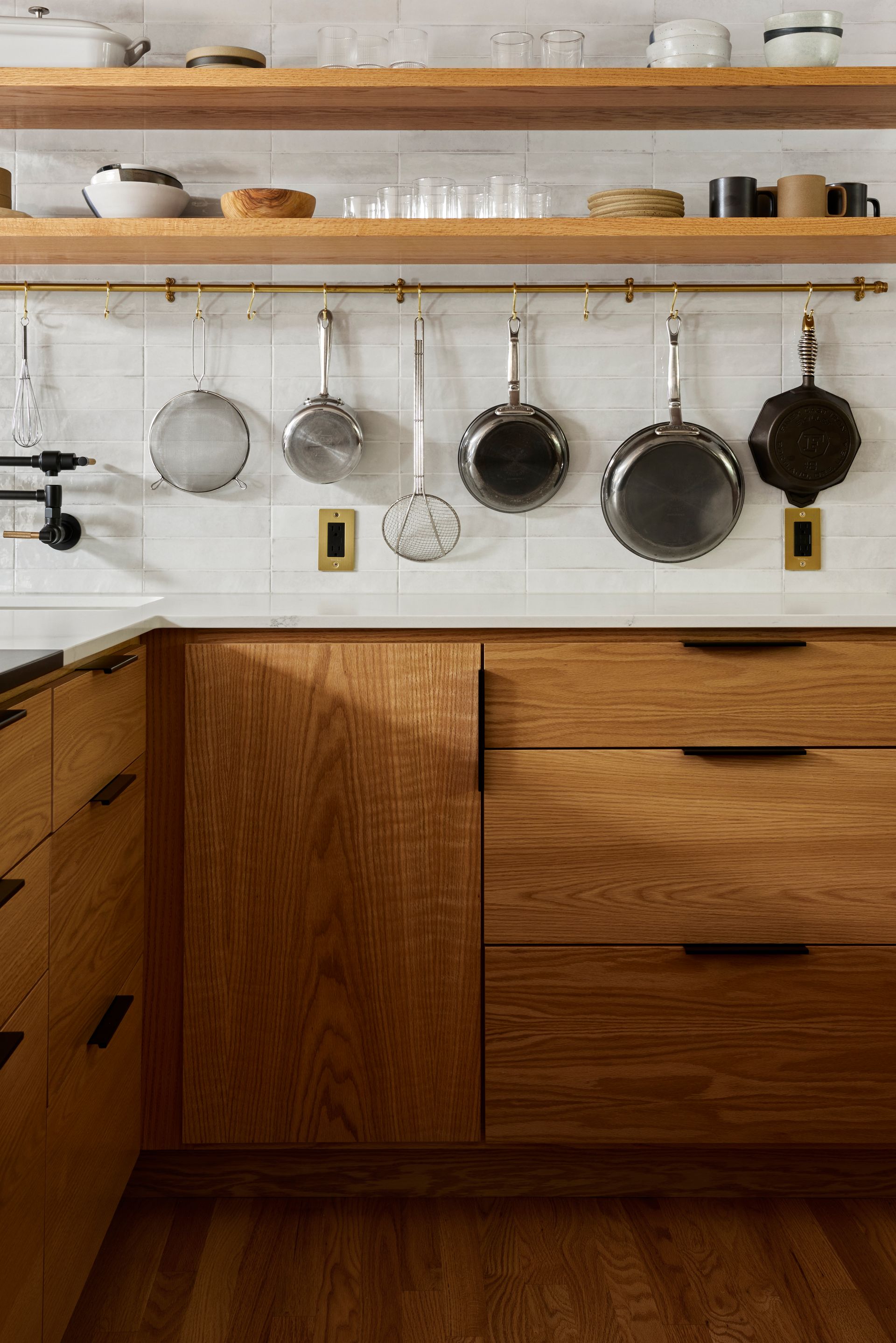
Clear-Finished Wood Cabinets
Natural wood cabinetry may be protected with lacquer, varnish, conversion varnish, polyurethane, or another clear finish. The protective coating—not simply the wood species—determines how the surface should be cleaned.
Everyday Care:
Dust with a soft, dry cloth.
For ordinary cleaning, use a soft cloth dampened with warm water. Add a small amount of mild soap when necessary.
Wipe in the direction of the grain where practical, then remove any soap residue with a clean damp cloth and dry the surface.
Avoid:
Avoid: abrasive cleaners and pads, harsh chemicals, and excessive water.
Do not automatically apply furniture polish, wax, oil, or products advertised as “feeding” or restoring wood. A sealed wood cabinet generally does not need oil to penetrate the wood, and added products can leave residue or interfere with future finish repairs.
Do not automatically apply furniture polish to clear-finished wood cabinets. Its suitability depends on the actual finish, and some products can leave residue or interfere with future repairs.
Moisture & Sunlight:
Wipe spills promptly and don't allow water to collect around joints, edges, or panels.
Natural wood changes color with age and exposure to light. Areas consistently exposed to sunlight may gradually differ from areas behind objects or inside cabinets. This is a normal characteristic of wood.
Scratches & Finish Damage:
Do not sand an isolated scratch unless you know how the cabinetry was originally finished. Sanding through a clear finish can make a small defect considerably more difficult to repair.
Minor finish damage can often be repaired by a cabinetmaker or professional finisher without completely refinishing the cabinetry.
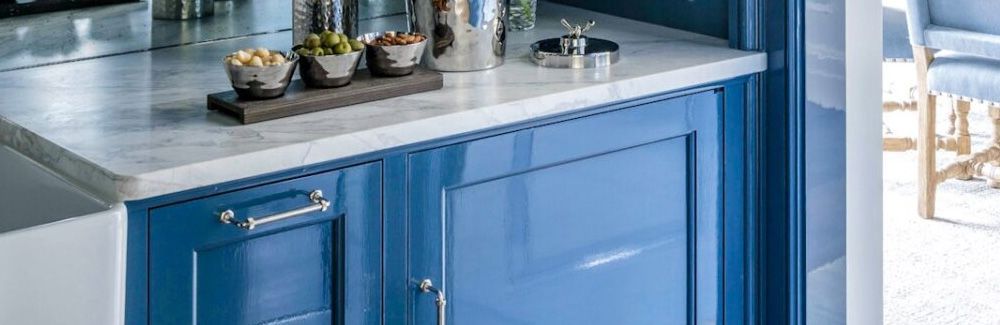
Lacquered Cabinetry & Woodwork
Lacquer deserves particular care because it can be sensitive to certain chemicals. Use mild cleaning methods and avoid abrasives.
Everyday Care:
Dust with a soft cloth.
Clean fingerprints and ordinary grime with a soft cloth lightly dampened with water. If needed, use a small amount of mild soap, then wipe with clean water and dry.
Avoid:
Abrasive cleaners, scouring pads, solvents, alcohol, acetone, and aggressive household cleaners unless specifically approved for the particular lacquer finish.
Do not leave wet objects or spills on the surface.
Repairs:
Lacquer can sometimes be repaired or renewed by an experienced finisher, but DIY sanding or spot refinishing may create noticeable differences in sheen or color.
For significant scratches, clouding, or finish deterioration, consult a professional finisher.
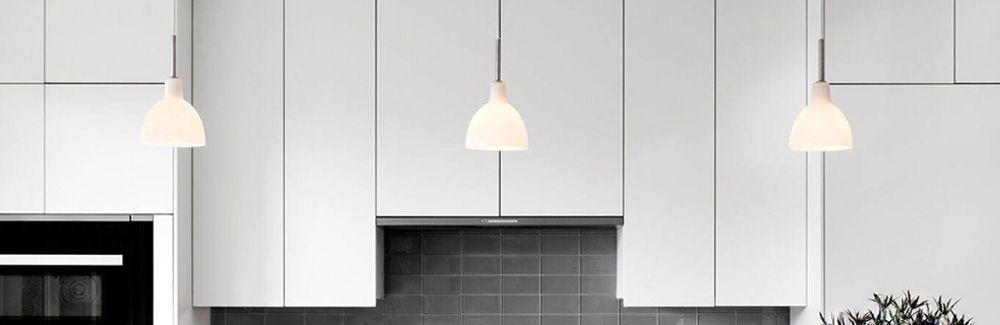
Laminate and Melamine Cabinetry
Laminate and melamine cabinetry are generally easy to maintain. Clean with a damp cloth and mild cleaner, then dry the surface.
Everyday Care:
Wipe with a soft cloth dampened with warm water and mild soap. Follow with a clean damp cloth and dry the surface.
Pay particular attention to edges and seams, where prolonged moisture can potentially reach the substrate beneath the decorative surface.
Avoid:
D not use abrasive powders, scouring pads, steel wool, and harsh solvents.
Do not allow standing water to remain around seams, exposed edges, or damaged areas.
Damage:
Small scratches or chips may not be repairable in the same manner as solid wood. If the decorative surface has chipped or delaminated, contact the cabinet manufacturer or a cabinet professional about repair or replacement options.

Cabinet Interiors & Drawers
For cabinet interiors and drawers, use a damp cloth and mild soap when needed, but Avoid: saturating wood surfaces with water.
Everyday Care:
Vacuum crumbs and loose debris before wiping interiors.
Clean with a soft cloth lightly dampened with water and, when needed, a small amount of mild soap. Dry promptly.
Use water sparingly on unfinished wood interiors and drawers, since moisture can raise the grain, cause staining, or affect joints.
Liners:
If using drawer or shelf liners, choose breathable, nonadhesive products when possible. Adhesives and some nonslip materials can leave residue or react with finishes over time.
Cabinet Hardware
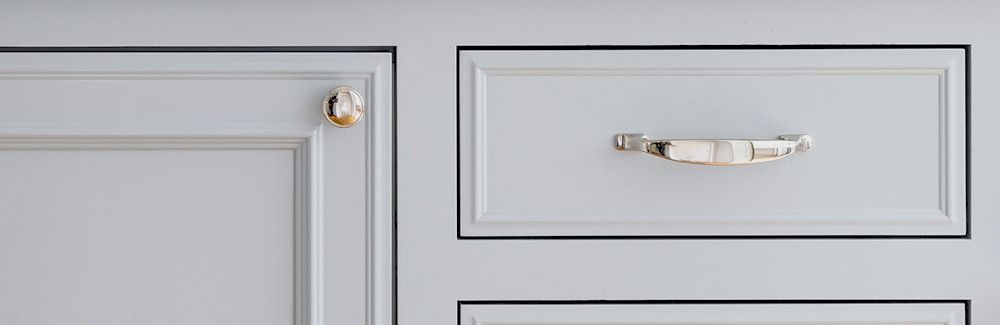
Regularly wipe knobs, pulls, and handles with a soft cloth. A small amount of mild soap and water is generally sufficient for ordinary grime.
Avoid:
Don't spraying cleaner directly onto cabinet hardware, since overspray can reach the surrounding cabinet finish.
Metal finishes vary considerably. Brass, polished nickel, chrome, oil-rubbed bronze, unlacquered brass, and coated finishes should not automatically be cleaned the same way.
For detailed care of specific metal finishes, see the Metal Finishes Care Guide.
Caring for Historic Built-ins
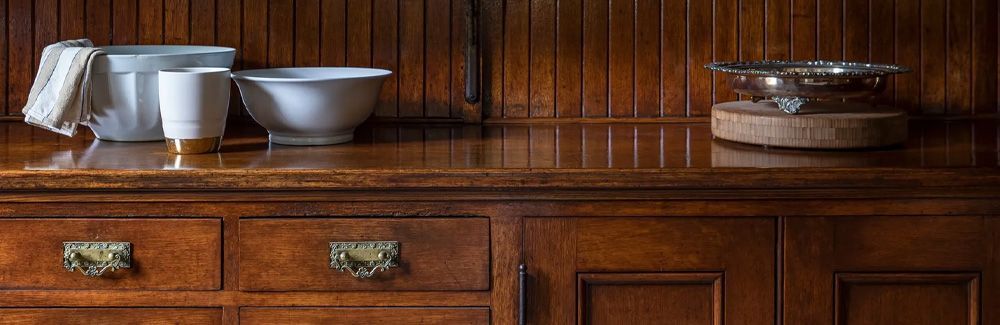
Historic built-ins deserve especially conservative care because original materials, finishes, and patina may be difficult or impossible to replace.
Original built-ins and cabinetry in older homes may retain finishes, hardware, glass, veneers, and details that have survived for decades—or more than a century.
Before stripping, sanding, bleaching, painting, or aggressively cleaning historic woodwork, consider whether the existing finish is worth preserving. An aged finish can contain color, depth, and patina that are difficult to reproduce once removed.
Clean conservatively. If you don't know what finish is present, begin with dry dusting and seek professional guidance before introducing solvents, oils, waxes, or other restorative products.
Loose veneer, failing finishes, water damage, broken hardware, and damaged millwork are usually better treated as repair or restoration issues rather than cleaning problems.