Renovating in Portland's First Garden Suburb
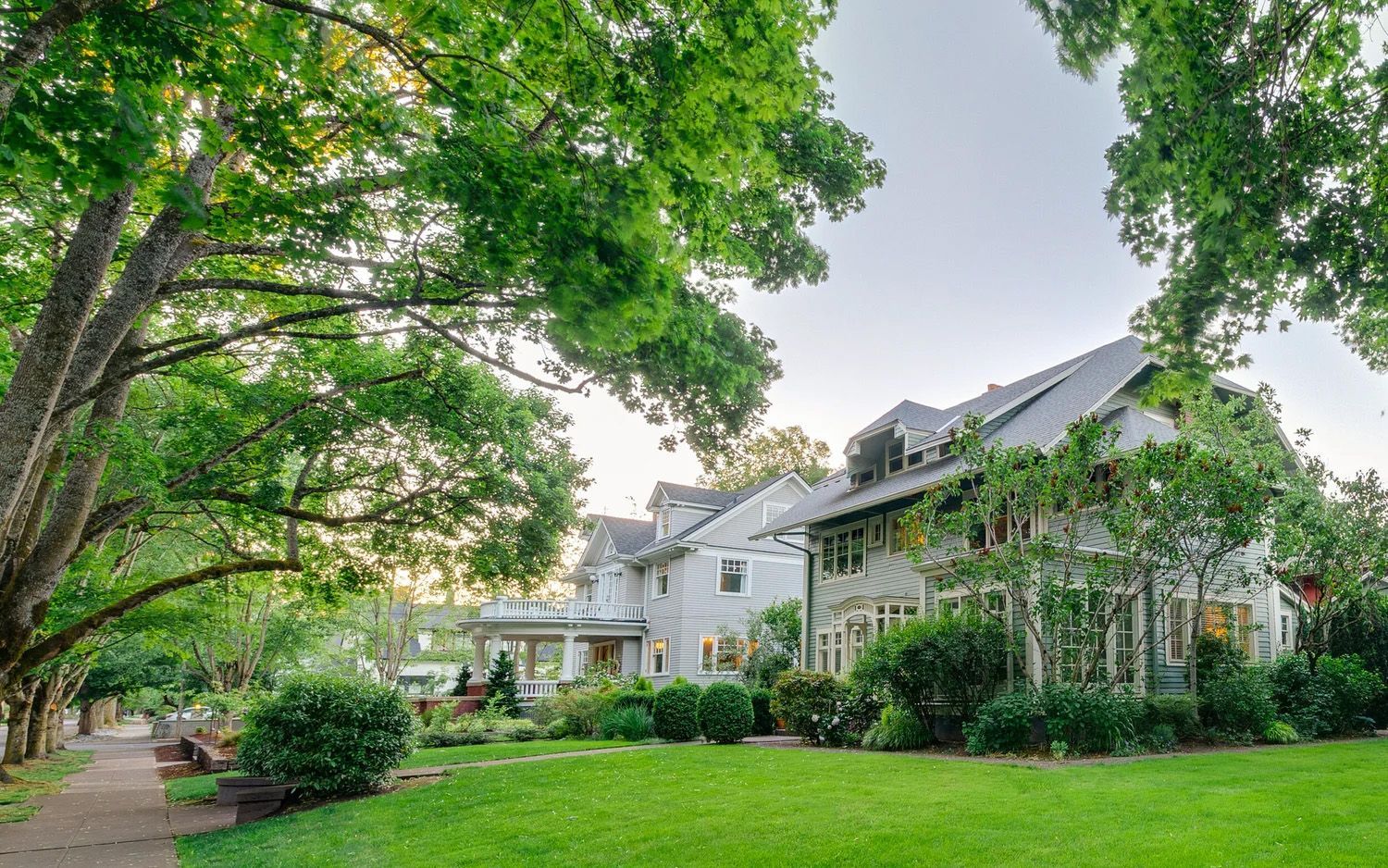
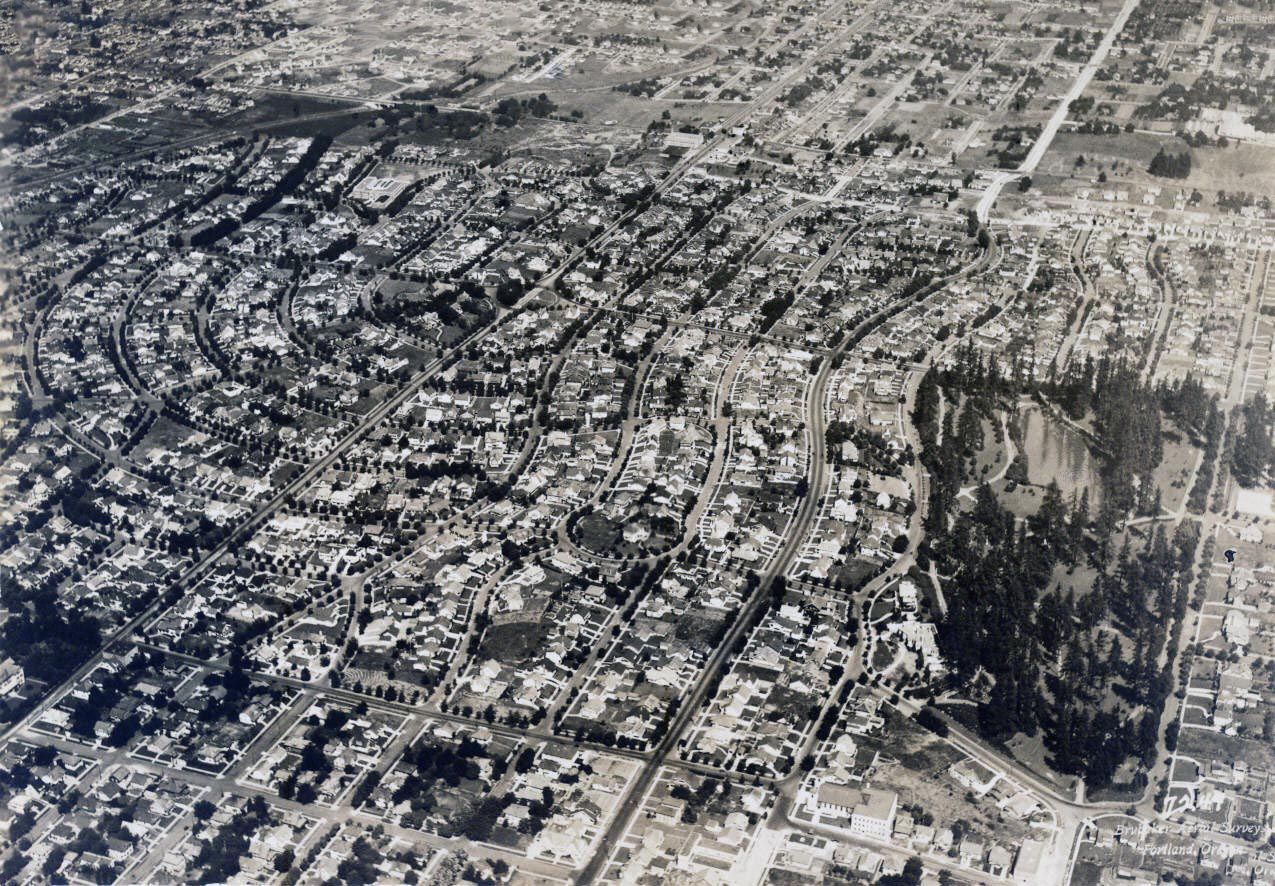
Renovating in Laurelhurst means working within one of the earliest planned residential communities in the western United States. Designed in 1909 as a “garden suburb,” the neighborhood is defined by its curved streets, generous lots, and carefully composed public spaces. Stone entrance markers still frame key approaches, and at Coe Circle, the gilded Joan of Arc statue remains a focal point.
From the beginning, the Laurelhurst Company established strict architectural guidelines, shaping everything from materials to massing. Most homes were built between 1910 and 1925, and many still reflect that original intent.
Those same high standards continue to shape renovation work today. A Laurelhurst remodel calls for more than technical skill—it requires a clear understanding of what makes this neighborhood distinct. Arciform has been renovating homes like these since 1997, with an approach grounded in preservation, craftsmanship, and thoughtful design.
What Makes Laurelhurst One of Portland's Most Coveted Neighborhoods
The Laurelhurst neighborhood spans from NE/SE 33rd Avenue to 44th Avenue, bordered by I-84 to the north and SE Stark Street to the south. Within these boundaries, the character is consistent yet varied, shaped by a remarkable range of early 20th-century architectural styles.
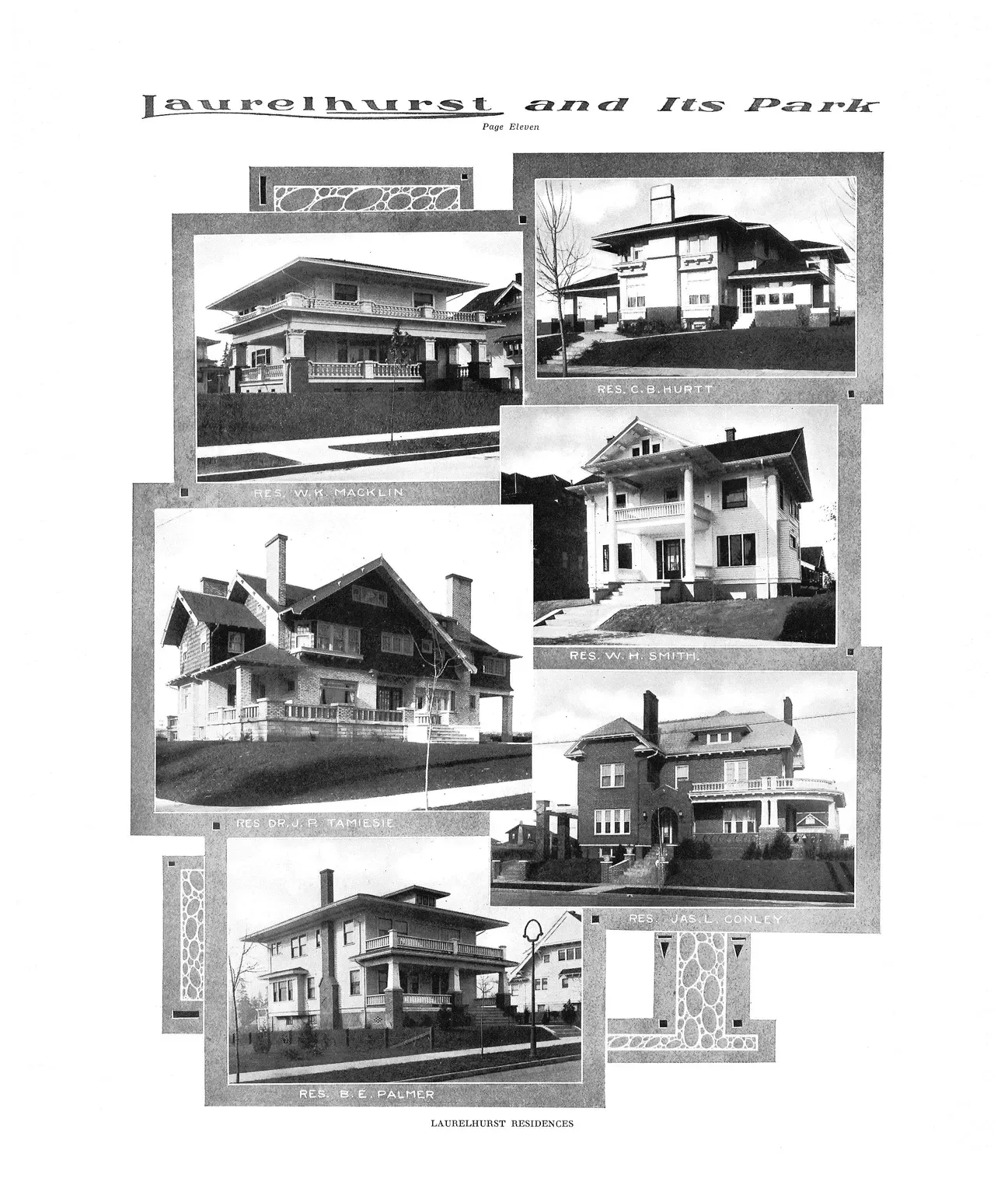
Homes here include Arts and Crafts bungalows, Portland Foursquares, Tudor and Colonial Revivals, Spanish Revival residences, and smaller Storybook and English Cottage designs. Each contributes to a cohesive streetscape, where scale, proportion, and material choices were carefully considered from the outset.
Laurelhurst’s significance goes beyond architecture. It was one of the first planned residential communities in the western United States, formally platted in 1909 and later listed on the National Register of Historic Places in 2019. The neighborhood was designed with intention—curving streets, landscaped medians, and formal entry points create a sense of continuity throughout.
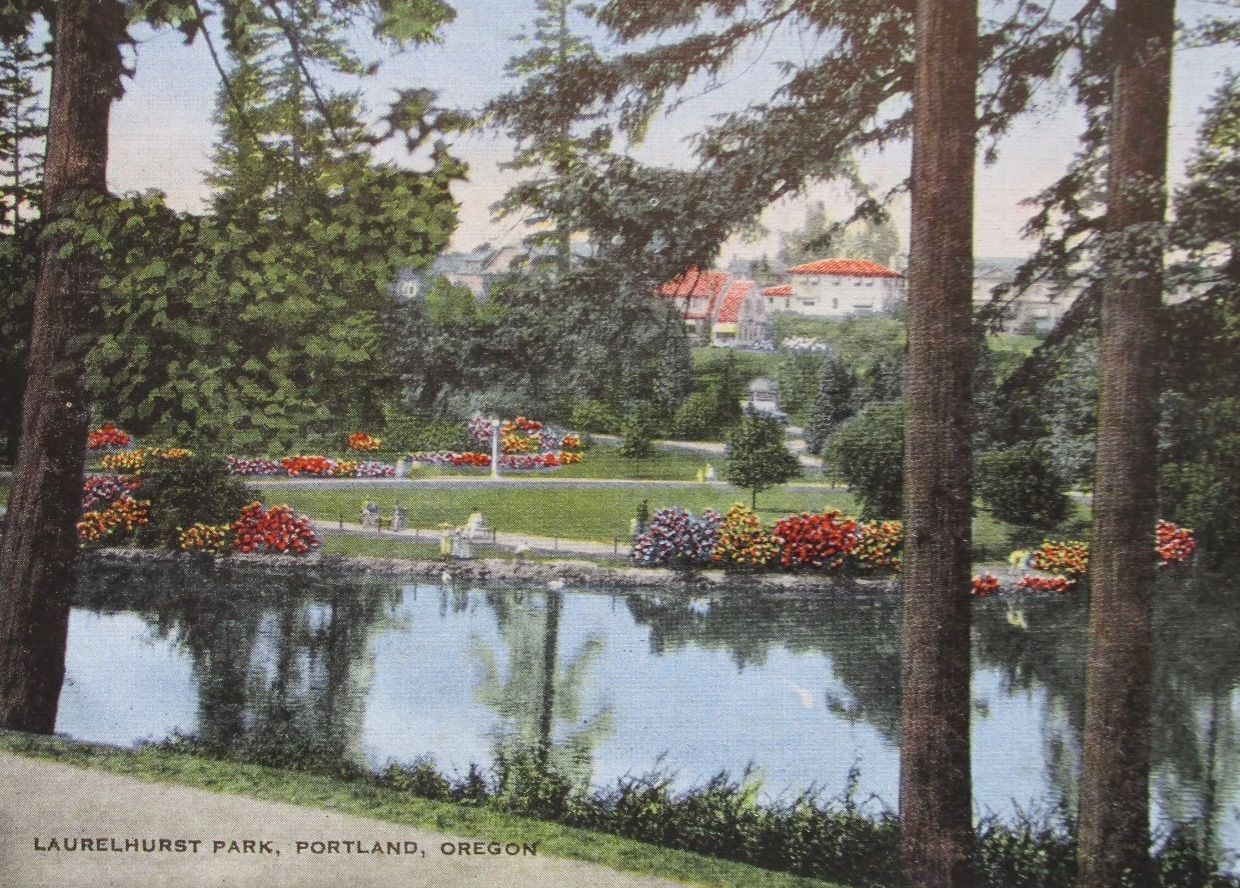
At its center, Laurelhurst Park anchors the neighborhood with 31 acres of open space, recognized as a National Historic Place. Nearby, the historic Laurelhurst Theater adds another layer of cultural continuity, operating in a building that dates to 1923.
Together, these elements define Laurelhurst as a planned residential community where both architecture and landscape still reflect their original vision.
Vintage Laurelhurst Homes Need Specialized Contractors
Working on a Laurelhurst home means understanding how these structures were originally built. Many feature balloon framing, single-wall construction, and extensive use of original fir millwork—details that require careful handling and informed decision-making.
These homes were not only built in a specific era; they were built under strict oversight from the Laurelhurst Company. Materials, proportions, and stylistic elements were controlled from the beginning, which means renovations today benefit from that same level of discipline.
The difference between a general contractor and an old home specialist often shows in what gets preserved. With the former, original windows are replaced without exploring restoration. Built-ins are removed to simplify layouts. Modern materials are introduced without regard for scale or craftsmanship.
A more thoughtful approach starts with understanding the intent behind the home. Original millwork, window profiles, and spatial relationships all contribute to its character.
Arciform’s design-build model brings that understanding into every phase of the project. Design and construction work together from the start, allowing decisions to reflect both the architectural history of the home and the practical needs of modern living.
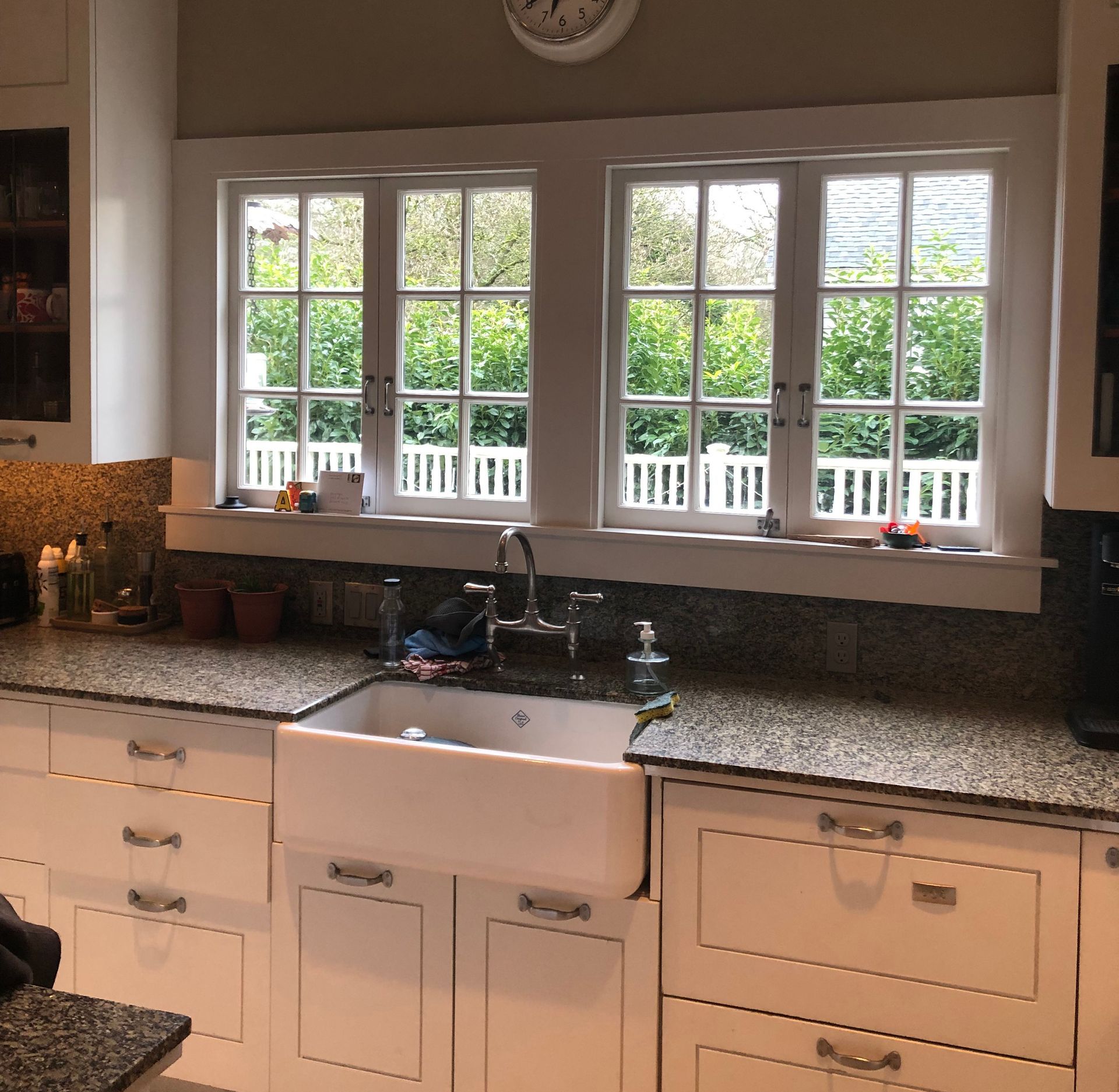
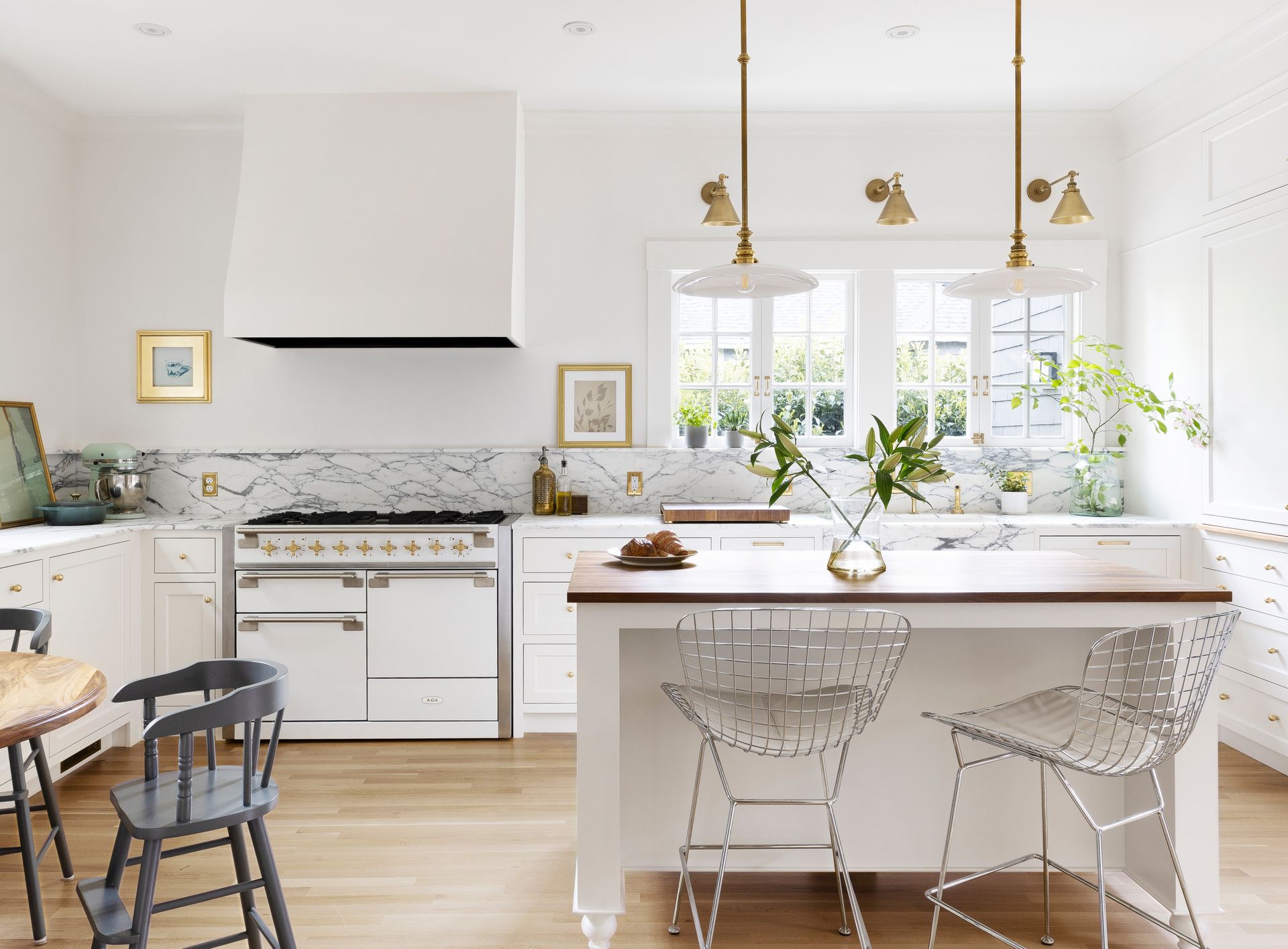
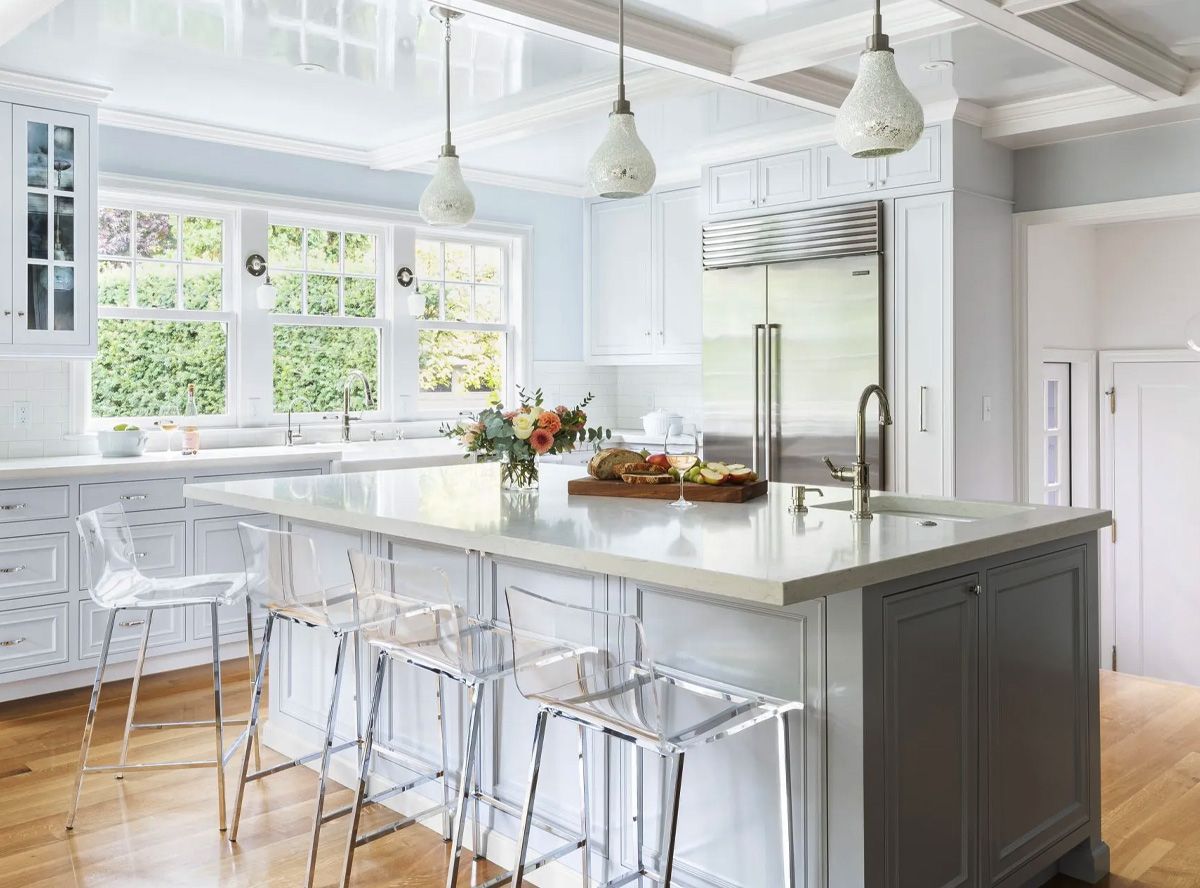
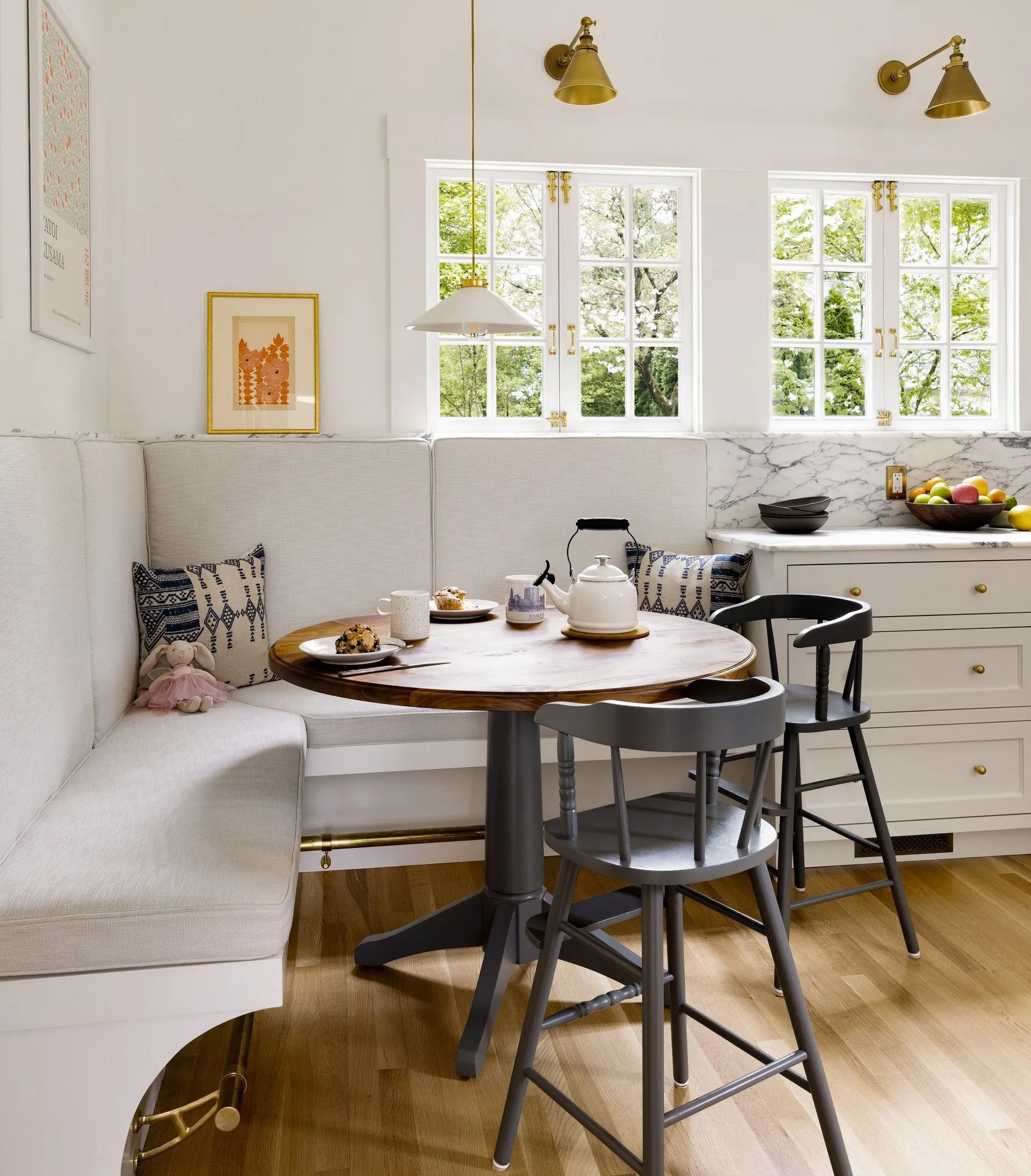
The kitchen in this Laurelhurst Craftsman home had been remodeled about 20 years earlier - the chopped up layout with a peninsula and overhead cupboards in the middle of the room made it feel dark and closed in. Arciform's recent remodel completely reimagined the footprint with an island and built-in seating area, creating a bright and open space for family and entertaining. See more photos here.
Kitchen and Bathroom Remodeling for Laurelhurst's Arts & Crafts Homes
Kitchens and bathrooms in Laurelhurst homes often reflect the priorities of the early 20th century—compact, separated, and highly functional for their time. Updating these spaces requires a careful balance between openness and preservation.
In kitchens, the existing footprint may include butler’s pantries, breakfast nooks, and narrow galley layouts. These features offer opportunity as much as constraint. Thoughtful design can open sightlines, improve flow, and increase usable workspace while maintaining original trim, cabinetry proportions, and architectural detail.
Common challenges include limited counter space, disconnected dining areas, and layouts that don’t reflect how people gather today. Addressing these issues often involves subtle reconfiguration rather than wholesale removal, allowing the kitchen to feel more connected without losing its identity.
Bathrooms present a different set of opportunities. Many Laurelhurst homes were built with a single bathroom, often located along a central hallway. Adding a second bath—or creating an ensuite—typically involves converting underutilized spaces such as closets or former sleeping porches.
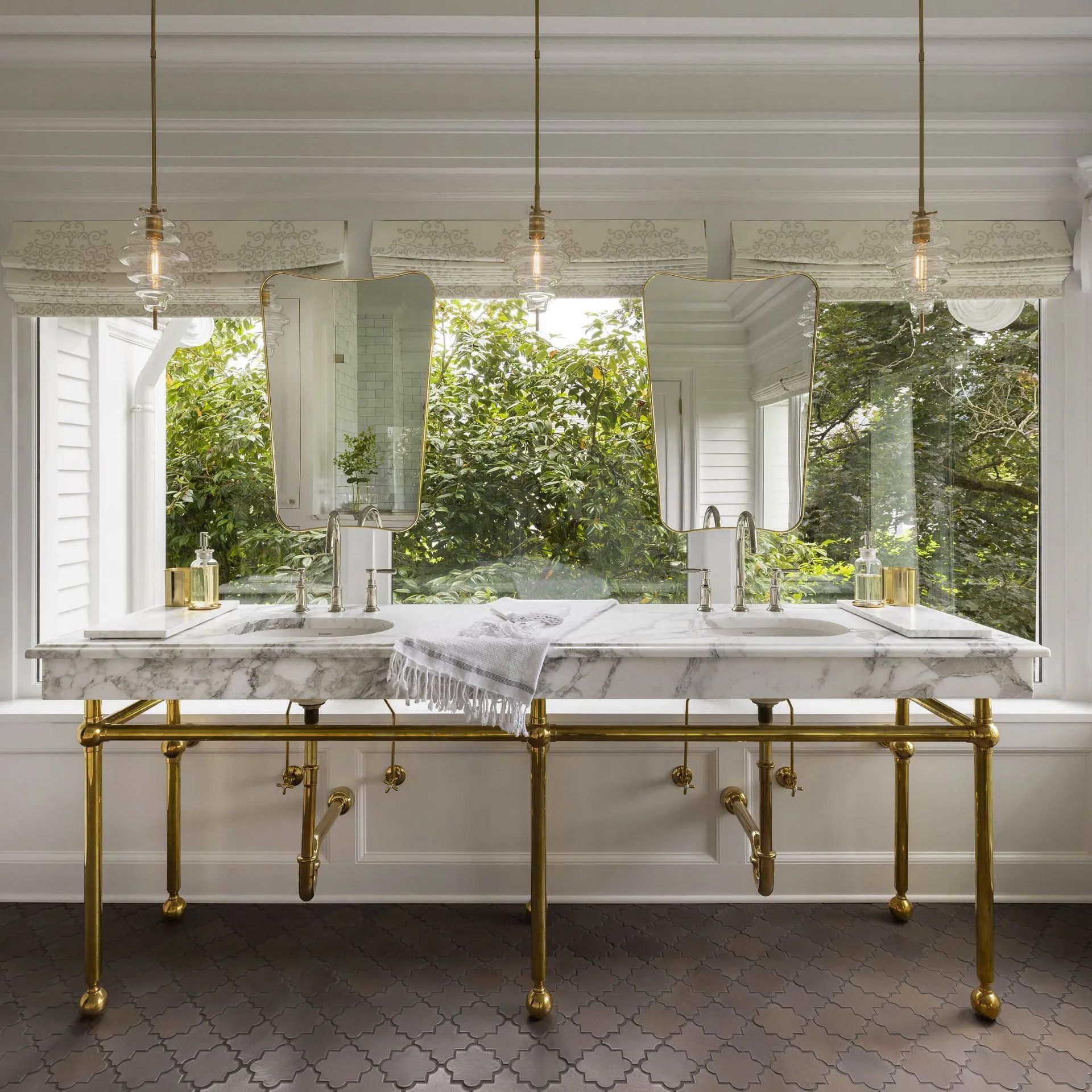
These additions work best when they feel integrated into the home rather than appended to it. Period-appropriate tile, fixtures, and millwork help maintain continuity, while careful planning ensures that circulation and adjacent spaces remain intact.
In both cases, the goal is the same: to create spaces that support daily life while respecting the craftsmanship and structure already in place.
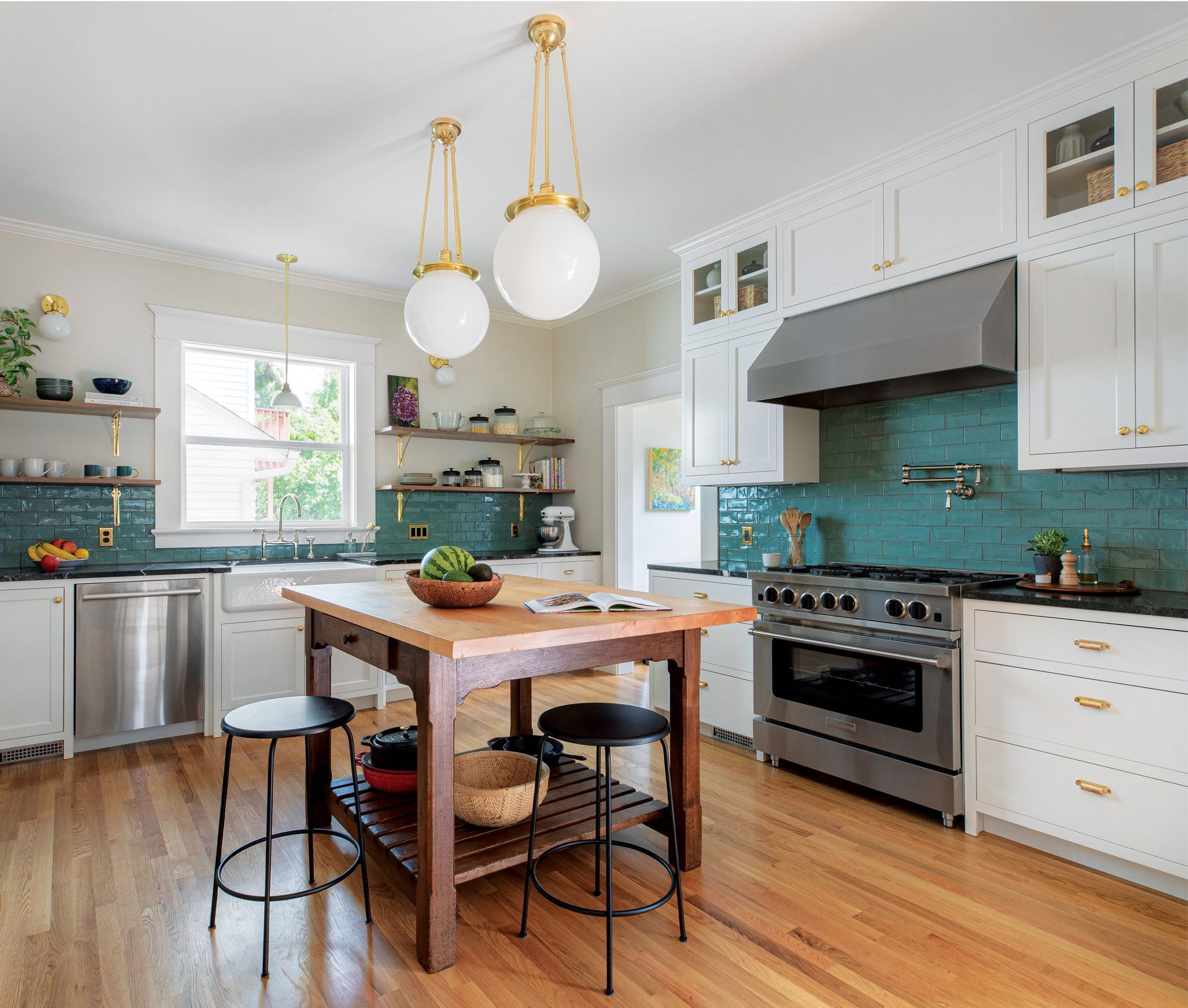
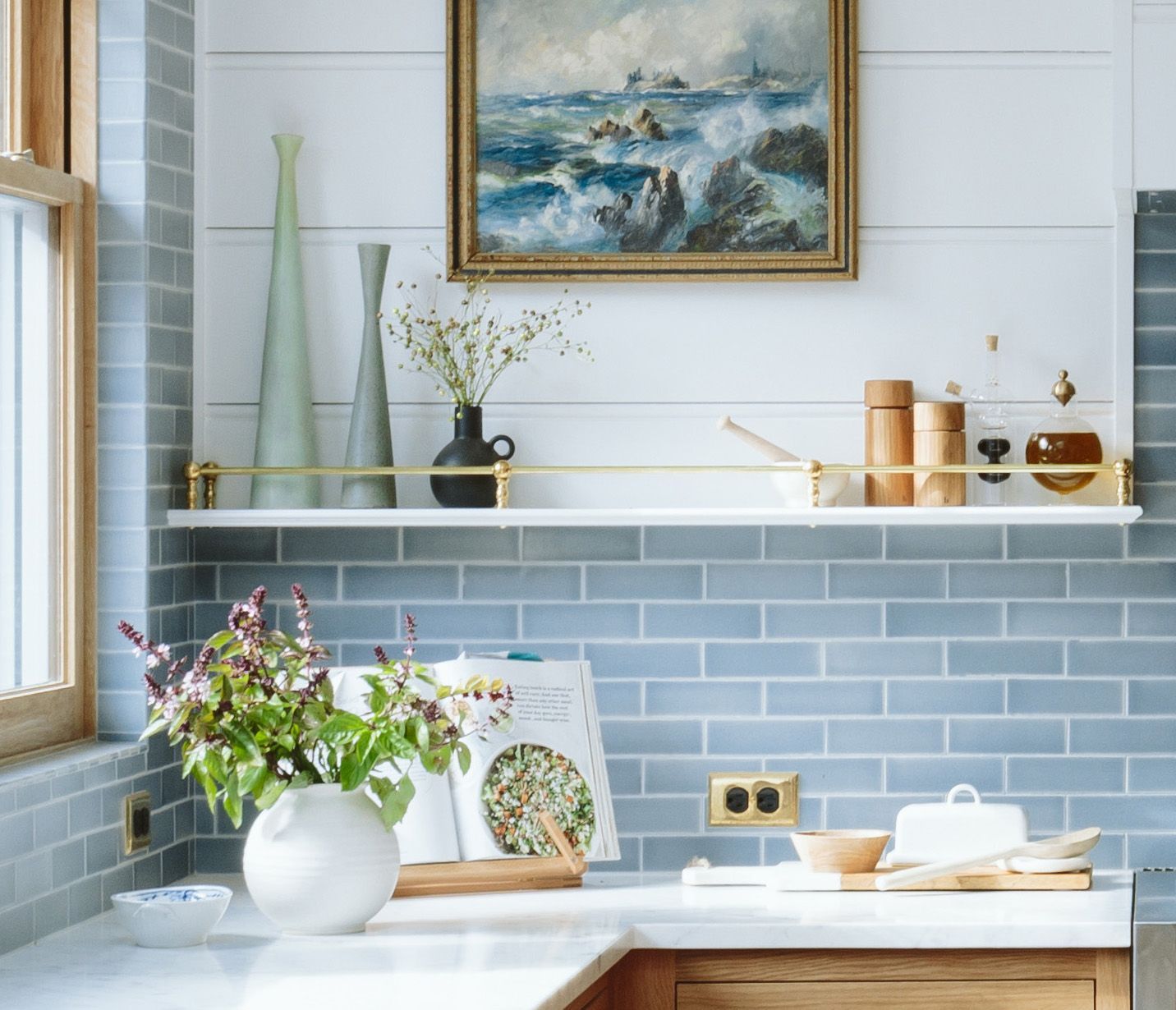
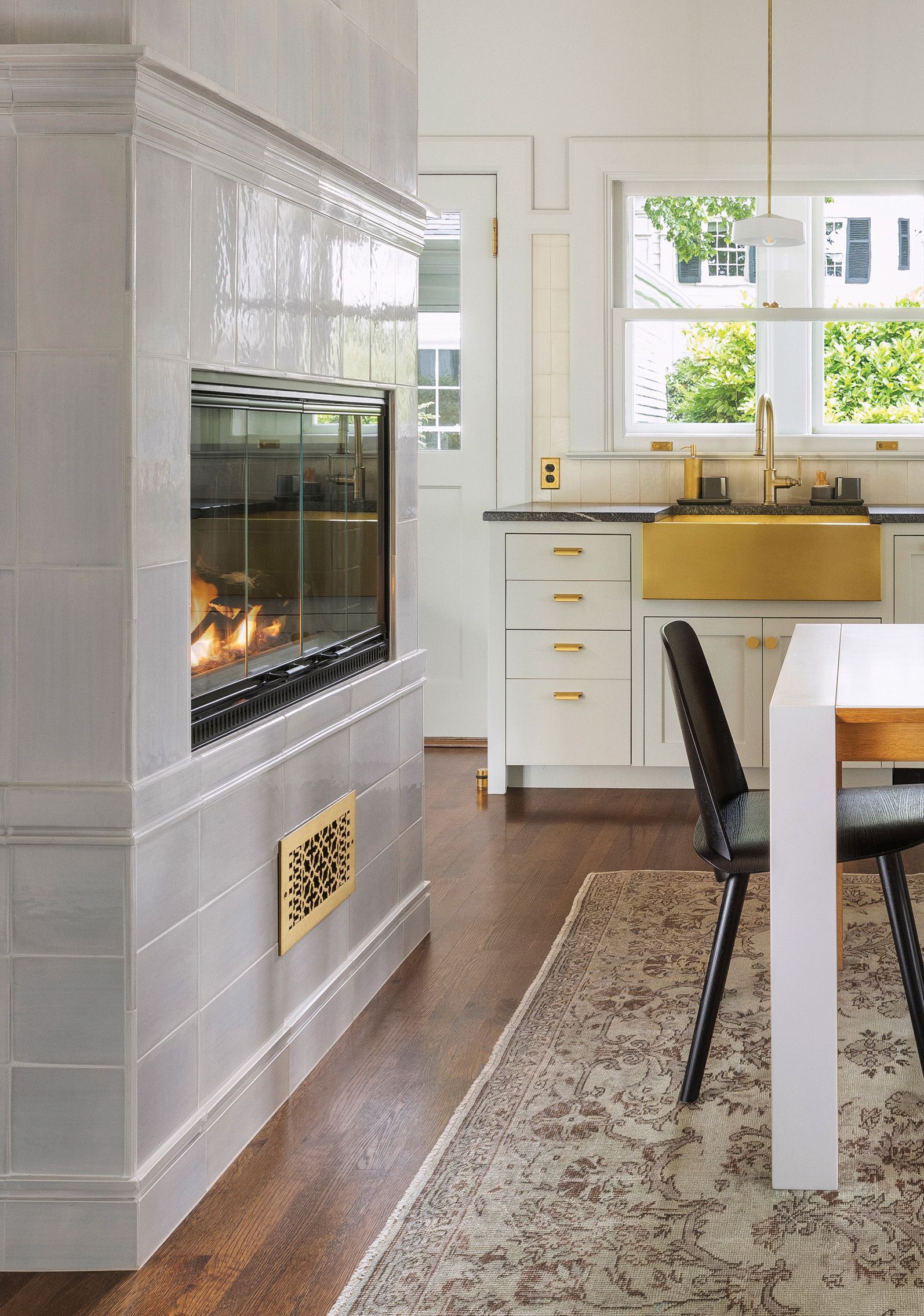
In this 1920 Laurelhurst craftsman Arciform created a period-inspired kitchen that feels light and airy due to open shelving, white cabinets, and a custom center table with open space below. See more photos of this cheerful project in our kitchen portfolio.
ADU Conversions in Laurelhurst's Historic District
Laurelhurst’s larger lots and existing detached garages make accessory dwelling unit (ADU) conversions a natural fit. These structures can be adapted into flexible living spaces—guest quarters, rental units, or home offices—without altering the primary residence.
Because Laurelhurst is a designated historic district, exterior ADU projects are subject to additional review. Depending on the scope, this may involve city staff or the Portland Historic Landmarks Commission. Guidance typically focuses on massing, scale, setbacks, and material compatibility with the surrounding neighborhood.
With the right approach, these requirements become part of the design process rather than a barrier. Arciform works within these frameworks to develop ADU conversions that align with both city guidelines and the character of the district.
While still an emerging opportunity in Laurelhurst, ADUs offer a thoughtful way to extend the use of these properties while maintaining their historic integrity.
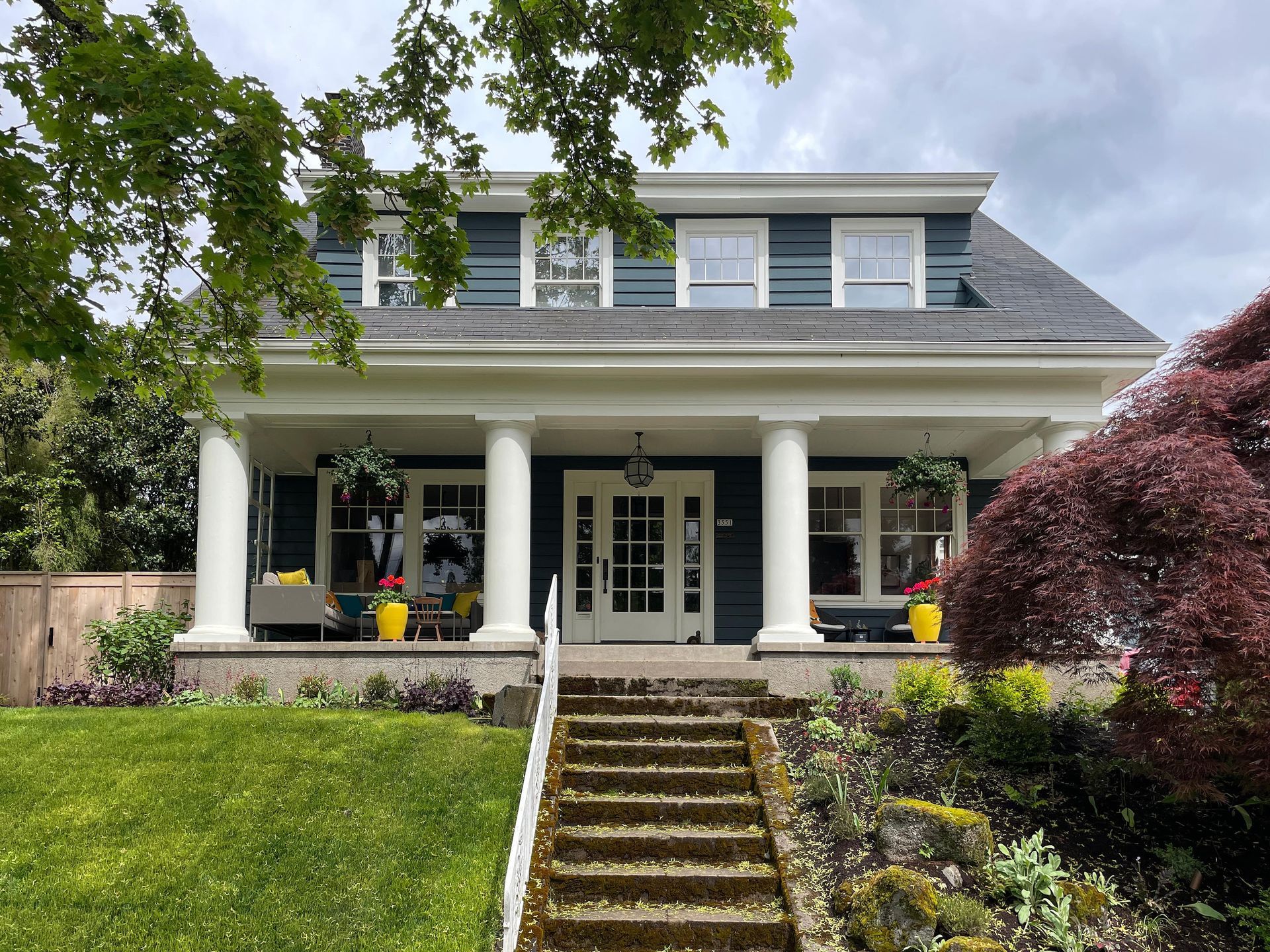
Arciform increased the livibility of this charming 1918 Dutch Colonial on NE Burnside with a basement remodel, mudroom addition, and new period-style garage. See photos of the entire project here.
Start the Conversation
Renovating a home in Laurelhurst comes with both opportunity and responsibility. These are well-built homes with a strong architectural legacy, and thoughtful updates can make them even more livable while preserving what makes them special.
At Arciform, we approach each project with a clear understanding of that balance. Our team brings together design, construction, and historic expertise to guide decisions from the earliest ideas through completion.
Considering a Remodel in Your Laurelhurst Home?
We’re here to help you explore what’s possible. We’ll walk through your home, talk about your goals, and outline a realistic path forward.
See More Stories