
Hardware Care Guide
Hardware may be small in scale, but it has an outsized role in both the function and character of a home. Doorknobs, hinges, locks, window hardware, cabinet latches and pulls, switch plates, and other fittings are handled constantly and expected to keep working year after year. In an older house, original hardware can also be one of the best surviving clues to the craftsmanship and design of the home.
Whenever practical, original hardware is worth retaining and repairing. A century of paint, tarnish, dirt, or wear can make an old hinge, lockset, or window fitting look as though it needs to be replaced when it may simply need careful cleaning or maintenance. Even hardware that no longer operates smoothly can often be repaired, adjusted, or restored.
For routine care, remove dust and grime gently and avoid spraying cleaners or lubricants directly into locks, keyways, electrical devices, or other openings. Moving parts may occasionally need adjustment or lubrication, but the appropriate treatment depends on the type of hardware and how it operates. Before stripping paint, polishing metal, or using stronger cleaners, make sure you understand what you're working with.
The appearance of hardware depends on its metal and finish, and some finishes are intended to develop patina with age and handling. For guidance on identifying and caring for brass, bronze, nickel, chrome, stainless steel, and other decorative finishes, see our
Metal Finishes Care Guide.
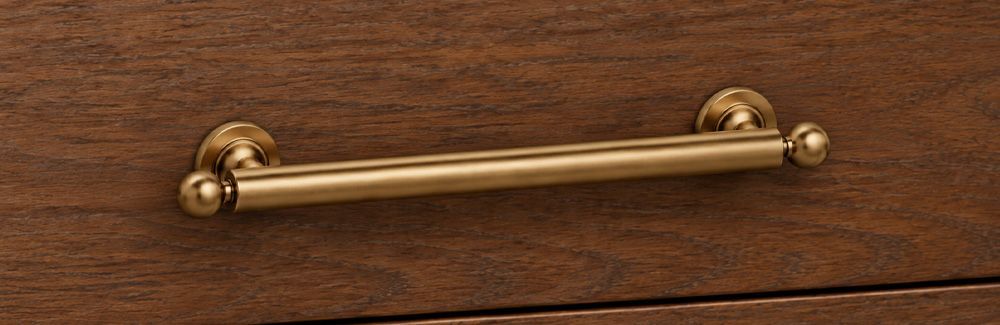
Cabinet Hardware
Knobs, pulls, latches, and hinges are exposed to skin oils, cooking residue, moisture, and frequent handling.
Everyday Care:
Dust or wipe hardware regularly with a soft cloth.
For fingerprints and ordinary grime, use a soft cloth lightly dampened with warm water. Add a small amount of mild dish soap when needed.
Apply the cleaning solution to the cloth rather than spraying it directly onto the hardware. This helps prevent cleaner from reaching cabinet finishes, joints, screw holes, or the interior of mechanical hardware.
Dry thoroughly with a soft cloth.
Kitchen Grease:
Cabinet hardware near cooking areas may gradually develop a film of grease.
Begin with mild dish soap and warm water rather than a strong household degreaser. Strong cleaners can damage plated, lacquered, painted, or living finishes even when the underlying metal itself would tolerate them.
If buildup does not respond to gentle cleaning, identify the hardware finish before using a stronger product.
Loose Hardware:
Tighten loose knobs and pulls before continued use. Repeated movement can enlarge screw holes, damage the cabinet face, or loosen threaded fasteners further.
Avoid overtightening, particularly on glass, ceramic, porcelain, or other brittle knobs and pulls.
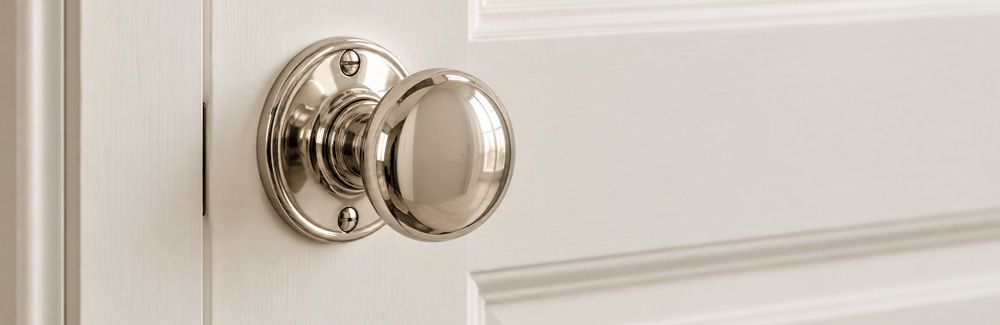
Door Hardware
Doorknobs, levers, locks, hinges, and escutcheons are among the most frequently touched surfaces in a home.
Everyday Care:
Wipe with a soft cloth and use mild soap and water when necessary. Dry thoroughly.
Avoid allowing cleaner to run into keyways, lock mechanisms, latch openings, or the space behind escutcheons.
Disinfecting:
Be cautious with disinfecting wipes and sprays containing bleach, alcohol, ammonia, or other strong chemicals. Repeated use can discolor or deteriorate some plated, lacquered, painted, and specialty finishes.
When disinfection is necessary, check the hardware manufacturer's recommendations for the particular finish.
Hinges & Moving Parts:
A squeaking hinge does not necessarily need to be replaced. A small amount of appropriate lubricant may restore smooth operation.
Use lubricants sparingly and wipe away excess so it does not run onto painted or finished wood surfaces.
Locks, latches, and other mechanisms may require a different lubricant than ordinary hinges. Avoid filling lock cylinders with household oil or multipurpose spray unless the lock manufacturer recommends it.
Persistent binding, grinding, looseness, or difficulty latching may indicate an alignment or mechanical issue rather than a lubrication problem.
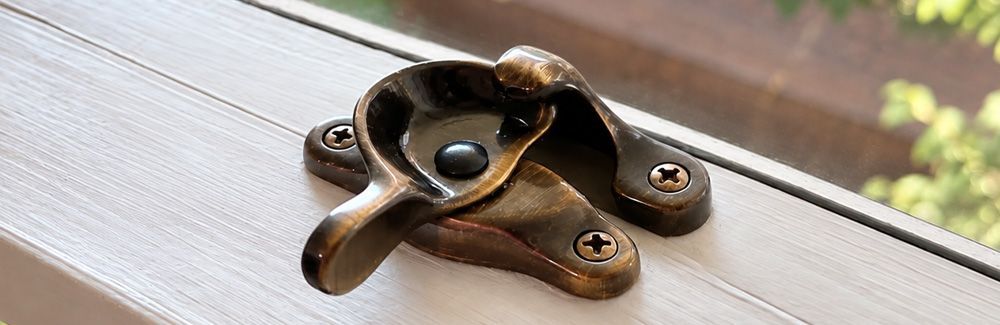
Window Hardware
Window locks, sash lifts, pulleys, stays, cranks, and other operating hardware need to remain both clean and functional.
Everyday Care:
Remove dust and grime with a soft cloth. Use mild soap and water when needed and dry thoroughly.
Keep paint, caulk, and cleaning residue out of moving mechanisms.
Painted-Over Hardware:
This deserves particular attention in older homes. Original window hardware is often covered by multiple layers of paint. Don't automatically scrape, sand, or chemically strip painted hardware while it remains installed.
Paint removal may damage the surrounding sash or trim, and older paint may contain lead. If original hardware is worth restoring, removing it and treating it separately is often preferable to aggressive cleaning in place.
Pulleys, Sash Locks & Other Mechanisms:
Don't paint pulley faces, lock mechanisms, sash cords, chains, or other moving components.
If a historic window is difficult to operate, determine whether the problem is the hardware, paint buildup, sash cord or chain, alignment, or the window itself before lubricating or altering components.
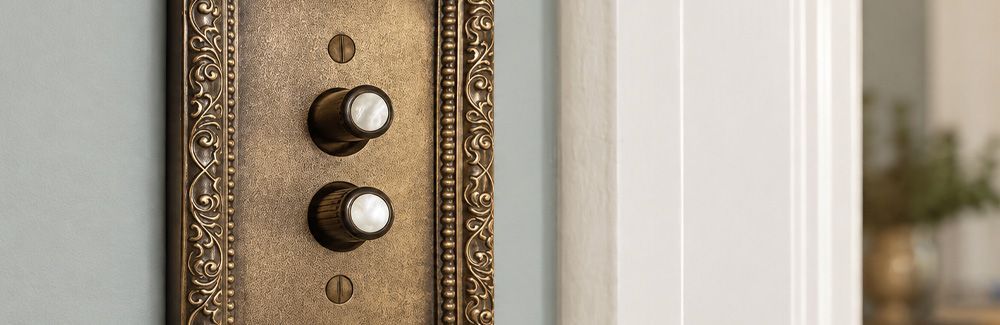
Switchplates & Outlet Covers
Switch plates and outlet covers are high-touch surfaces, but cleaning them requires additional care because they surround electrical devices.
Routine Cleaning:
For ordinary dust and fingerprints, wipe the plate with a soft, dry or very lightly dampened cloth.
Do not spray cleaner, water, or disinfectant directly onto a switch, receptacle, dimmer, or wall plate. Liquid can enter the electrical device through openings around switches, receptacles, or controls.
For more thorough cleaning, turn off power to the circuit before removing the cover plate. Clean the removed plate according to its material and finish, make sure it is completely dry, and reinstall it before restoring power.
Specialty Plates:
Metal, painted, ceramic, glass, wood, and decorative switch plates may all require different care.
Avoid:
Don not use abrasive cleaners on plated, polished, painted, or decorative finishes. Do not soak wood or other moisture-sensitive plates.
If a switch or outlet itself is cracked, loose, discolored from heat, unusually warm, buzzing, or otherwise damaged, treat that as an electrical repair issue rather than a cleaning problem.
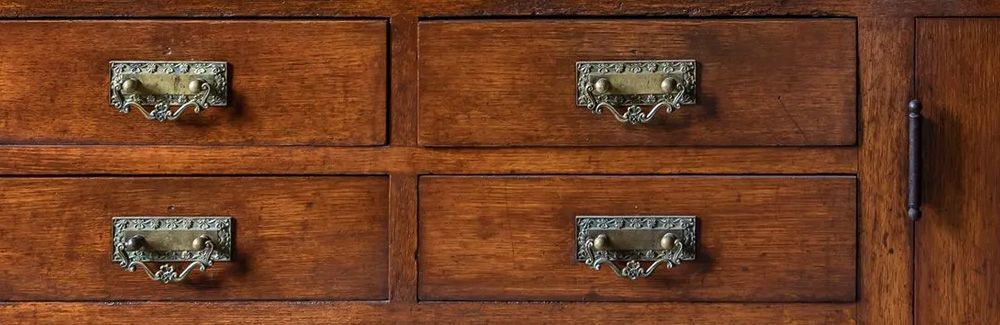
Historic & Antique Hardware
Original hardware is one of the details that gives an older home its character. Door knobs, hinges, locks, window hardware, cabinet latches, escutcheons, and other small components often survive even when other original features have been altered or removed. Whenever practical, retain and repair these pieces rather than automatically replacing them.
Old hardware may also be better made than it first appears. Layers of paint, tarnish, dirt, or years of use can obscure the quality of the metal and its original finish. Before stripping, polishing, replating, or replacing a piece, consider whether cleaning or professional restoration could preserve it.
For guidance on identifying, cleaning, and caring for antique metal hardware and finishes, see Caring for Metal Finishes.