
Natural Stone Tile
Natural stone brings a depth and character to a home that comes from the material itself. In an older house, stone may be part of an original fireplace, hearth, or floor, while newly installed marble, limestone, slate, or other stone can introduce a material that feels at home alongside historic finishes. Because every piece of natural stone is different, variation in color, veining, texture, and surface character is part of what makes it distinctive.
Stone is also a broad category, and different types vary considerably in porosity, hardness, and sensitivity to cleaners. How and where the stone is used matters as well. A marble shower, slate floor, and limestone fireplace surround are exposed to very different conditions and may require different approaches to care.
Some of these same materials are used for countertops, where food, oils, acids, heat, and concentrated daily use introduce additional considerations. See Counter Care for recommendations specific to those applications.
As a general rule, start with the gentlest effective cleaning method and avoid acidic, abrasive, or strongly alkaline cleaners unless they are specifically appropriate for your stone. With older stone in particular, remember that subtle wear, patina, and changes in the surface may be part of its history rather than something that needs to be removed.
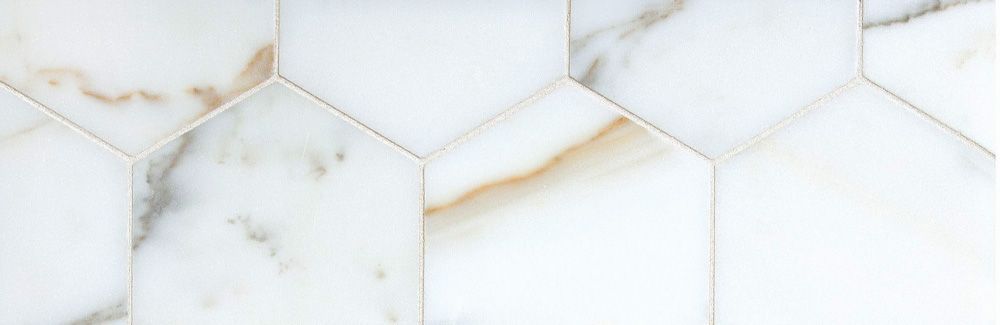
Marble Tile
Common applications include floors, walls, showers, backsplashes, fireplace surrounds, hearths, and vanity surfaces. Carrara is one of many varieties of marble most commonly found in vintage homes.
Marble is a calcium-based natural stone. It is durable, but particularly sensitive to acids and can develop etching, staining, and a natural patina with use.
Everyday Care:
Remove grit and dust regularly with a soft cloth, dust mop, or appropriate vacuum attachment. Clean with a neutral-pH cleaner specifically formulated for natural stone.
Wipe up spills promptly. Blot rather than wiping across the surface so the spill does not spread.
In showers and other wet areas, use a squeegee after bathing to help reduce soap scum, mineral deposits, and prolonged moisture exposure.
Avoid:
Do not clean marble with vinegar, lemon juice, or other acidic products. Avoid: abrasive cleaners, scouring pads, and powders that can scratch or dull the finish.
Many ordinary bathroom, grout, and household cleaners are not intended for marble. Check the label before using them.
Etching vs. Staining:
A stain and an etch mark are different problems.
A stain is material that has penetrated the stone and changed its color.
An etch mark is physical damage to the surface caused by an acidic substance reacting with the marble. It often appears as a dull or lighter area. Cleaning will not remove an etch mark.
For persistent stains or noticeable etching, consult a professional stone-care or restoration specialist rather than experimenting with increasingly aggressive cleaners.
Sealing & Long-Term Care
An appropriate penetrating sealer can make marble more resistant to staining, but it cannot prevent acidic substances from etching the stone.
Whether a particular marble needs sealing, and how frequently, depends on the stone, finish, use, and sealer. Follow the recommendations of your stone supplier or sealer manufacturer.
Persistent stains, deep scratches, cracks, and significant etching are best evaluated by a professional.
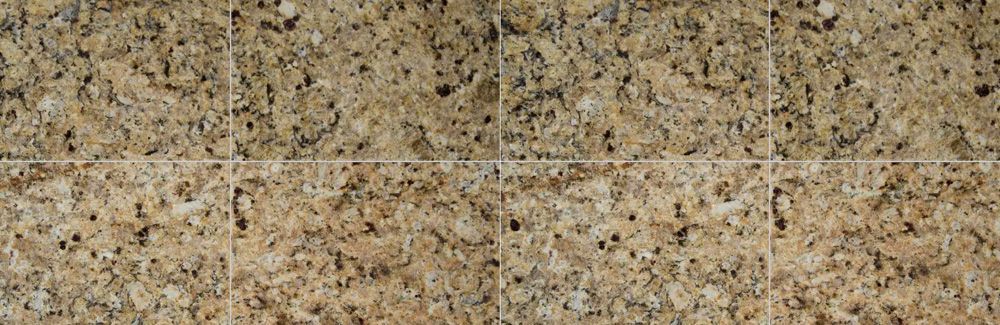
Granite Tile
Common applications include floors, walls, hearths, fireplace surrounds, backsplashes, and other architectural surfaces. Granite is also widely used for countertops; see Counter Care for recommendations specific to that application.
Granite is generally harder and less sensitive to household acids than marble, limestone, and travertine, but its exact characteristics vary by stone and finish.
Everyday Care:
Remove dirt and grit regularly. Clean with warm water and a small amount of mild soap or a neutral-pH cleaner formulated for natural stone. Rinse thoroughly and dry polished surfaces as needed to prevent water spots and residue.
Blot spills promptly.
Avoid:
Do not use abrasive pads and powders on polished granite. Although granite is generally more acid-resistant than marble or limestone, strong acids and harsh household chemicals can still affect some stones, sealers, grout, or adjacent materials.
Sealing & Long-Term Care:
Some granite benefits from a penetrating sealer, while other dense granites may absorb very little moisture and require less frequent treatment.
Follow the recommendations for the particular stone and sealer rather than assuming that all granite needs to be sealed on the same schedule.
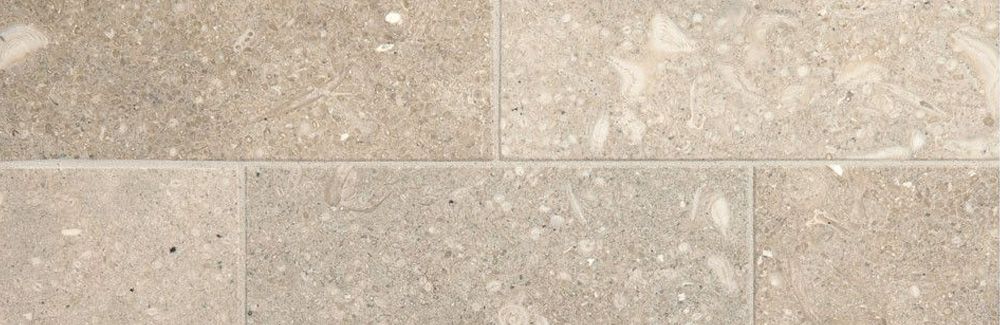
Limestone Tile
Common applications include floors, walls, showers, backsplashes, hearths, and fireplace surrounds. Limestone may also be used for counters and vanity tops.
Limestone is a calcium-based natural stone and, like marble, is sensitive to acids. Depending on the particular stone and finish, it may also be relatively porous.
Everyday Care:
Remove dirt and grit regularly and clean with a neutral-pH cleaner formulated for natural stone. Rinse thoroughly and wipe up spills promptly.
In showers and wet areas, removing excess water after use can help reduce soap scum and mineral buildup.
Avoid:
Do not use vinegar, lemon, acidic bathroom cleaners, or other acid-based products. They can etch the stone. Avoid: abrasive pads and powders that may alter the finish.
Sealing & Long-Term Care:
Some limestone benefits from a penetrating sealer to reduce staining. Sealing does not protect the stone from acid etching.
Follow the recommendations for the particular stone, installation, and sealer. Significant etching or staining is best addressed by a stone-care professional.
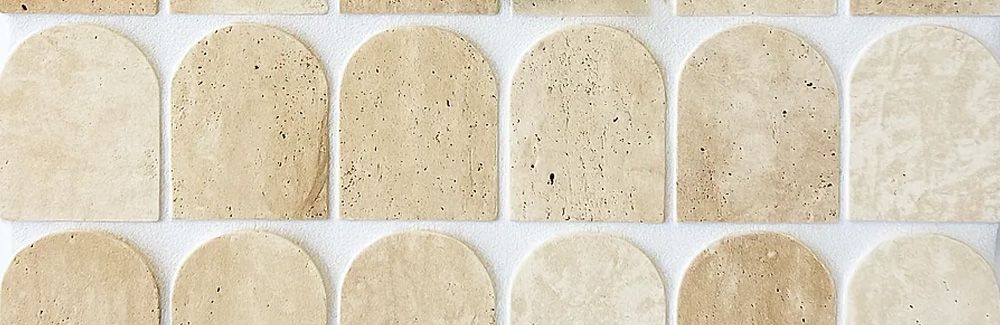
Travertine Tile
Common applications include floors, walls, showers, backsplashes, and fireplace surrounds. Travertine may also be used for vanity tops and countertops.
Travertine is a form of limestone and shares its sensitivity to acids. Its naturally occurring pits and voids may be left open or filled during fabrication, which can affect its appearance and long-term maintenance.
Everyday Care:
Sweep or vacuum floors regularly to remove grit. Clean with a neutral-pH natural-stone cleaner and rinse thoroughly.
Wipe up spills promptly. In showers and wet areas, a squeegee can help reduce mineral deposits and soap buildup.
Avoid:
Do not use vinegar, lemon, acidic cleaners, and abrasive products. These can etch or alter the stone's finish.
Long-Term Care:
Depending on the stone and installation, travertine may benefit from a penetrating sealer.
Filled travertine can occasionally lose small areas of fill with use. If pits or voids begin to appear, appropriate repair depends on the type of fill and finish; larger repairs are best handled by a stone or tile professional.
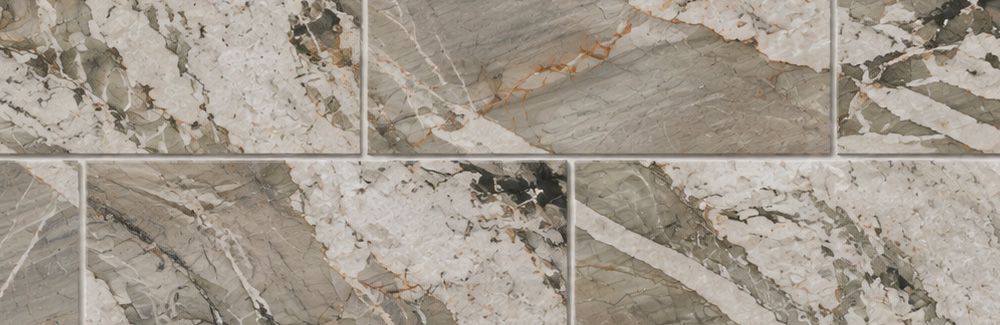
Quartzite Tile
Common applications include floors, walls, fireplace surrounds, and other architectural surfaces.
Quartzite is also increasingly used for countertops; see Counter Care for recommendations specific to that application.
True quartzite is generally hard, durable, and more resistant to acids than marble or limestone. Natural stone sold under the broad commercial label “quartzite,” however, can vary, making identification of the particular stone important.
Everyday Care:
Remove grit regularly and clean with a mild soap or neutral-pH cleaner formulated for natural stone. Rinse thoroughly and dry polished surfaces as needed.
Wipe up spills promptly.
Avoid:
Do not use abrasive pads and harsh chemicals that may affect the finish, sealer, grout, or adjacent materials.
Sealing & Long-Term Care:
Sealing requirements vary according to the particular stone's porosity and finish. Follow the stone supplier's and sealer manufacturer's recommendations.
If you are unsure whether a stone is true quartzite or another stone marketed under that name, use conservative natural-stone care practices until it can be identified.
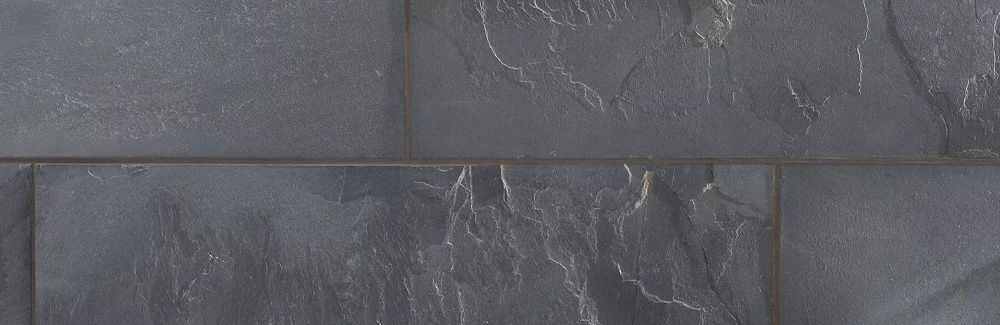
Slate Tile
Common applications include floors, entryways, walls, showers, hearths, and fireplace surrounds.
Slate is a natural stone, and variations in texture, color, and clefting are part of its character. Different varieties of slate can also vary considerably in porosity.
Newly Installed Slate:
Some naturally cleft slate may shed small flakes or particles after installation. Regular sweeping or vacuuming with a floor-safe attachment can help remove this material as the floor settles. This natural flaking, or spalling, should diminish over time.
Everyday Care:
Sweep or vacuum regularly to remove grit. Wash with a neutral-pH stone cleaner or a small amount of mild detergent and water. Rinse thoroughly.
Dry honed or polished slate with a soft cloth to help prevent water spots.
Avoid:
Do not use vinegar, lemon, and other acidic cleaners. Abrasive products can scratch or alter some slate finishes.
Sealing & Long-Term Care:
Some slate benefits from a penetrating sealer, while other slate may not require one. If your slate was sealed when installed, follow the sealer manufacturer's recommendations for testing and reapplication rather than automatically resealing every year.
Color-enhancing products can intentionally darken some slate. Because these products alter the appearance of the stone, always test them in an inconspicuous area before treating a larger surface.
For significant scratches, staining, or changes in the finish, consult a stone-care professional.
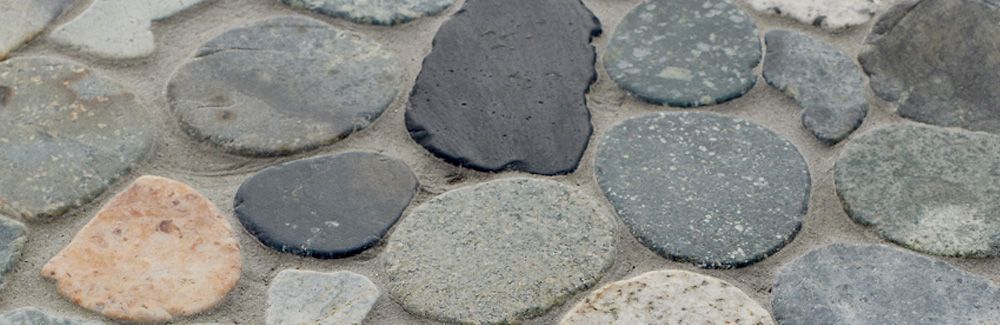
Pebble and Riverstone Tile
Common applications include shower floors, bathroom floors, walls, and decorative accents.
Pebble tile is generally composed of natural stone, so care depends in part on the particular stone and sealer used.
Everyday Care:
Use a neutral-pH stone cleaner or soapless detergent with a soft-bristle brush or cloth. Rinse thoroughly and wipe up spills promptly.
Avoid:
Do not use acidic cleaners unless the manufacturer specifically approves them for the stone, grout, and sealer in your installation.
Stains & Long-Term Care:
Start with the least aggressive treatment. If ordinary cleaning does not remove a stain, use a stone-safe stain remover or poultice appropriate for the particular stone.
For persistent staining, grout problems, or mineral deposits that appear to require acid treatment, consult the product manufacturer, installer, or a qualified stone and tile professional.
Grout
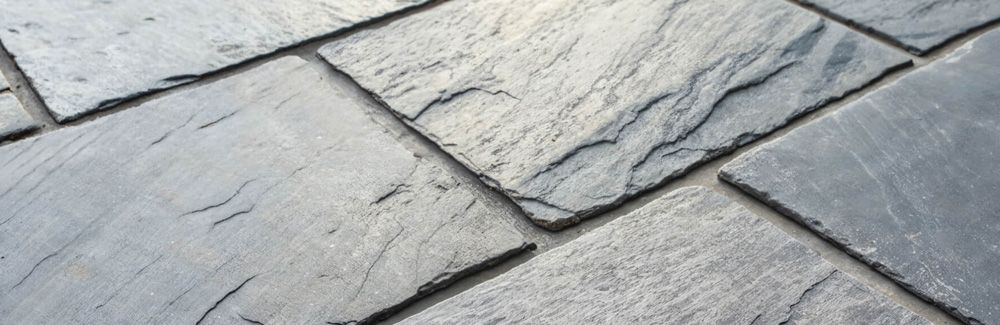
The cleaner that is safe for your stone tile is not necessarily safe for your grout. This is particularly important with cement-based grout, which can be damaged by repeated exposure to acidic cleaners.
For routine cleaning, use a cleaner compatible with both the tile and grout, rinse thoroughly, and avoid products that leave an oily or waxy residue.
Grout sealing requirements vary by grout type. Follow the grout manufacturer's recommendations for sealing and long-term maintenance.