
Plumbing Fixtures Care Guide
Plumbing fixtures are among the most frequently used features in a home, and in an older house they may represent many different periods. An original cast-iron tub or porcelain sink may have survived for generations, while faucets, toilets, shower fittings, and other fixtures have been repaired, replaced, or added as the house evolved. Older fixtures can be well worth preserving when they remain functional, while new fixtures offer improvements in performance, water efficiency, and ease of use.
Despite their durability, plumbing fixtures and their finishes can be surprisingly sensitive to the products used to clean them. Water, soap, mineral deposits, cosmetics, and frequent handling all take their toll, while abrasives, acids, bleach, ammonia, and other common household cleaners can damage some surfaces and finishes.
The safest routine is often the simplest: clean regularly with mild soap and water, rinse thoroughly, and dry with a soft cloth where water spotting or mineral buildup is a concern. Pay attention to the material as well as the finish. A cleaner that's appropriate for vitreous china or an enameled tub, for example, may damage the metal finish on a faucet immediately beside it.
Newer fixtures and specialty finishes can have very specific care requirements, so follow the manufacturer's recommendations when available. With older fixtures, take a more cautious approach when the material or finish is uncertain. Age, patina, and minor wear don't necessarily mean a fixture has reached the end of its useful life, and careful cleaning or restoration may preserve something that contributes considerably to the character of the room.

Stainless Steel, Brass, and Other Metal Sinks
Stainless steel and other metal sinks are durable and nonporous, but normal use will gradually produce fine scratches and a more uniform patina.
Everyday Care:
Rinse after use and clean with mild dish soap and a soft cloth or sponge. Rinse thoroughly and dry with a soft cloth to reduce mineral deposits and water spotting.
Where the sink has a visible grain, clean and wipe in the direction of the grain.
Stubborn Buildup:
Use a nonabrasive cleaner specifically identified as safe for stainless steel. Mineral deposits may require a product intended for that purpose, but rinse it away thoroughly and follow the sink manufacturer's instructions.
Avoid:
Refrain from using steel wool and ordinary steel brushes, which can scratch the sink and leave iron particles that may subsequently rust.
Don't leave strongly acidic, salty, or chlorine-containing substances in prolonged contact with the sink.
Do not use a strong bleach solution as a universal sink treatment. Whether chlorine bleach is appropriate depends on the sink material, concentration, contact time, and manufacturer's instructions.
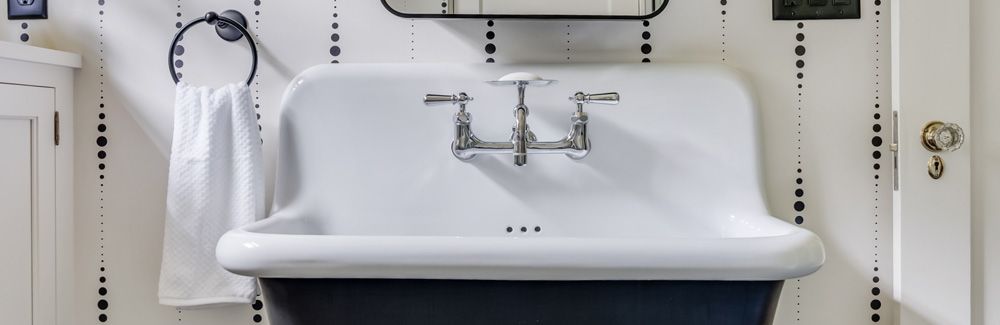
Enameled Cast-Iron & Enameled Steel Sinks
These fixtures have a glass-like enamel surface over metal. The enamel is durable but can be scratched, dulled, or chipped.
Everyday Care:
Clean with mild soap or a nonabrasive cleaner using a soft cloth or sponge. Rinse thoroughly and dry as desired to reduce water spotting.
Stubborn Buildup:
Use a cleaner specifically approved for enameled fixtures.
Manufacturer guidance can differ even among cast-iron fixtures. Once routine cleaning is no longer sufficient, follow the care instructions for the specific product and finish.
Avoid:
Refrain from using steel wool, wire brushes, and aggressive scouring pads.
Take care with heavy cookware or other hard objects. A significant impact can chip the enamel and expose the metal beneath it.
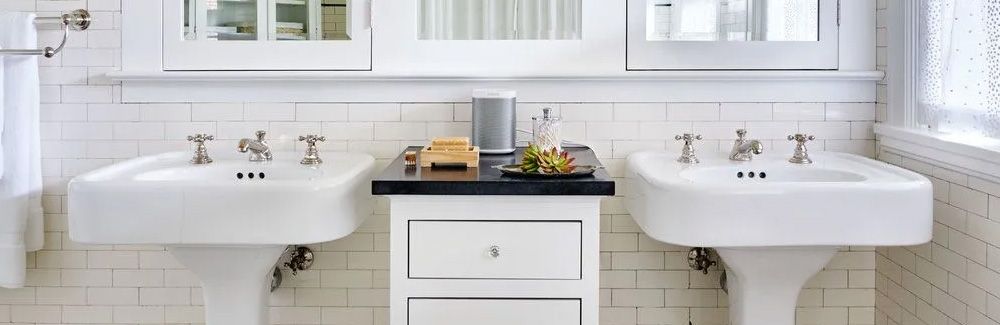
Fireclay & Vitreous China Sinks
Fireclay and vitreous china have hard, glazed surfaces and are generally easy to maintain. Their routine care is substantially similar, although manufacturer-specific instructions may differ.
Everyday Care:
Clean with warm water, mild soap, and a soft cloth or sponge. Rinse thoroughly.
For more thorough cleaning, use a nonabrasive cleaner identified as safe for glazed ceramic or vitreous china.
Avoid:
Refrain from using steel wool, wire brushes, and harsh abrasive pads that can scratch or dull the glaze.
Be particularly cautious around decorative, metallic, hand-painted, or specialty finishes, which may require different care.
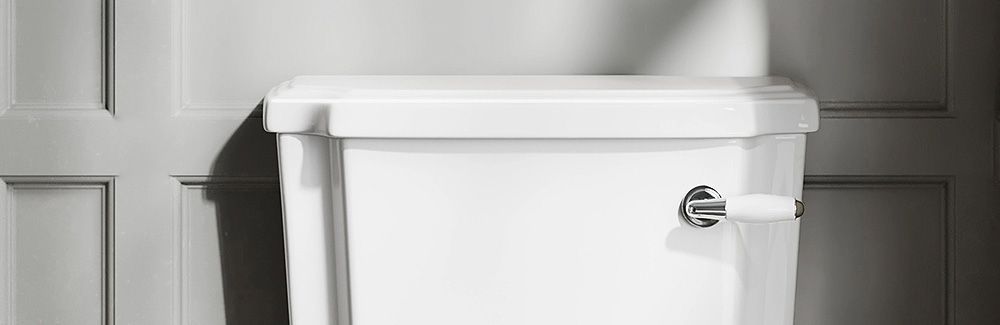
Toilets & Vitreous China Fixtures
Everyday Care:
Clean exterior surfaces with mild soap or a nonabrasive cleaner and a soft cloth.
Clean the bowl with a product intended for vitreous china and a soft or plastic toilet brush.
Rinse away cleaner residue from exterior surfaces.
Avoid:
Do not use abrasive tools that can scratch the glaze.
Do not allow strong toilet-bowl cleaner to spill or remain on toilet seats, metal hardware, flooring, or surrounding finishes. A chemical intended for the inside of a vitreous-china bowl may damage those adjacent materials.
Do not assume that every disinfectant is appropriate for every toilet. Modern fixtures can contain specialty coatings, internal components, and finishes with their own restrictions.

Enameled Cast-Iron & Steel Tubs
Everyday Care:
Rinse the tub after use and clean regularly with mild soap or a nonabrasive bathroom cleaner approved for enameled fixtures. A soft cloth or sponge is usually sufficient.
Soap Scum & Mineral Buildup:
Regular cleaning is preferable to allowing heavy deposits to accumulate and then resorting to aggressive cleaners.
For stubborn buildup, use a product specifically approved by the tub manufacturer.
Avoid:
Do not use steel wool, wire brushes, and aggressive abrasive pads.
Some slip-resistant tub surfaces require a soft nylon brush rather than a cloth. Follow the manufacturer's instructions for these areas.
On slip-resistant surfaces, Avoid cream cleaners or other products that can leave buildup and reduce friction unless the manufacturer specifically approves them.
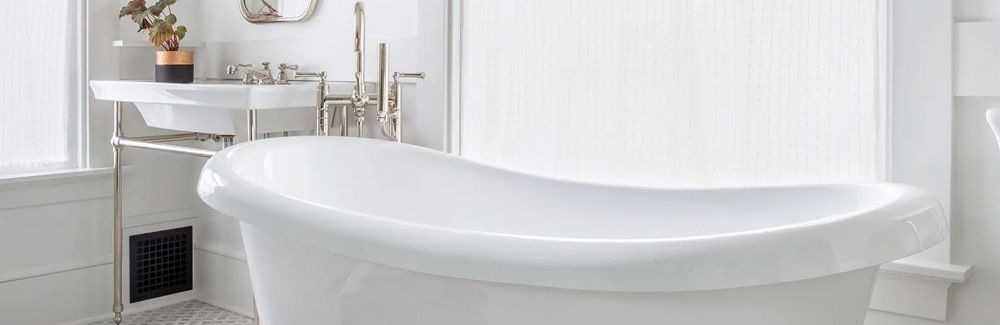
Acrylic & Solid-Surface Tubs
Acrylic and proprietary solid-surface tubs share some general care principles, but manufacturer guidance is important because formulations and finishes differ.
Everyday Care:
Rinse after use and wipe with a soft cloth or sponge.
Clean with mild dish soap or a nonabrasive bathroom cleaner approved for the particular tub material.
Avoid:
Do not abrasive powders, scouring pads, and harsh solvents.
As a conservative default, avoid chlorine bleach and harsh chemicals on acrylic tubs unless the manufacturer expressly approves them.
Scratches & Repairs:
Some solid-surface tubs can be repaired or refinished when scratched, while others require specialized treatment. Follow the manufacturer's instructions rather than sanding or polishing an unfamiliar material.
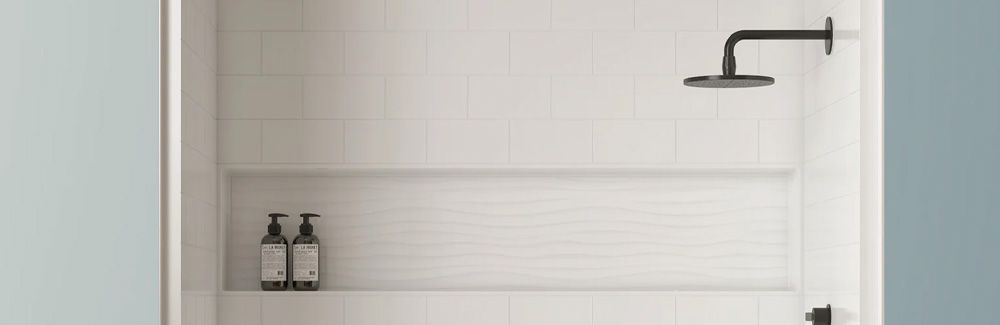
Fiberglass, Vikrell, and Composite Shower Surfaces
These molded shower and tub surfaces are lightweight and durable but can be scratched or dulled by abrasive cleaning.
Everyday Care:
Clean regularly with a mild cleaner approved for the surface and a soft cloth or sponge.
Rinse thoroughly after cleaning and wipe away overspray that lands on adjacent fixtures or finishes.
Avoid:
Do not allow cleaning products to sit or soak on the surface.
Do not use abrasive cleansers, scouring pads, stiff brushes, and acidic solvents unless specifically approved by the manufacturer.
Rinse fiberglass and composite shower surfaces thoroughly after cleaning, Avoid: leaving cleaner on the surface, and wipe away overspray that lands on adjacent fixtures or finishes.
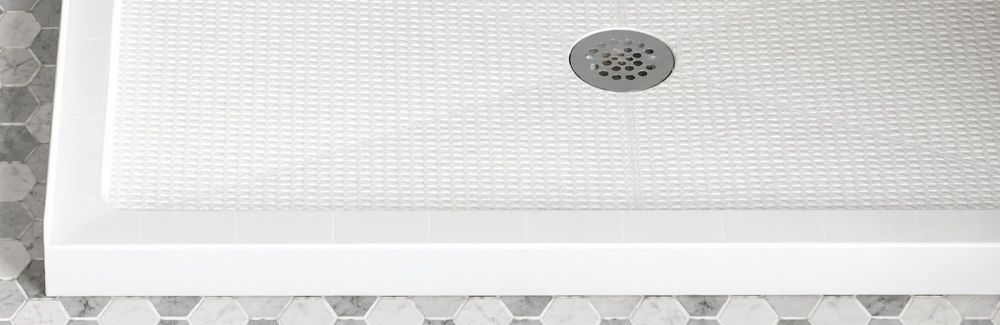
Shower Pans
Shower pans can be made from acrylic, fiberglass, enameled metal, solid surface, tile, stone, or other materials, so there is no single cleaning method appropriate for every pan.
Everyday Care:
Rinse away soap and residue regularly. Remove standing water where practical.
Use a cleaner appropriate for the actual shower-pan material.
Slip-Resistant Surfaces:
Textured and slip-resistant surfaces may require a soft nylon brush to reach recessed areas.
Avoid:
Do not use products that coat these surfaces with waxes, polishes, or cleaners that leave a slippery residue.
Rinse and dry shower pans thoroughly after cleaning. On some slip-resistant surfaces, a soft nylon brush can help clean textured areas without damaging the finish.
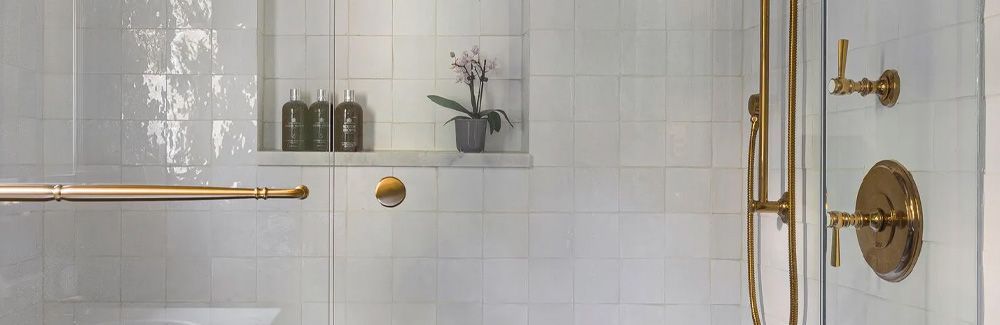
Glass Shower Doors & Enclosures
This is an area where prevention is far easier than removing heavy mineral buildup later.
Everyday Care:
Use a squeegee after showering to remove water from the glass.
Periodically clean with mild soap and water or a cleaner approved for the particular glass and any protective coating.
Dry metal tracks, hinges, and fittings where water tends to collect.
Mineral Deposits & Soap Scum:
Address buildup before it becomes heavy.
Do not use homemade vinegar-based shower-glass recipes as a universal solution. Vinegar may be acceptable on some untreated glass but can damage nearby natural stone, grout, metal finishes, and some protective glass coatings.
Use a cleaner compatible with the entire shower assembly, not simply the glass.
Avoid:
Do not use abrasive pads and powders that can scratch glass or damage protective coatings.
If your shower glass has a factory-applied water-repellent or easy-clean coating, follow its specific care instructions.
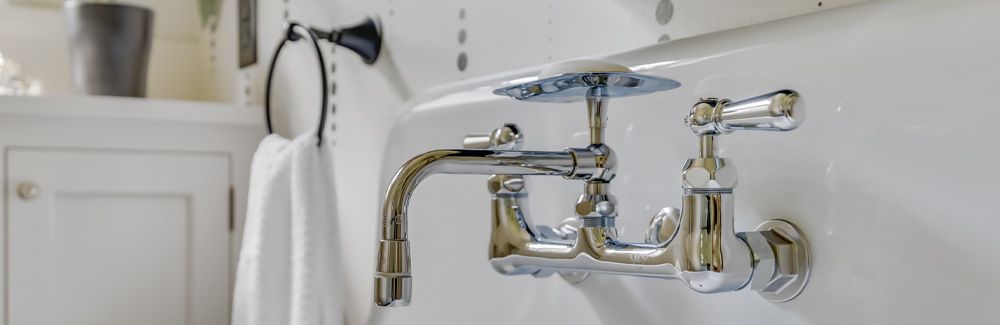
Faucets & Plumbing Fixtures
Fixture finishes require more caution than the underlying metal alone might suggest. A product that is safe for one faucet or shower fitting may damage another finish.
Faucet and plumbing-fixture finishes vary widely, including polished chrome, brass, polished or brushed nickel, oil-rubbed bronze, and proprietary manufacturer finishes. The same cleaning method is not appropriate for every finish.
The underlying principle is simple: The finish matters, and mild cleaning is safer than aggressive chemistry.
Everyday Care (for Most Faucet Finishes):
Wipe fixtures with a soft damp cloth and dry with a soft towel.
When additional cleaning is needed, begin with mild soap and water. Rinse thoroughly and dry.
Regular drying is particularly helpful in areas with mineral-rich water because it prevents deposits from building up in the first place.
Apply cleaner to a cloth rather than spraying it directly onto faucets and fittings. Atomized cleaner can enter openings and gaps in the fixture and potentially cause damage.
Chrome Faucets Care
Chrome is relatively durable but can still be scratched or chemically damaged.
Clean with mild soap and water and a soft cloth. Rinse and dry.
Avoid:
Do not use abrasive pads, scouring powders, acids, and aggressive chemical cleaners unless specifically approved by the fixture manufacturer.
Nickel Faucets Care
Polished, brushed, and satin nickel can differ in appearance and protective coating.
Clean with mild soap and water and dry with a soft cloth.
Avoid:
Do not use ammonia, bleach, acids, abrasive cleaners, and abrasive pads unless specifically approved for your fixture.
Coated or Lacquered Brass Faucets Care
Clean with mild soap and water using a soft cloth, then dry.
Avoid:
Do not use metal polish unless the manufacturer specifically recommends it. Polish intended for bare brass can damage a protective coating.
Unlacquered Brass Faucets Care
Unlacquered brass is intended to change with use. Water, air, fingerprints, and handling gradually darken and alter the surface, producing a natural patina.
For routine care, use a soft cloth and mild soap when needed.
If you prefer a bright polished appearance rather than a natural patina, use only a polishing method appropriate for uncoated brass and understand that polishing removes some of the developed patina.
Changes in color and sheen are not necessarily damage; with living finishes, they are often part of the intended appearance.
Oil-Rubbed Bronze Faucets Care
Oil-rubbed bronze and similar living finishes are intentionally variable and may lighten, darken, or reveal underlying metal where they are frequently touched.
Clean gently with mild soap and water and dry with a soft cloth.
Avoid:
Do not use abrasive cleaners, polishing compounds, alcohol, bleach, ammonia, acids, and aggressive chemicals unless specifically approved by the manufacturer.
Do not automatically apply car wax or furniture polish to oil-rubbed bronze. Some finishes are coated while others are intentionally reactive, so follow the manufacturer’s care instructions.
Specialty & Manufacturer Custom Finishes
Modern plumbing manufacturers offer a wide range of proprietary finishes—sometimes including PVD coatings, brushed or matte finishes, and colors that resemble traditional brass, bronze, nickel, or stainless steel.
Two fixtures that look similar may have very different surface treatments.
When the manufacturer and finish are known, follow their care instructions. This is particularly important before using:
- Vinegar or other acids
- Bleach
- Ammonia
- Alcohol
- Limescale removers
- Metal polish
- Abrasive pads
- Wax or furniture polish
Manufacturer recommendations for mineral-deposit removal can differ substantially by fixture and finish. Check the specific product instructions before using vinegar or acidic limescale removers.
See our Metal Finishes Care Guide for information on additional finishes.
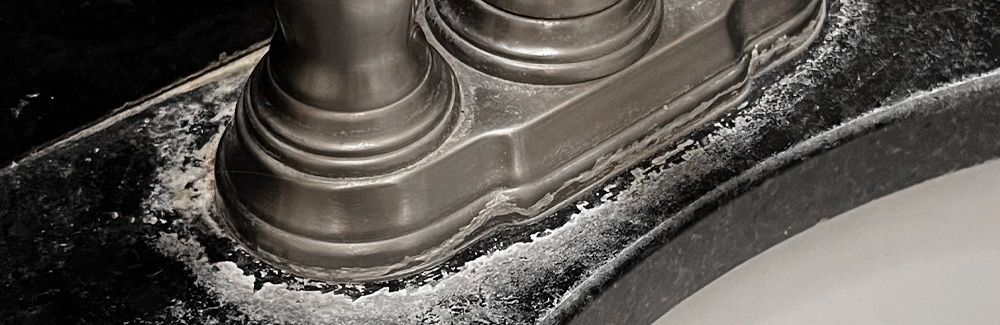
Preventing Mineral Buildup
One of the simplest ways to protect plumbing fixtures is to prevent hard-water deposits from becoming established.
After use, wipe faucets, shower fittings, and other exposed metal surfaces with a soft cloth where practical. This is particularly worthwhile on polished and dark finishes where water spots are readily visible.
If mineral buildup develops, don't automatically reach for vinegar or a commercial limescale remover. Those products can damage natural stone, grout, plated metal, and some specialty faucet finishes.
Check the manufacturer's care instructions before treating mineral deposits with an acidic cleaner.
Caulk & Sealant Around Plumbing Fixtures
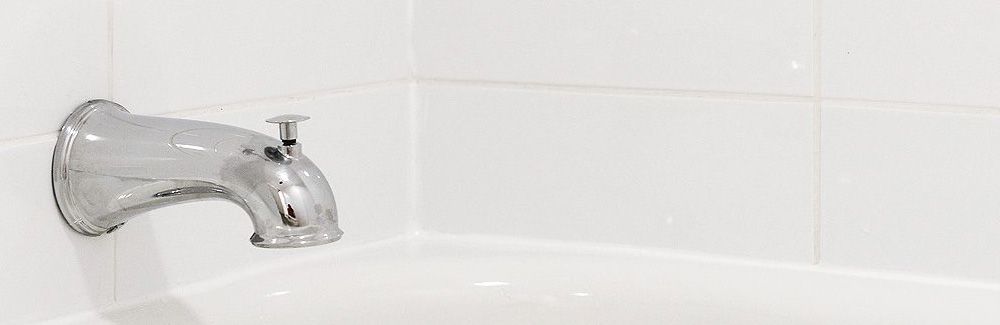
Caulk and sealant help prevent water from reaching joints and concealed surfaces around tubs, showers, sinks, backsplashes, and plumbing fixtures. Unlike tile, stone, or plumbing fixtures themselves, caulk is a maintenance material with a limited service life and will eventually need replacement.
Routine Caulk Care
Keep caulked joints clean and allow wet areas to dry between uses when possible.
Clean gently with a mild cleaner appropriate for both the sealant and the surrounding materials. Avoid: aggressive scrubbing, stiff brushes, and abrasive tools that can damage or loosen the caulk.
Good bathroom ventilation and regular removal of standing water can help reduce mildew and discoloration.
Inspect Caulk Periodically
Pay particular attention to joints around:
- Bathtubs and shower pans
- Shower corners and changes of plane
- Sinks and vanity backsplashes
- Faucets and fixtures where sealant has been used
- Countertops where they meet walls or backsplashes
Look for caulk that is cracked, separated, peeling, shrinking, missing, or no longer firmly adhered to both sides of the joint.
Discoloration alone does not necessarily mean the sealant has failed. However, persistent mildew, staining beneath the caulk, or discoloration that returns quickly after cleaning may indicate moisture is getting behind it.
When Caulk Fails
Failed caulk is more than a cosmetic issue in wet areas. An open joint can allow water to reach wallboard, framing, cabinetry, flooring, or other materials that were never intended for repeated water exposure.
Don't simply apply a new layer of caulk over loose or failing material. The old sealant generally needs to be removed, the joint cleaned and allowed to dry, and an appropriate new sealant installed.
If the surrounding material is soft, swollen, stained, loose, or otherwise shows evidence of prolonged moisture exposure, determine the extent and source of the moisture before resealing the joint.
Choosing Replacement Sealant
Different locations and materials require different sealants. Products intended for kitchens and bathrooms are commonly formulated for wet environments, but compatibility with natural stone, metal finishes, acrylic fixtures, and other specialty materials can vary.
Use a sealant appropriate for both the location and the adjoining materials. When natural stone is involved, verify that the product is specifically identified as compatible with that stone to reduce the risk of staining or discoloration.
Caulk vs. Grout
Caulk and grout perform different jobs.
Grout fills the joints between tiles. Flexible sealant is typically used where movement is expected, such as changes of plane and transitions between different materials.
If caulk repeatedly separates or cracks shortly after replacement, or if grout repeatedly cracks at a joint, movement may be occurring that warrants further evaluation rather than repeated cosmetic repair.
When to Call a Professional
Consider professional evaluation when failed caulk is accompanied by persistent moisture, recurring mildew, loose tile, damaged grout, swollen woodwork, staining on adjacent walls or ceilings, or other evidence that water may have reached the construction behind the finished surface.