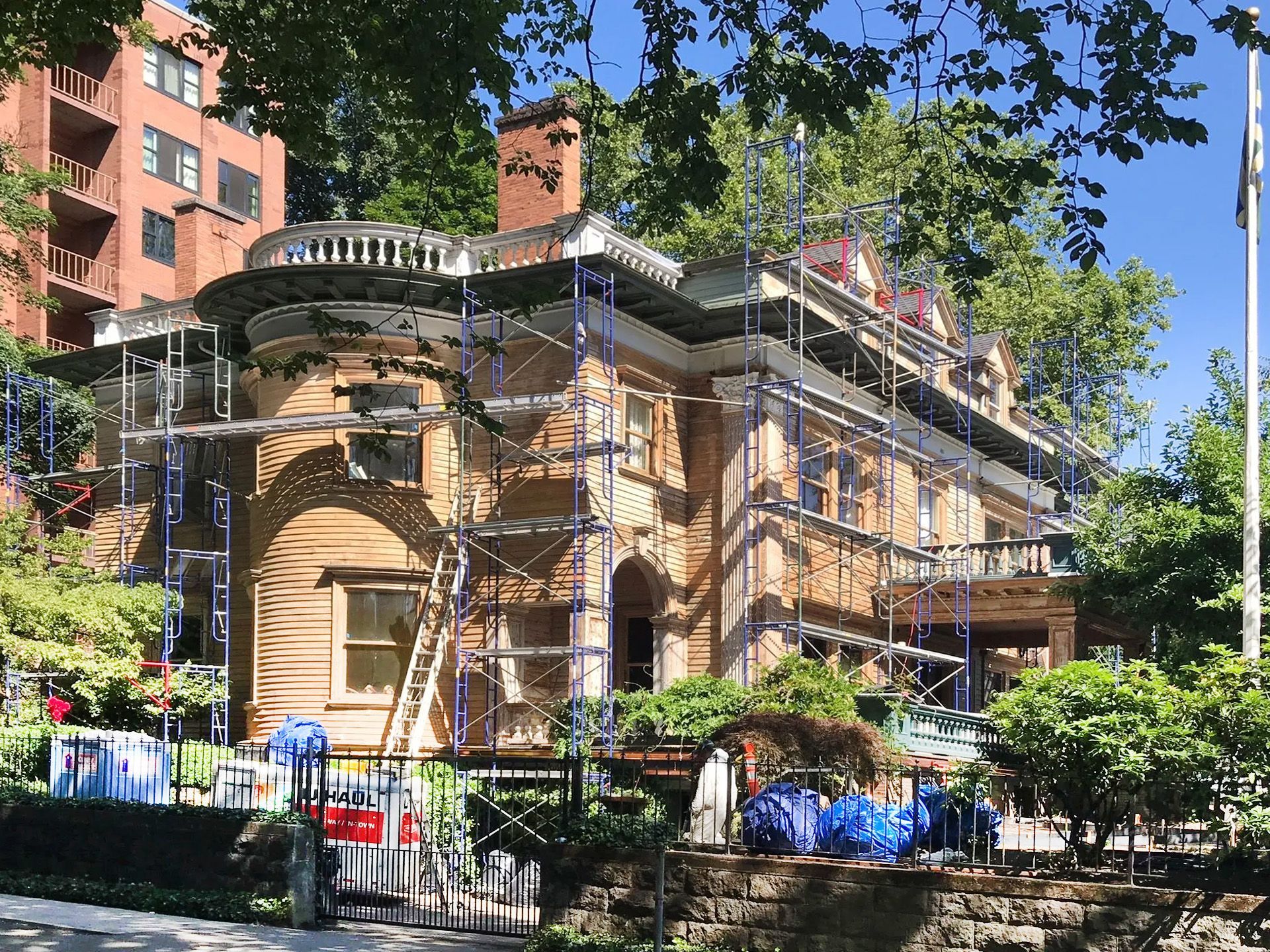
There is always a moment in an exterior restoration when the house begins to tell you more of its story.
The first boards come off, and underneath you may find remarkably sound old-growth framing, a pocket of rot where water has been finding its way in for years, or evidence of repairs made by several generations of homeowners and contractors. Sometimes what looked concerning from the outside turns out to be fairly localized. Other times, removing a few boards reveals a larger problem that wasn't visible from the surface.
After decades of renovating or restoring Portland's older homes, we've learned that you can't always judge “a book by it’s cover” - or an exterior by how it looks from the sidewalk.
The goal isn't necessarily to replace what's old, or to save every original board. It's to understand what is there, how it has performed, and what will give the house the best chance of lasting another hundred years.
How We Read an Old Exterior Before We Touch It
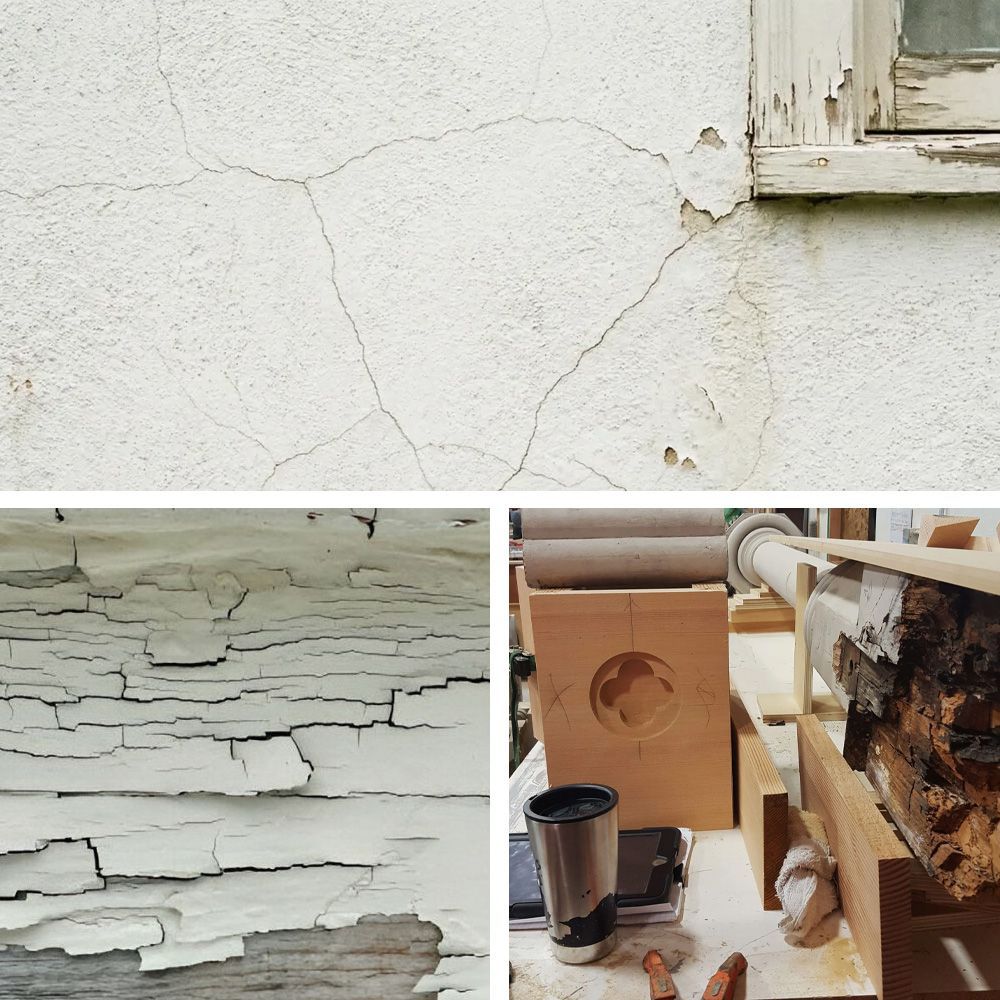
Long before siding comes off, an older house provides clues about what's happening underneath.
Paint failure can tell us where moisture may be moving through the exterior. Soft or deteriorated wood tends to appear in predictable places, including window sills, water tables, porch connections, and other areas where water can collect. Gutters, downspouts, landscaping, and the grade around the house can also contribute to deterioration that begins at the bottom and works its way up.
Portland's long wet season makes moisture an obvious concern, but it isn't the only source of wear. Sun exposure and our strong southerly winds can be particularly hard on south-facing elevations, sometimes leaving one side of a house noticeably more weathered than the others.
We're also looking for evidence of previous repairs. A change in siding profile, an unusual joint, incompatible materials, or an area that behaves differently from the rest of the wall may indicate that someone has been there before.
And we look beyond the siding itself. A sagging roofline, a crack in the foundation, or a leaning chimney can point to settling or movement that may have affected other parts of the house. None of these clues necessarily means there is a major problem. They simply tell us where to look more closely.
The more carefully we can read the exterior before work begins, the better prepared we are to make thoughtful decisions once we can see what's actually behind it.
What is Usually Worth Saving
One of the advantages of working on Portland's older homes is the quality of the material that is often already there.
Many of Portland’s vintage homes were built with old-growth fir and cedar that is denser and more naturally resistant to decay than much of the lumber readily available today. Even when the surface looks weathered, the material underneath may still have decades of useful life.
That's one reason we don't automatically equate "old" with "needs to be replaced."
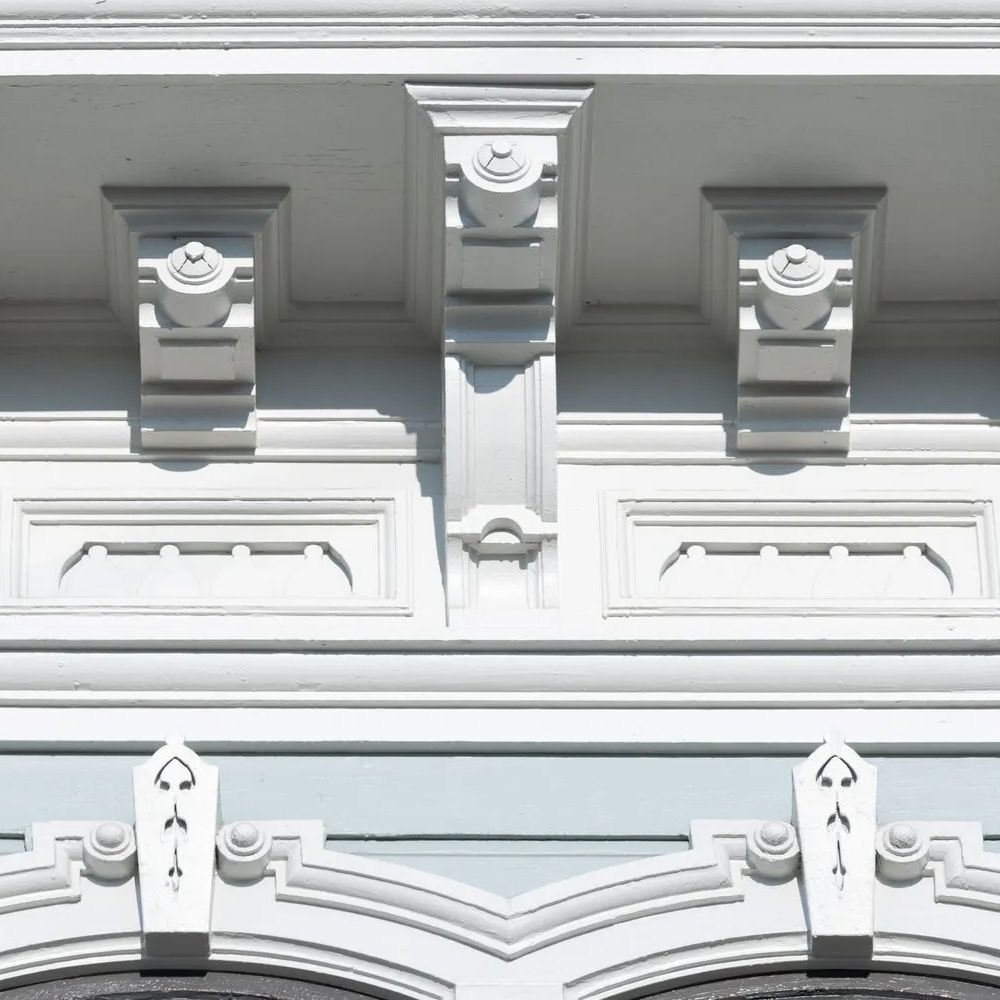
If original siding or trim is fundamentally sound, repairing it can preserve both an exceptionally good building material and the subtle details that give an older house its character. Depending on the condition, that might mean consolidating or patching a damaged area, replacing only a deteriorated section, or using a Dutchman repair to remove damaged wood and fit a new piece precisely into the original.
Keeping original material also helps preserve details that can be surprisingly difficult to reproduce: the exact siding exposure, the depth of a trim profile, or the proportions of a corner board.
In historic and conservation districts, retaining repairable original material may also be important from a historic review standpoint.
The question isn't simply, "Can we make this look new?" More often, it's, "How much of what is already here can continue doing its job?"
When Replacement is the Better Choice
Sometimes moisture or decay has compromised a piece beyond a reasonable repair. Previous alterations may have removed important original details. In other cases, a portion of siding or trim may already have been replaced with a material or profile that doesn't match the rest of the house. And sometimes an original element, such as a window, may no longer provide the comfort or performance a homeowner needs.
That's when replacement can become part of good restoration work.
The challenge is making the new material belong.
Historic siding profiles aren't always sitting on the shelf at the local lumberyard. Matching an existing exterior may require reproducing a particular profile, exposure, thickness, or species of wood.
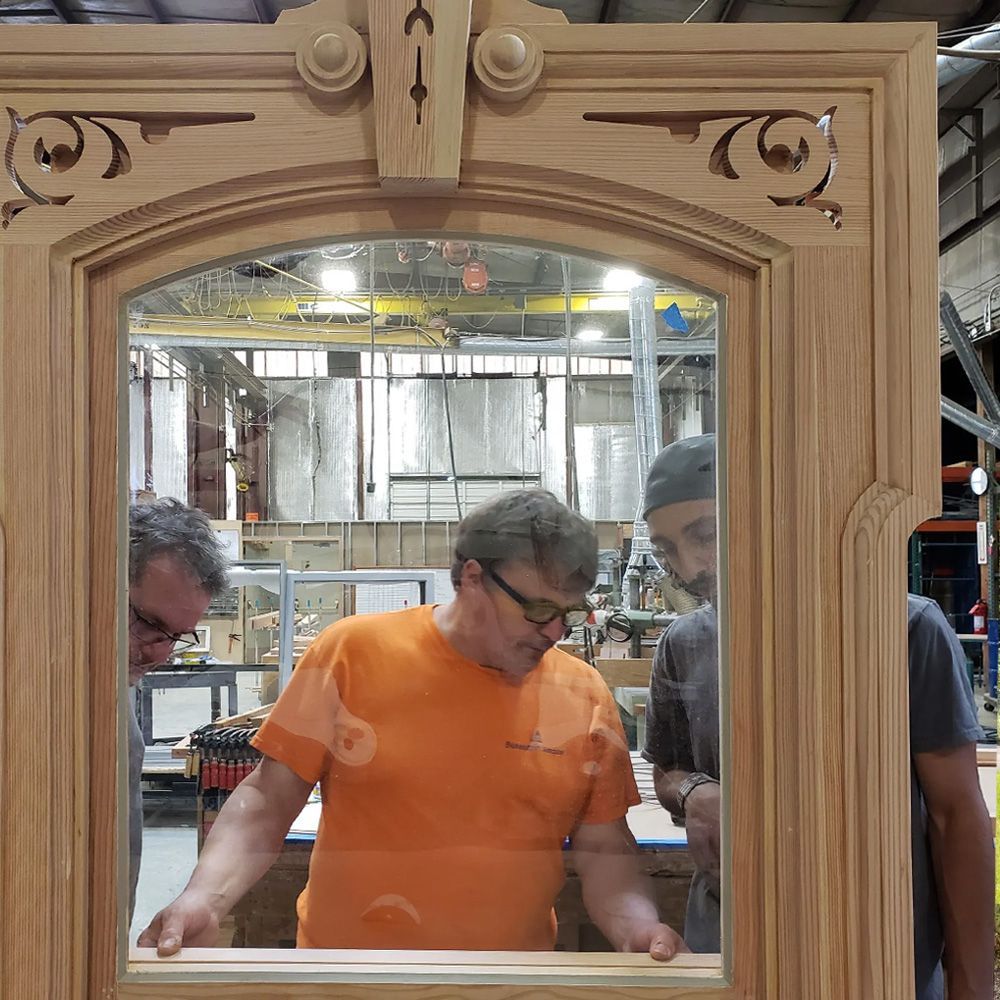
This is where our in-house woodshop becomes an important part of the restoration process. When an original element can't be saved or a historic profile is no longer commercially available, we can recreate it. New siding, trim, windows, doors, and other millwork can be fabricated to match the original material rather than requiring the house to adapt to whatever happens to be available today.
Replacement, when it is necessary, doesn't have to look like replacement.
Making New Work Disappear Into the Old
Some of the most successful restoration work is difficult to spot when it's finished.
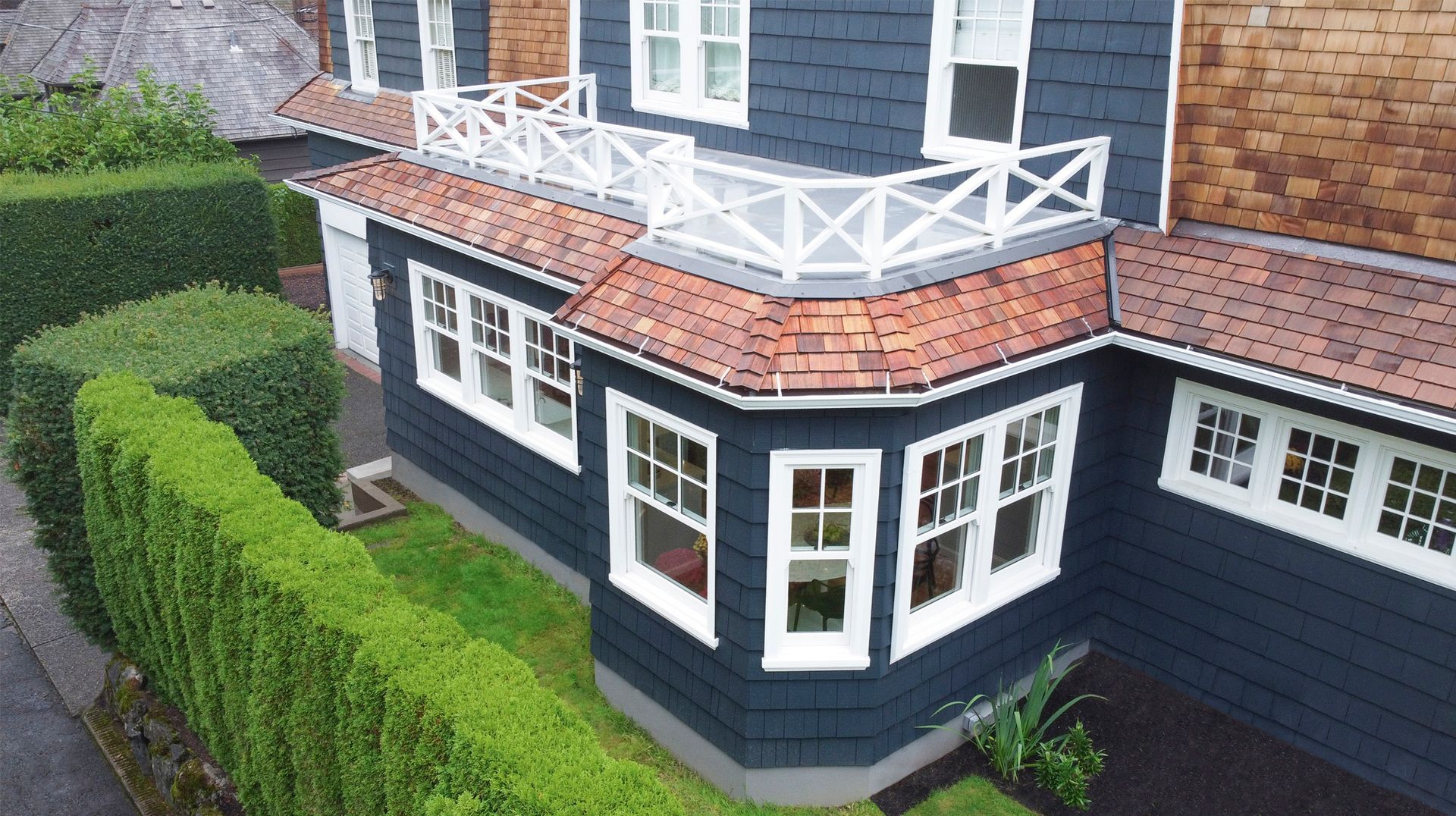
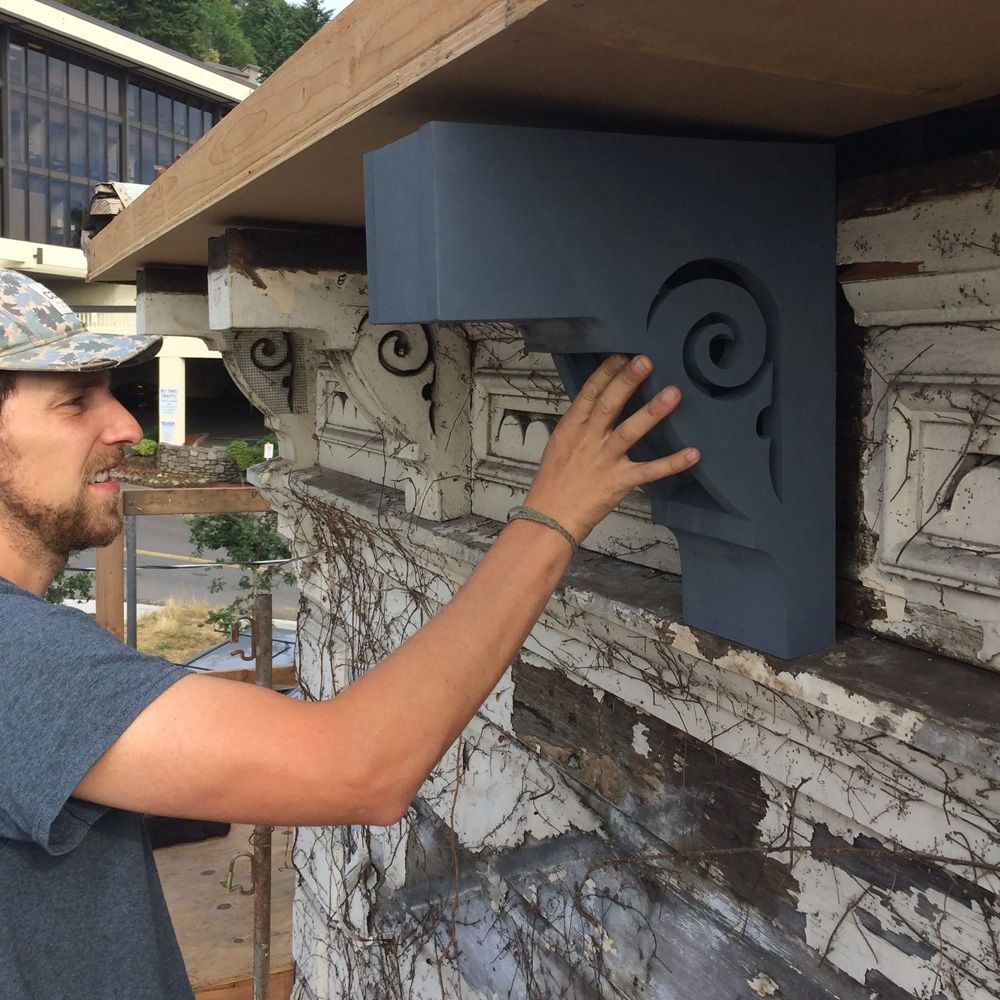
That requires more than choosing a siding that looks approximately right. The exposure of each course needs to align with the original. Trim profiles and proportions matter. Corner boards, window and door casings, water tables, and other transitions need to relate to one another the way they did historically.
Small construction details matter, too. Properly preparing and priming cut ends, managing the places where water naturally collects, and understanding how individual pieces fit into the larger wall assembly can help prevent today's repair from becoming tomorrow's problem.
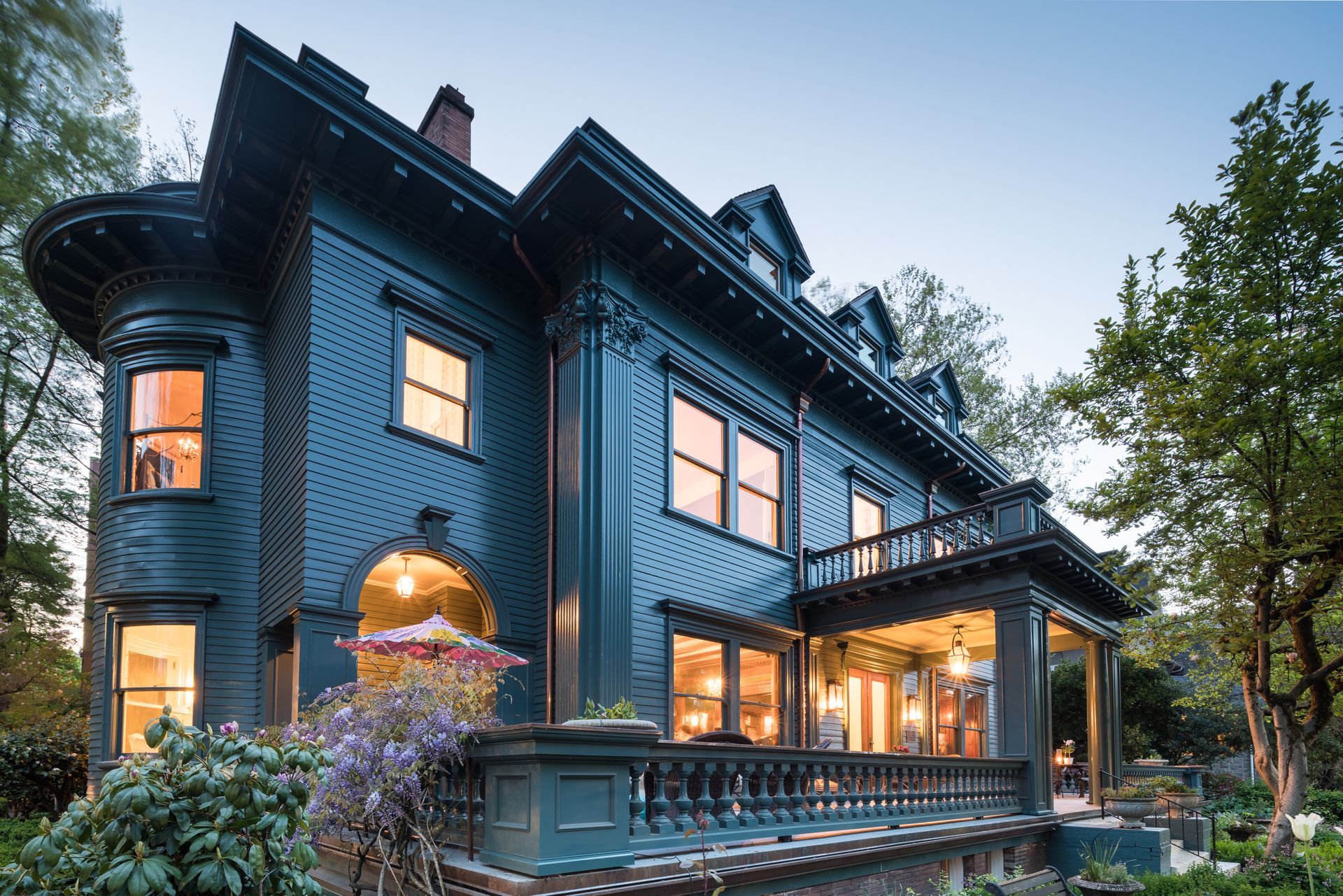
We saw the importance of that approach on the restoration of a Victorian in Portland's
Mississippi neighborhood after the home suffered extensive damage from a fire.
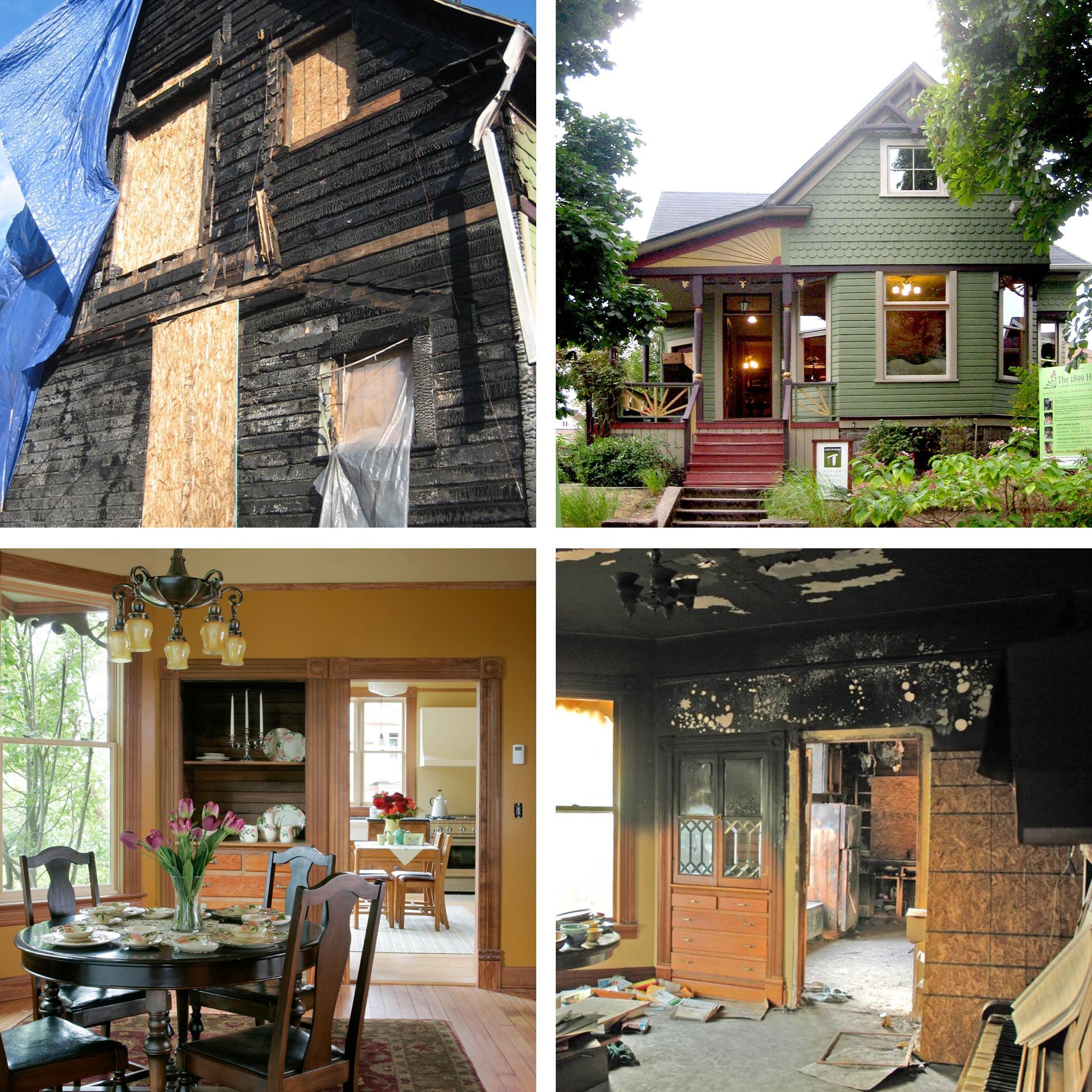
Rebuilding portions of an ornate historic exterior requires a different mindset than simply replacing damaged materials. New elements have to relate convincingly to what survived. Profiles, proportions, and details all contribute to whether the finished work reads as a repair or simply as part of the house.
That's ultimately the standard we're aiming for: not making an old house look new, but making the new work feel as though it has always belonged there. You can see more examples of that approach throughout our
portfolio of Portland home renovations and restorations.
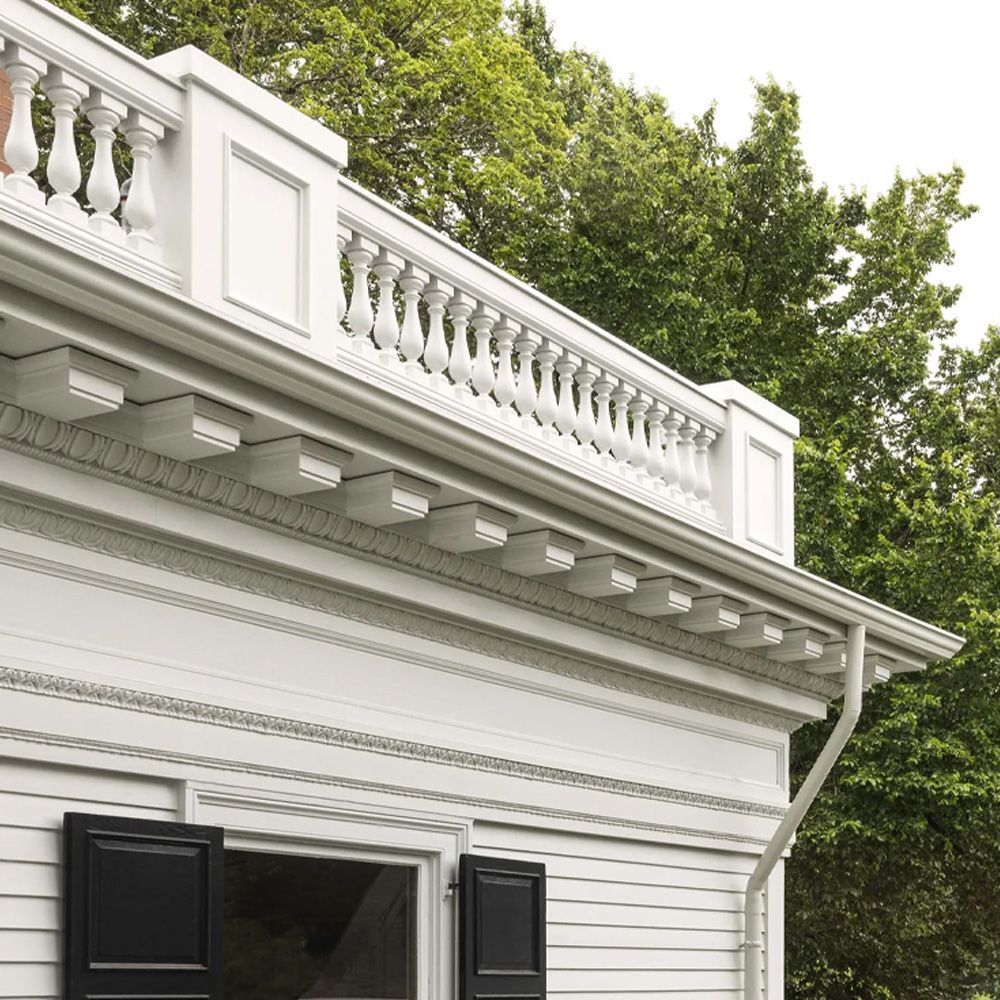
Every Old Exterior Tells Us Something Different
Two century-old Portland houses can sit on the same block, have been built within a few years of each other, and reveal completely different conditions once work begins.
That's part of what makes working with older homes interesting. There is rarely a single prescription for what to repair and what to replace.
The starting point is understanding the house that's actually in front of us: how it was built, where water has affected it, which materials have survived, what has changed over the decades, and which original elements are still doing their job.
From there, the goal is to intervene thoughtfully. Save good material when we can. Repair what makes sense to repair. Recreate what has been lost when necessary. And make sure the work we do today respects both the history of the house and the years it still has ahead of it. You can see how that approach takes shape in some of our exterior remodeling and restoration work.
If you're considering exterior work on an older Portland home, a complimentary Initial Design Consultation is a good place to start. It's an opportunity to talk through your home's needs, your priorities, and what might be possible before deciding on the next steps.
See More Stories