Limited natural light is one of the realities of remodeling a basement. The instinct is often to fight it: lighter walls, brighter finishes, more artificial light, anything that might make the space feel a little more like the rooms upstairs.
But what if that isn’t the goal?
Some of the most inviting basements we’ve worked on take a different approach. Rather than trying to disguise the fact that they are below grade, they embrace the qualities that make these spaces different: lower light, a sense of enclosure, and an opportunity to create an atmosphere all their own.
Not every room needs to be bright to be inviting...
A Darker, More Dramatic Take on a 1929 Tudor
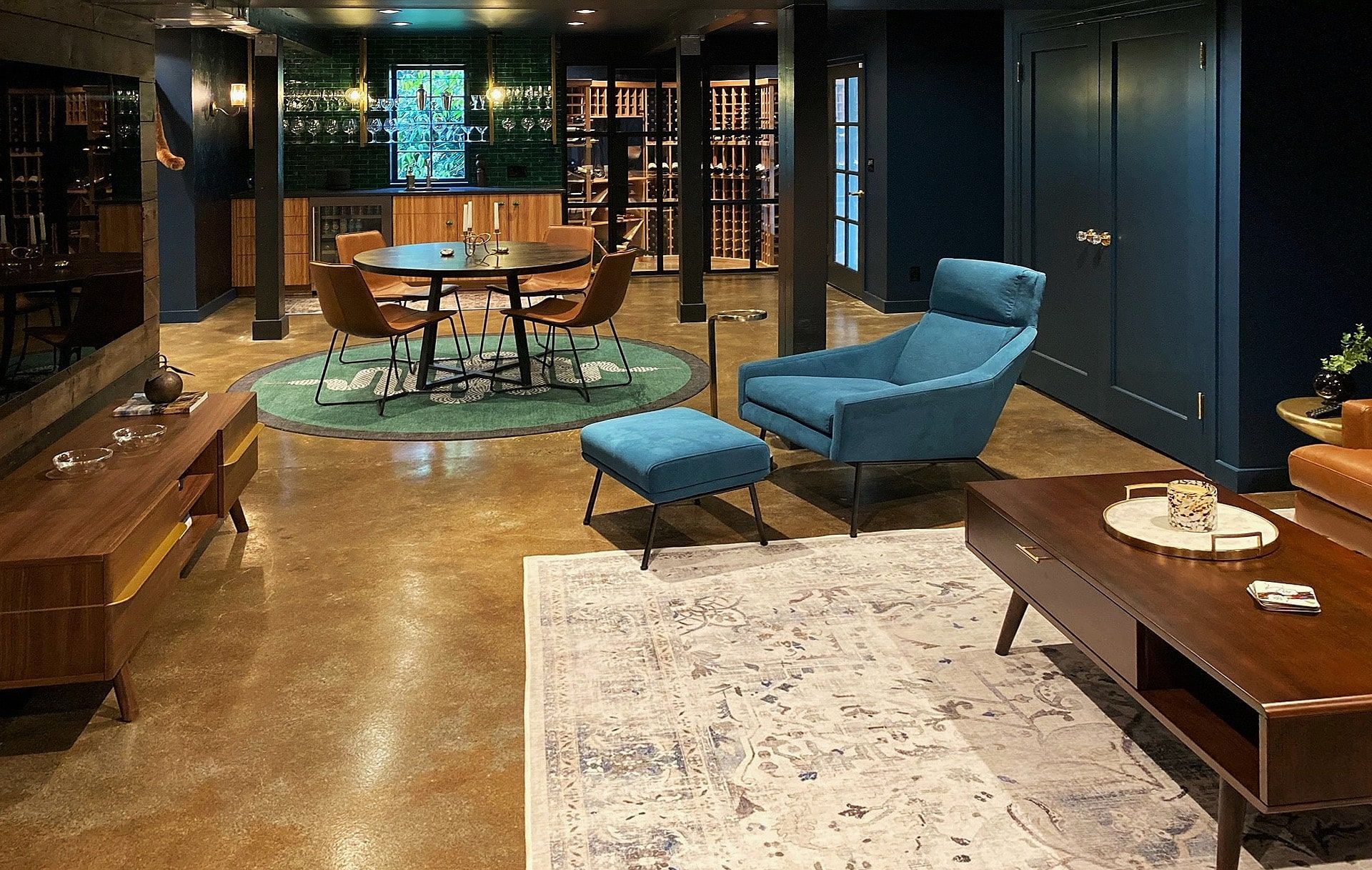
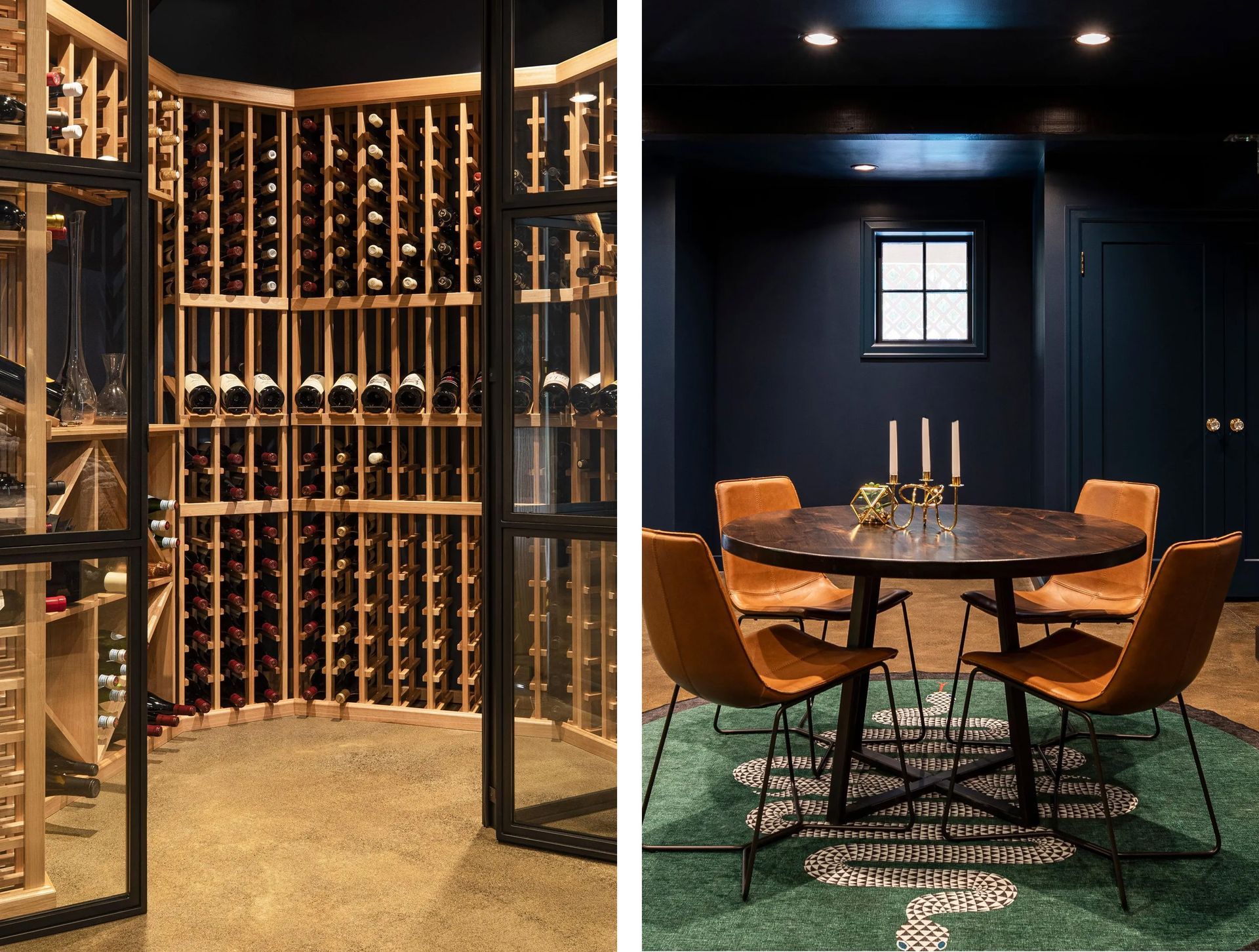
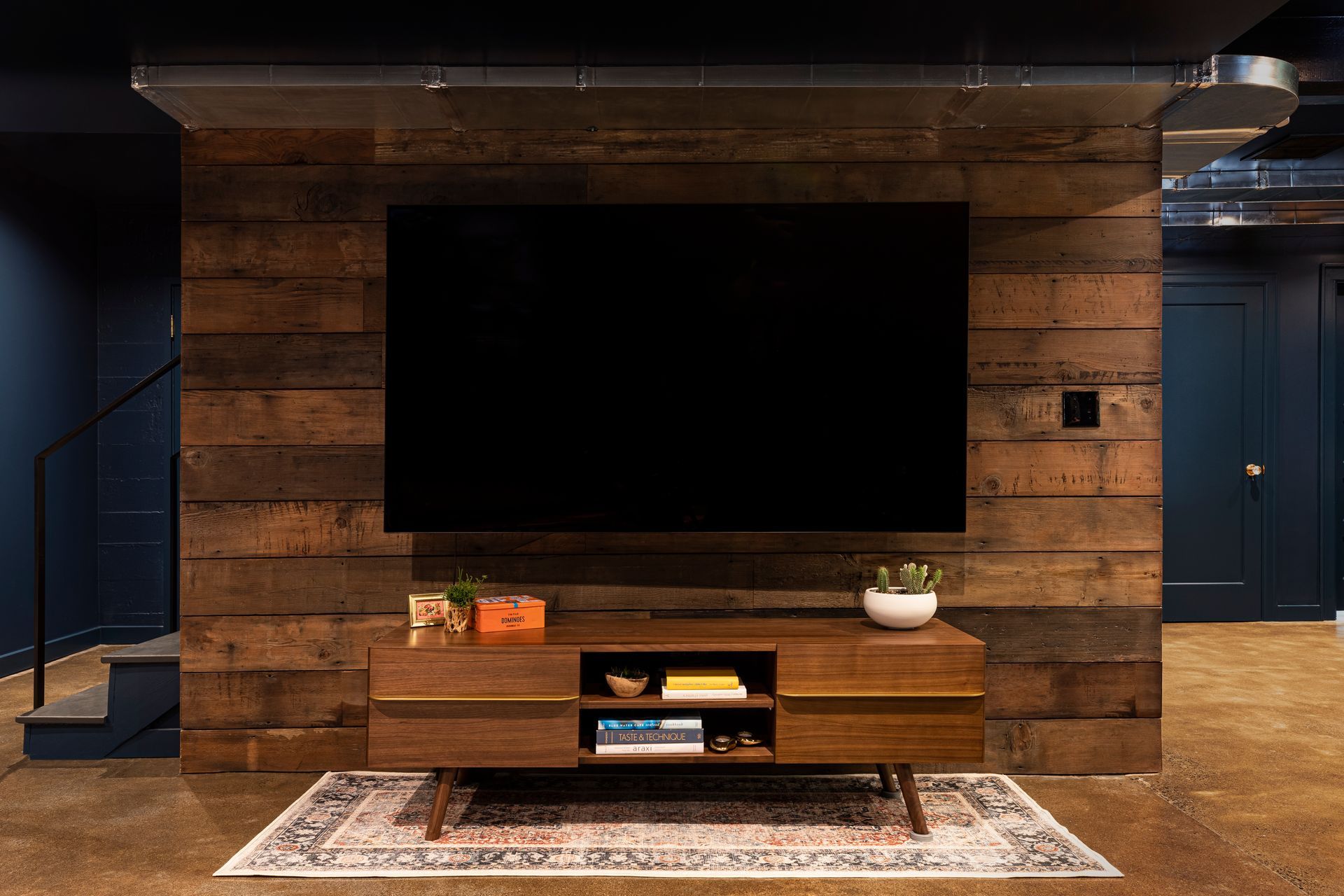
In this 1929 SW Portland Tudor, deep blue-black walls and ceilings establish a rich backdrop throughout the basement. Instead of making the rooms feel smaller, the continuous dark envelope helps visually recede the boundaries of the space.
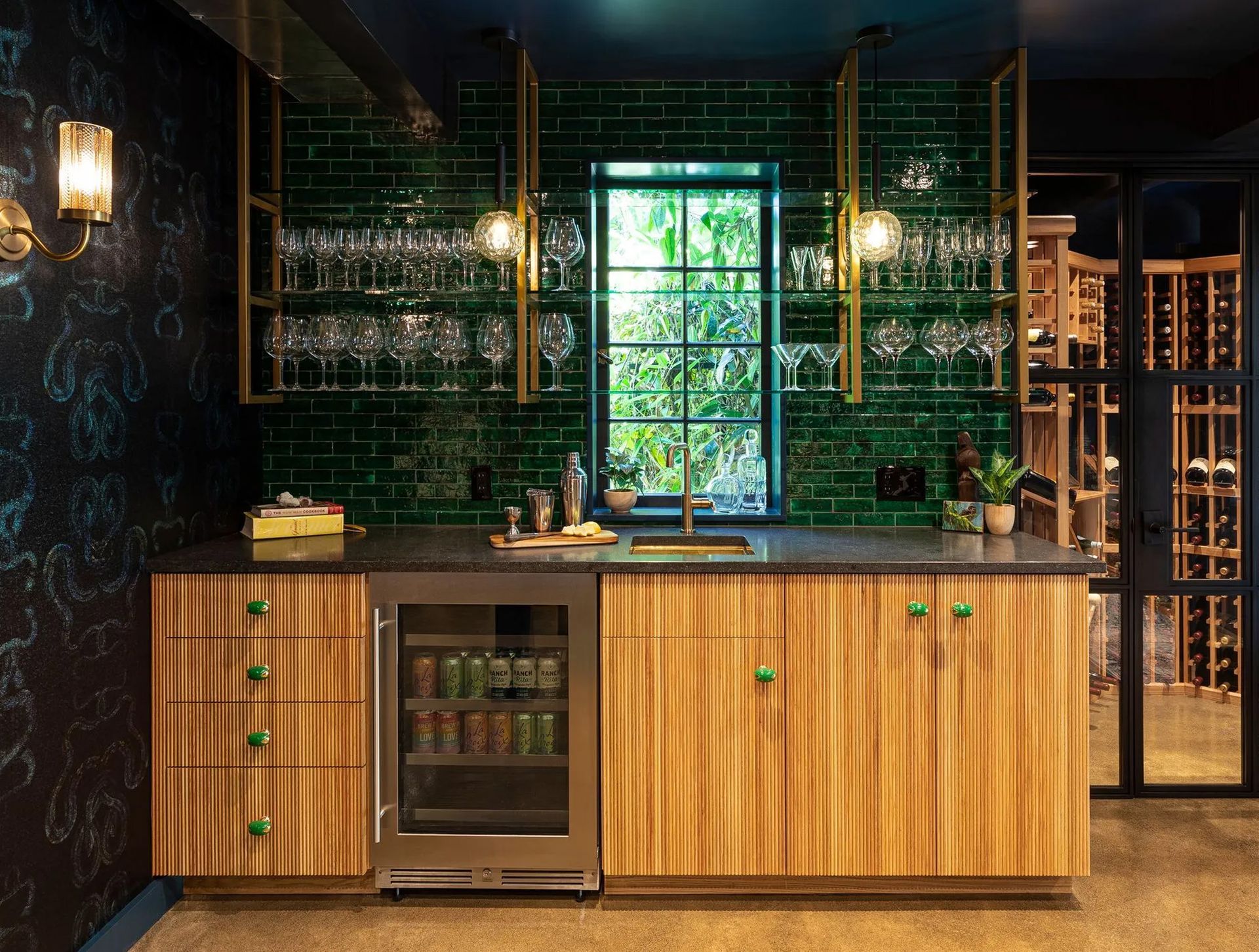
Against it, everything else becomes more vivid. Cognac leather and warm wood bring warmth to the lounge and game areas. Polished concrete floors add a more relaxed, slightly industrial note. In the bar, glossy emerald tile catches and reflects the available light, while brass shelving, illuminated glassware and reeded wood cabinetry add layers of texture and color.
Even the wine room becomes part of the experience. Warm natural wood wine racks glow against dark walls, framed by black metal and glass.
The basement doesn't pretend to be an upstairs living room. It has a personality of its own.
Warm Woods in a Historic Columbia Gorge Home
Dark doesn’t necessarily mean dramatic color.
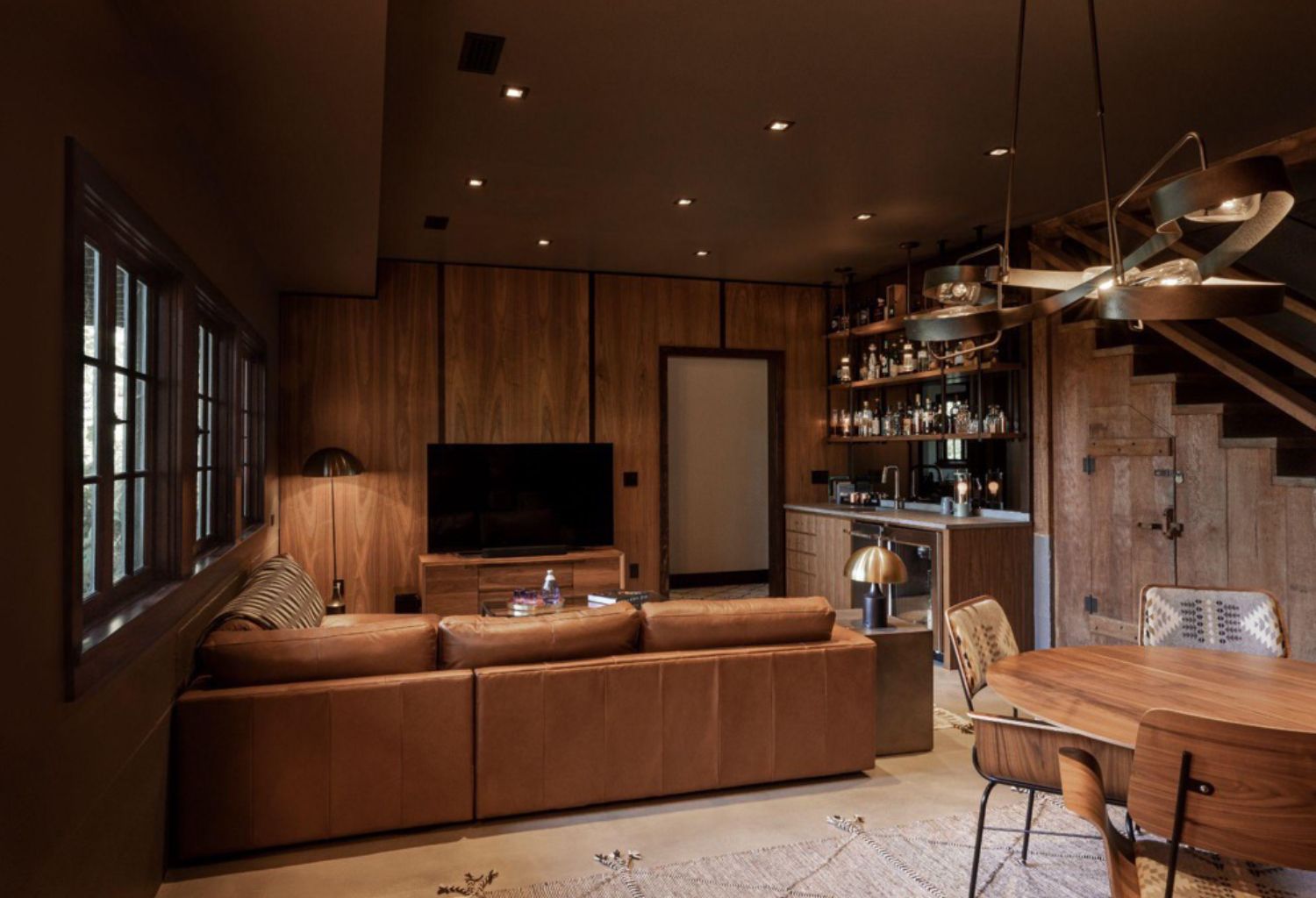
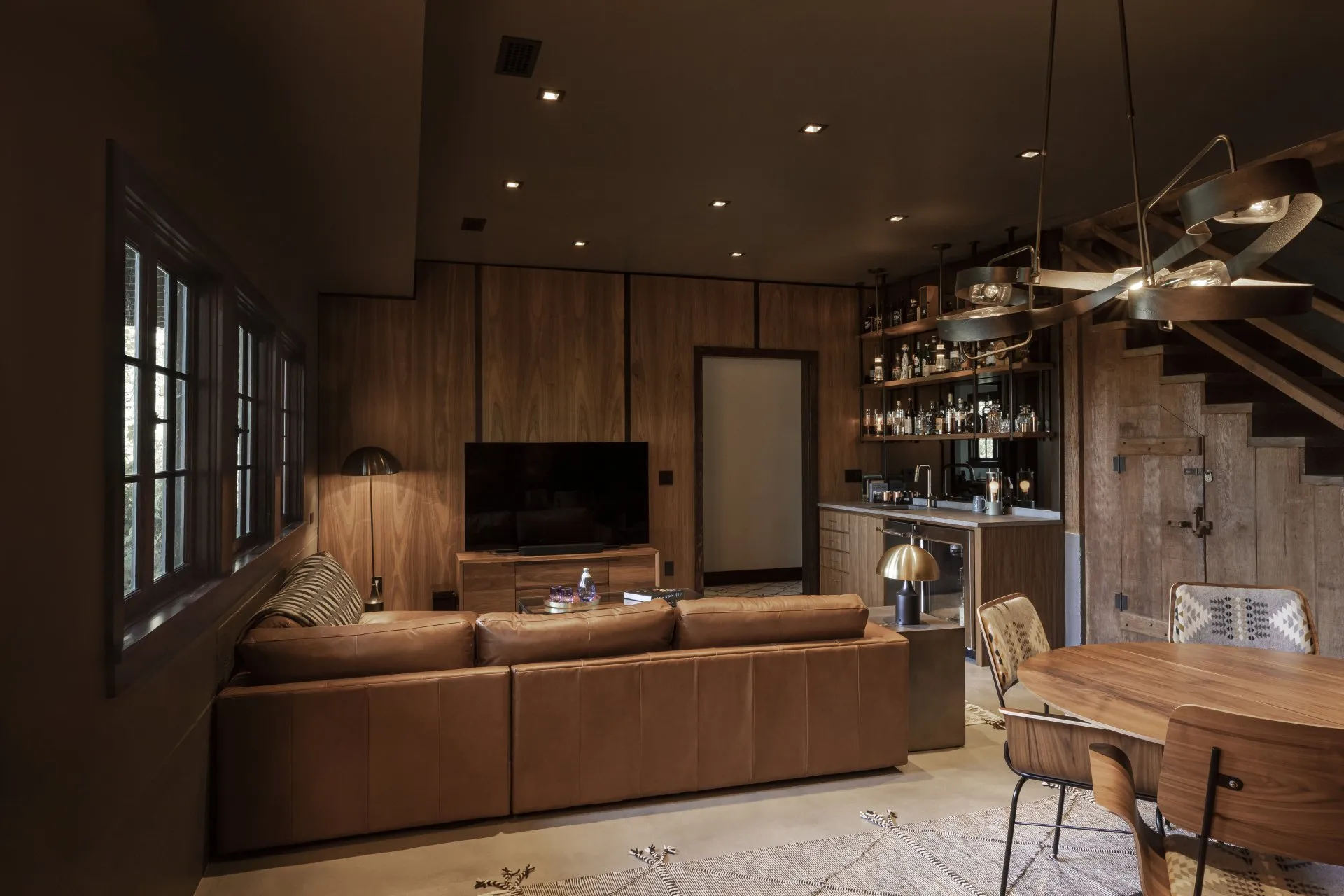
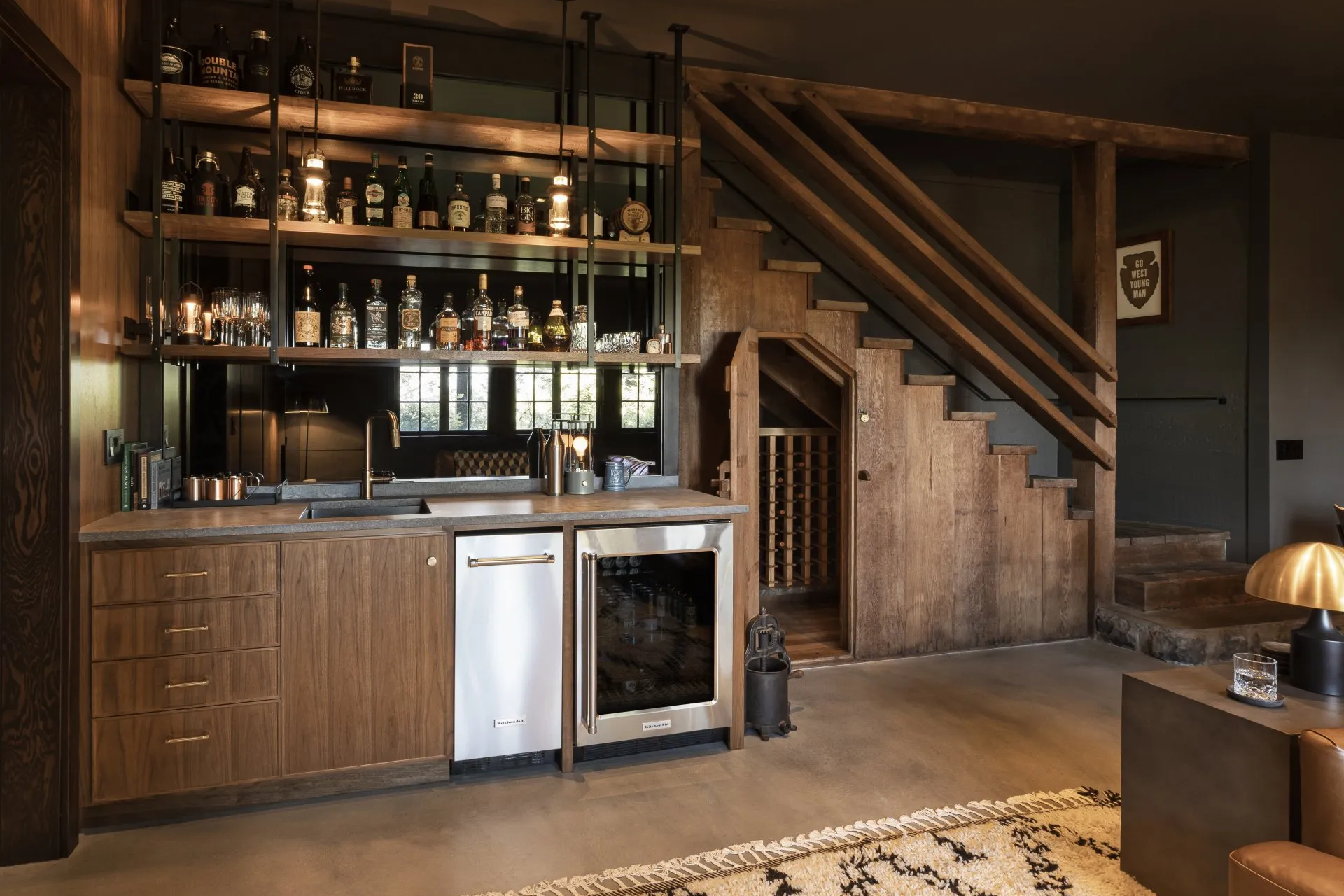
In this historic 1932 Tudor, wood-paneled walls and extensive natural woodwork create a warmer interpretation of the same idea. The bar, staircase and surrounding millwork bring richness and texture to a space where abundant daylight was never going to be the defining feature.
Rather than trying to counteract that with pale finishes, the design builds on it. Warm, focused lighting plays across the wood grain, while leather, metal and natural materials reinforce the comfortable, enclosed feeling of the room.
The effect is less “bright basement” and more inviting retreat.
Embracing the Atmosphere of an Arts & Crafts Interior
Sometimes leaning into a darker room isn't about introducing a new design idea at all. It's about recognizing the value of what is already there.
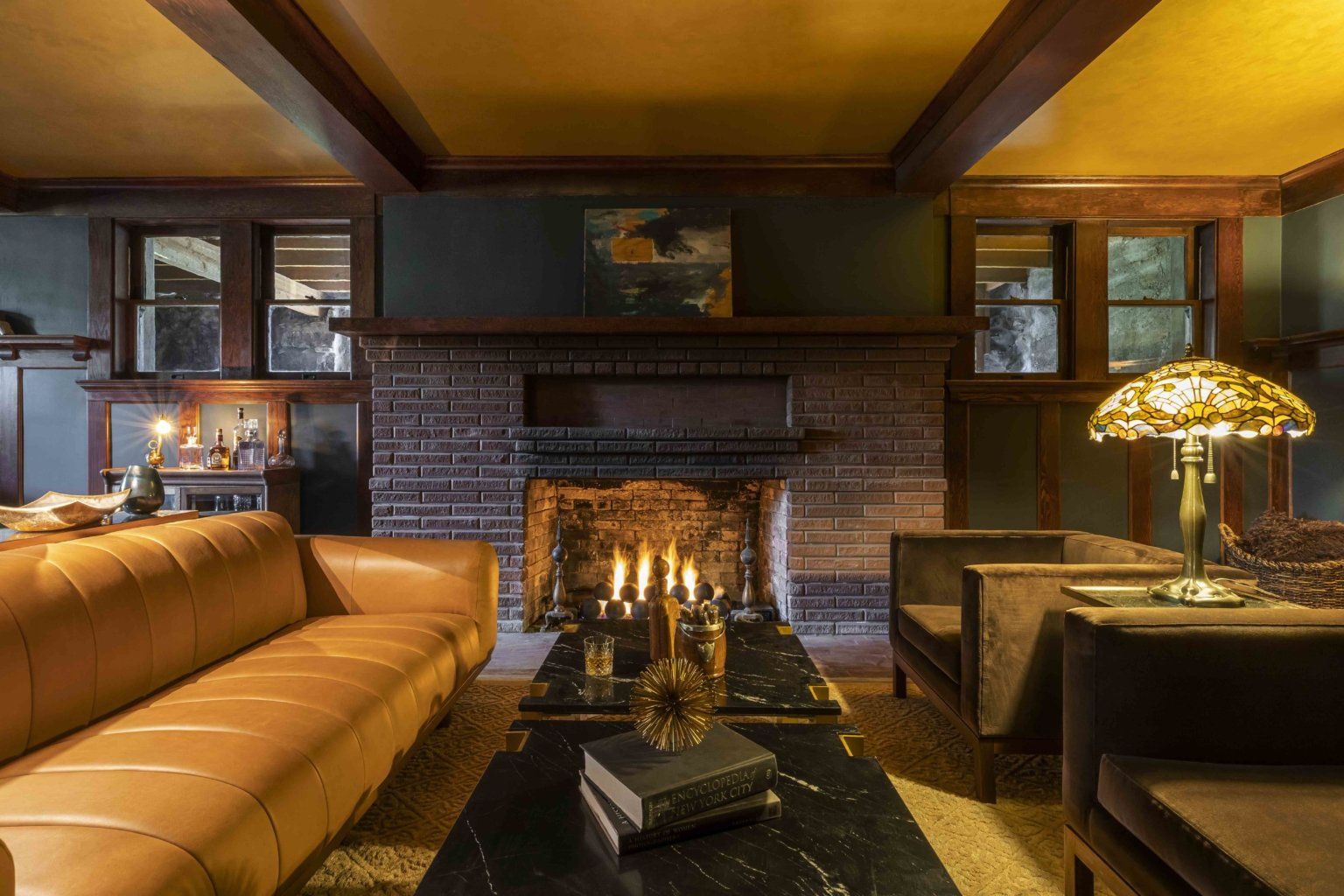
In this 1893 Mt. Tabor home, Arts & Crafts wainscot and box beams (dating from an early 20th century remodel), together with a substantial brick fireplace, already created a wonderfully atmospheric interior - albeit one in need of complete restoration. Dark blue/green walls and a gold ceiling were chosen to complement the historic woodwork, while a roaring fire, table lamps and other warm light sources bring the room to life.
The furnishings build on that atmosphere. Rich leather seating, dark marble tables and a Tiffany-style lamp give the room some of the comfortable, slightly clubby character of an old-school lounge—a place that feels particularly inviting as the light outside begins to fade.
Trying to make a space like this lighter could mean losing some of the very qualities that give it character.
Don't Automatically Fight the Dark
A basement still needs thoughtful lighting, and every space presents its own practical considerations. But “How can we make this basement brighter?” doesn't always have to be the first design question.
It might be more interesting to ask: What could this space become because it’s dark?
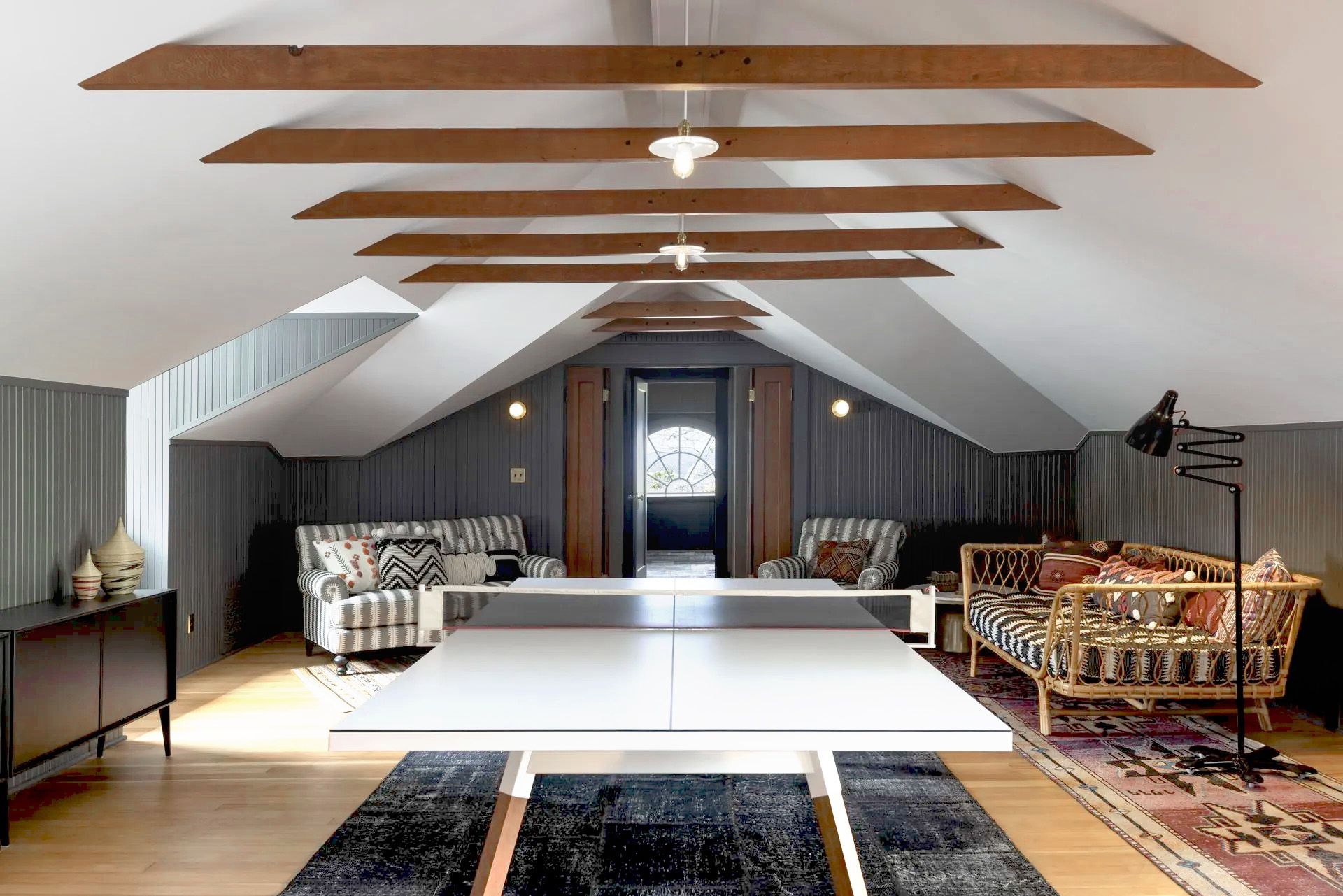
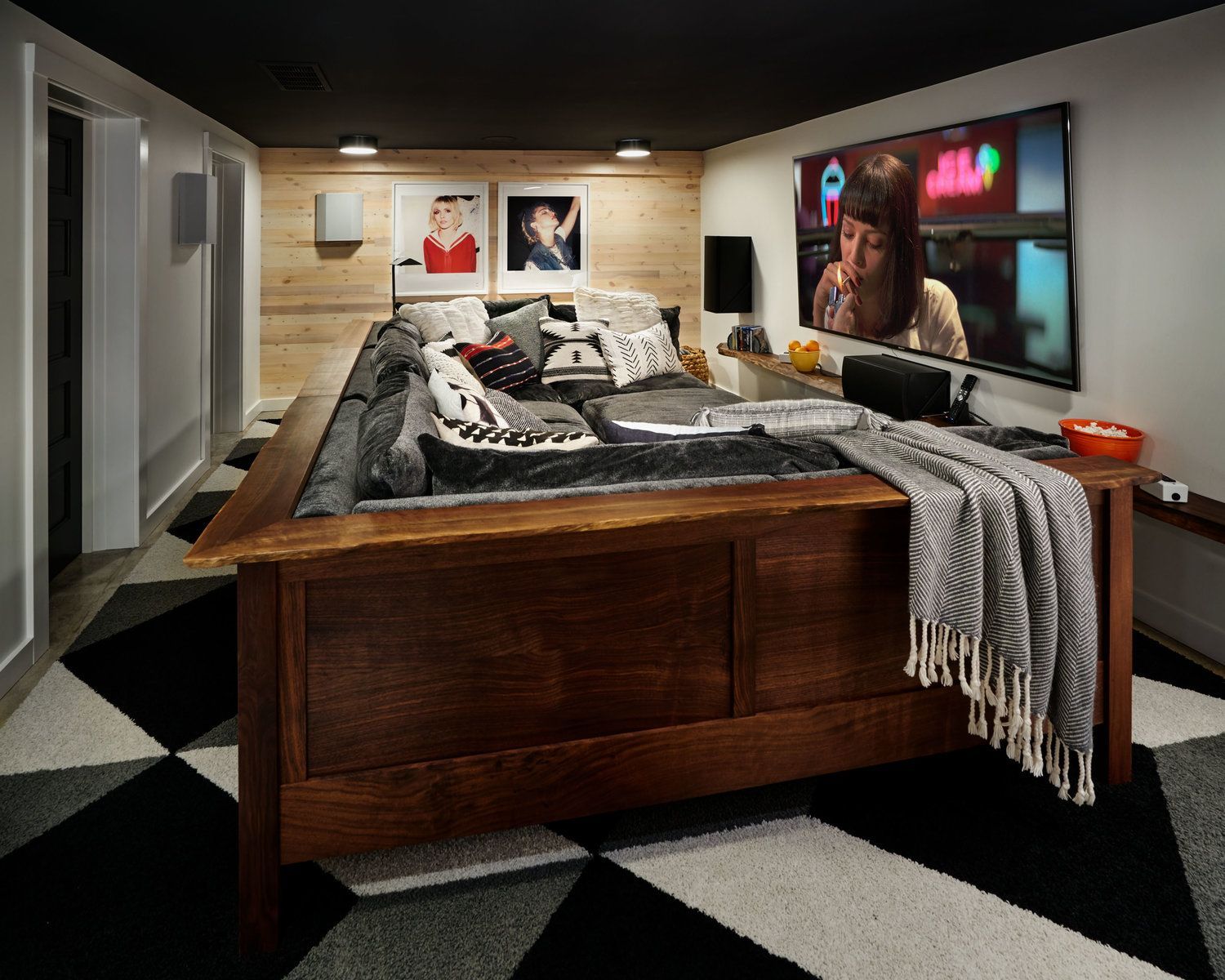
A cozy media room. A dramatic bar. A wine cellar. A game room. A quiet retreat. Spaces like these can benefit from the sense of enclosure that comes naturally with being below grade.
Sometimes the best way to deal with a dark basement is to make the darkness part of the design.
Thinking About What Your Basement Could Become?
Explore our Complete Guide to Basement Remodeling in Portland's Older Homes for more ideas and practical considerations.
See More Stories